Zone 5 Coverage
Planting Timeline — All Varieties
Growing Native Wildflowers in Zone 5
Zone 5 offers an excellent sweet spot for native wildflower gardening, with a generous 155-day growing season that allows most perennial wildflowers to establish strong root systems before winter. The moderate climate provides enough chill hours for proper seed stratification while avoiding the extreme temperature swings that stress plants in harsher zones. However, the April 30th average last frost means you'll need to be patient with warm-season annuals, and the October 5th first frost requires strategic planning for late-blooming varieties.
When selecting native wildflowers for Zone 5, prioritize varieties that can handle temperature fluctuations and establish quickly once soil warms. Look for plants with strong cold tolerance that won't be damaged by unexpected late spring frosts, yet can also withstand occasional summer heat waves. The key is choosing a mix of early, mid, and late-season bloomers to maximize your growing window and provide continuous habitat for pollinators throughout the entire season.
Variety Comparison
| Variety ↑ | Days | Difficulty |
|---|---|---|
| Allegheny Monkey Flower | — | Easy |
| Apollo Orange | 90-100 | Easy |
| Autumn Phlox | — | Easy |
| Bee Balm | 300-365 | Easy to moderate |
| Black-Eyed Susan | 100-120 | Very easy |
| Blanket Flower | — | Easy |
| Blue-Eyed Grass | — | Easy |
| Brown-Eyed Susan | 90-100 | Easy |
| Butterfly Weed | 365 | Easy |
| Canada Goldenrod | — | Easy |
| Cardinal Flower | — | Easy |
| Cheyenne Spirit | 126-165 | Easy |
| Common Milkweed | — | Easy |
| Coral Bells | — | Easy |
| Cup Plant | — | Easy |
| Cutleaf Coneflower | — | Easy |
| Dutchman's Breeches | — | Easy |
| Foamflower | — | Easy |
| Foxglove Beardtongue | — | Easy |
| Fringed Bleeding Heart | — | Easy |
| Golden Alexander | — | Easy |
| Gray Goldenrod | — | Easy |
| Gray-Headed Coneflower | — | Easy |
| Great Blue Lobelia | — | Easy |
| Hairy Alumroot | — | Easy |
Variety Details
Allegheny Monkey Flower
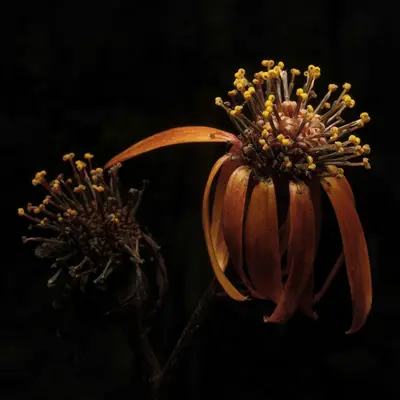
Allegheny Monkey Flower (Mimulus ringens) is a perennial native wildflower. Hardy in USDA zones 3 to 8. Prefers part shade.
Apollo Orange
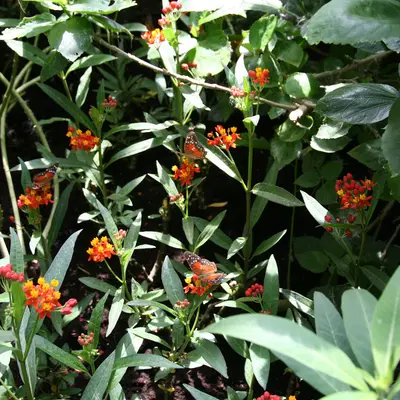
Tall, vigorous plants do best in warm, relatively dry conditions. Vivid orange blooms with attractive, slender foliage. Best used for cut flowers. Asclepias curassavica is attractive to butterflies and pollinators but we recommend planting a native species for best supporting butterflies. Also known as milkweed, butterfly weed, blood flower, and sunset flower. Tender perennial in Zones 7-10.
Autumn Phlox
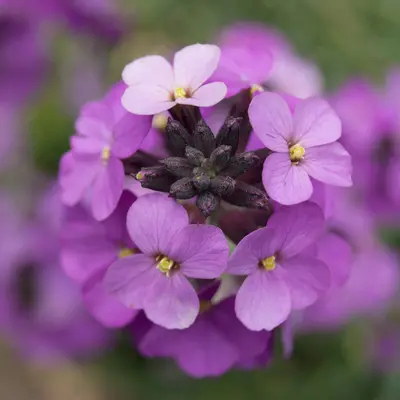
Autumn Phlox (Phlox paniculata) is a perennial native wildflower. Hardy in USDA zones 4 to 8.
Bee Balm
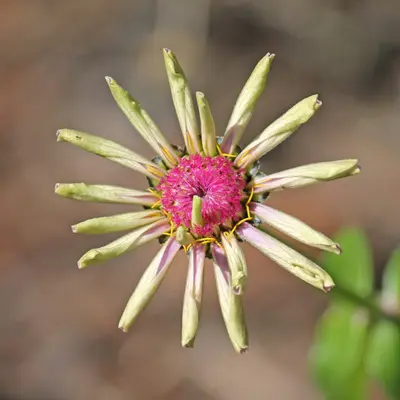
Semidouble blooms in shades of lavender, salmon, magenta, and pale to bright pinks are useful as cut and edible flowers. Additionally, monarda attracts bees, butterflies, and hummingbirds to the garden. Also known as beebalm, Oswego tea, and scarlet beebalm. Medicinal: Aerial parts in infusions to improve digestion. Leaves and blooms contain thymol-related antibiotic-antiseptic compounds. Perennial in Zones 4-9. Edible Flowers: Add petals to salads, sprinkle over mild fish, use in fruit salads, or to garnish desserts and drinks. Flavor is minty and spicy.
Black-Eyed Susan
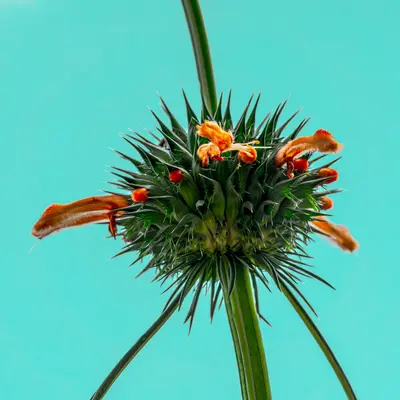
Black-Eyed Susan is a cheerful native wildflower featuring bright golden-yellow petals radiating from a dark brown or black central cone. This heirloom variety matures in 100-120 days and thrives in full sun to partial shade with minimal care requirements. Highly adaptable to various soil types, it prefers well-drained conditions and tolerates poor soils where many plants struggle. The flowers bloom prolifically throughout summer and fall, making it excellent for pollinator gardens, naturalized plantings, and cut arrangements. Though occasionally browsed by deer, it resists most pests effectively. Primarily grown for ornamental and ecological value rather than culinary use.
Blanket Flower
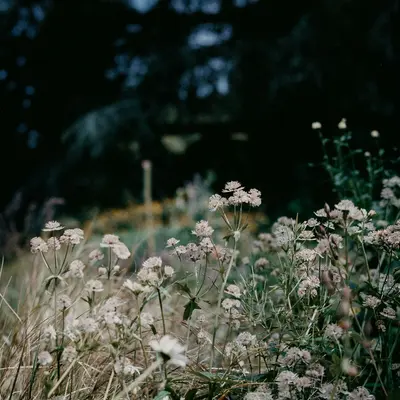
A cheerful and resilient native wildflower that blooms from early summer until frost with vibrant daisy-like flowers in shades of red, orange, and yellow. Perfect for xeriscaping and low-maintenance gardens, this drought-tolerant perennial attracts butterflies and beneficial insects while requiring minimal care once established.
Blue-Eyed Grass
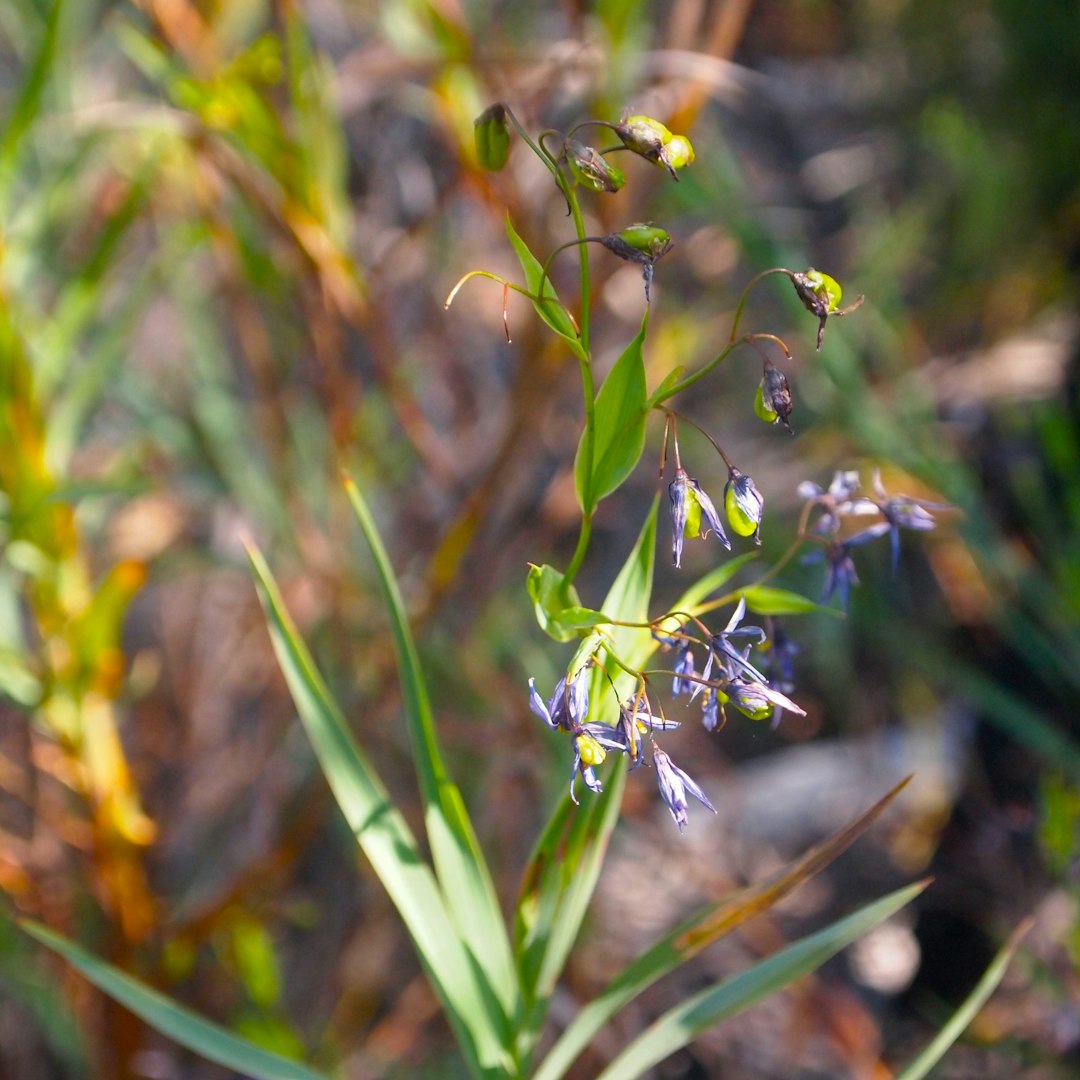
Blue-Eyed Grass (Sisyrinchium angustifolium) is a perennial native wildflower. Hardy in USDA zones 4 to 9.
Brown-Eyed Susan
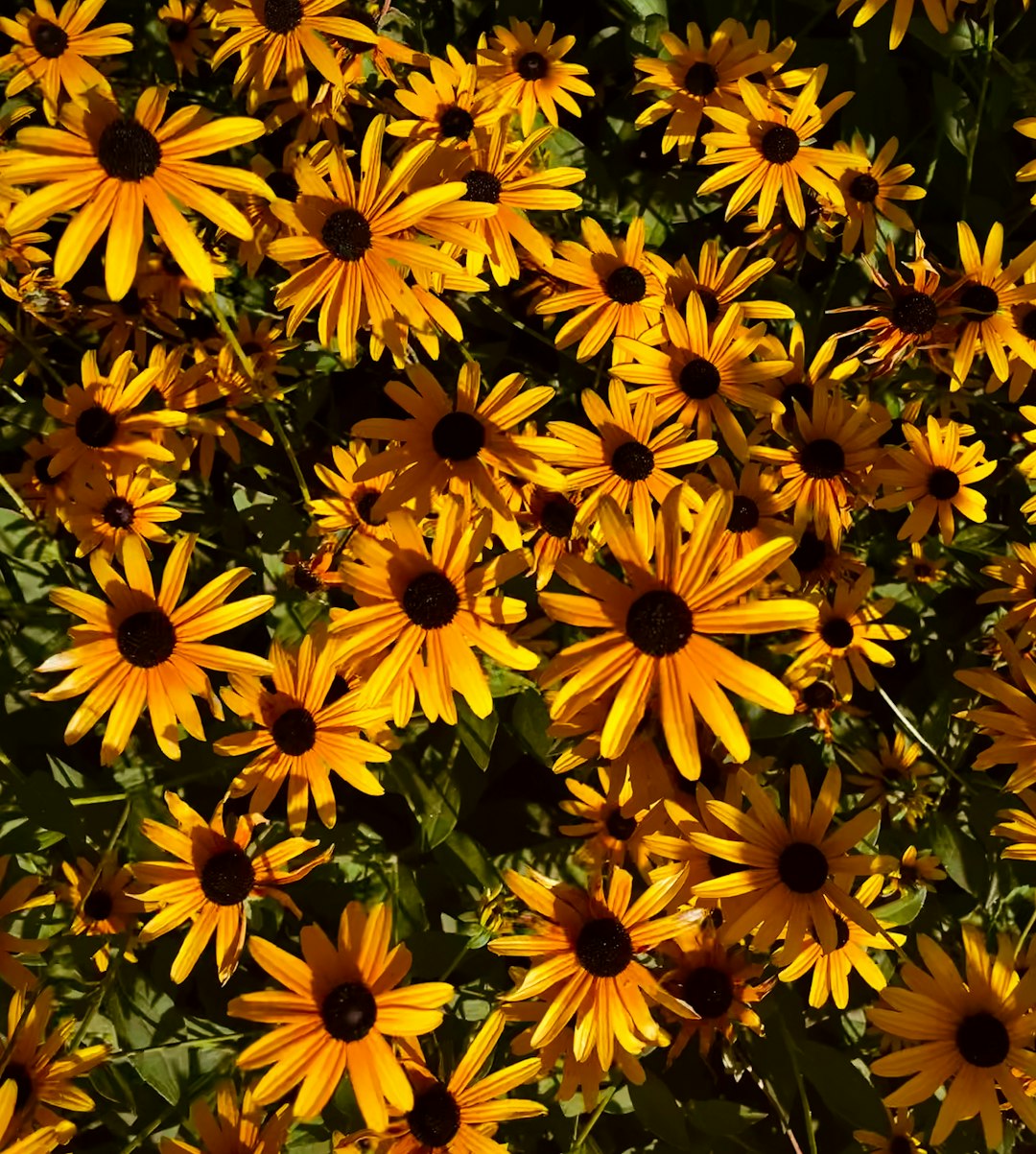
Profuse blooms of adorable, 1 1/2- 2 1/2", bright yellow flowers with small, black/brown centers. Wiry, well-branched stems have few leaves, making this an excellent cut flower. Also serves as a filler or accent flower in bouquets. This native US wildflower tolerates most conditions, including drought, once established. Short-lived perennial in Zones 3-9; typically flowers in the first year but may not bloom until second year if heavily crowded. Stems are reddish in color and have fine hairs. Leaves at the base of the plant are three-lobed, as indicated by the plant's Latin name species: triloba. Also known as brown-eyed Susan and browneyed Susan.
Butterfly Weed
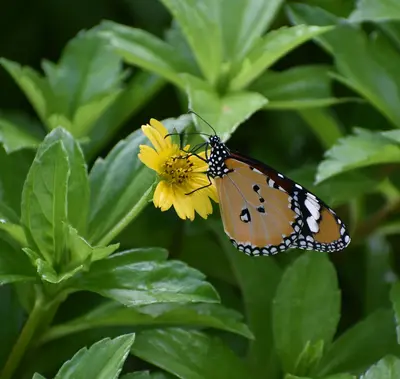
Attracts butterflies and bees. Grows well in arid soils. Also known as milkweed, butterfly weed, butterfly milkweed, and butterfly-weed. Medicinal: Roots are a respiratory expectorant and diaphoretic. Perennial in Zones 4-9.
Canada Goldenrod
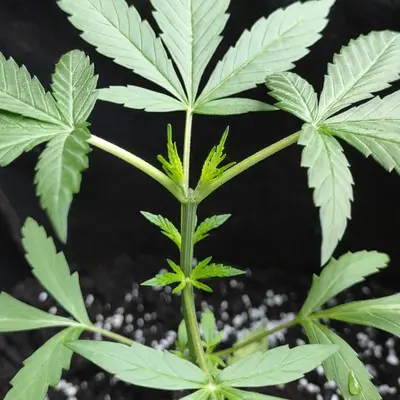
Canada Goldenrod (Solidago canadensis) is a perennial native wildflower. Hardy in USDA zones 5 to 9. Prefers full sun.
Cardinal Flower
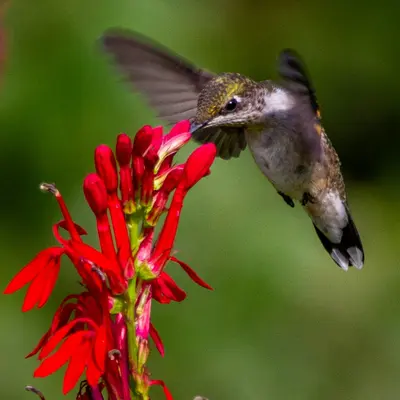
Nature's most brilliant red wildflower creates an unforgettable display with its intense scarlet blooms that seem to glow in shade gardens. This native beauty is a hummingbird magnet, drawing ruby-throated hummingbirds from miles around with its tubular flowers perfectly designed for their long beaks. Thriving in moist soils where many plants struggle, it brings vibrant color to pond edges, rain gardens, and woodland borders.
Cheyenne Spirit
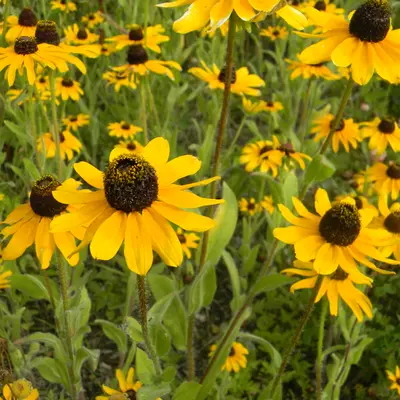
Bred for improved branching and a higher percentage of 3-4" flowers per plant. The vivid red, orange, purple, scarlet, cream, yellow, and white blooms can be used as cuts or as high-impact landscaping or container plants. Attracts and is a food source for bees. Perennial in Zones 3-8. FleuroSelect Gold Award Winner. AAS Winner.
Common Milkweed
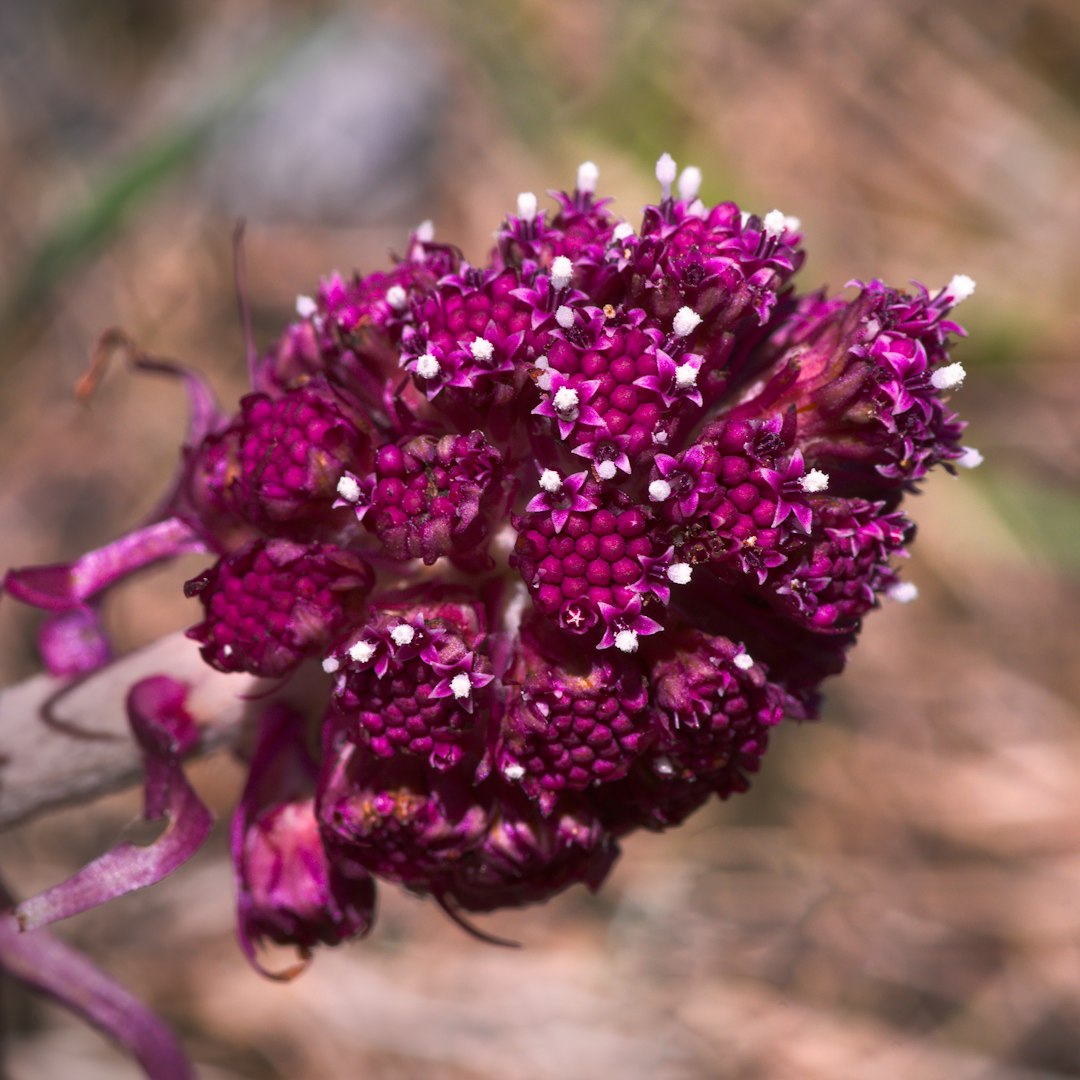
Common Milkweed (Asclepias syriaca) is a perennial native wildflower. Hardy in USDA zones 3 to 9. Prefers full sun.
Coral Bells
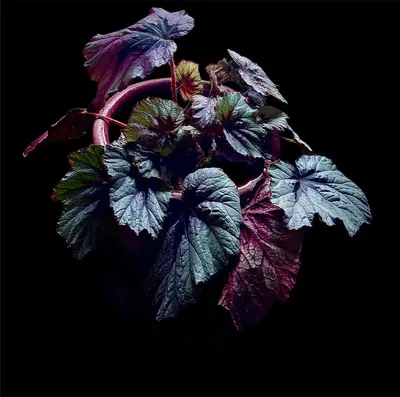
Native coral bells offer delicate clouds of tiny white or pink flowers dancing above beautiful mounds of scalloped leaves that change colors with the seasons. This versatile perennial bridges the gap between wildflower and cultivated garden, equally at home in formal borders or naturalized woodland settings. Its long-lasting foliage provides four-season interest while the airy flower stems attract bees and other beneficial pollinators.
Cup Plant
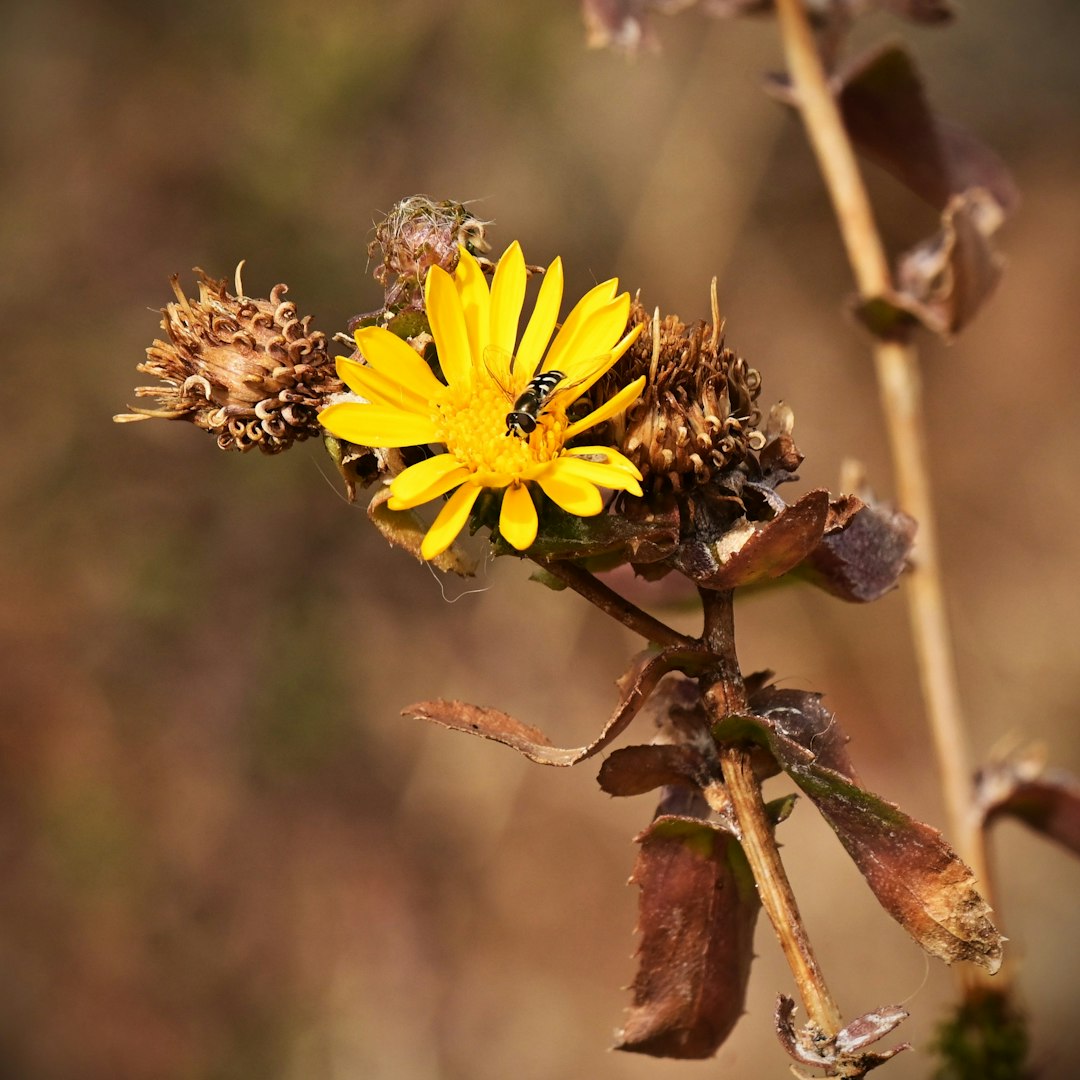
Cup Plant (Silphium perfoliatum) is a perennial native wildflower. Hardy in USDA zones 3 to 9. Prefers full sun.
Cutleaf Coneflower
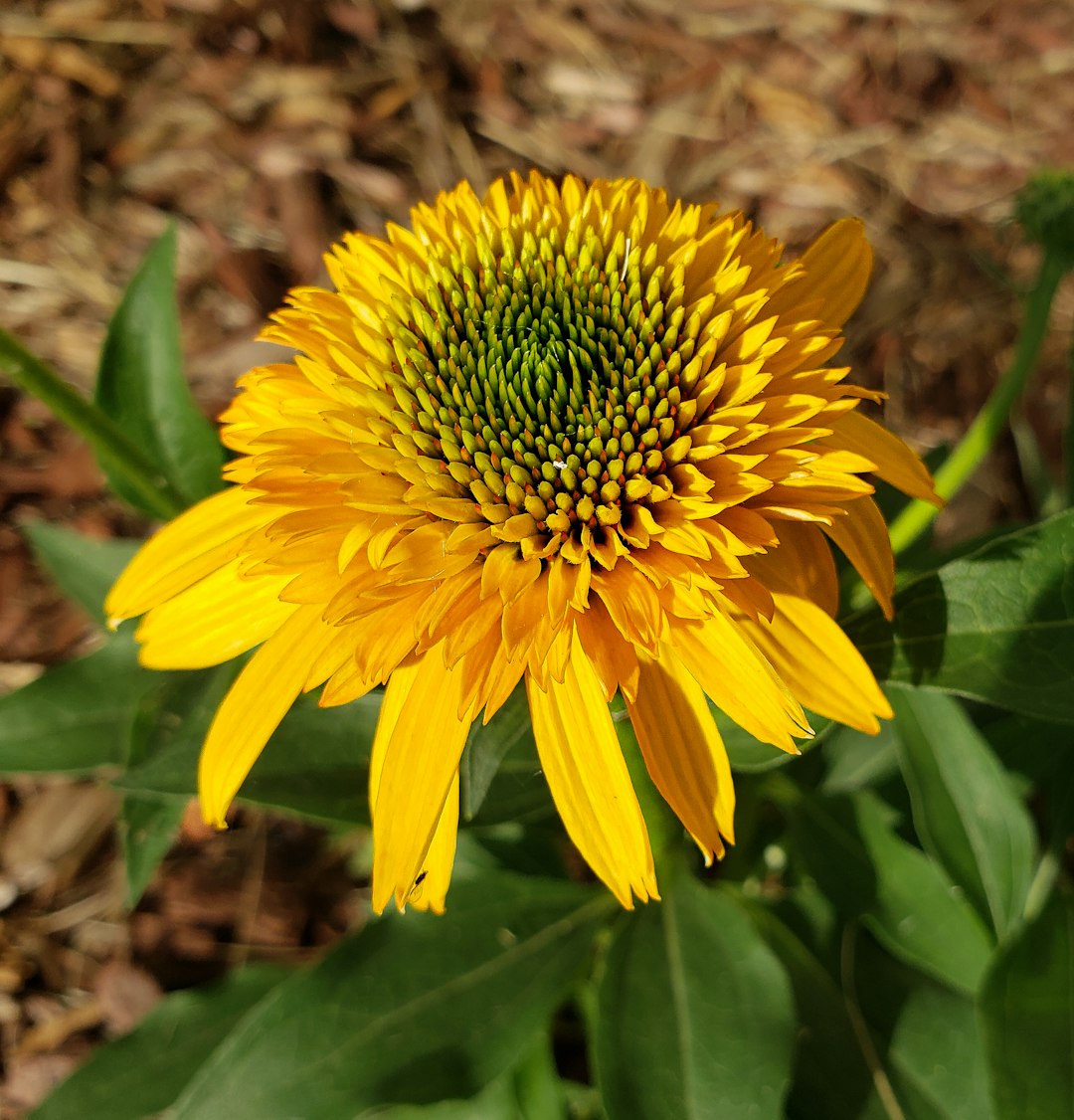
Cutleaf Coneflower (Rudbeckia laciniata) is a perennial native wildflower. Hardy in USDA zones 3 to 9.
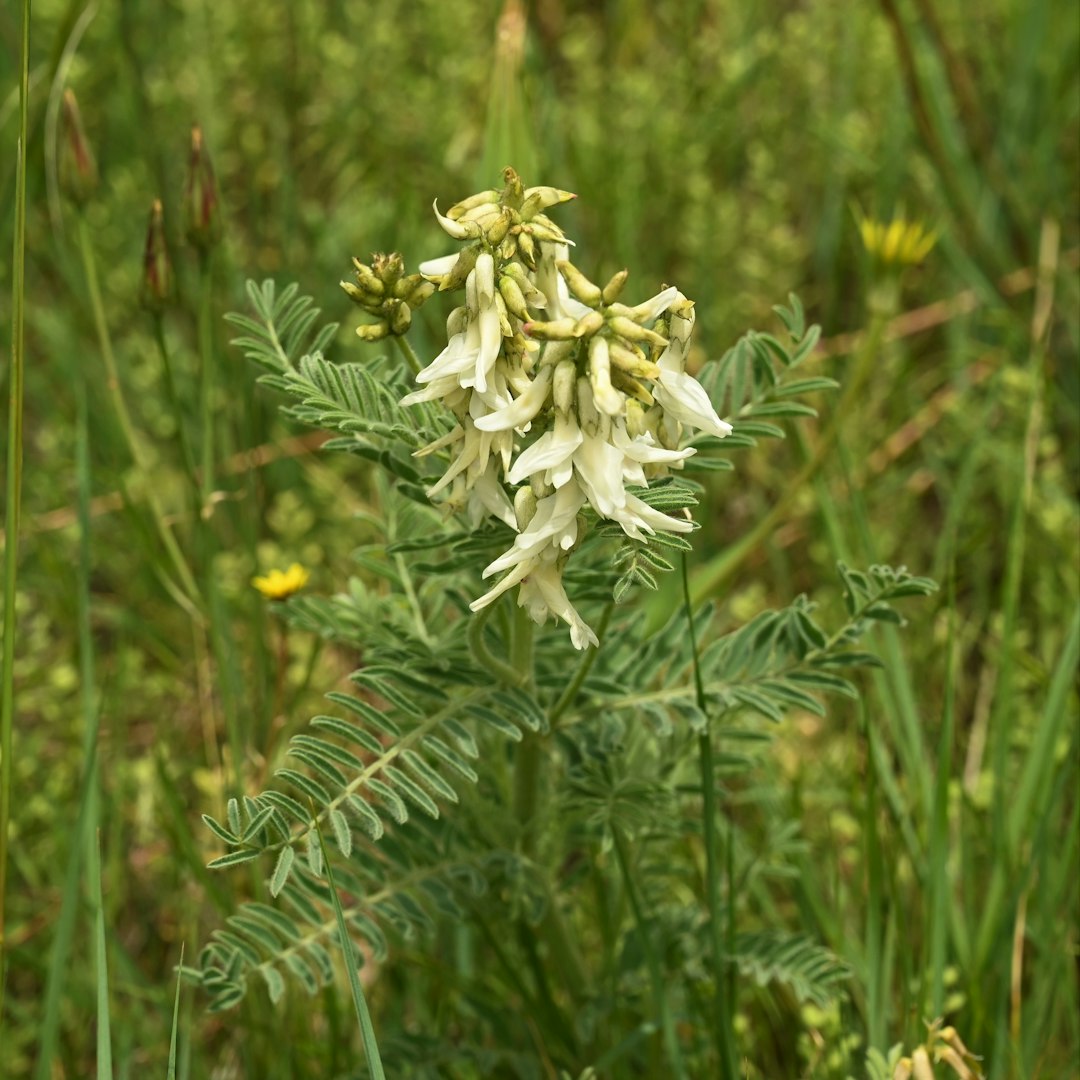
Dutchman's Breeches
Dutchman's Breeches (Dicentra cucullaria) is a perennial native wildflower. Hardy in USDA zones 3 to 7. Prefers part sun.
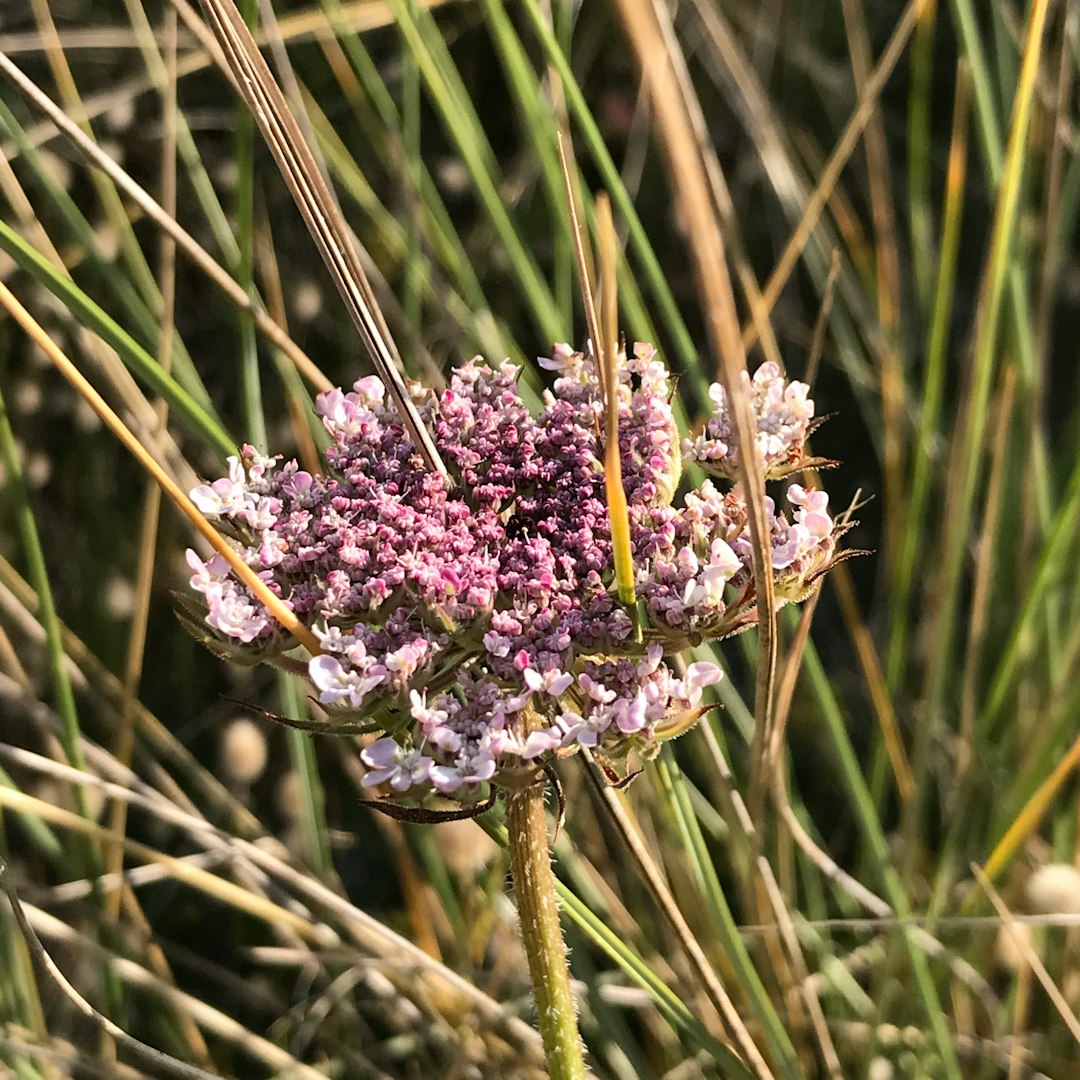
Foamflower
Foamflower (Tiarella cordifolia) is a perennial native wildflower. Hardy in USDA zones 3 to 8.
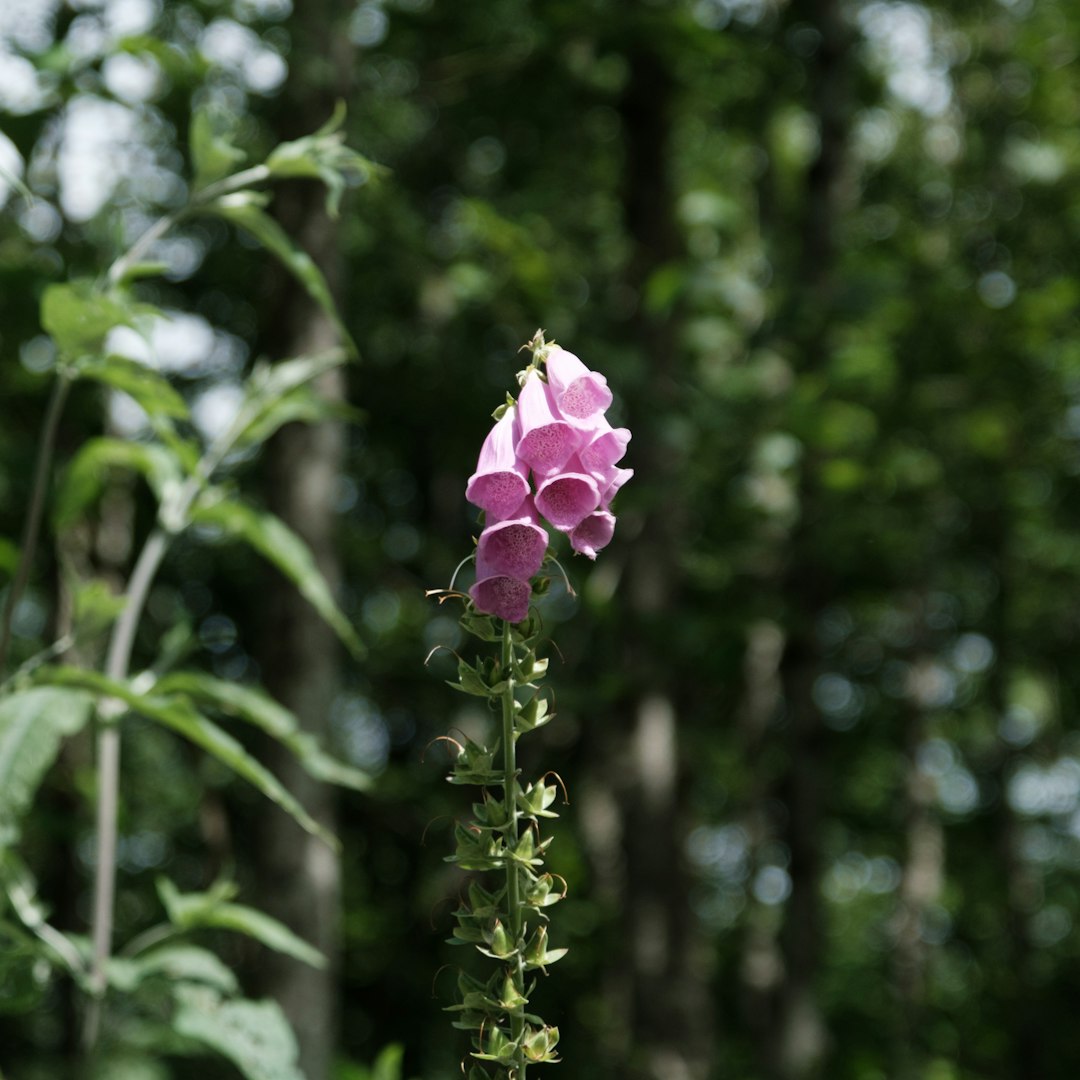
Foxglove Beardtongue
Foxglove Beardtongue (Penstemon digitalis) is a perennial native wildflower. Hardy in USDA zones 3 to 8.
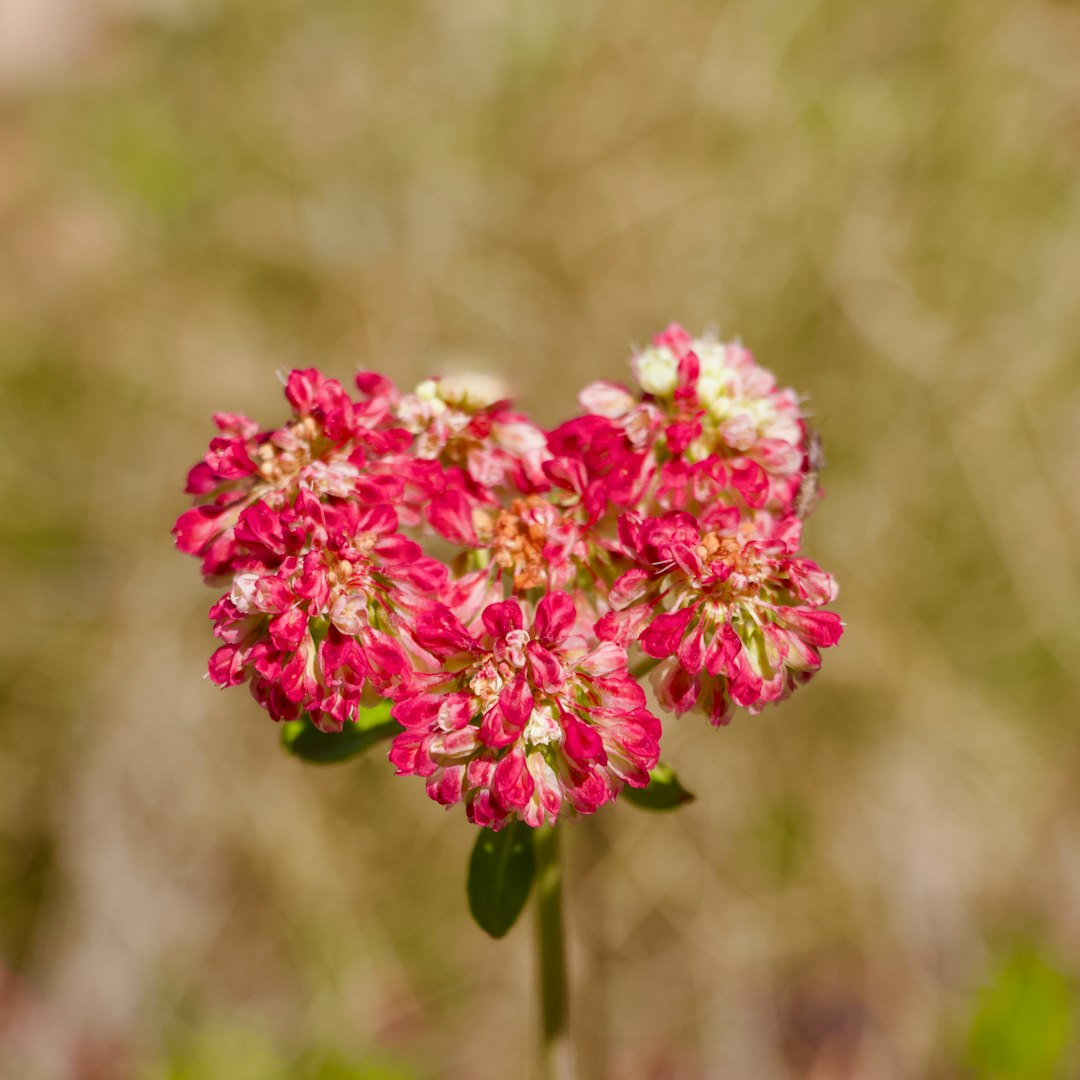
Fringed Bleeding Heart
Fringed Bleeding Heart (Dicentra eximia) is a perennial native wildflower. Hardy in USDA zones 3 to 9. Prefers part sun.
Golden Alexander
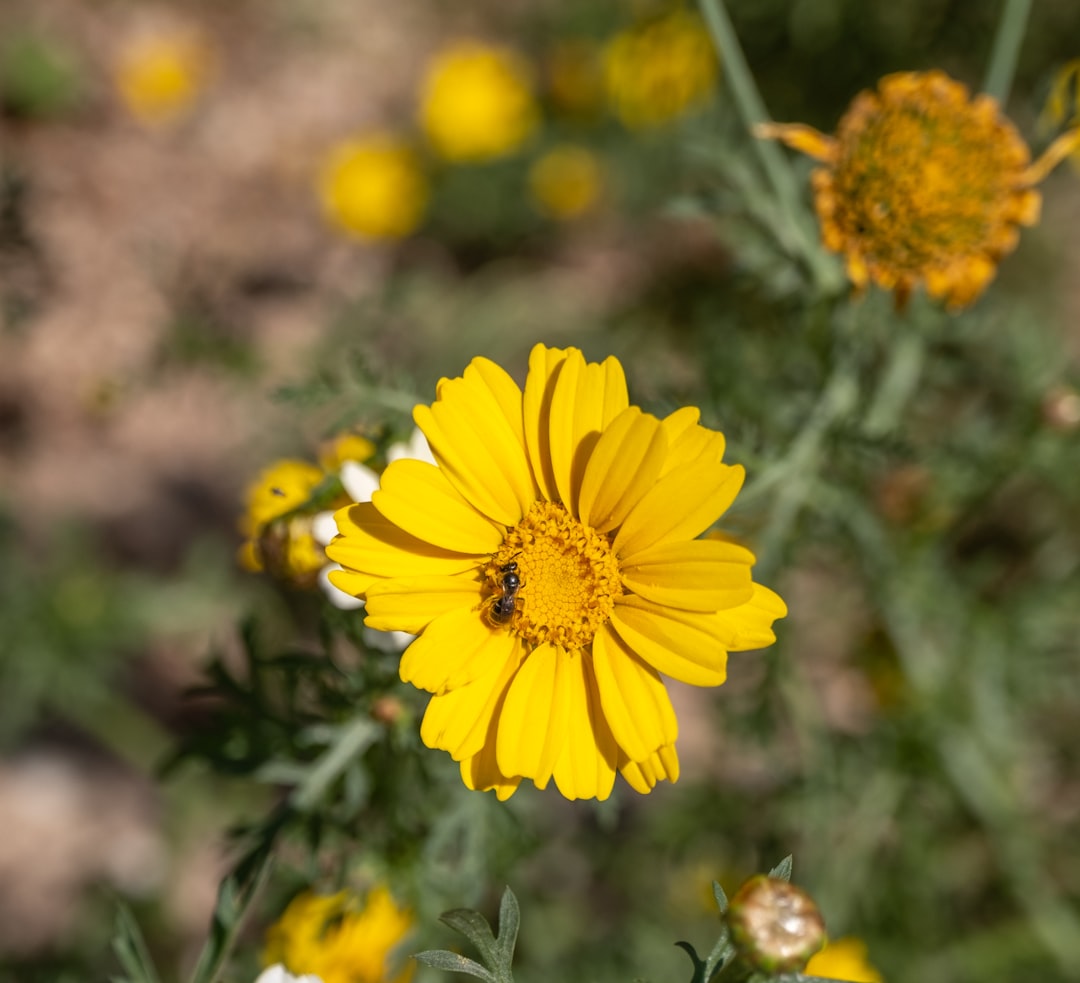
Golden Alexander (Zizia aurea) is a perennial native wildflower. Hardy in USDA zones 3 to 8.
Gray Goldenrod
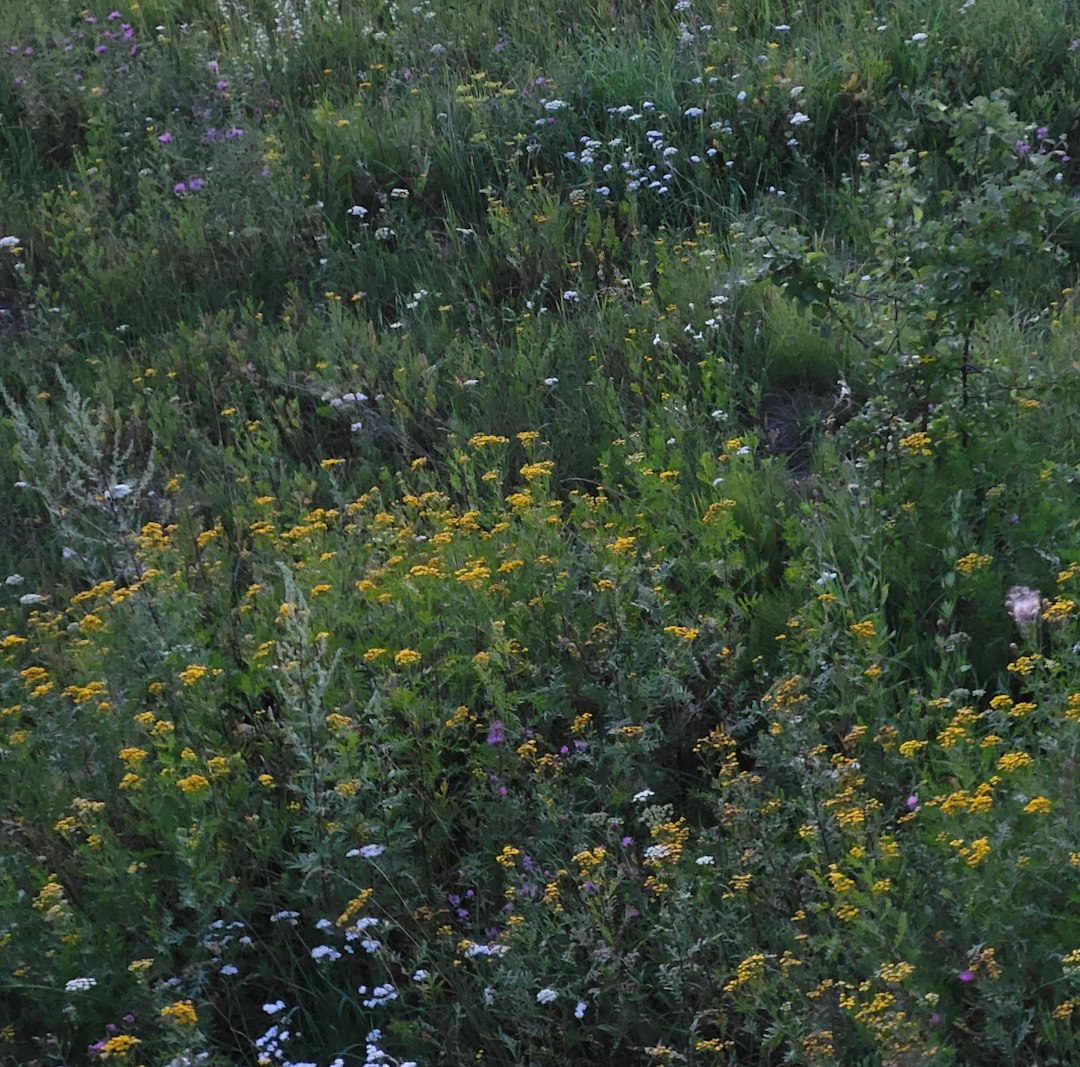
Gray Goldenrod (Solidago nemoralis) is a perennial native wildflower. Hardy in USDA zones 3 to 9.
Gray-Headed Coneflower
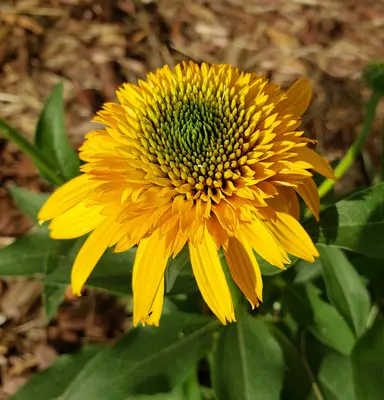
Gray-Headed Coneflower (Ratibida pinnata) is a perennial native wildflower. Hardy in USDA zones 3 to 8.
Great Blue Lobelia
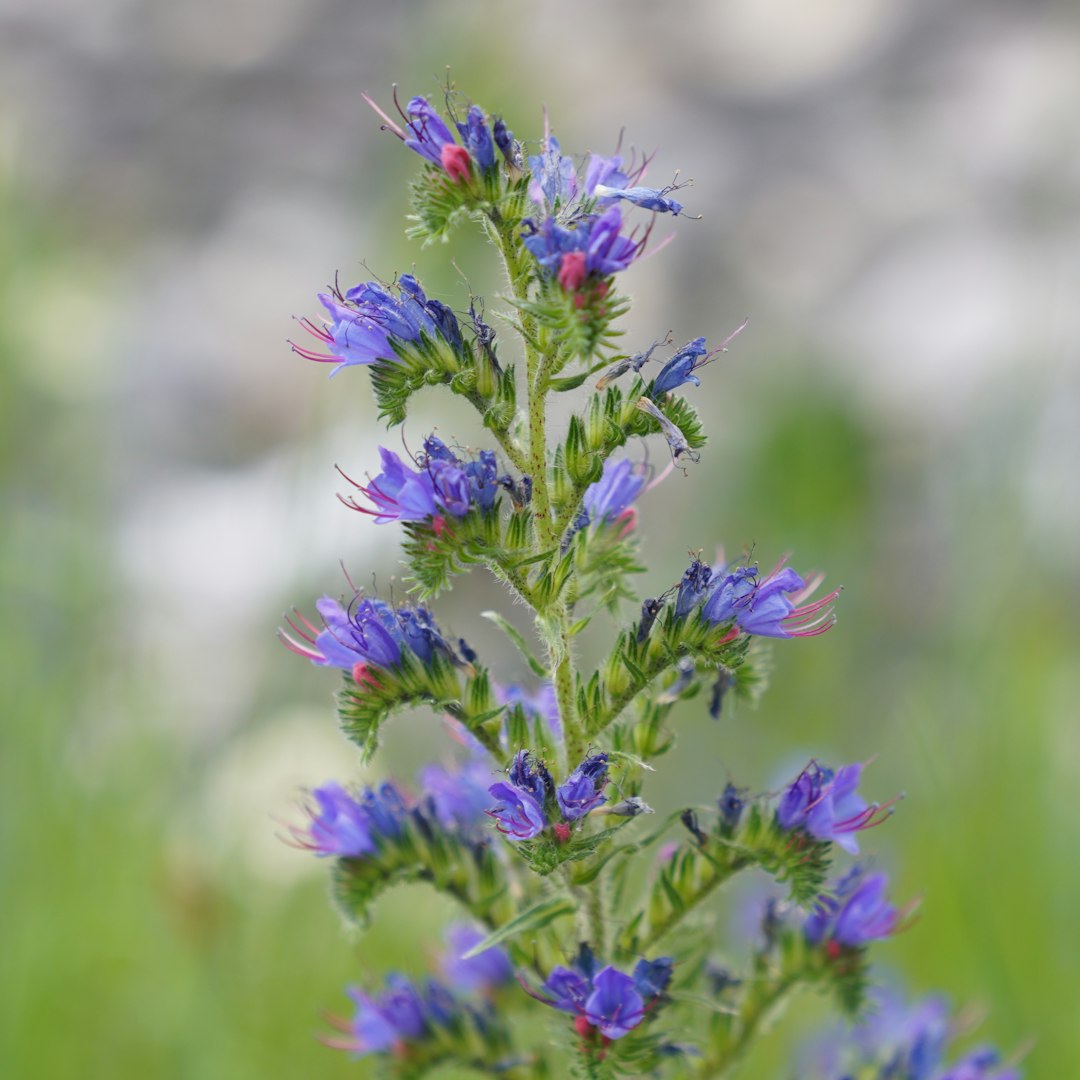
Great Blue Lobelia (Lobelia siphilitica) is a perennial native wildflower. Hardy in USDA zones 4 to 9. Prefers full sun.
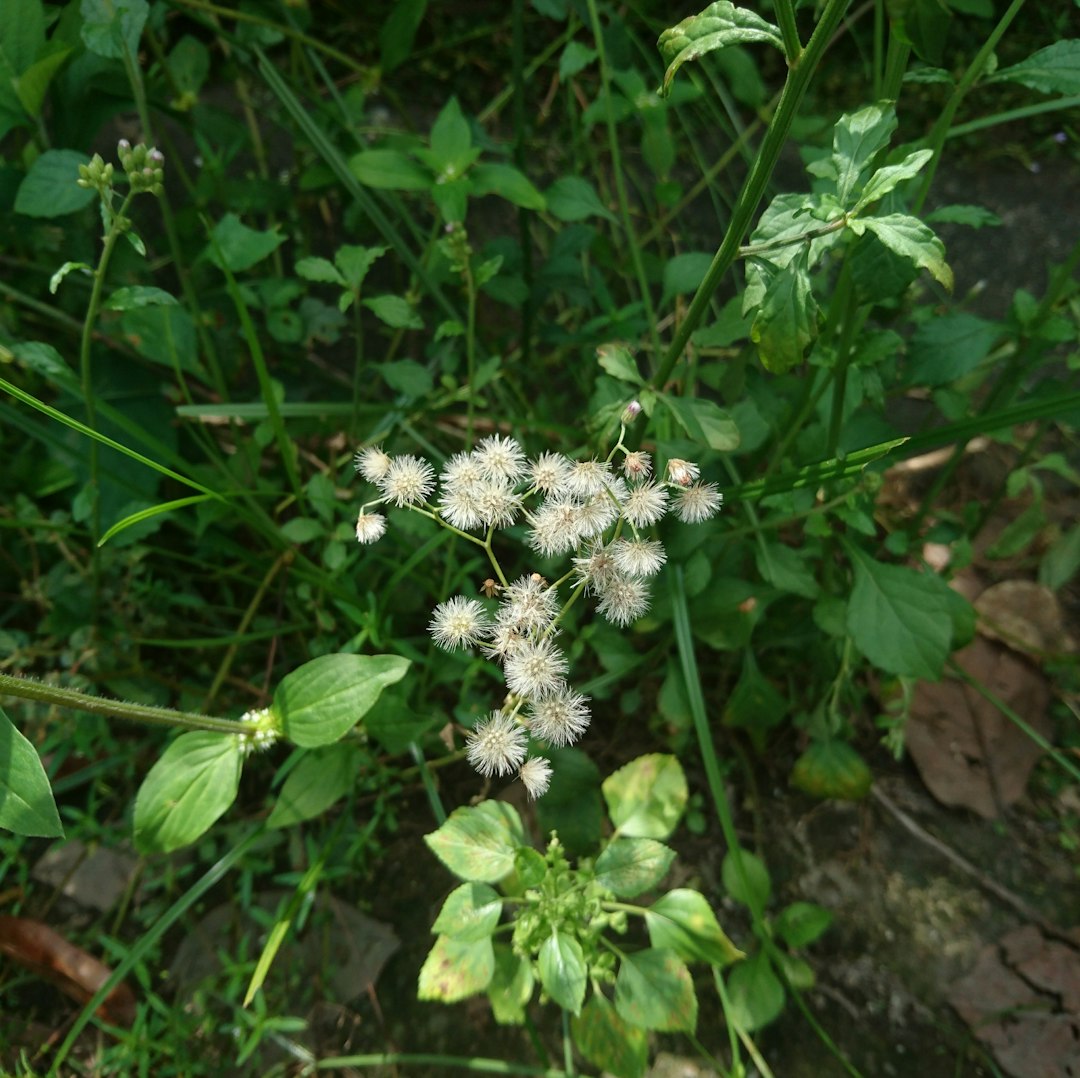
Hairy Alumroot
Hairy Alumroot (Heuchera villosa) is a perennial native wildflower. Hardy in USDA zones 3 to 8.
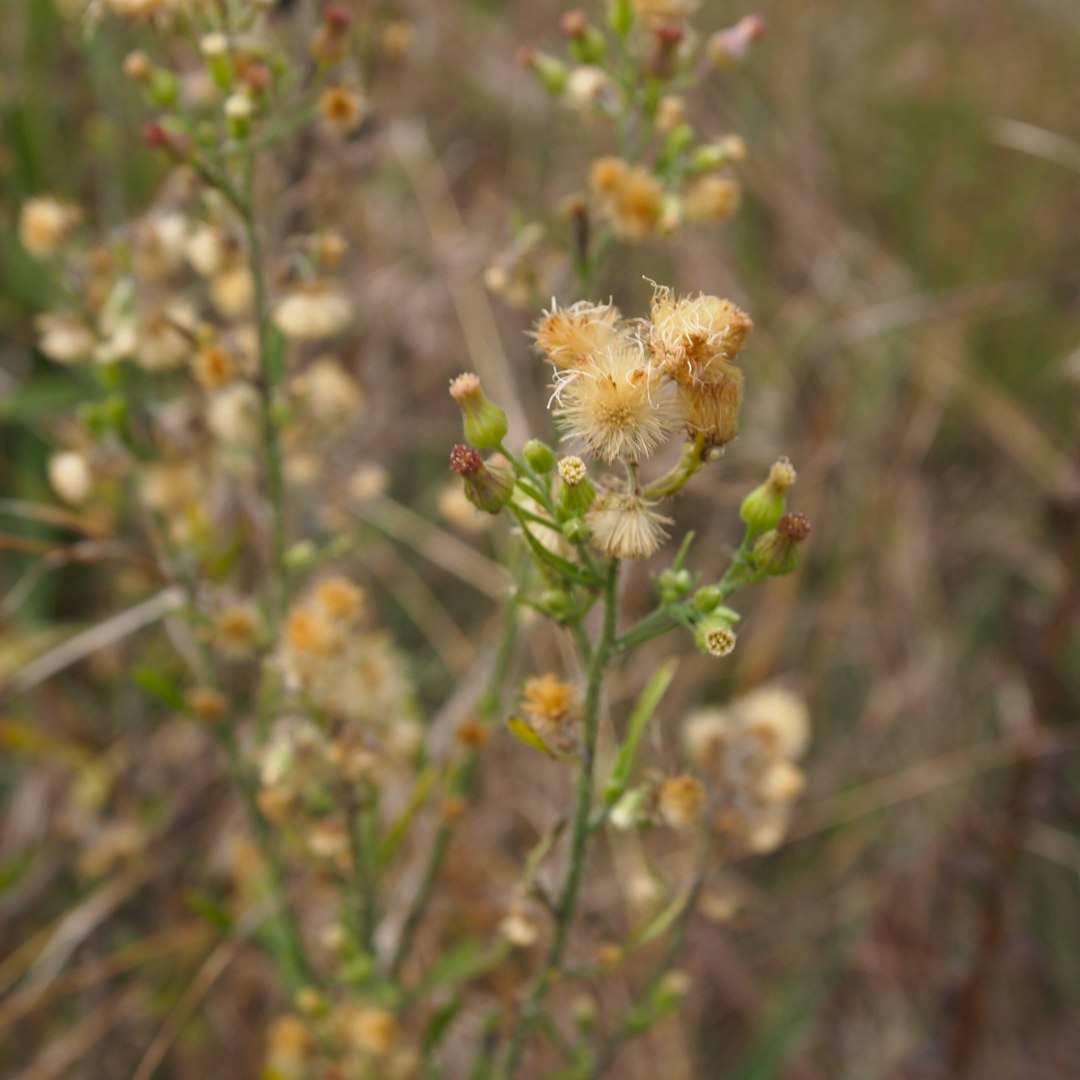
Hairy Beardtongue
Hairy Beardtongue (Penstemon hirsutus) is a perennial native wildflower. Hardy in USDA zones 3 to 9. Prefers full sun.
Hollow Joe-Pye Weed
Hollow Joe-Pye Weed (Eutrochium fistulosum) is a perennial native wildflower. Hardy in USDA zones 4 to 8.
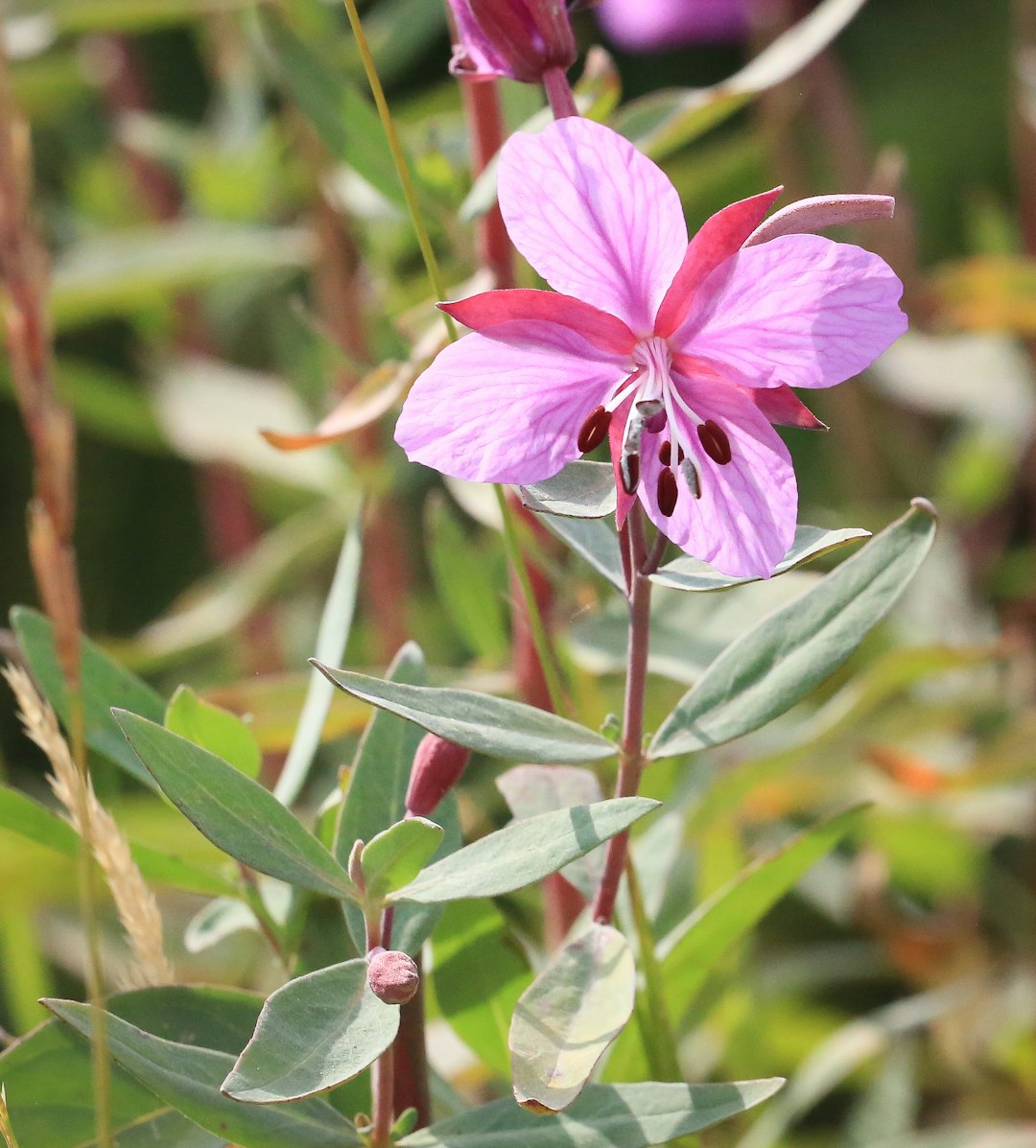
Indian Pink
Indian Pink (Spigelia marilandica) is a perennial native wildflower. Hardy in USDA zones 5 to 9. Prefers part sun.
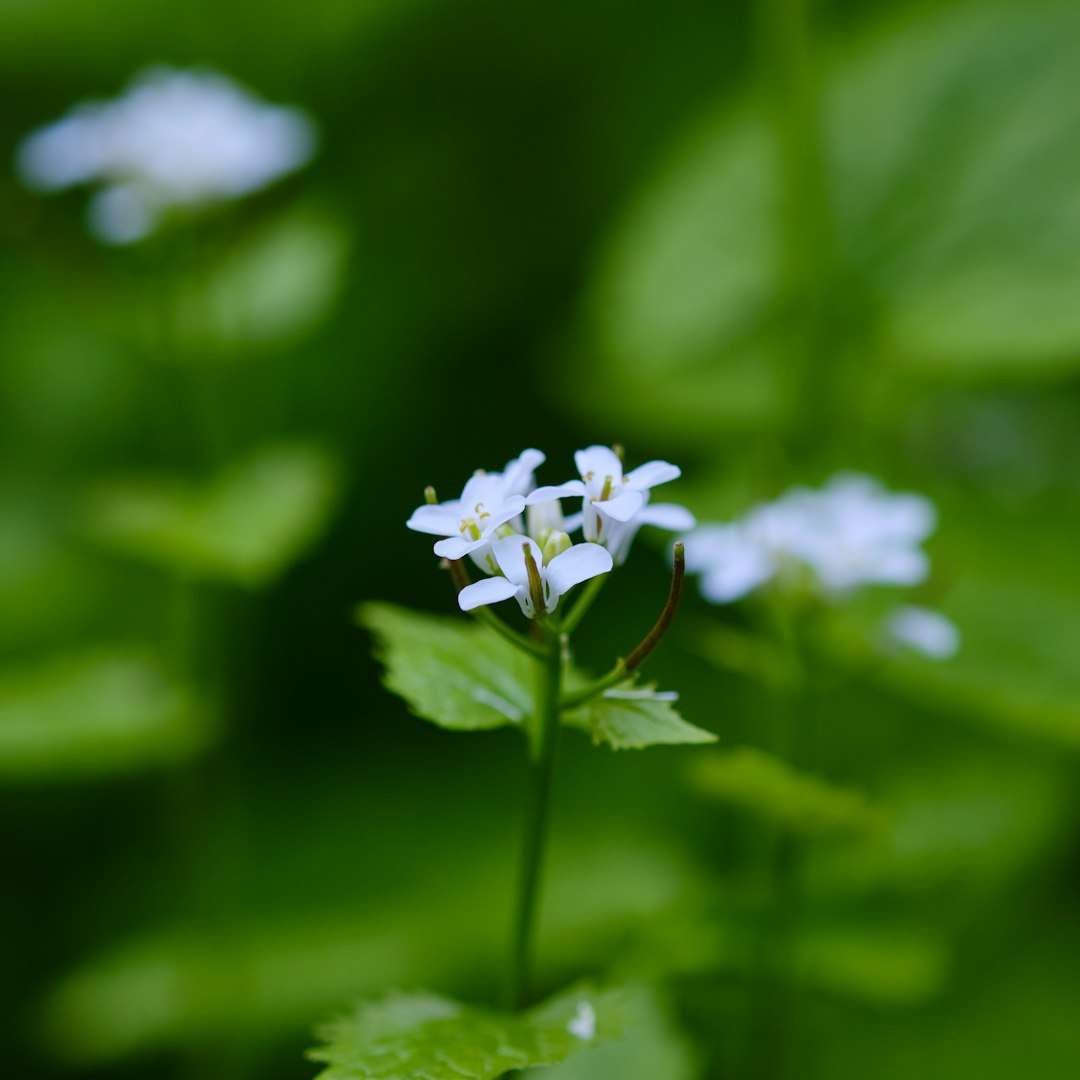
Jacob's Ladder
Jacob's Ladder (Polemonium reptans) is a perennial native wildflower. Hardy in USDA zones 3 to 8. Prefers full sun.
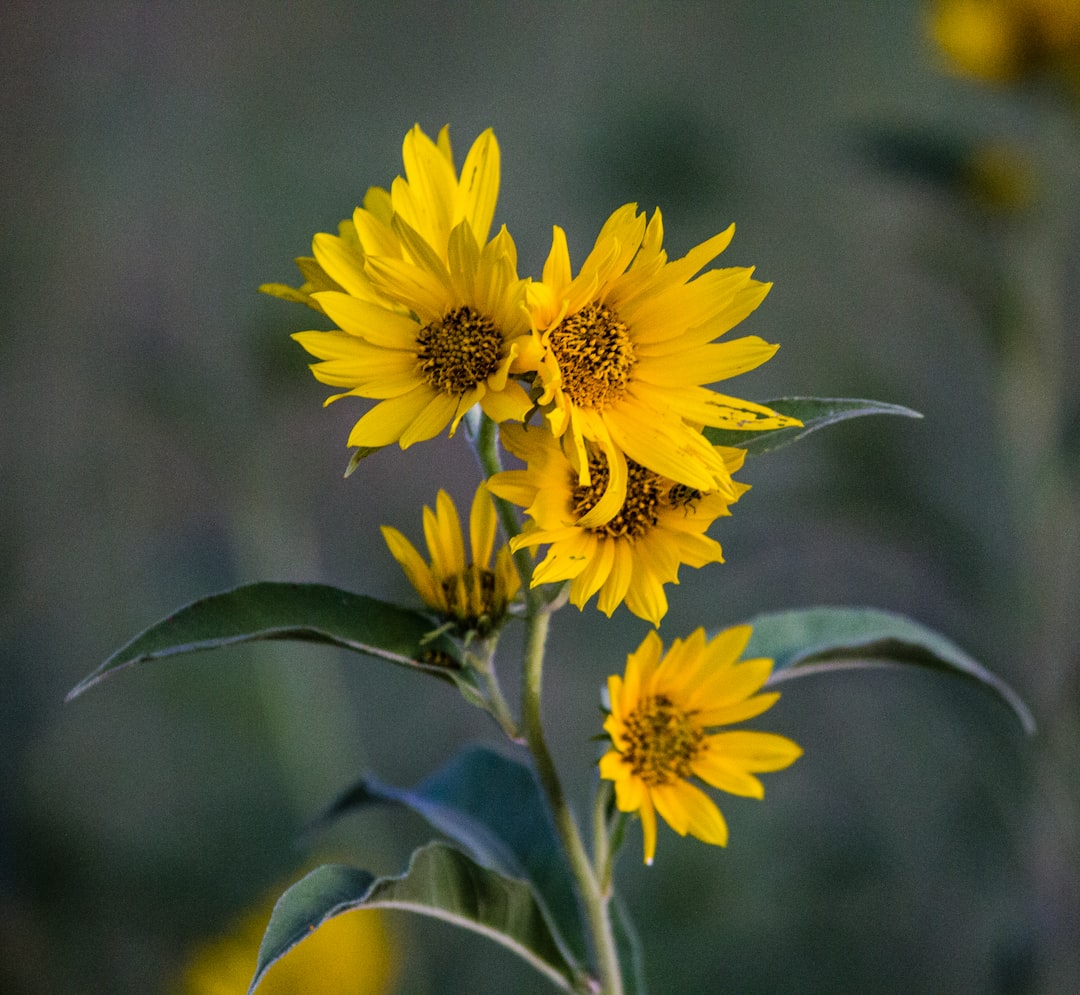
Jerusalem Artichoke
Jerusalem Artichoke (Helianthus tuberosus) is a perennial native wildflower. Hardy in USDA zones 3 to 9.
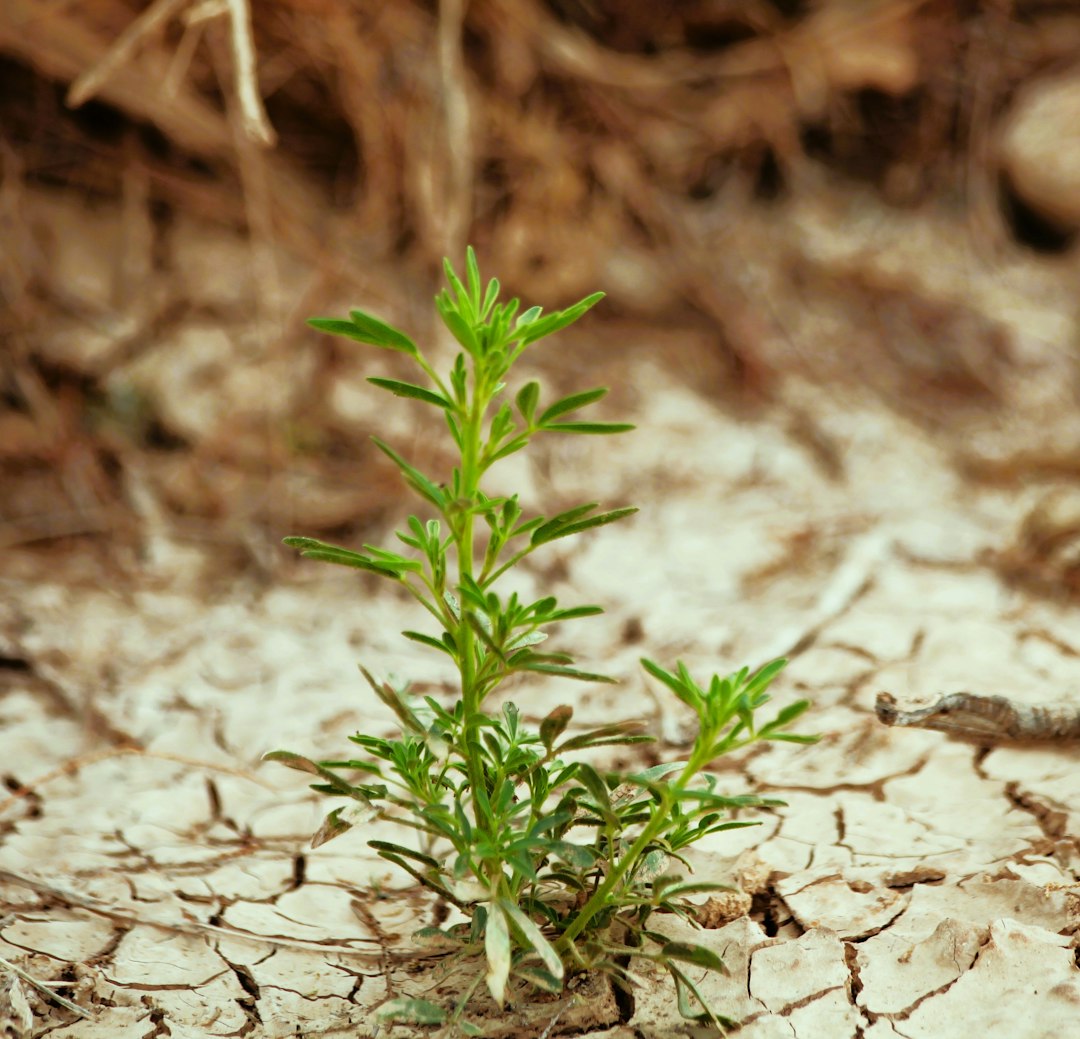
Joe-Pye Weed
Joe-Pye Weed (Eutrochium purpureum) is a perennial native wildflower. Hardy in USDA zones 4 to 9.
Lanceleaf Coreopsis
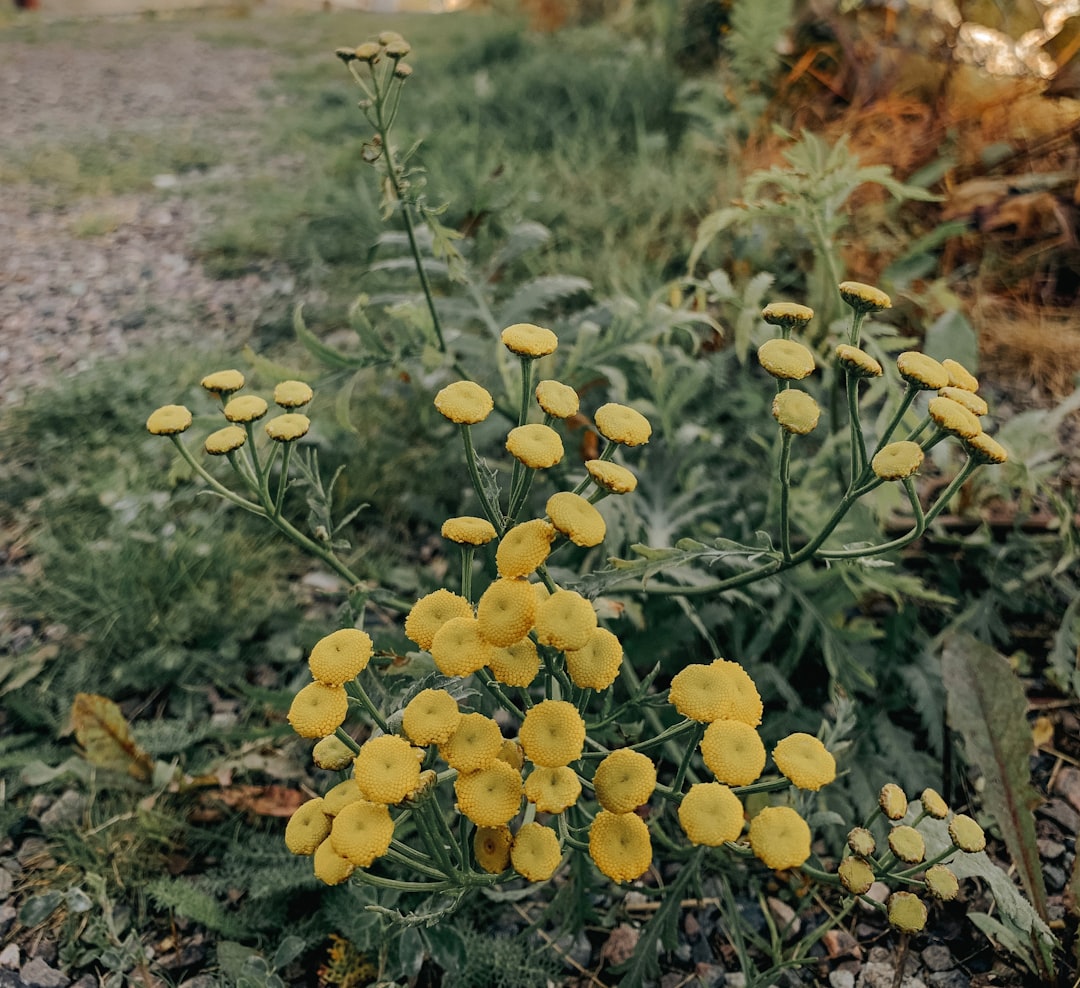
This cheerful native perennial produces masses of bright yellow daisy-like flowers with distinctive notched petals from spring through fall. Lanceleaf coreopsis is incredibly easy to grow and drought tolerant, making it perfect for beginner gardeners and low-maintenance landscapes. Its long blooming period and excellent cut flower qualities have made it a staple in cottage gardens and prairie restorations.
Large-Flowered Tickseed
Large-Flowered Tickseed (Coreopsis grandiflora) is a perennial native wildflower. Hardy in USDA zones 4 to 9.
Large-Flowered Trillium
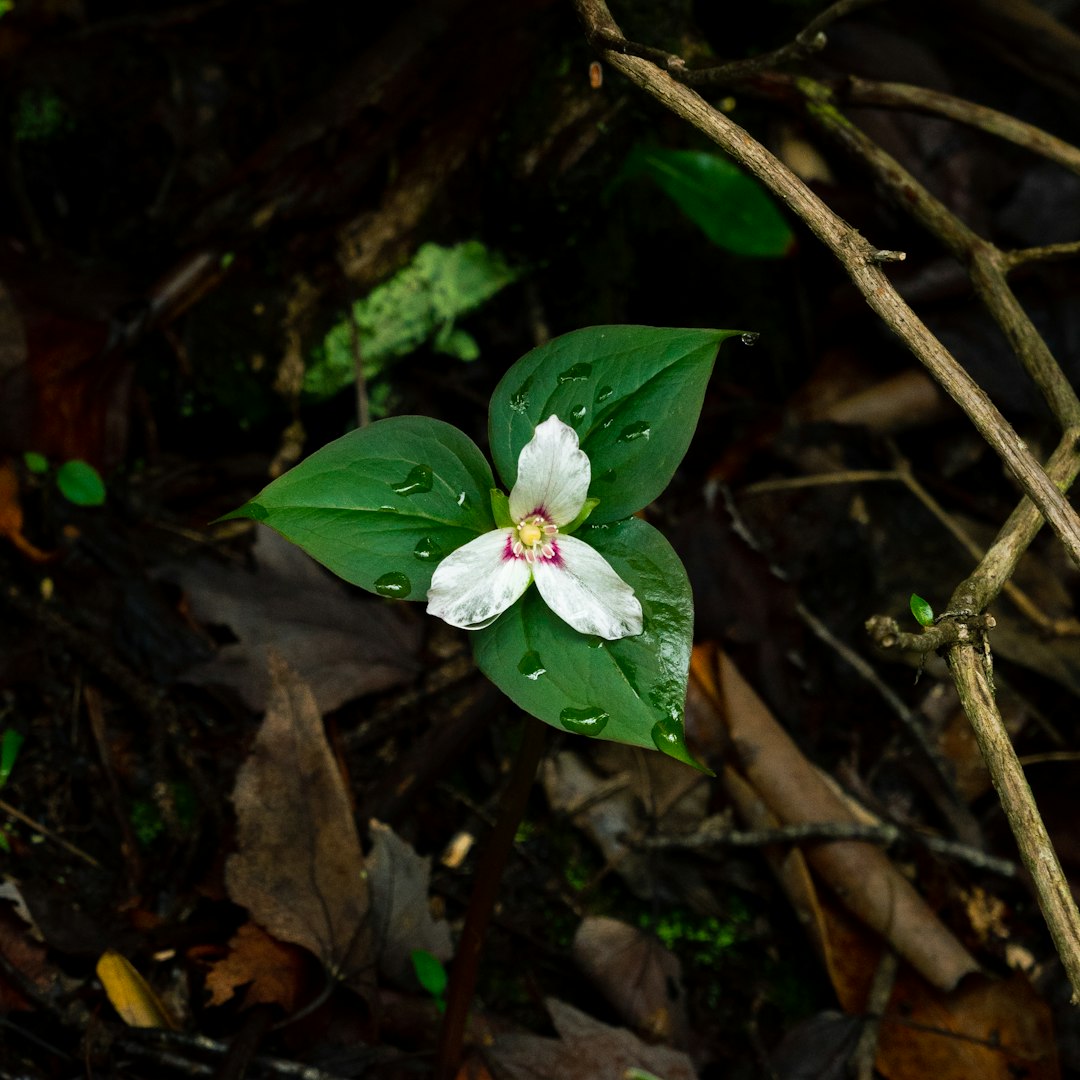
Large-Flowered Trillium (Trillium grandiflorum) is a perennial native wildflower. Hardy in USDA zones 4 to 8. Prefers part sun.
Lemon Mint
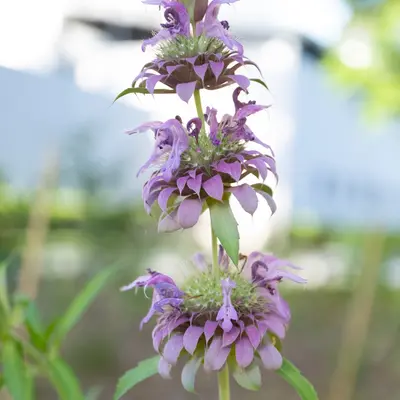
Towers of bright lavender 1 1/2-2" blooms on straight and thin, yet sturdy stems. An unusual and easy-to-use cut flower. The blooms and leaves are edible, though the leaves are intensely spicy. Native to the US. Also known as lemon bee balm, purple horsemint, and lemon mint. Edible Flowers: Add petals to salads, sprinkle over mild fish, use in fruit salads, or to garnish desserts and drinks. Flavor is minty and spicy. Leaves are used to flavor salads, cooked foods, and tea. Attracts Beneficial Insects: Nectar plant for bees, butterflies, and hummingbirds.
Mayapple
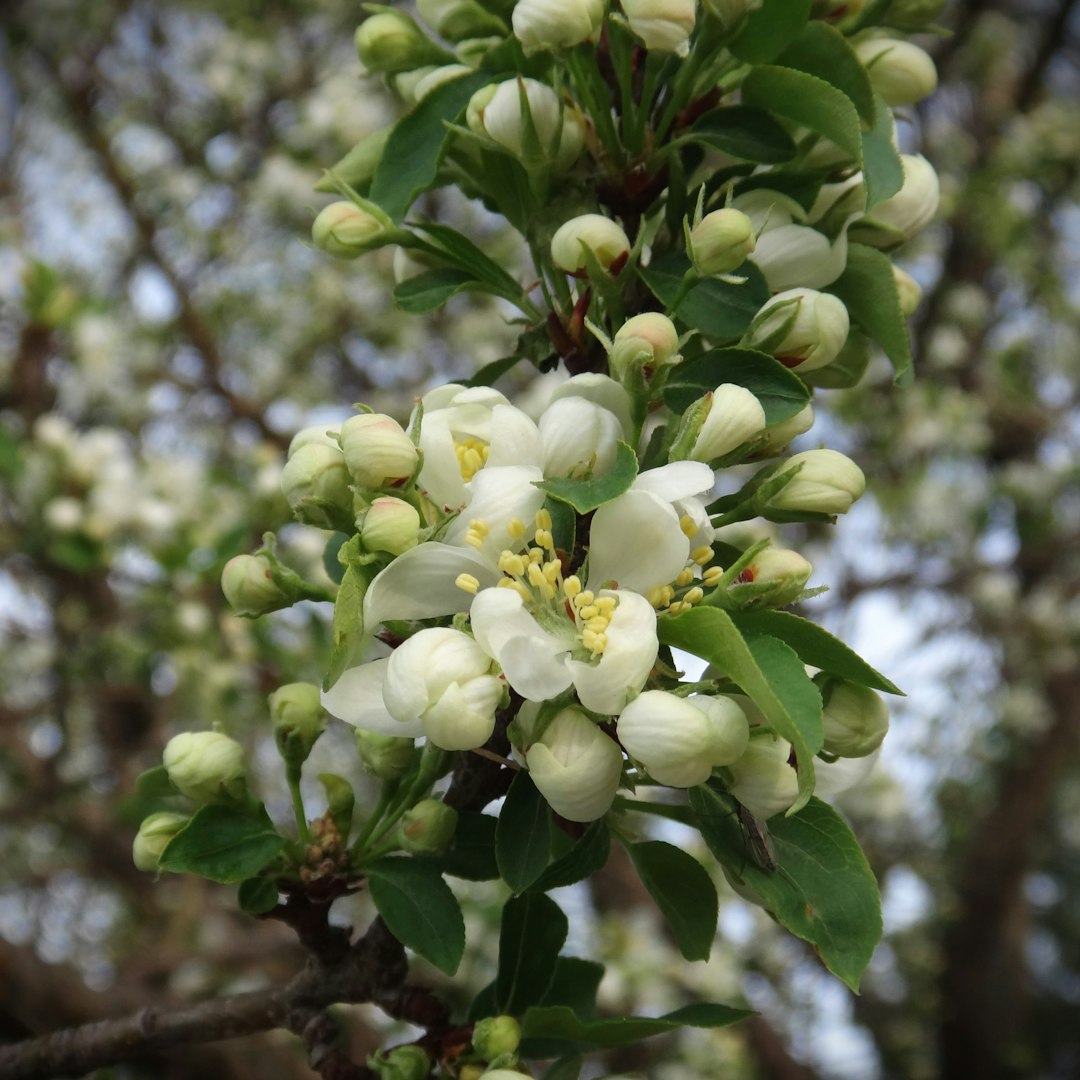
Mayapple (Podophyllum peltatum) is a perennial native wildflower. Hardy in USDA zones 3 to 8. Prefers part sun.
Mexican Hat
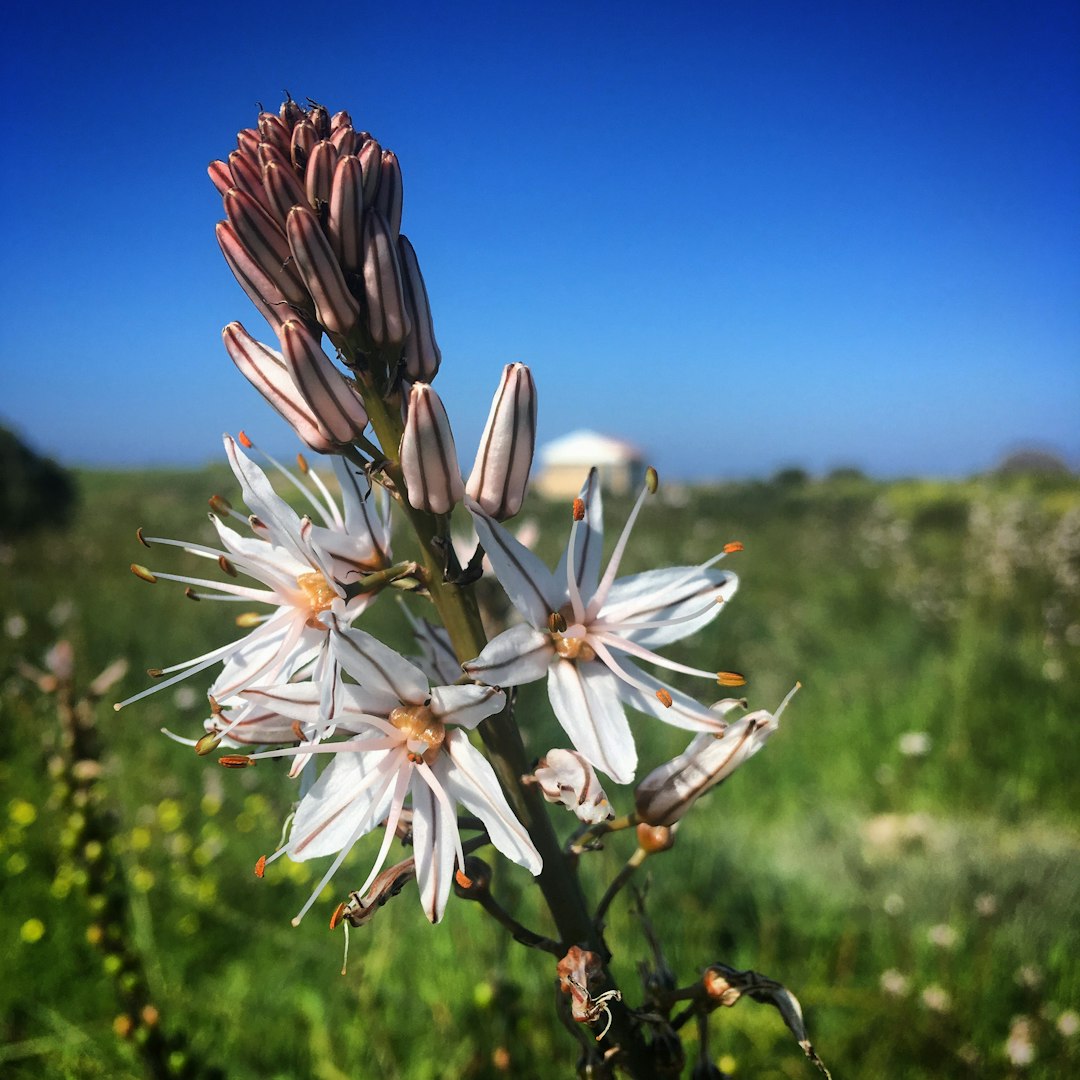
Mexican Hat (Ratibida columnifera) is a perennial native wildflower. Hardy in USDA zones 4 to 9. Prefers full sun.
Milkmaid
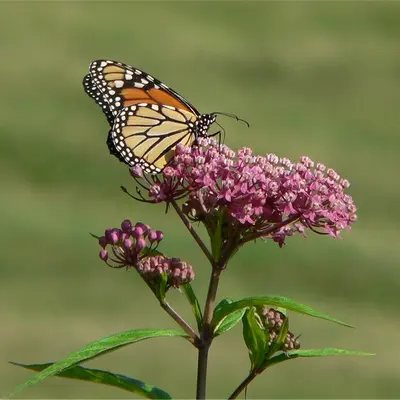
Clusters of creamy white florets on sturdy stems. Attractive lance-shaped leaves. Use for cut flowers and garden beds. Flowers late in the summer of the first year. Tall plants and sturdy stems are highly uniform. Attracts butterflies and hummingbirds. Larval host for monarch butterflies. Native to North America. Also known as swamp milkweed. Perennial in Zones 3-8.
Narrow-Leaved Mountain Mint
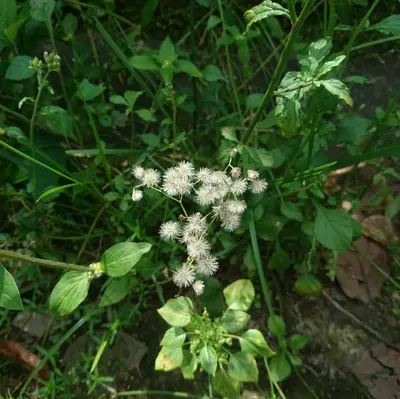
Narrow-Leaved Mountain Mint (Pycnanthemum tenuifolium) is a perennial native wildflower. Hardy in USDA zones 4 to 8. Prefers full sun.
New England Aster
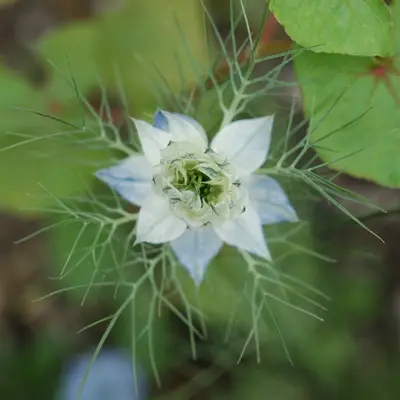
The crown jewel of fall-blooming wildflowers, this spectacular native transforms into clouds of tiny purple flowers just when most gardens are winding down. Essential for monarch butterfly migration and beloved by over 100 native bee species, it provides crucial late-season nectar when little else is blooming. The impressive 3-6 foot tall plants create dramatic backdrops and naturalize beautifully in wildflower meadows.
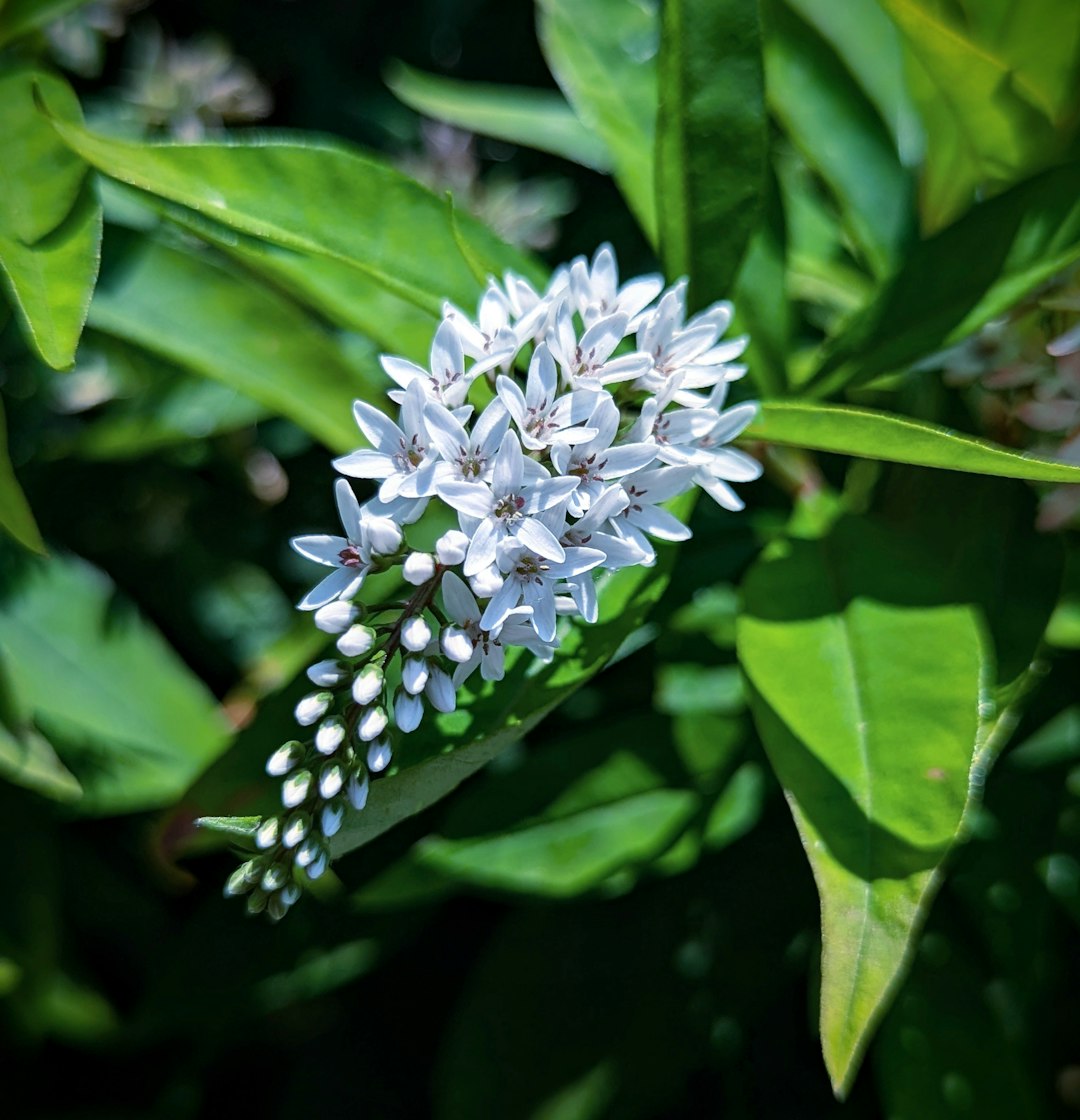
New York Aster
New York Aster (Symphyotrichum novi-belgii) is a perennial native wildflower. Hardy in USDA zones 4 to 8.
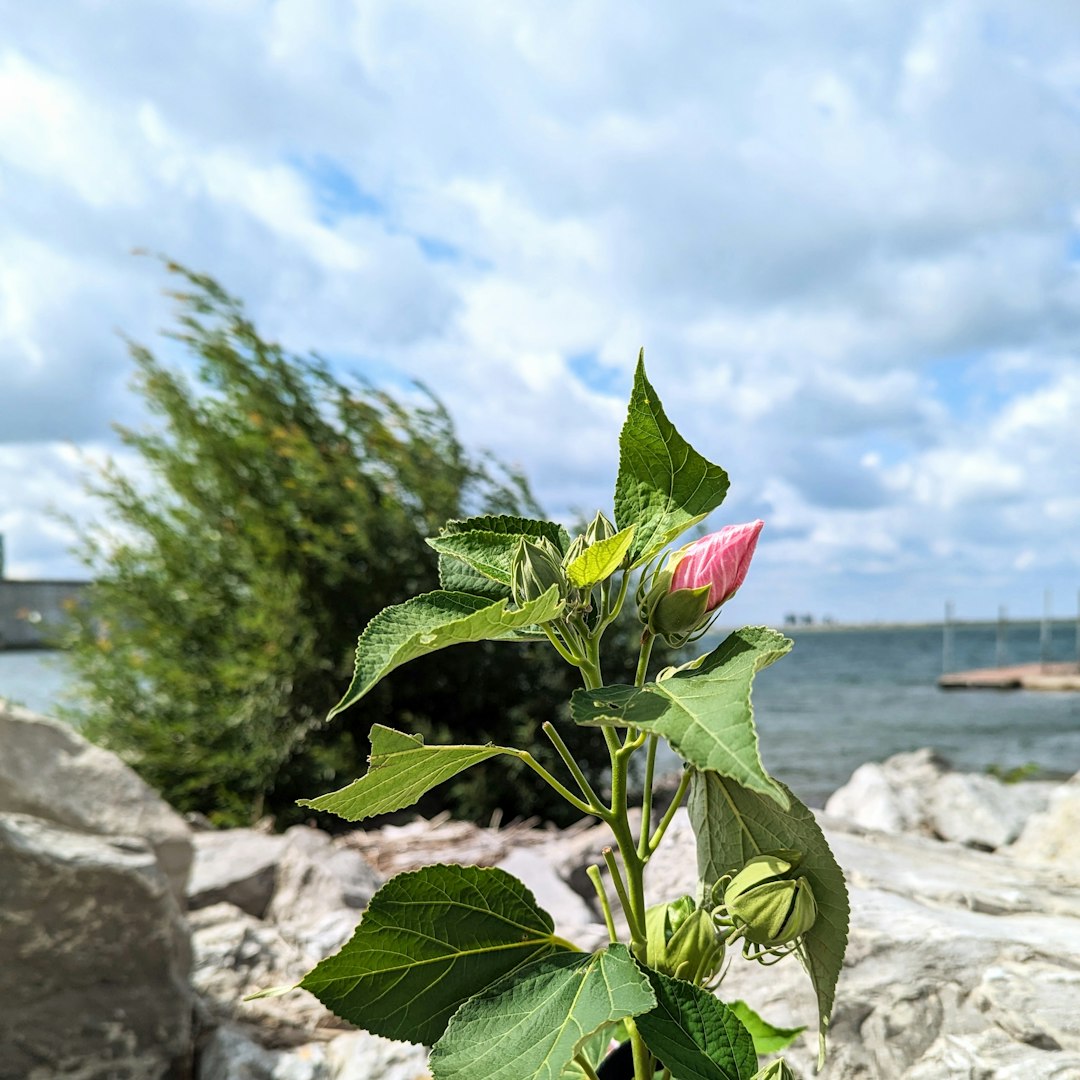
New York Ironweed
New York Ironweed (Vernonia noveboracensis) is a perennial native wildflower. Hardy in USDA zones 5 to 9. Prefers full sun.
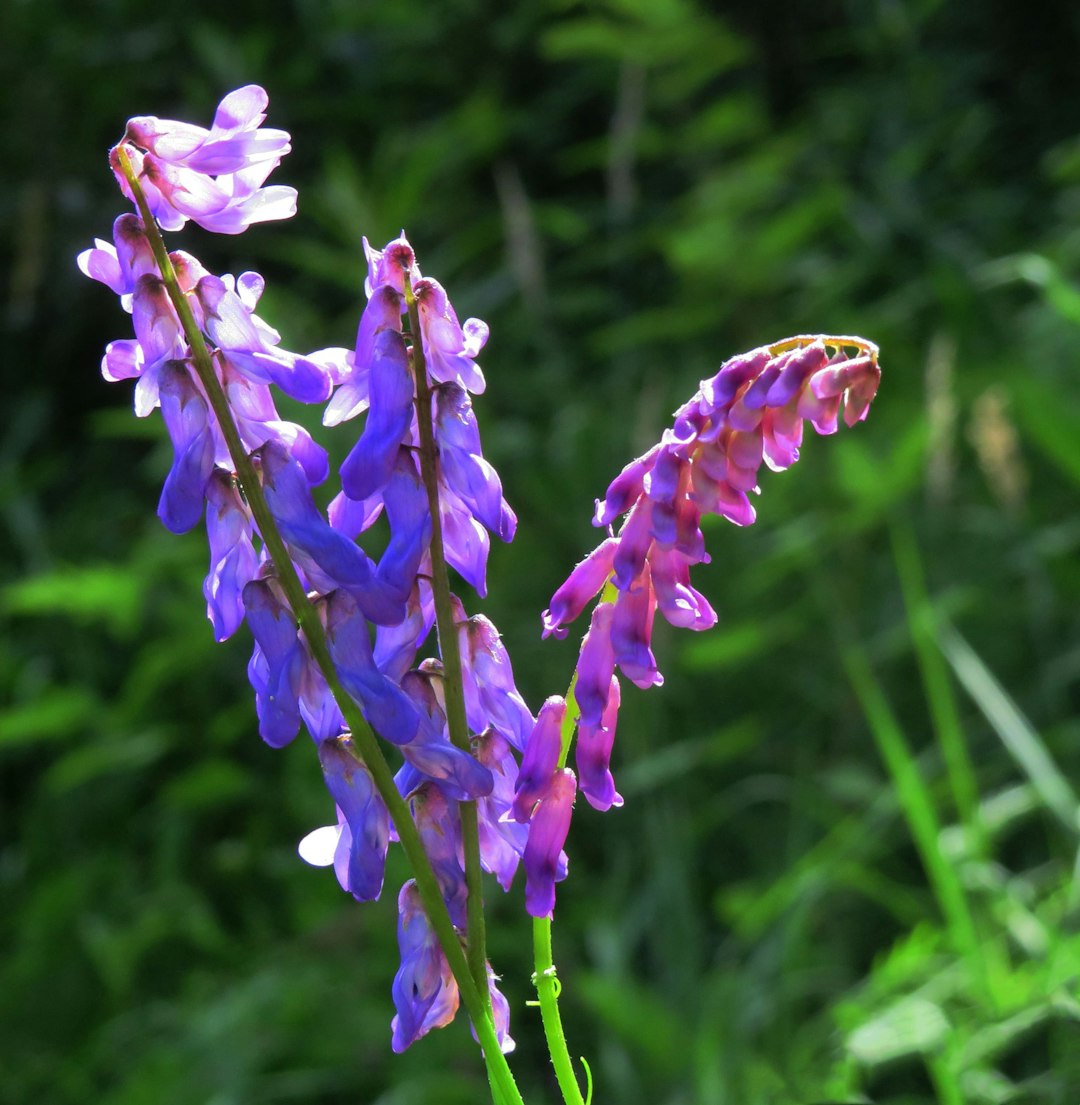
Obedient Plant
Obedient Plant (Physostegia virginiana) is a perennial native wildflower. Hardy in USDA zones 2 to 9. Prefers full sun.
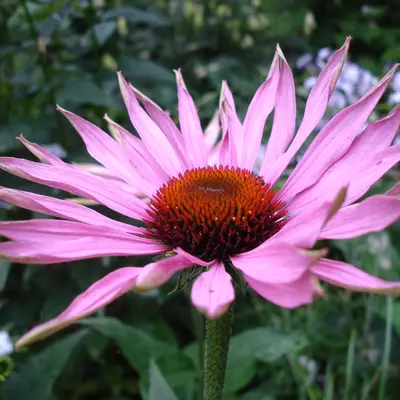
Paradiso Tall Mix
3-4" wide blooms in shades of magenta, cream, yellow, white, and orange can be used as casual cut-flowers, high-impact landscaping, or for perennial beds. Compared to Cheyenne Spirit, Paradiso Tall Mix has taller plants and a wider color range, including some softer hues such as white and cream. Attracts and is a food source for bees and other pollinators. Perennial in Zones 3-8.
Partridge Pea
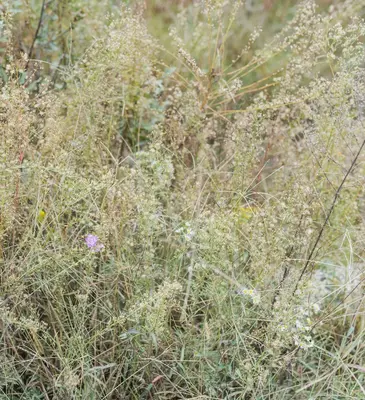
A delightful annual legume that produces bright yellow flowers with distinctive red-spotted petals throughout summer and fall. This native prairie plant fixes nitrogen in the soil while attracting beneficial insects and providing seeds for quail and other wildlife. The sensitive compound leaves fold when touched, adding an interactive element that children love.
Partridgeberry
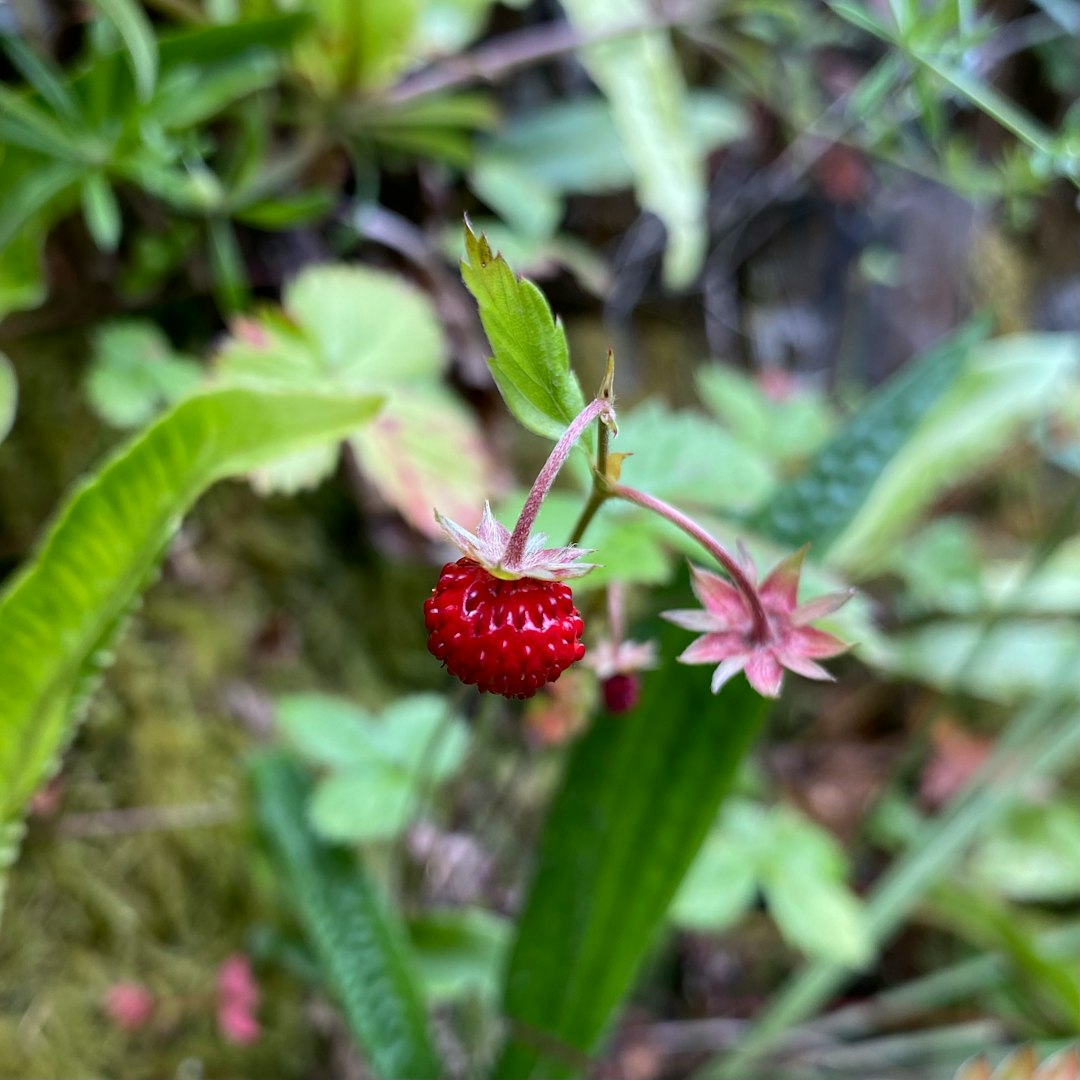
Partridgeberry (Mitchella repens) is a perennial native wildflower. Hardy in USDA zones 3 to 8. Prefers full sun.
Pink Turtlehead
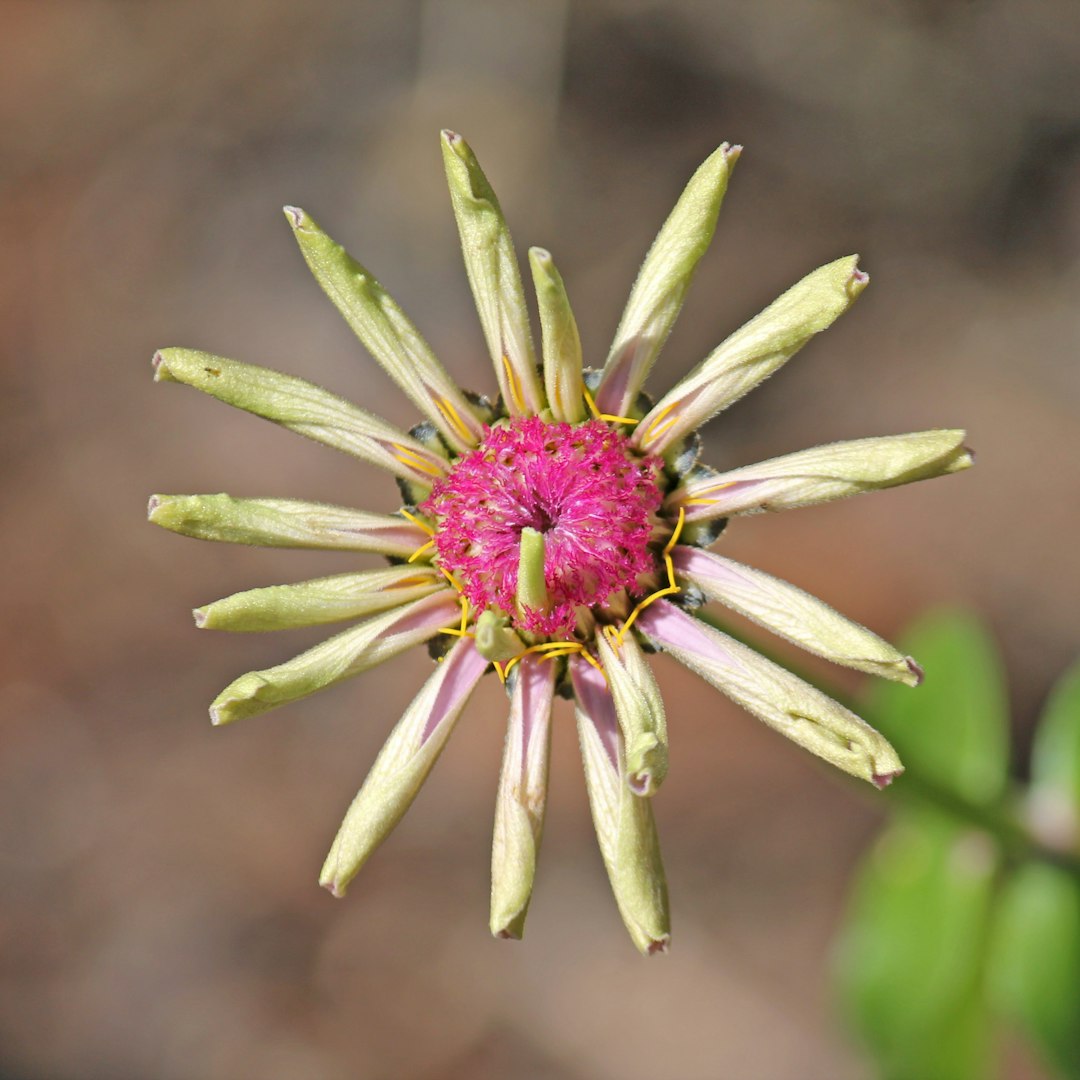
Pink Turtlehead (Chelone lyonii) is a perennial native wildflower. Hardy in USDA zones 3 to 8. Prefers full sun.
Prairie Blazingstar
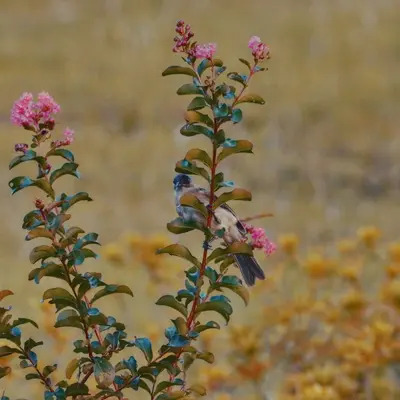
A tall, dramatic native perennial that sends up striking purple flower spikes that bloom from top to bottom in late summer, creating a unique spectacle in prairie gardens. This pollinator magnet is essential for monarch butterfly migration and adds stunning vertical interest to any native plant garden.
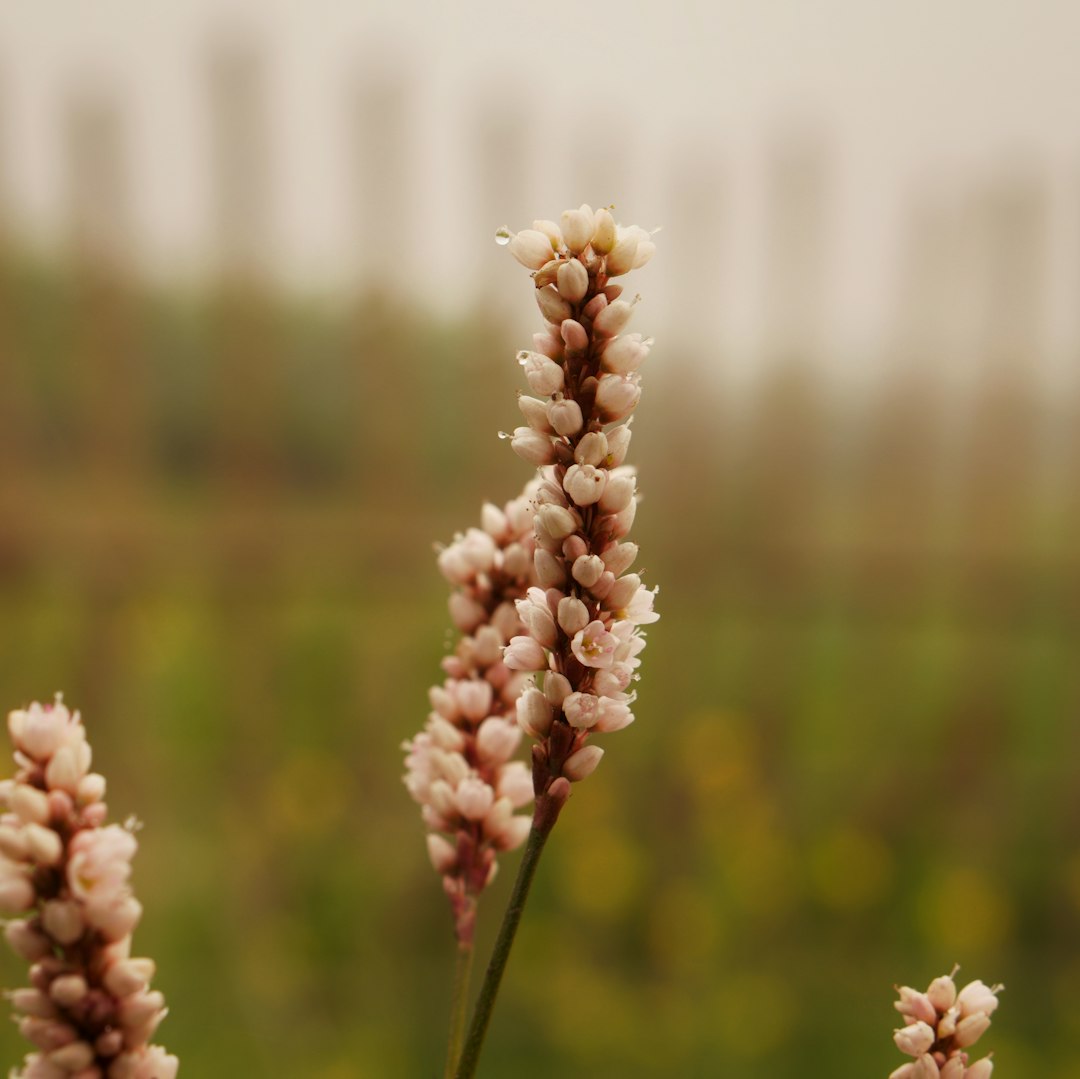
Prairie Dock
Prairie Dock (Silphium terebinthinaceum) is a perennial native wildflower. Hardy in USDA zones 4 to 8. Prefers full sun.
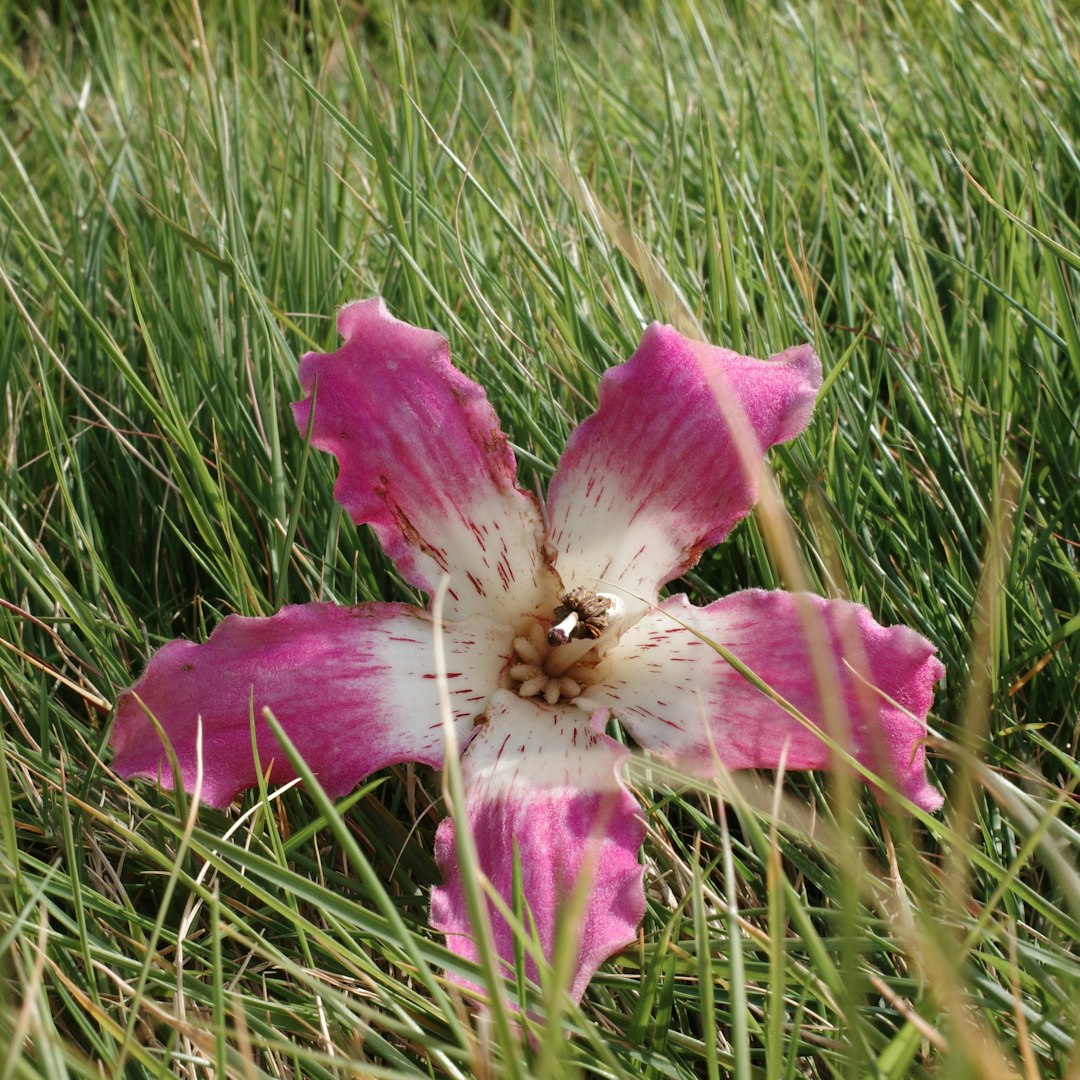
Prairie Trillium
Prairie Trillium (Trillium recurvatum) is a perennial native wildflower. Hardy in USDA zones 4 to 9.
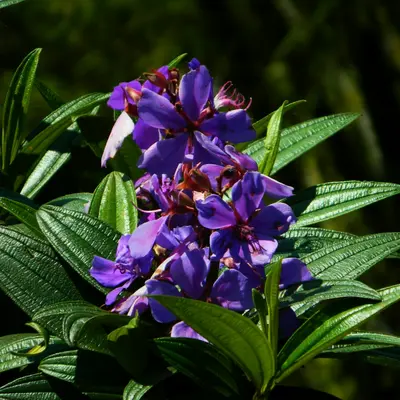
Purple Coneflower
Easy-to-grow echinacea. Vigorous plants with large, purple-petaled flowers. Fibrous roots are easy to harvest (other species have taproots). Attracts and is a food source for bees. Also known as purple coneflower and eastern purple coneflower. Normally grown for 3-4 years for harvest of sizeable roots. Perennial in Zones 3-10.
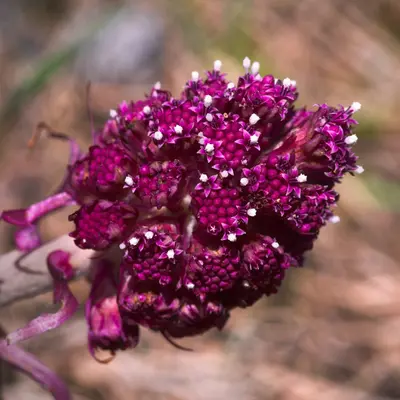
Purple Milkweed
Purple Milkweed (Asclepias purpurascens) is a perennial native wildflower. Hardy in USDA zones 3 to 8. Prefers full sun.
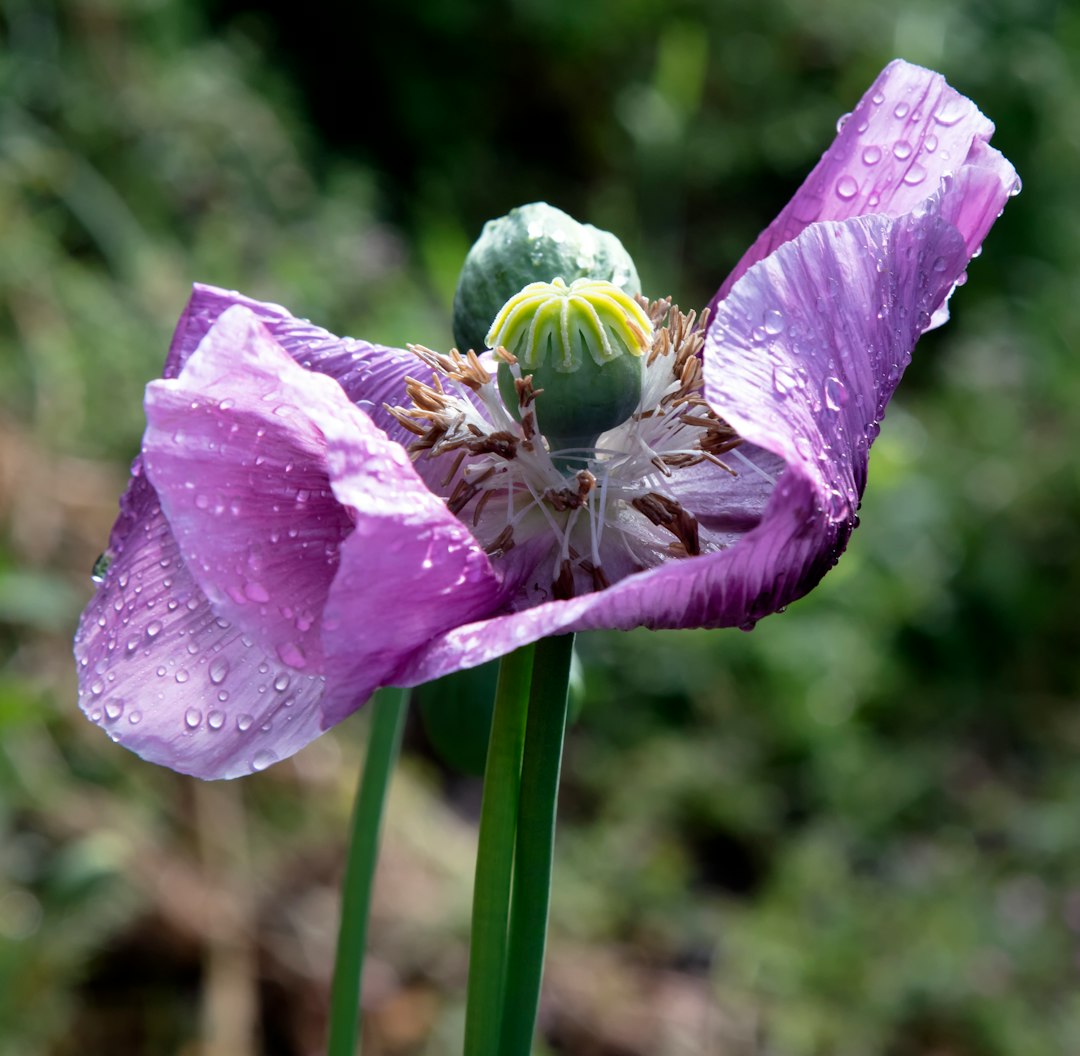
Purple Poppy Mallow
Purple Poppy Mallow (Callirhoe involucrata) is a perennial native wildflower. Hardy in USDA zones 4 to 8. Prefers full sun.
Red Trillium
Red Trillium (Trillium erectum) is a perennial native wildflower. Hardy in USDA zones 4 to 7.
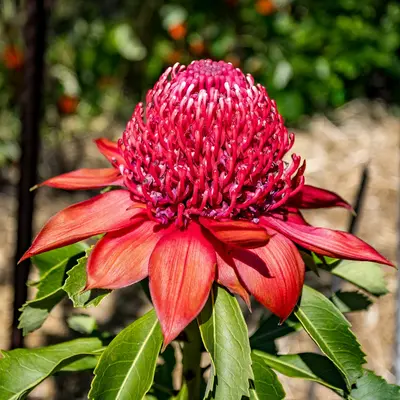
Red Turtlehead
Red Turtlehead (Chelone obliqua) is a perennial native wildflower. Hardy in USDA zones 5 to 9. Prefers full sun.
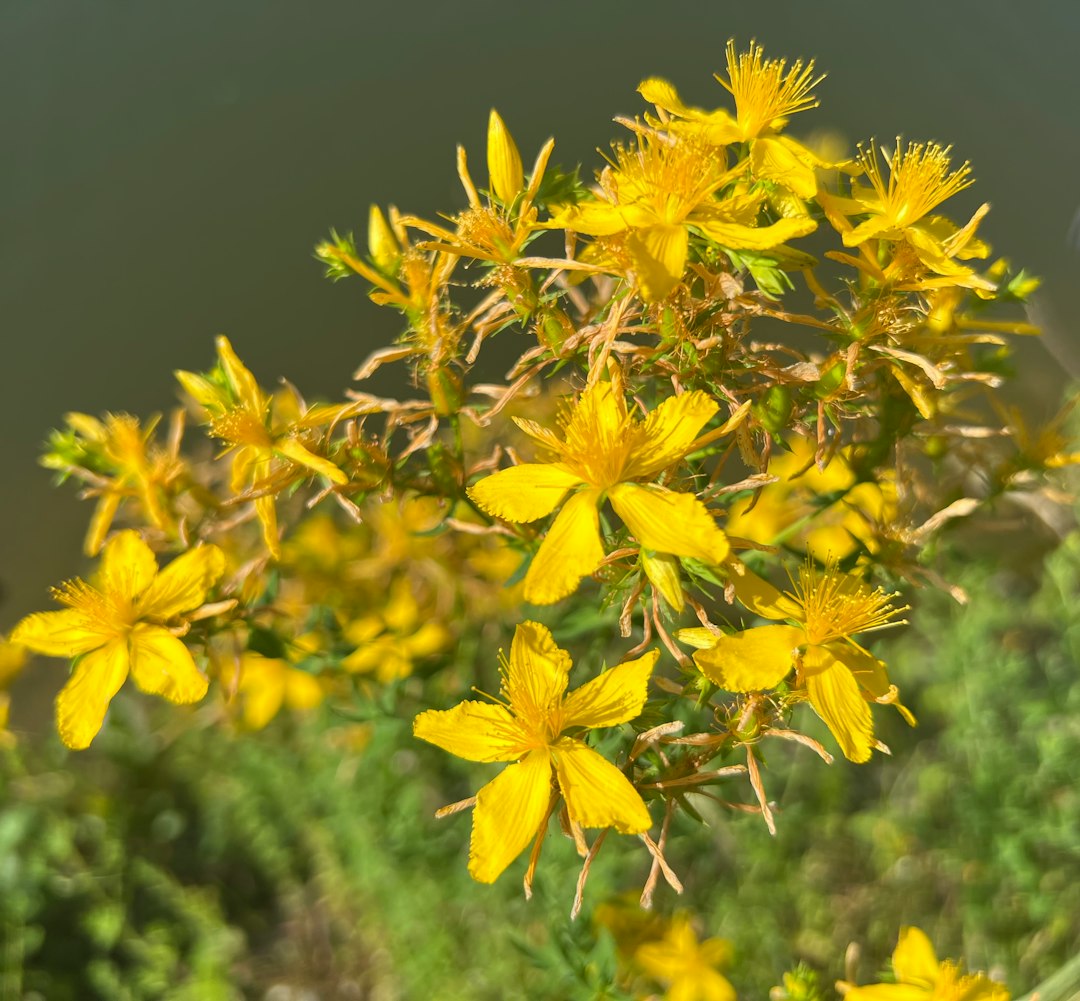
Showy Goldenrod
Showy Goldenrod (Solidago speciosa) is a perennial native wildflower. Hardy in USDA zones 3 to 8. Prefers full sun.
Smooth Blue Aster
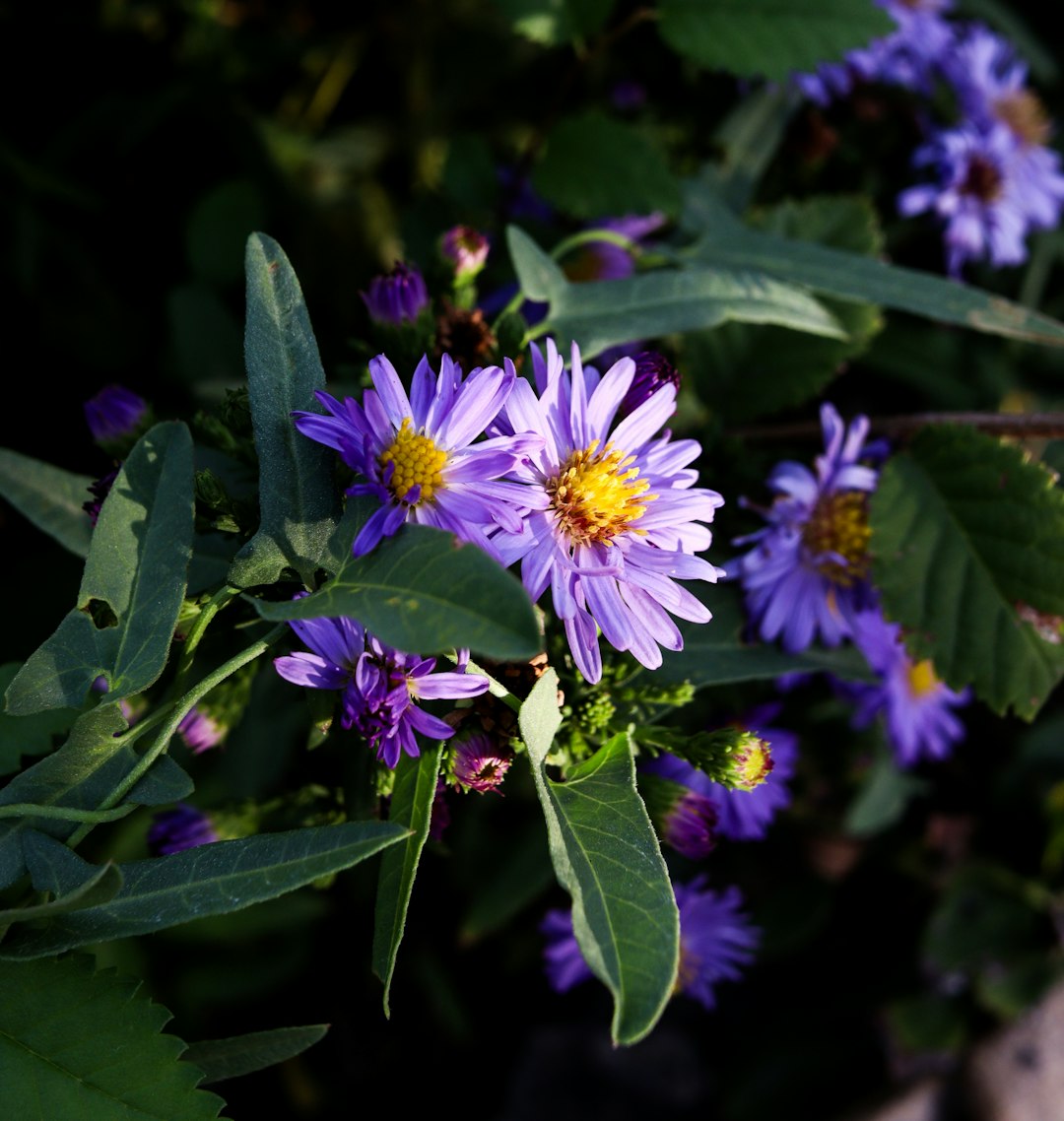
Smooth Blue Aster (Symphyotrichum laeve) is a perennial native wildflower. Hardy in USDA zones 4 to 8.
Spiderwort
A resilient native wildflower producing clusters of three-petaled blue to purple flowers that open in the morning and close by afternoon. This easy-to-grow perennial forms attractive clumps of grass-like foliage and self-seeds readily to create natural colonies. The mucilaginous stems and leaves were traditionally used by Native Americans for medicinal purposes.
Spotted Joe-Pye Weed
Spotted Joe-Pye Weed (Eutrochium maculatum) is a perennial native wildflower. Hardy in USDA zones 3 to 8.
Spring Beauty
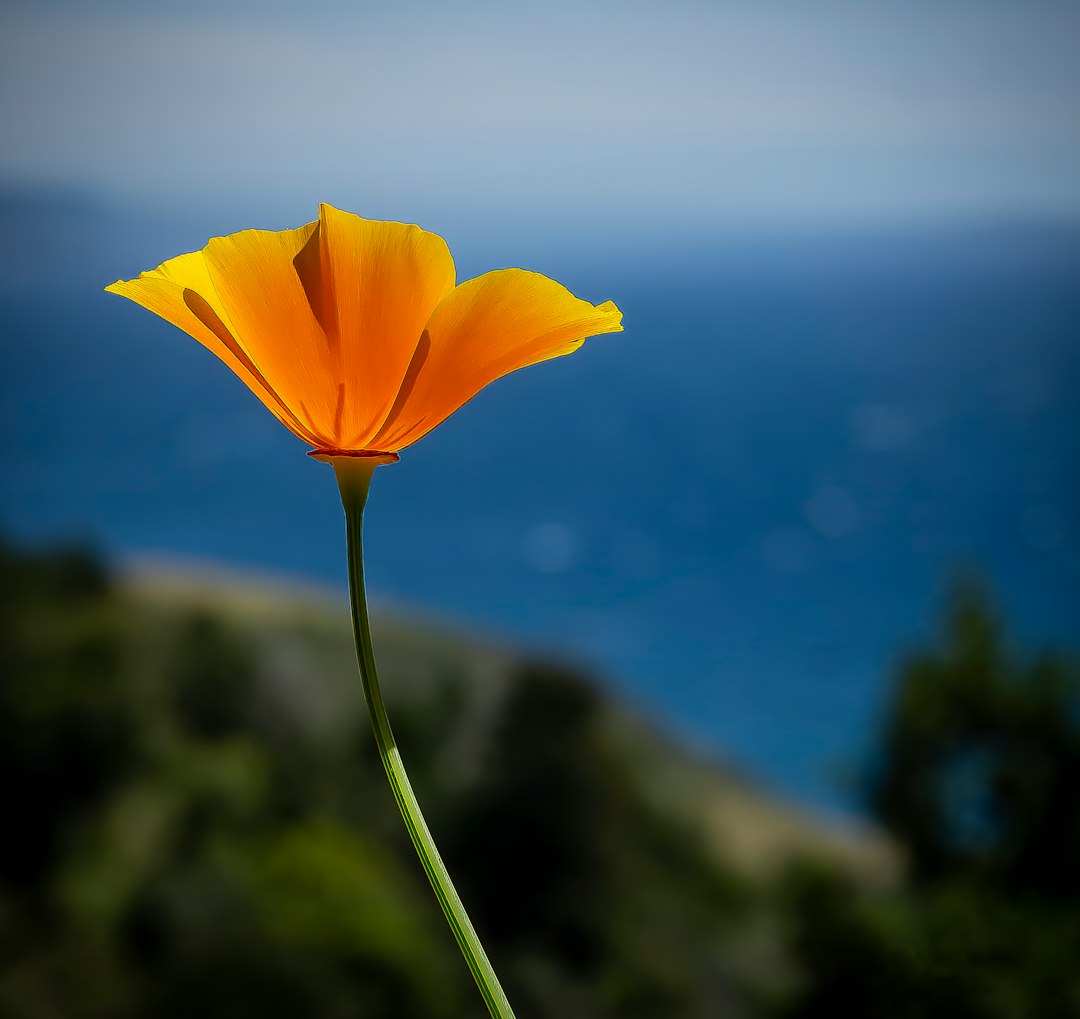
Spring-beauty is a native perennial in the purslane family found in moist woodland areas in eastern Canada and the U.S.A. It is a low growing plant with groups of light pink or white flowers that sport dark pink stripes. They open on sunny days and close at night and on cloudy days. This plant prefers partial shade in moist rich humusy soils with good drainage. It can be naturalized in meadows, woodlands or even the yard and used in rock gardens and native/wildflower gardens.
Stokes' Aster
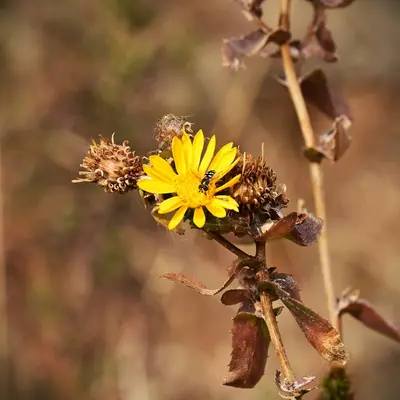
Stokes' Aster (Stokesia laevis) is a perennial native wildflower. Hardy in USDA zones 5 to 9. Prefers full sun.
Sundrops
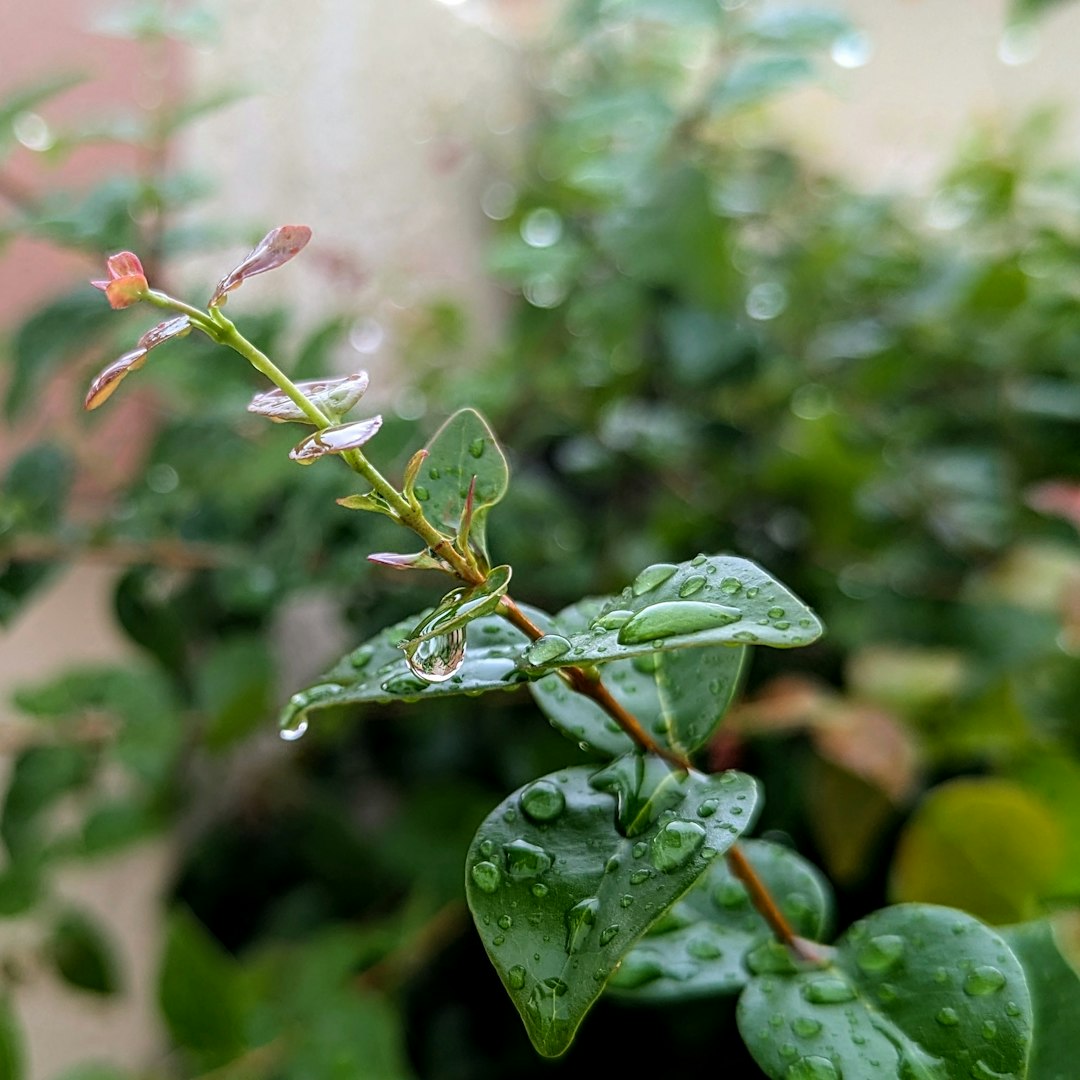
Sundrops (Oenothera fruticosa) is a perennial native wildflower. Hardy in USDA zones 4 to 8. Prefers full sun.
Swamp Milkweed
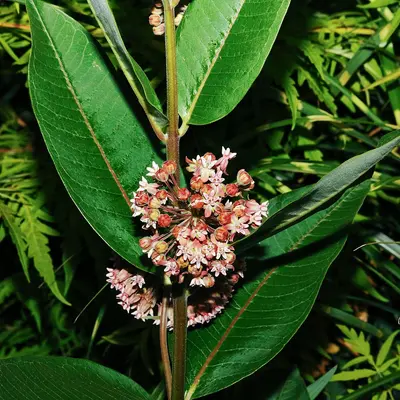
Blooms summer through frost. Clusters of rose to mauve florets on sturdy stems. In our trials the species is nearly identical to the variety Soulmate. Attractive lance-shaped leaves. Use for cut flowers and garden beds. Attracts butterflies and hummingbirds. Larval host for monarch butterflies. Native to North America. Also known as pink milkweed and rose milkweed. Perennial in Zones 3-8.
Sweet Alyssum
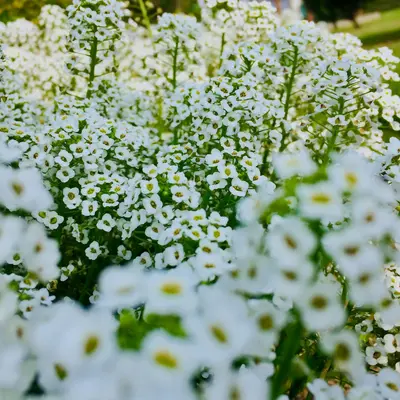
Sweet Alyssum is a delicate, low-growing annual wildflower featuring clusters of tiny, fragrant flowers in white, pink, or purple. Reaching just 3-9 inches tall, it matures in 50-60 days and spreads gracefully across borders and containers. This heirloom variety thrives in full sun to partial shade and tolerates poor, well-drained soil exceptionally well, making it ideal for challenging garden spots. While not typically eaten, Sweet Alyssum's defining characteristic is its intensely sweet, honey-like fragrance that attracts pollinators and fills gardens with subtle fragrance. Its vigorous self-seeding habit ensures prolific blooms throughout the season.
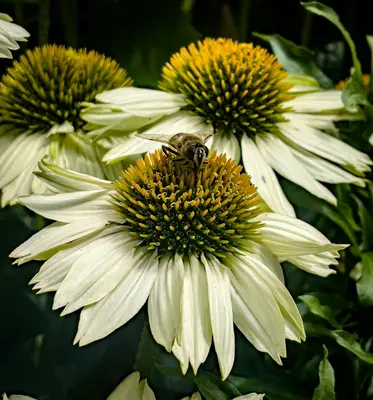
Sweet Coneflower
Sweet Coneflower (Rudbeckia subtomentosa) is a perennial native wildflower. Hardy in USDA zones 4 to 8.
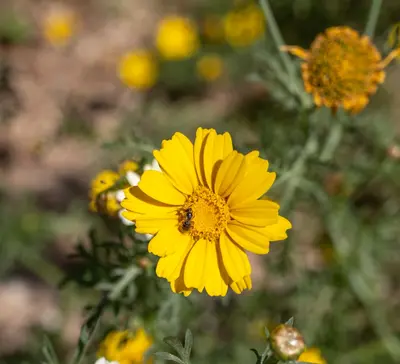
Tall Coreopsis
Tall Coreopsis (Coreopsis tripteris) is a perennial native wildflower. Hardy in USDA zones 3 to 8.
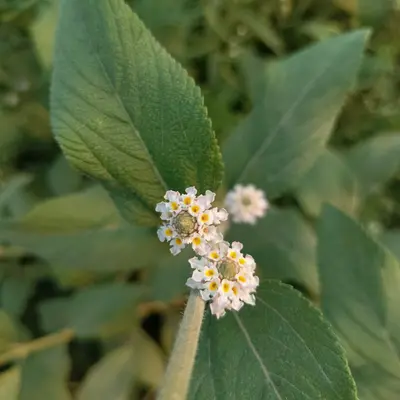
Tall Ironweed
Tall Ironweed (Vernonia gigantea) is a perennial native wildflower. Hardy in USDA zones 5 to 8.
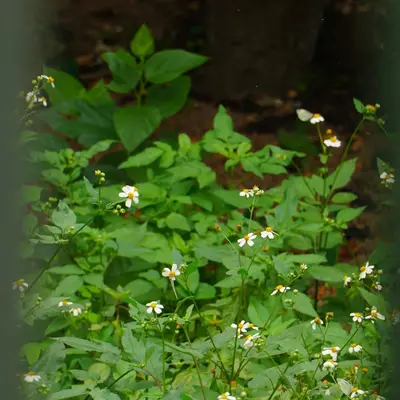
Tall Thimbleweed
Tall Thimbleweed (Anemone virginiana) is a perennial native wildflower. Hardy in USDA zones 2 to 8. Prefers part sun.
Threadleaf Coreopsis
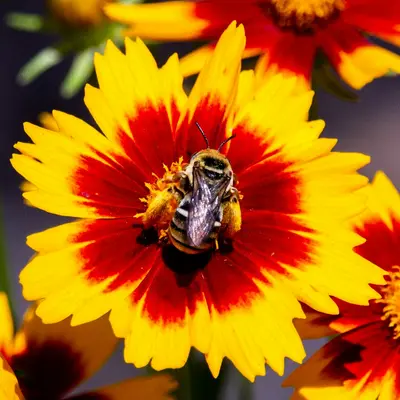
Threadleaf Coreopsis (Coreopsis verticillata) is a perennial native wildflower. Hardy in USDA zones 3 to 9.
Trout Lily
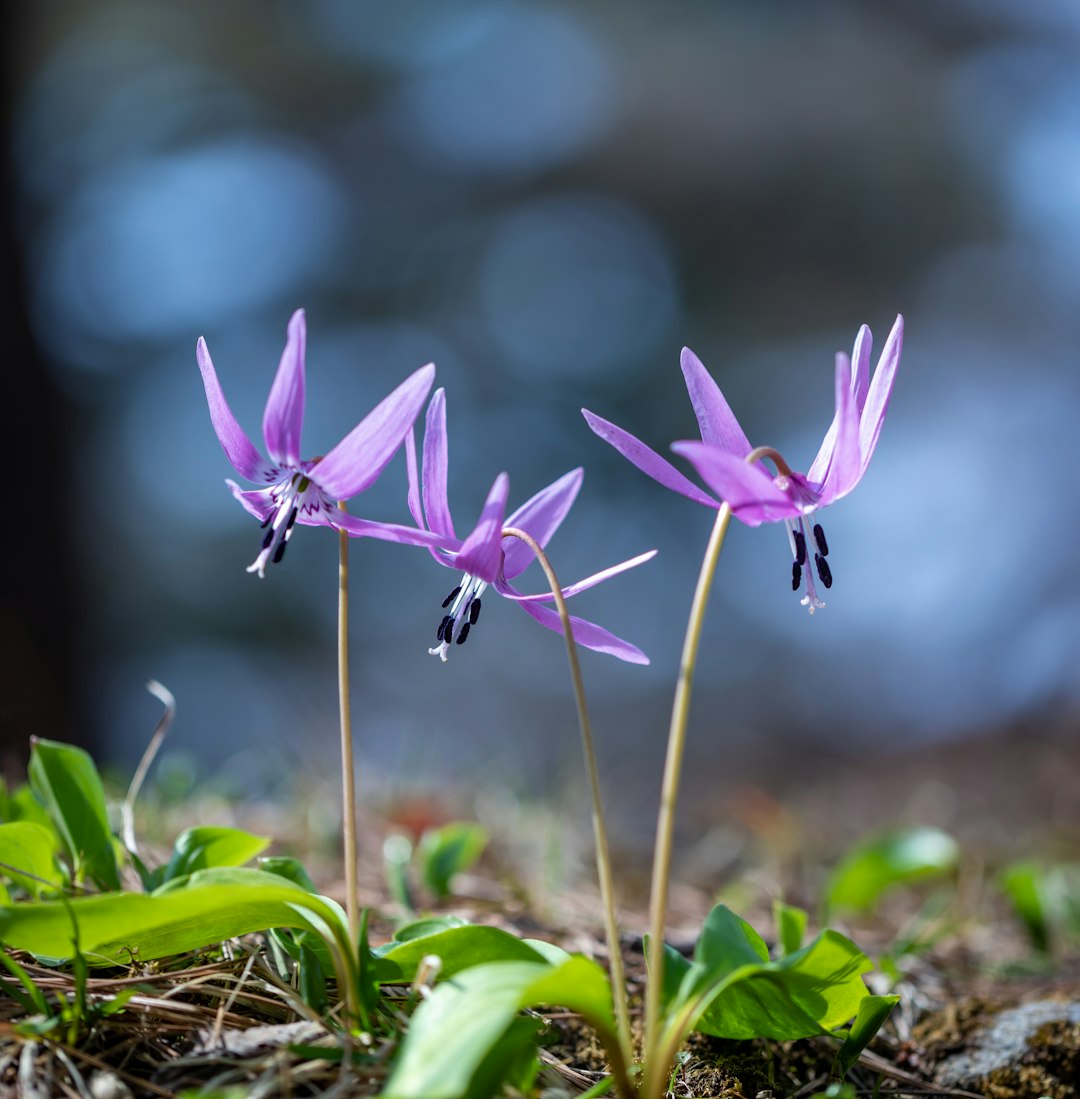
Trout Lily (Erythronium americanum) is a perennial native wildflower. Hardy in USDA zones 3 to 8. Prefers part sun.
White Heath Aster
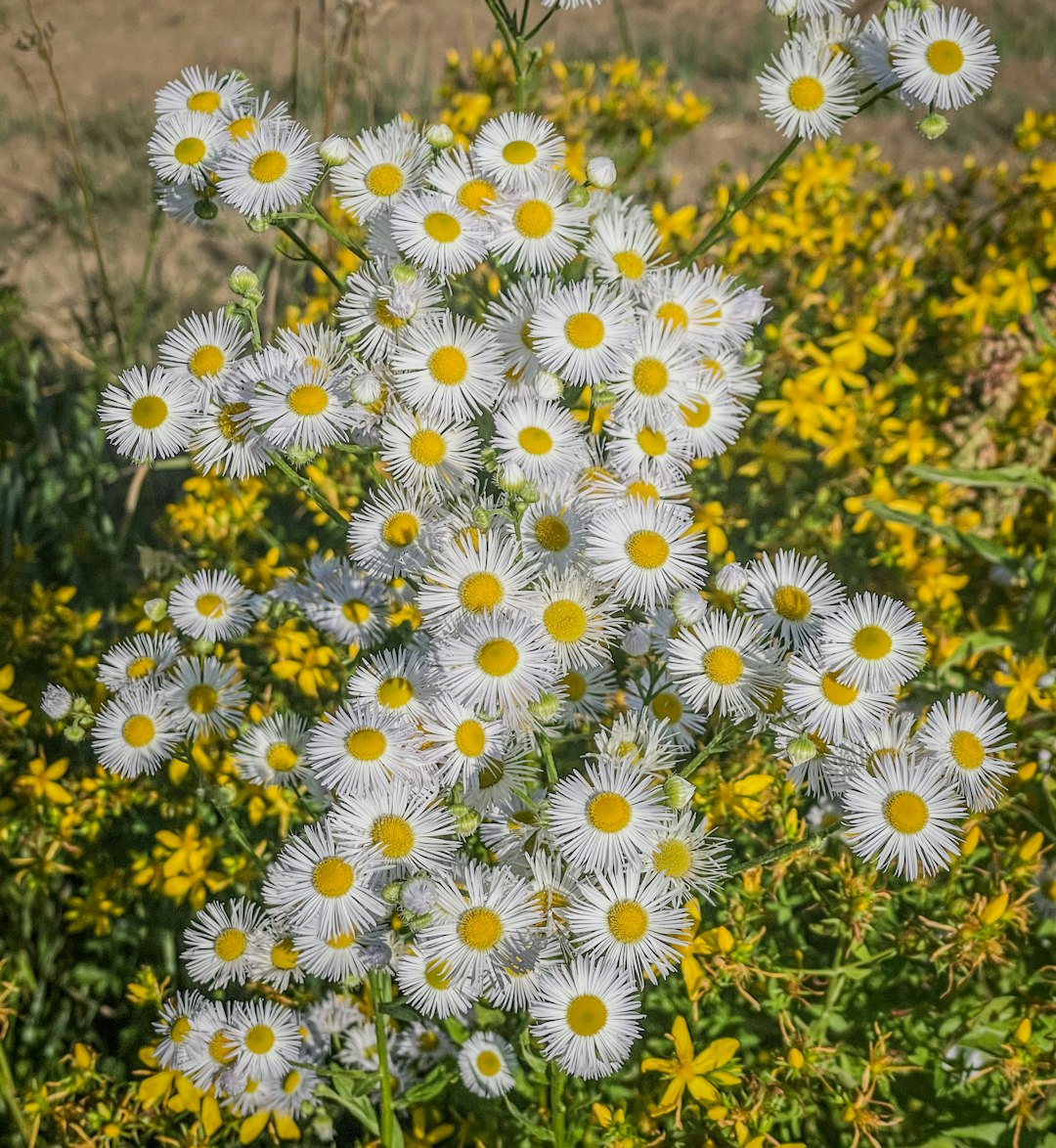
White Heath Aster (Symphyotrichum ericoides) is a perennial native wildflower. Hardy in USDA zones 3 to 9.
White Turtlehead
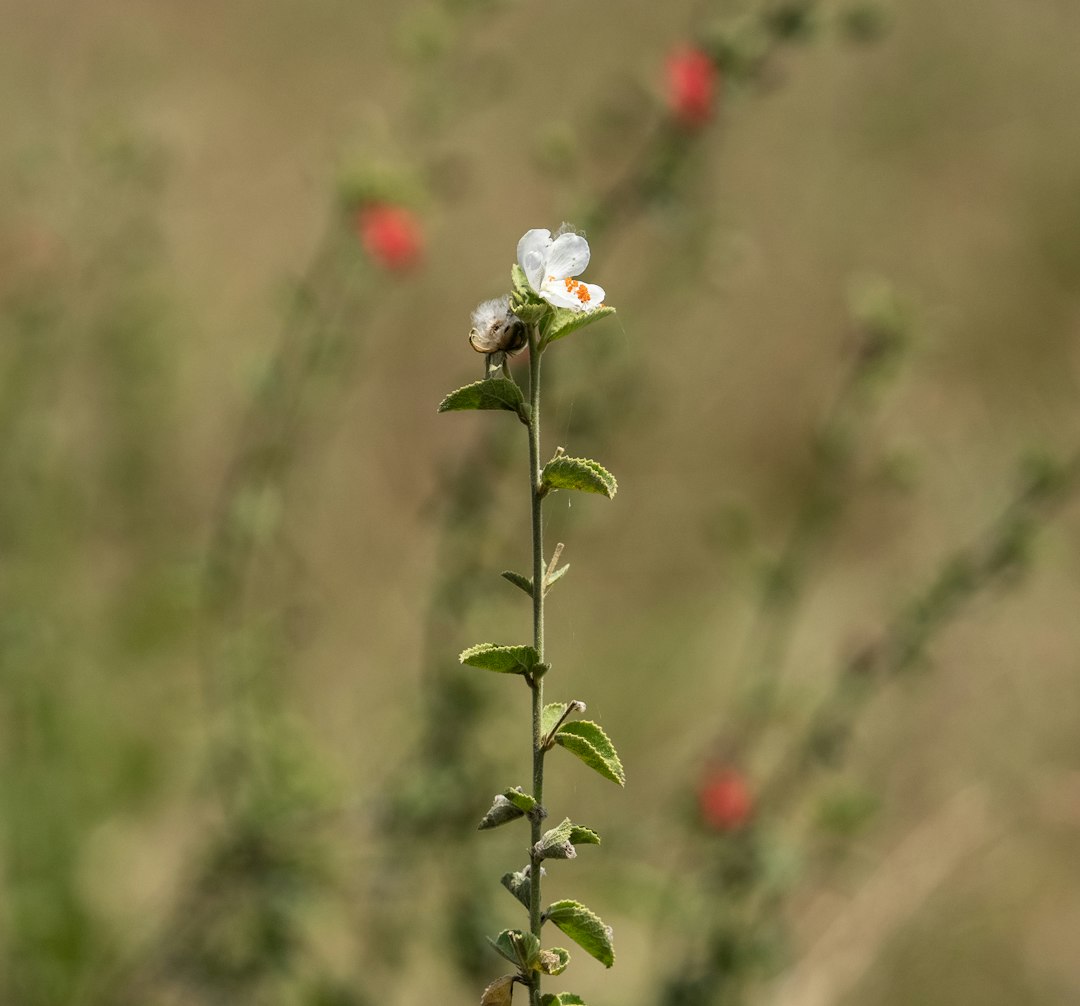
White Turtlehead (Chelone glabra) is a perennial native wildflower. Hardy in USDA zones 3 to 8. Prefers full sun.
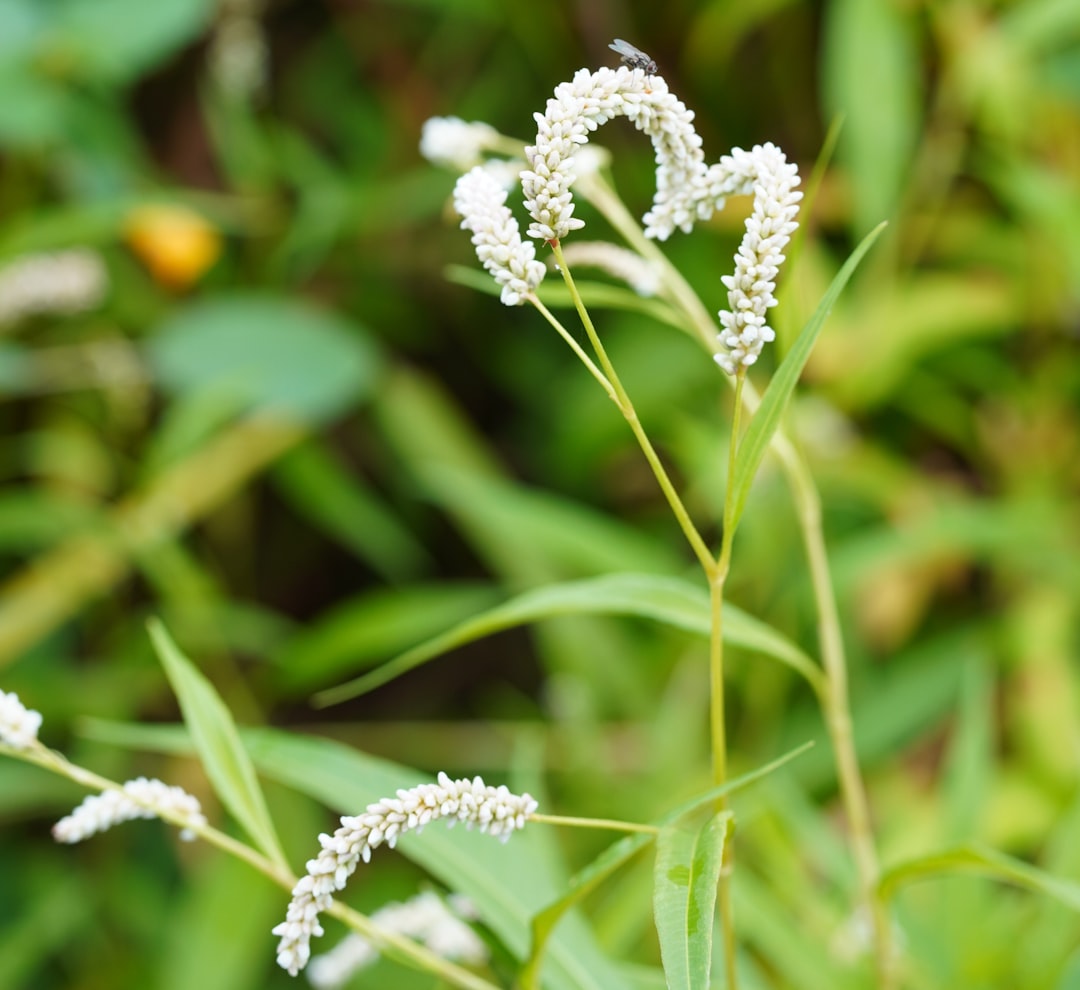
White Wild Indigo
White Wild Indigo (Baptisia alba) is a perennial native wildflower. Hardy in USDA zones 5 to 8.
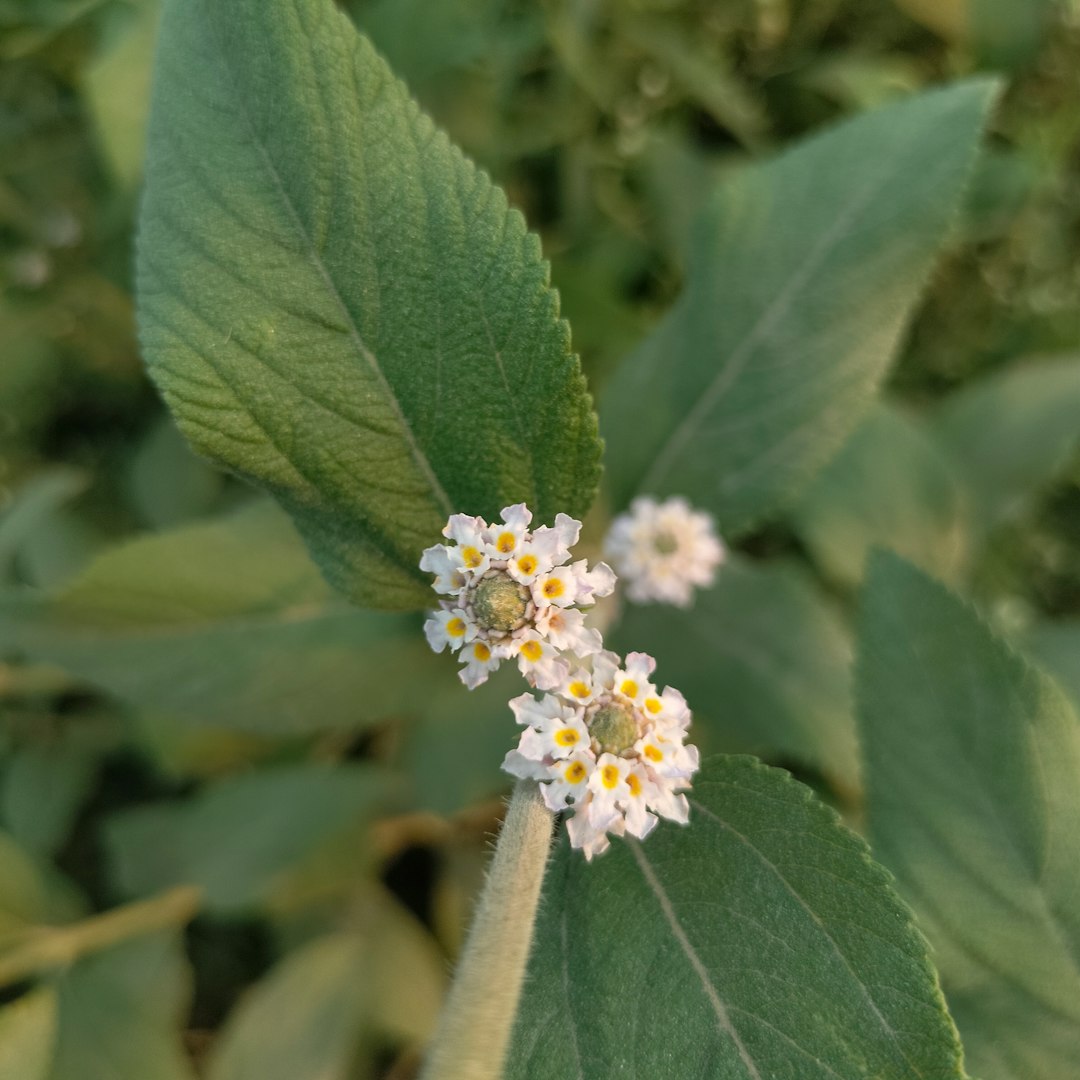
Whorled Milkweed
Whorled Milkweed (Asclepias verticillata) is a perennial native wildflower. Hardy in USDA zones 4 to 9. Prefers full sun.
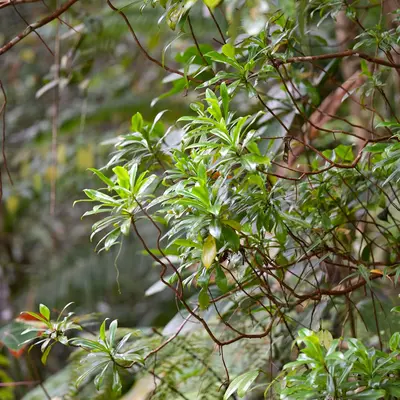
Wild Bergamot
A fragrant native wildflower that attracts butterflies, bees, and hummingbirds with its clusters of tubular lavender-pink blooms. This hardy perennial spreads naturally to form beautiful colonies and has been used traditionally for tea and medicinal purposes. Its minty fragrance and long blooming period make it a favorite for pollinator gardens and prairie restorations.
Wild Blue Indigo
A stunning prairie native that produces dramatic spikes of deep blue lupine-like flowers in late spring, followed by attractive seed pods that rattle in the wind. This long-lived perennial forms impressive clumps over time and is virtually maintenance-free once established, making it a cornerstone plant for naturalized gardens.
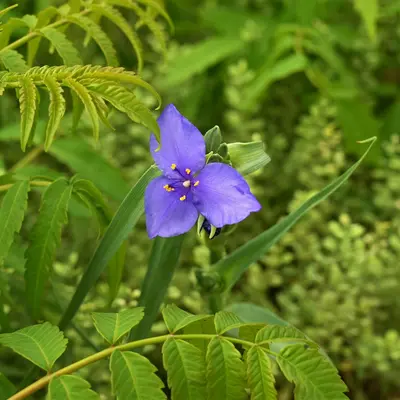
Wild Blue Lupine
A stunning prairie native producing tall spikes of deep blue pea-like flowers that create dramatic vertical accents in wildflower gardens. This nitrogen-fixing legume improves soil while attracting bees and serving as the sole host plant for the endangered Karner Blue butterfly. The distinctive palmate leaves and showy flower spikes make it a standout in naturalized plantings and cottage gardens.
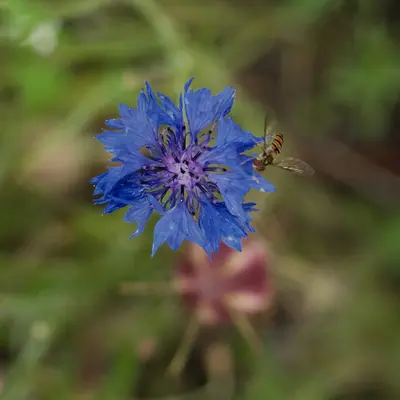
Wild Blue Phlox
A woodland treasure that carpets forest floors with fragrant lavender-blue flowers in early spring. This spreading perennial creates stunning drifts of color before trees leaf out, making it perfect for naturalizing in shade gardens or woodland borders. The sweet-scented blooms attract early butterflies and other pollinators emerging from winter.
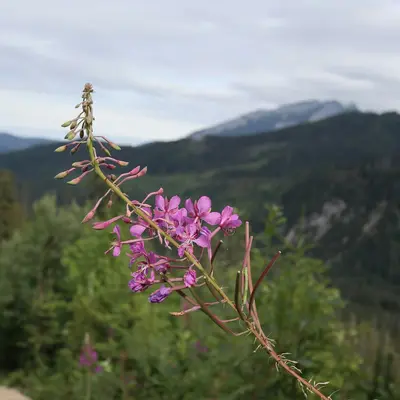
Wild Columbine
This delicate woodland native produces unique red and yellow flowers with distinctive spurs that nod gracefully above blue-green compound foliage. Wild columbine is a hummingbird magnet and thrives in partial shade where many wildflowers struggle. Its ability to self-seed in rocky crevices and woodland edges makes it perfect for naturalizing in shade gardens.
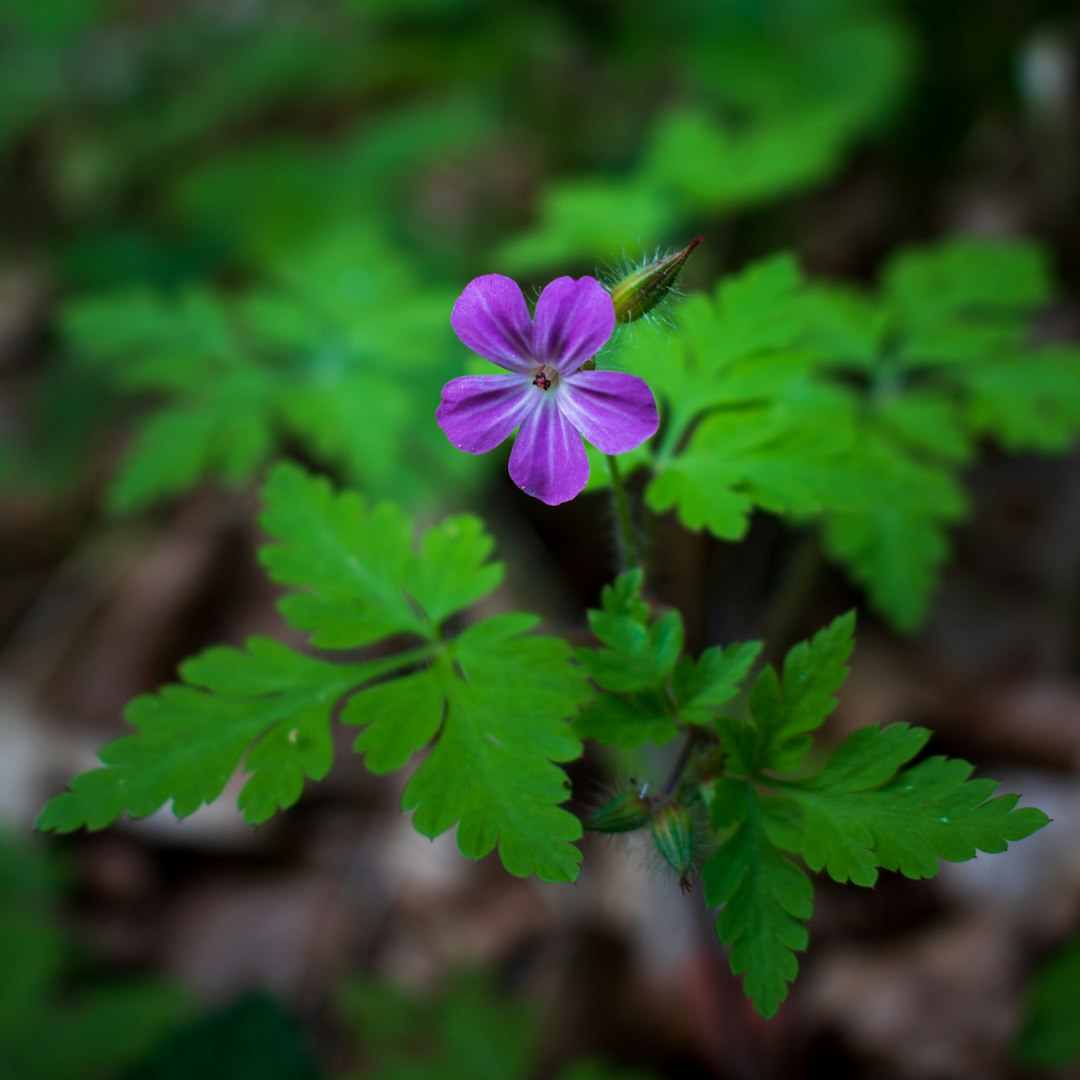
Wild Geranium
Wild Geranium (Geranium maculatum) is a perennial native wildflower. Hardy in USDA zones 3 to 11.
Wild Ginger
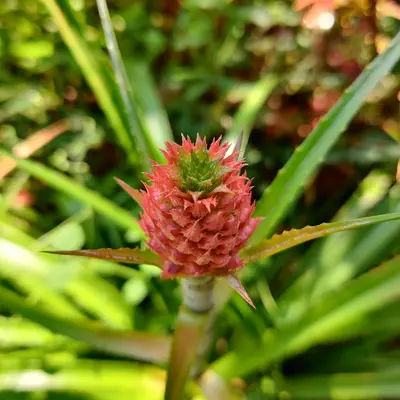
A charming woodland groundcover with heart-shaped leaves that forms lush carpets in shaded gardens. This native wildflower produces curious burgundy bell-shaped flowers hidden beneath the foliage in spring, pollinated by ground-dwelling beetles and ants. Its aromatic rhizomes were historically used as a ginger substitute by early settlers.
Wild Indigo
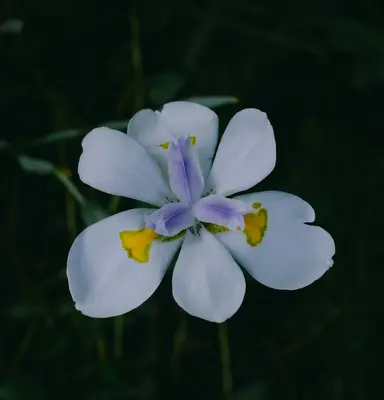
A unique prairie native with silvery-gray foliage and distinctive deep purple flower spikes topped with bright orange stamens, creating an unusual and striking garden display. This extremely drought-tolerant legume develops a deep taproot and becomes virtually maintenance-free once established, making it perfect for challenging sites.
Wild Lupine
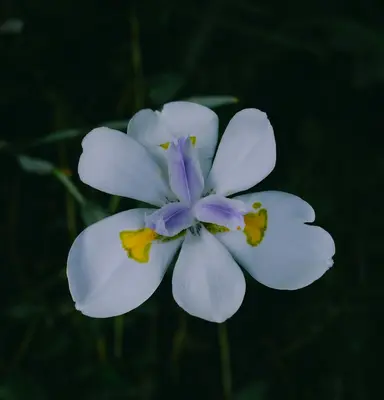
This stunning native perennial produces tall spikes of blue-purple pea-like flowers above distinctive palmate leaves. Wild lupine is the sole host plant for the endangered Karner blue butterfly and an important nitrogen-fixer that improves soil health. Its deep taproot makes it extremely drought tolerant once established, perfect for naturalizing in sandy soils.
Woodland Sunflower
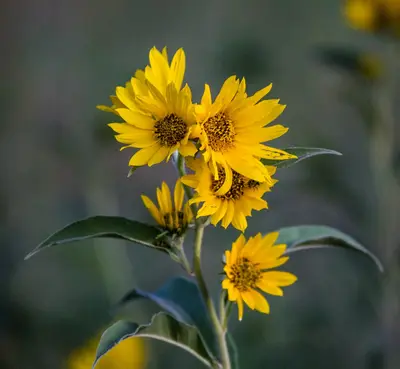
Woodland Sunflower (Helianthus divaricatus) is a perennial native wildflower. Hardy in USDA zones 3 to 8.
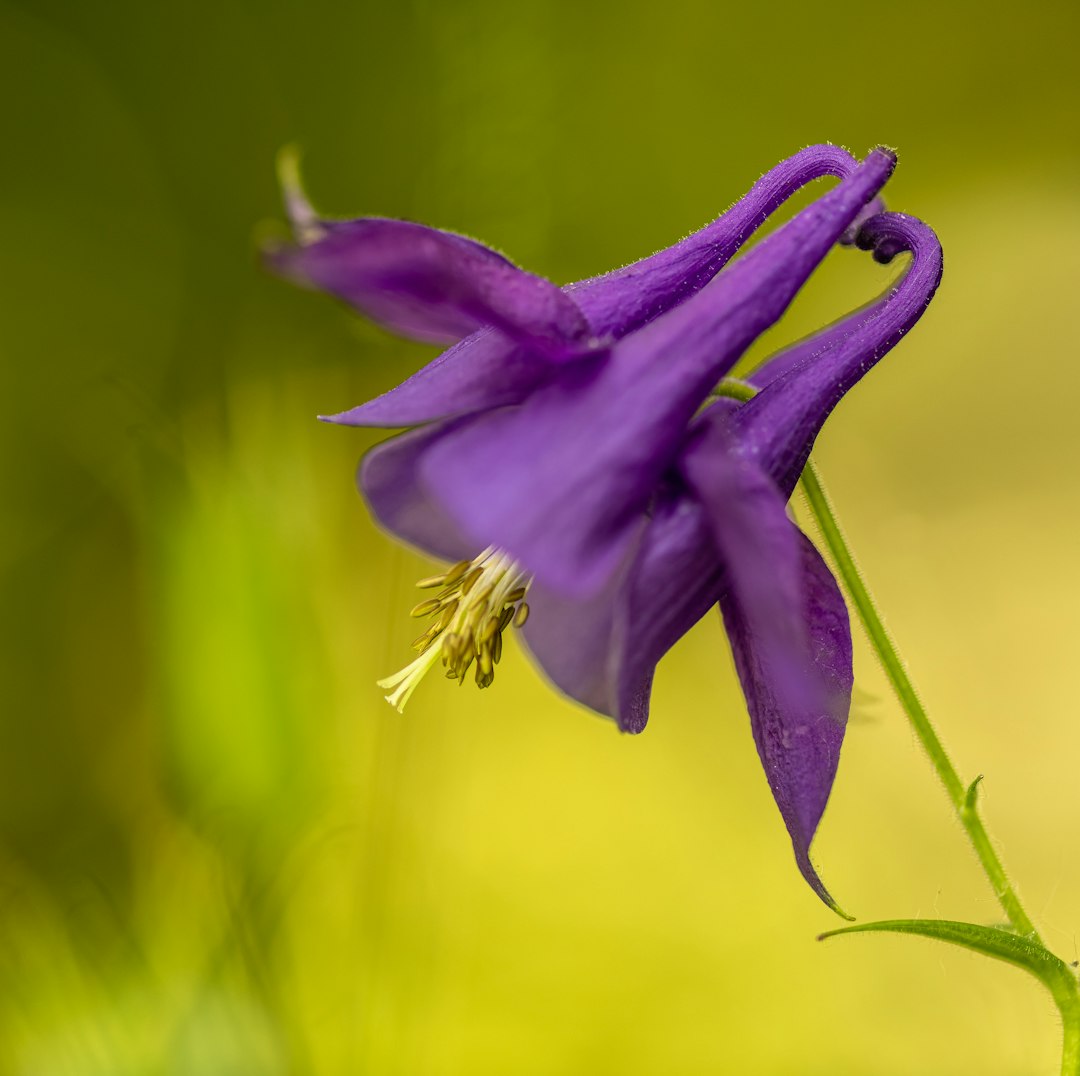
Yellow Columbine
Yellow Columbine (Aquilegia chrysantha) is a perennial native wildflower. Hardy in USDA zones 4 to 9.
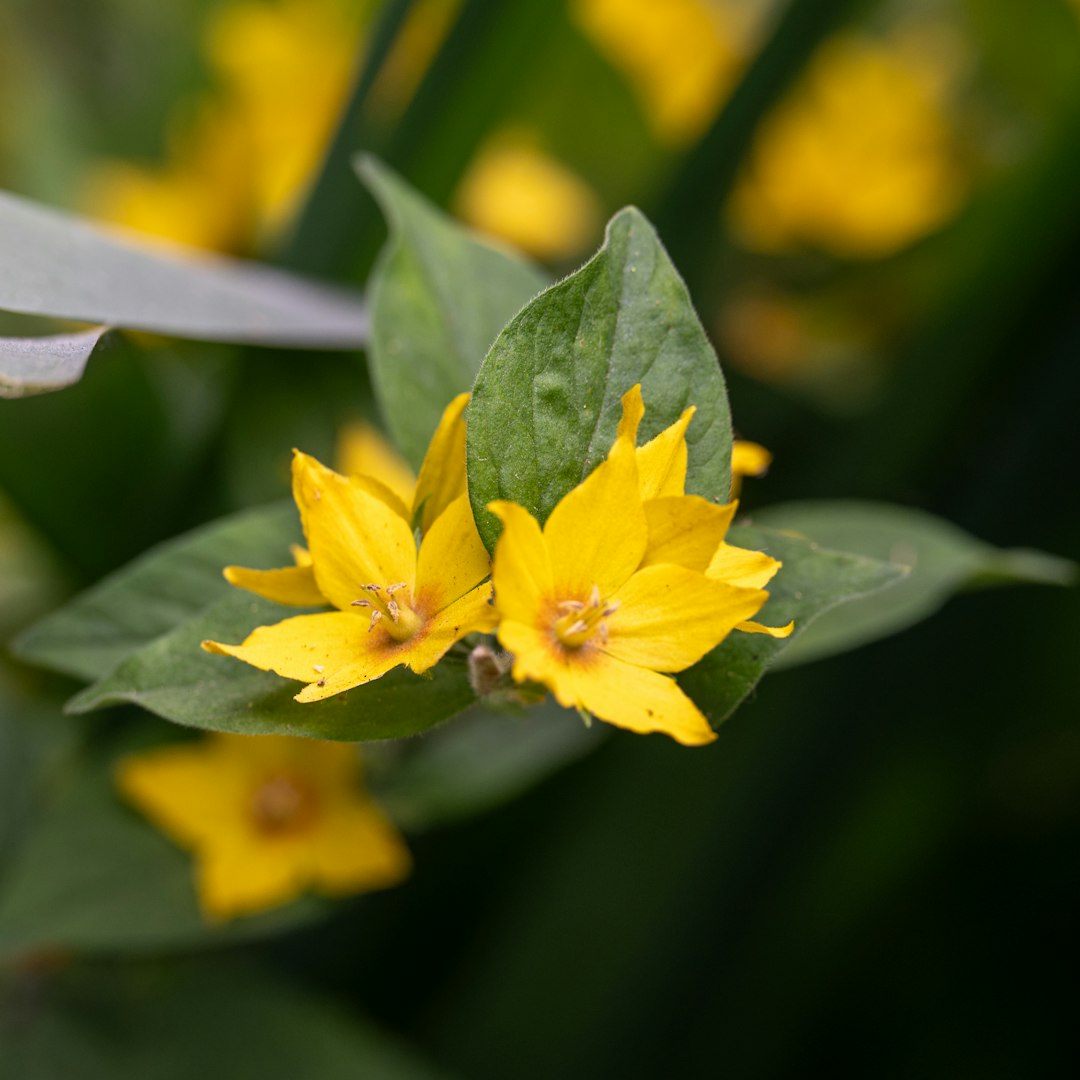
Yellow Trillium
Yellow Trillium (Trillium luteum) is a perennial native wildflower. Hardy in USDA zones 4 to 8. Prefers part sun.
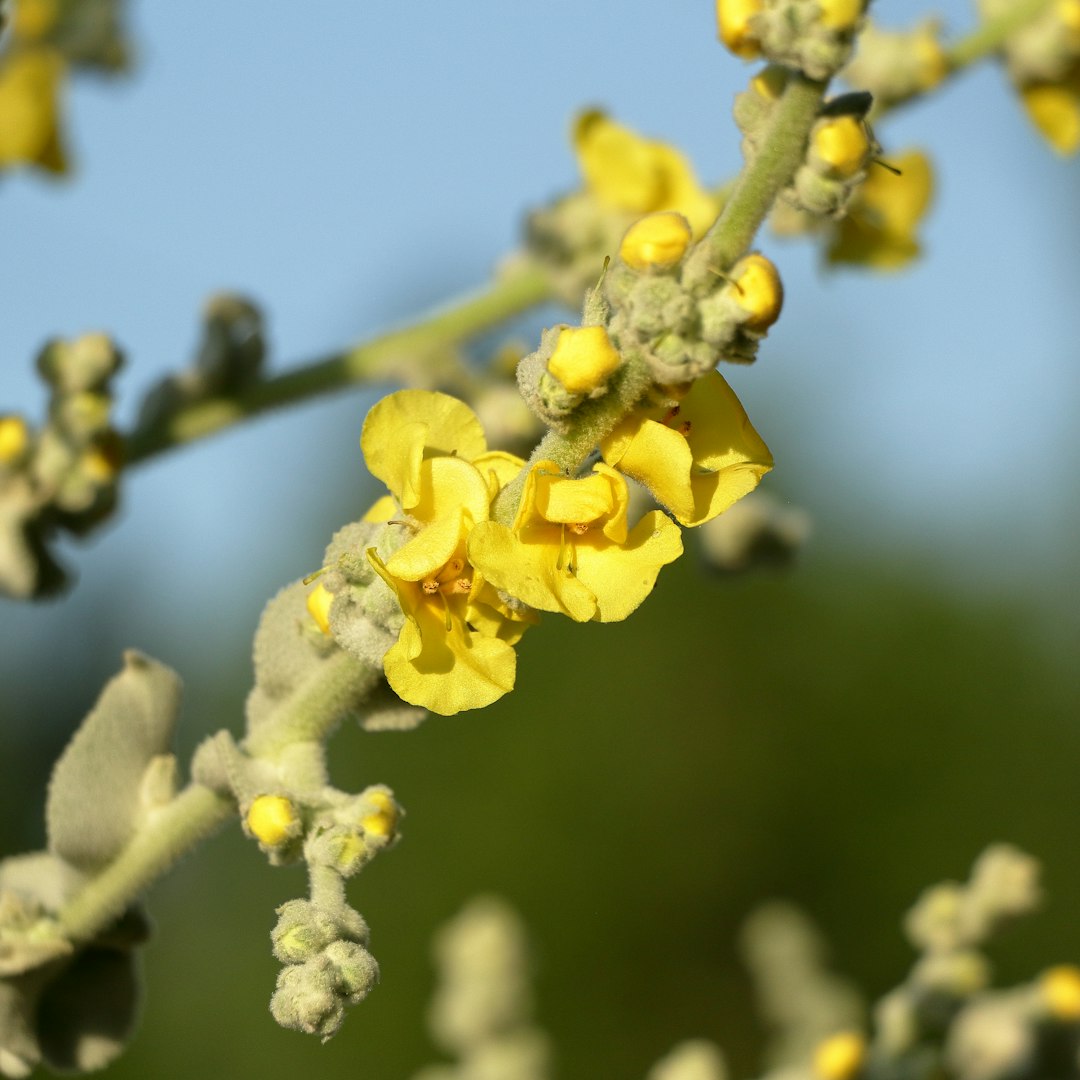
Yellow Wild Indigo
Yellow Wild Indigo (Baptisia tinctoria) is a perennial native wildflower. Hardy in USDA zones 3 to 9.
Zone 5 Growing Tips
Start cold-hardy perennials like Wild Columbine, Purple Coneflower, and New England Aster from seed indoors 8-10 weeks before your last frost date (mid-February to early March). These can be transplanted outside 2-3 weeks before the last frost since they tolerate light freezes. Warm-season varieties like Butterfly Weed and Bee Balm should wait until soil temperatures consistently reach 60°F, typically mid to late May in Zone 5.
Direct seeding works well for many Zone 5 natives, but timing is crucial. Sow cold-season varieties like Wild Blue Phlox and Wild Ginger in early April, even if there's still frost risk. For heat-lovers like Blanket Flower and Black-Eyed Susan, wait until after Memorial Day when soil is truly warm. Many of these wildflowers benefit from fall seeding (September-October) to take advantage of natural winter stratification, which often produces stronger plants than spring-sown seeds.
Season Overview
Your 155-day growing season from early May through early October provides ample time for both annuals and perennials to reach maturity, but late bloomers like New England Aster and Prairie Blazingstar are particularly valuable since they'll still be flowering when your first frost arrives in early October. Plan your wildflower garden to peak in August and September when many native plants naturally bloom, and choose early varieties like Wild Blue Phlox and Wild Columbine to bridge the gap between spring ephemerals and summer's main show.