Gray Goldenrod
Solidago nemoralis
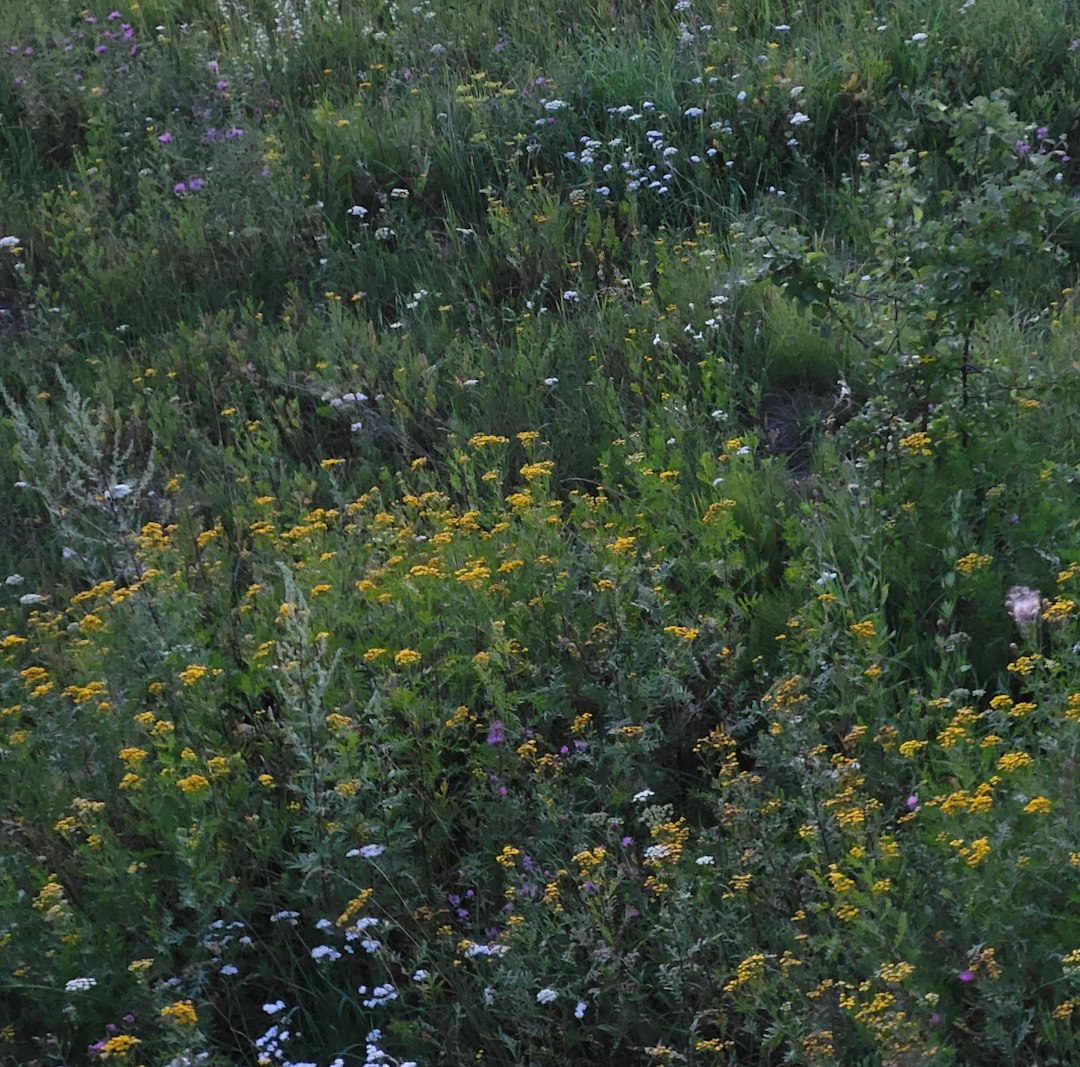
Gray Goldenrod (Solidago nemoralis) is a perennial native wildflower. Hardy in USDA zones 3 to 9.
Sun
Full sun
Zones
3–9
USDA hardiness
Height
6-24 inches
Planting Timeline
Showing dates for Gray Goldenrod in USDA Zone 7
All Zone 7 native-wildflower →Zone Map
Click a state to update dates
Gray Goldenrod · Zones 3–9
Growing Details
Complete Growing Guide
Light: Full sun (6 or more hours of direct sunlight a day). Soil: Clay, High Organic Matter, Sand, Shallow Rocky. Soil pH: Acid (<6.0). Drainage: Good Drainage, Occasionally Dry. Height: 0 ft. 6 in. - 2 ft. 0 in.. Spread: 0 ft. 6 in. - 2 ft. 0 in.. Maintenance: Low. Propagation: Division, Seed. Regions: Coastal, Mountains, Piedmont.
Harvesting
Gray Goldenrod reaches peak harvest readiness when flower clusters display a bright golden-yellow color with fully opened individual florets, typically occurring from late summer through early fall. The plumes should feel firm yet slightly flexible when gently squeezed, indicating mature flower development. This cultivar responds well to continuous harvesting, where removing flower stems encourages additional blooms rather than a single flush. For optimal results, harvest in the morning after dew dries but before afternoon heat peaks, as this timing preserves the flowers' vibrant color and aromatic compounds. Cut stems just above a set of healthy leaves to promote bushier regrowth and extended flowering throughout the season.
This is an ornamental variety — not grown for harvest. Enjoy in the garden landscape.
Storage & Preservation
Gray Goldenrod flowers are best used fresh or dried for long-term storage. Fresh-cut stems should be placed in a vase with cool water at room temperature (65-70°F) away from direct sunlight, lasting 1-2 weeks. For drying, hang bundles upside down in a warm, dry location with low humidity (30-40%) for 2-3 weeks until completely brittle. Dried flowers maintain quality for 6-12 months in airtight containers. Preserve by pressing between heavy books for decorative uses, or freeze fresh stems in water-filled ice cube trays for herbal infusions.
History & Origin
Origin: Canada and United States
Advantages
- +Attracts: Butterflies, Pollinators, Songbirds, Specialized Bees
- +Low maintenance
Companion Plants
In our zone 7 Georgia garden, Gray Goldenrod pairs well with Little Bluestem and Switchgrass — both tolerate the same lean, dry soil without competing hard for water or root space. New England Aster and Black-eyed Susan stagger their bloom times just enough to keep pollinators working the bed into October. Wild Bergamot adds a third nectar source without shading anything out. Plant Gray Goldenrod at least 60 feet from any Black Walnut; the roots release juglone, a compound that interferes with cellular respiration in many native forbs and will quietly kill goldenrod before you figure out what went wrong. Pull Canada Thistle the moment you see it — it spreads by rhizome and will outcompete everything in this planting within two seasons.
Plant Together
New England Aster
Blooms at same time, attracts complementary pollinators and beneficial insects
Little Bluestem Grass
Provides structural support and creates natural prairie ecosystem balance
Purple Coneflower
Attracts beneficial insects and pollinators, thrives in similar growing conditions
Wild Bergamot
Attracts native bees and butterflies, repels harmful insects naturally
Native Milkweed
Supports monarch butterflies and other beneficial insects in native plant community
Black-eyed Susan
Extends flowering season, shares similar soil and light requirements
Switchgrass
Provides winter structure and habitat, complements goldenrod's ecological niche
Wild Columbine
Adds early season color before goldenrod blooms, attracts hummingbirds
Keep Apart
Black Walnut Tree
Releases juglone toxin that inhibits growth and can kill goldenrod
Invasive Autumn Olive
Outcompetes for resources and disrupts native plant community balance
Canada Thistle
Aggressive invasive that crowds out goldenrod and depletes soil nutrients
Troubleshooting Gray Goldenrod
What you'll see, why it happens, and what to do about it.
Stems flopping over or plant growing leggy with sparse flowers, especially in its first season
Likely Causes
- Soil too rich or amended with excess nitrogen — Gray Goldenrod is adapted to lean, dry soils and overperforms vegetatively when overfed
- Insufficient sun — fewer than 6 hours drops stem strength noticeably
What to Do
- 1.Skip the compost amendment at planting; this plant does better in native soil with pH around 6.0 or slightly below
- 2.Site transplants in your sunniest spot — south- or west-facing beds work best
- 3.Cut stems back by one-third in late May to encourage bushier, self-supporting growth (a technique sometimes called the 'Chelsea chop')
Powdery white coating on leaves in late summer, most visible on older foliage near the base
Likely Causes
- Powdery mildew (Erysiphe cichoracearum or a related species) — common on Solidago in humid conditions, especially in crowded plantings
- Poor air circulation from spacing plants closer than 12 inches at installation
What to Do
- 1.Strip and trash the worst-affected lower leaves — don't compost them
- 2.If plants are already in the ground too close together, divide clumps in early spring before new growth exceeds 4 inches
- 3.Late-season powdery mildew on goldenrod is mostly cosmetic — if bloom is nearly finished, cut everything back hard after first frost and don't lose sleep over it
Frequently Asked Questions
When should I plant Gray Goldenrod?▼
Is Gray Goldenrod good for beginners?▼
Can you grow Gray Goldenrod in containers?▼
How long does Gray Goldenrod take to flower?▼
Does Gray Goldenrod cause allergies?▼
What wildlife does Gray Goldenrod attract?▼
Zone-by-Zone Planting Calendar
Growing Guides from Wind River Greens
Sources & References
External authority sources used in compiling this guide.
- ExtensionNC State Extension
See the Methodology page for how this data is sourced, what's AI-assisted, and known limitations.