Showy Goldenrod
Solidago speciosa
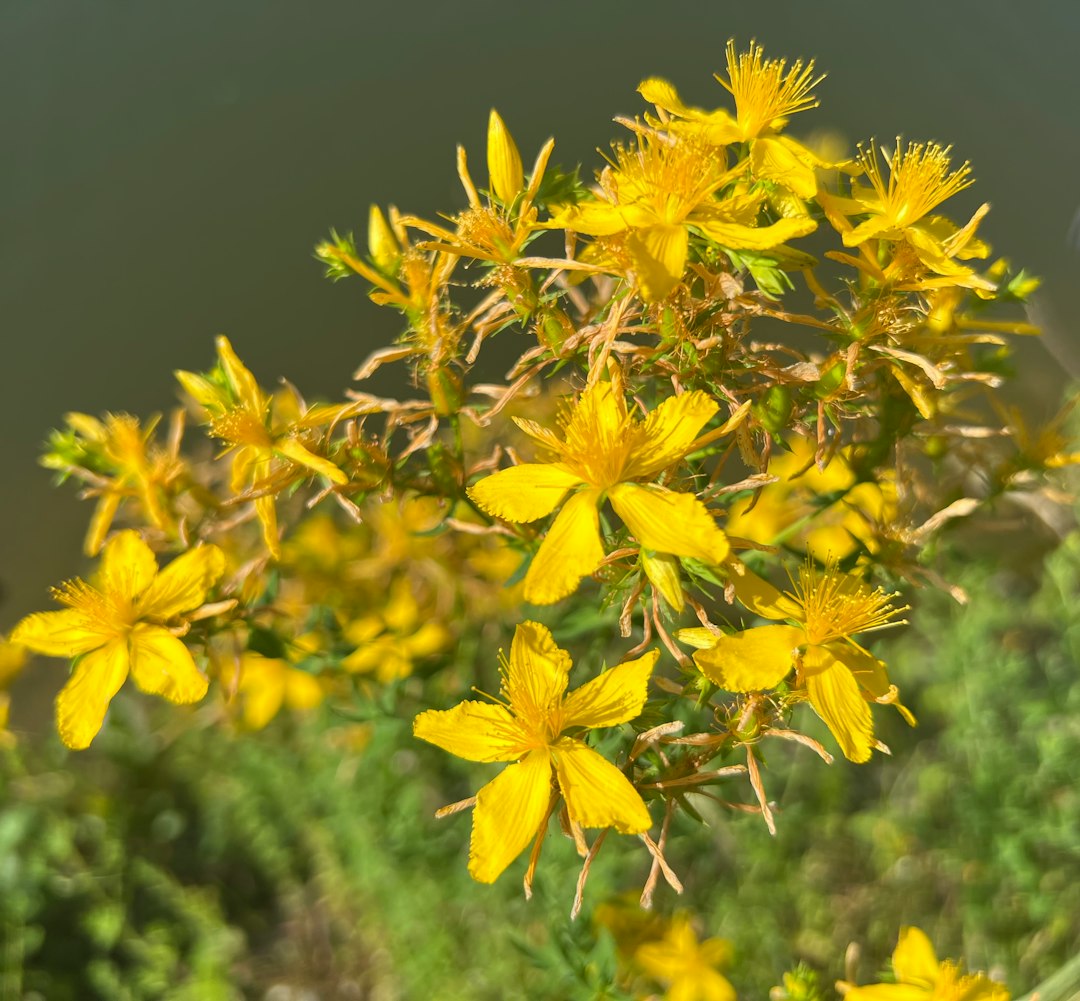
Showy Goldenrod (Solidago speciosa) is a perennial native wildflower. Hardy in USDA zones 3 to 8. Prefers full sun.
Sun
Full sun
Zones
3–8
USDA hardiness
Height
2-7 feet
Planting Timeline
Showing dates for Showy Goldenrod in USDA Zone 7
All Zone 7 native-wildflower →Zone Map
Click a state to update dates
Showy Goldenrod · Zones 3–8
Growing Details
Complete Growing Guide
Light: Full sun (6 or more hours of direct sunlight a day). Drainage: Good Drainage, Moist, Occasionally Dry. Height: 2 ft. 0 in. - 7 ft. 0 in.. Spread: 2 ft. 0 in. - 3 ft. 0 in.. Spacing: 3 feet-6 feet. Maintenance: Medium. Regions: Coastal, Mountains, Piedmont.
Harvesting
Showy Goldenrod reaches peak harvest readiness when its distinctive dense, pyramidal flower clusters display a rich golden-yellow hue throughout, typically occurring in late summer through early fall. The flowers should feel fully firm to the touch with no softness or wilting, and the individual florets should be completely open across the entire spike. This cultivar supports continuous harvesting—cutting stems regularly from mid-bloom onward encourages bushier growth and extended flowering—or you can wait for single-harvest timing when approximately 75 percent of the plume has opened for maximum visual impact and pollen viability. Harvest in early morning after dew dries to ensure the longest vase life and optimal potency for dried arrangements or herbal use.
Harvest time: Fall
Storage & Preservation
Showy Goldenrod is primarily grown as a cut flower and ornamental plant, not for consumption. For cut flowers, remove lower foliage, place stems in clean water with floral preservative, and keep in a cool location (50-55°F) away from direct sunlight. Change water every 2-3 days; stems last 7-10 days. For dried arrangements, cut stems when flowers are fully open, bundle loosely, and hang upside down in a warm, dry, well-ventilated area for 2-3 weeks. Dried stems maintain color and structure for several months to a year. Store dried arrangements in a cool, dark place protected from moisture and dust.
History & Origin
Solidago speciosa, commonly called Showy Goldenrod, is a species native to eastern and central North America rather than a deliberately bred cultivar. The species naturally occurs from the Great Plains eastward and has been recognized and utilized by Native Americans for generations. As a wild-collected species rather than a formal breeding introduction, its documented origination lacks the specific breeder attribution or introduction date typical of cultivated varieties. The plant entered horticultural trade through the broader appreciation of native wildflowers, particularly as interest in native plant gardening expanded during the late twentieth century. Its classification as a species means its characteristics reflect natural selection across its native range rather than intentional human breeding.
Origin: Eastern United States
Advantages
- +Attracts: Bees, Butterflies, Pollinators, Songbirds, Specialized Bees
Companion Plants
Pair Showy Goldenrod with New England Aster and Purple Coneflower to string together a bloom sequence running from June through hard frost — in our zone 7 Georgia gardens, that late-September and October window is critical for monarchs and native bees that have nothing else to visit. Little Bluestem and Switchgrass slot in naturally because they want the same dry, unamended soil and won't crowd the root zone. Black Walnut is the one to keep well off the list: juglone, the allelopathic compound the roots release, is potent enough to stunt Solidago outright, and Autumn Olive and Crown Vetch spread aggressively enough to bury any native planting before it gets established.
Plant Together
Purple Coneflower
Similar growing conditions, attracts beneficial pollinators and extends bloom season
Black-eyed Susan
Complementary bloom times, attracts butterflies and native bees, similar soil preferences
Wild Bergamot
Attracts different pollinators, repels pests with aromatic oils, thrives in similar conditions
Little Bluestem Grass
Provides structural support, creates natural prairie habitat, prevents soil erosion
New England Aster
Extends fall pollinator season, provides habitat for beneficial insects, similar water needs
Switchgrass
Natural prairie companion, provides winter habitat for beneficial insects, wind protection
Wild Lupine
Fixes nitrogen in soil, creates habitat for butterfly larvae, complementary root systems
Native Milkweed
Attracts monarch butterflies, blooms at different times, supports diverse pollinator community
Keep Apart
Black Walnut
Produces juglone which inhibits growth of many wildflowers including goldenrod
Autumn Olive
Invasive shrub that outcompetes native plants for nutrients and sunlight
Crown Vetch
Aggressive spreader that crowds out native wildflowers and disrupts natural plant communities
Troubleshooting Showy Goldenrod
What you'll see, why it happens, and what to do about it.
Stems flopping over or sprawling by midsummer, especially on plants over 4 feet
Likely Causes
- Overly fertile or amended soil — Solidago speciosa is adapted to lean conditions and gets leggy when nitrogen is too high
- Insufficient sun (less than 6 hours direct)
What to Do
- 1.Cut stems back by one-third in late May or early June (the 'Chelsea chop') to encourage shorter, stiffer branching
- 2.Don't amend the bed with compost or fertilizer — this plant does better in poor, well-drained soil
- 3.Move or divide plants sitting in partial shade; they need a full-sun spot to stay upright
White powdery coating on leaves in late summer, starting on the lower or inner foliage
Likely Causes
- Powdery mildew (Erysiphe cichoracearum or related species) — common on goldenrods in humid conditions, especially in dense plantings
- Poor air circulation from crowded spacing
What to Do
- 1.Divide the clump every 2–3 years to open up airflow through the center
- 2.Cut affected stems to the ground after flowering — the plant is a perennial and will push up clean growth next spring
- 3.If you're irrigating at all, water at the base rather than overhead
Frequently Asked Questions
Is Showy Goldenrod a good choice for beginner gardeners?▼
Can you grow Showy Goldenrod in containers?▼
When should I plant Showy Goldenrod?▼
How long does it take Showy Goldenrod to bloom?▼
What are the main uses for Showy Goldenrod?▼
Does Showy Goldenrod require much maintenance?▼
Zone-by-Zone Planting Calendar
Growing Guides from Wind River Greens
Sources & References
External authority sources used in compiling this guide.
- ExtensionNC State Extension
See the Methodology page for how this data is sourced, what's AI-assisted, and known limitations.