Mexican Hat
Ratibida columnifera
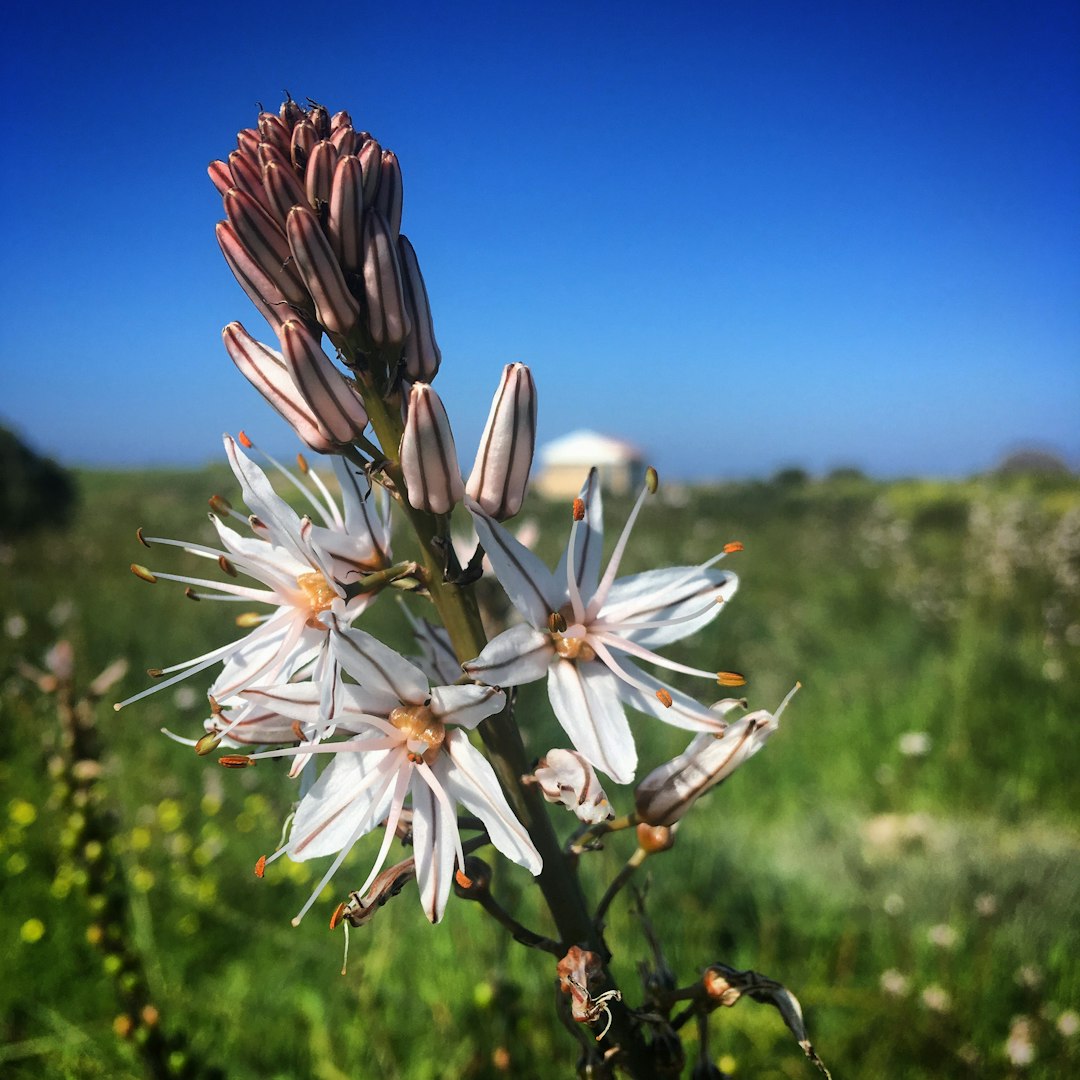
Mexican Hat (Ratibida columnifera) is a perennial native wildflower. Hardy in USDA zones 4 to 9. Prefers full sun.
Sun
Full sun
Zones
4–9
USDA hardiness
Height
3.1 feet
Planting Timeline
Showing dates for Mexican Hat in USDA Zone 7
All Zone 7 native-wildflower →Zone Map
Click a state to update dates
Mexican Hat · Zones 4–9
Growing Details
Complete Growing Guide
Light: Full sun (6 or more hours of direct sunlight a day). Propagation: Seed.
Harvesting
Mexican Hat reaches peak harvest readiness when the drooping red-brown petals fully reflexed downward and the prominent central cone darkens to deep brown or nearly black, typically four to six weeks after flowering begins. Gently squeeze the cone between your fingers—it should feel firm and dry rather than soft or moist. For continuous blooms throughout the season, deadhead spent flower heads regularly by pinching them off at the base, which encourages the plant to produce additional flowers rather than setting seed. If you prefer allowing natural seed production for wildlife or self-seeding next year, simply leave the final flush of flowers unharvested in late summer. Time your main harvesting for mid to late morning after dew evaporates, as this ensures optimal seed viability and easier handling of the dried flower heads.
This is an ornamental variety — not grown for harvest. Enjoy in the garden landscape.
Storage & Preservation
Mexican Hat flowers are ornamental and not typically stored for consumption. However, cut flowers can be displayed fresh at room temperature (65-72°F) in a vase with fresh water, lasting 7-10 days with daily water changes and stem trimming. For dried arrangements, hang bundles upside down in a cool, dry location (50-70°F, low humidity) for 2-3 weeks. Pressed flowers preserve indefinitely between paper in heavy books. Dried flowers can also be stored in airtight containers away from direct sunlight for several months, maintaining their distinctive columnar seed heads.
History & Origin
Ratibida columnifera, commonly known as Mexican Hat, is a native wildflower species with origins across the Great Plains and southwestern United States rather than Mexico, despite its common name. The plant occurs naturally from Canada through the central plains to the Southwest, representing a wild species rather than a deliberate breeding creation. Botanical documentation of its formal classification dates to the 19th century, though specific breeder information or intentional selection programs are not well-documented in horticultural records. The species was likely introduced to cultivation through seed collection of wild populations, becoming established in the ornamental trade as interest in native plants grew during the 20th century.
Origin: North America
Advantages
- +Attracts: Bees, Butterflies, Pollinators
Companion Plants
Purple Coneflower (Echinacea purpurea), Black-eyed Susan (Rudbeckia hirta), and Blanket Flower (Gaillardia) pair well because they share the same basic requirements — lean soil, full sun, moderate water — without crowding each other out. Their bloom windows shift across summer, so pollinators move through the patch continuously. Little Bluestem and Switchgrass serve a different function: both are deep-rooted grasses that don't interfere with Mexican Hat at the root zone, and their upright structure cuts wind without casting shade.
Tall Fescue (Festuca arundinacea) is the one to pull before planting any native forbs nearby. It produces allelopathic compounds that suppress germination, and its dense, matted roots physically shut out seedlings trying to establish. Tree of Heaven (Ailanthus altissima) and Autumn Olive (Elaeagnus umbellata) are invasive species with aggressive growth habits — either one will simply outpace Mexican Hat for light and moisture. Dig them out early; they don't improve with patience.
Plant Together
Purple Coneflower
Attracts beneficial pollinators and has similar growing requirements
Black-eyed Susan
Shares similar soil and water needs, creates attractive prairie-style display
Little Bluestem Grass
Provides structural support and mimics natural prairie ecosystem
Blanket Flower
Both are drought-tolerant natives that attract butterflies and beneficial insects
Wild Bergamot
Attracts pollinators while repelling harmful insects with aromatic oils
Prairie Sage
Repels deer and rabbits while tolerating similar dry conditions
Yarrow
Attracts beneficial insects and improves soil health through deep roots
Switchgrass
Provides wind protection and natural prairie companion
Keep Apart
Tall Fescue
Aggressive root system competes heavily for water and nutrients
Tree of Heaven
Produces allelopathic chemicals that inhibit growth of native wildflowers
Autumn Olive
Creates dense shade and depletes soil nutrients, crowding out native plants
Troubleshooting Mexican Hat
What you'll see, why it happens, and what to do about it.
Seedlings damping off at soil level within the first 2 weeks of germination — stem pinches thin, plant topples
Likely Causes
- Pythium or Fusarium damping-off fungi thriving in consistently wet, poorly drained soil
- Sowing too early into cold, slow-draining ground below 50°F
What to Do
- 1.Let the soil surface dry out between waterings — Mexican Hat tolerates drought far better than soggy roots
- 2.Direct sow after soil temps reach at least 55°F; a soil thermometer costs about $10 and saves a lot of re-seeding
- 3.If starting in trays, use a sterile seed-starting mix and bottom-water only
Powdery white coating on leaves by midsummer, starting on older foliage first
Likely Causes
- Powdery mildew (Erysiphe cichoracearum or related species) — common on prairie forbs in humid summers with poor airflow
- Plants spaced too close, especially under 18 inches apart
What to Do
- 1.Thin or transplant so plants sit at least 18–24 inches apart — airflow does more than any spray
- 2.Strip heavily affected leaves and dispose of them in the trash, not the compost pile
- 3.A diluted neem oil spray (2 tsp per quart of water) applied early morning can slow spread if caught before it covers more than 30% of the foliage
Plants stay short and bloom sparsely despite being in the ground 60+ days
Likely Causes
- Overly rich or recently amended soil — Ratibida columnifera evolved in lean prairie conditions and puts fertilizer energy into foliage, not flowers
- Insufficient sun — fewer than 6 hours of direct light shuts down flowering on this species
What to Do
- 1.Skip the compost amendment in the planting hole; this plant prefers infertile, well-drained soil
- 2.Plan next season's planting in a spot with unobstructed full sun from roughly 9 a.m. to 3 p.m.
- 3.Avoid nitrogen fertilizers entirely — they'll give you a bushy 3-foot plant with almost no flowers
Frequently Asked Questions
How long do Mexican Hat flowers bloom?▼
Is Mexican Hat a good wildflower for beginners?▼
Can you grow Mexican Hat in containers?▼
When should I plant Mexican Hat seeds?▼
What does the 'Mexican Hat' flower actually look like?▼
How much space do Mexican Hat plants need?▼
Zone-by-Zone Planting Calendar
Growing Guides from Wind River Greens
Sources & References
External authority sources used in compiling this guide.
- ExtensionNC State Extension
See the Methodology page for how this data is sourced, what's AI-assisted, and known limitations.