Common Milkweed
Asclepias syriaca
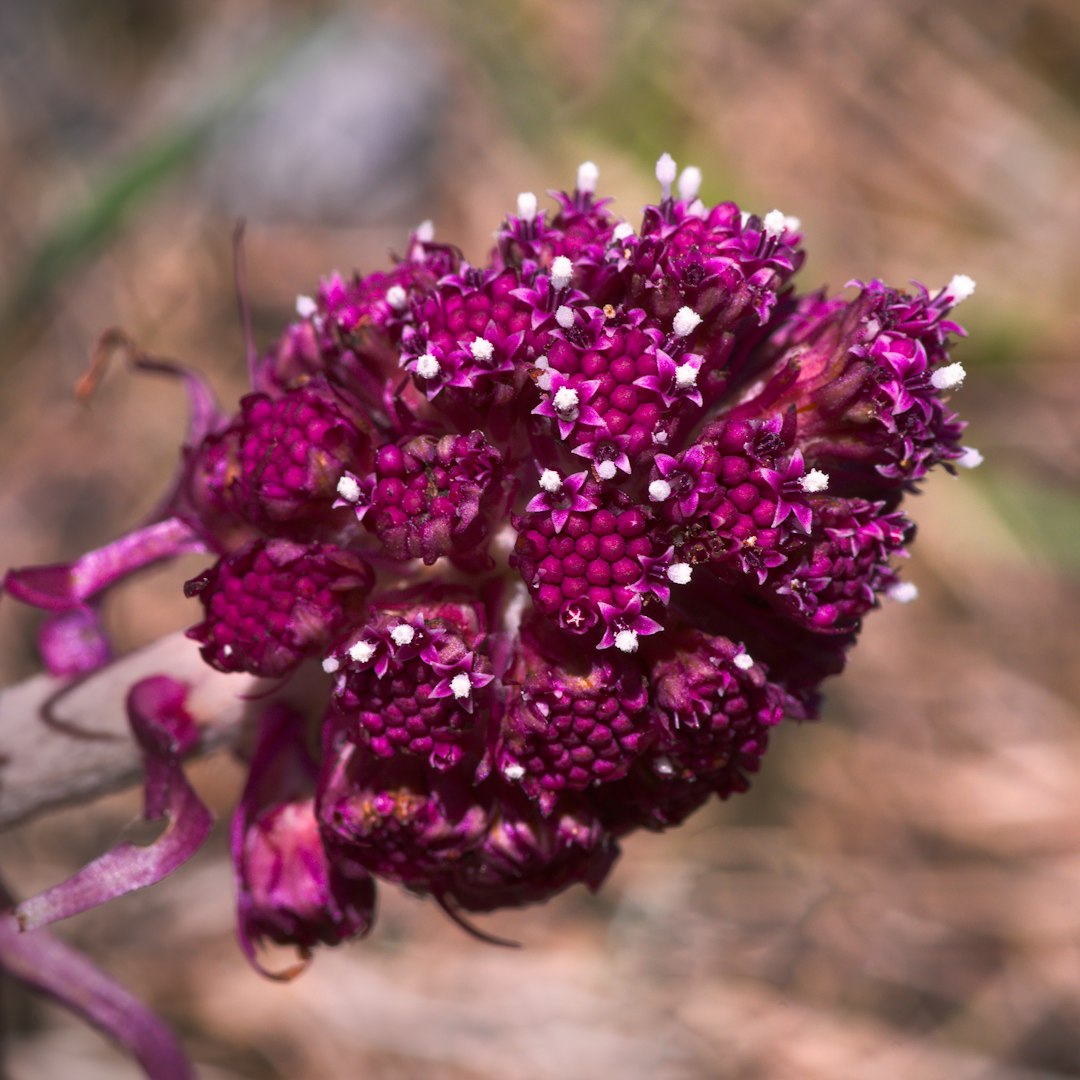
Common Milkweed (Asclepias syriaca) is a perennial native wildflower. Hardy in USDA zones 3 to 9. Prefers full sun.
Sun
Full sun
Zones
3–9
USDA hardiness
Height
3-5 feet
Planting Timeline
Showing dates for Common Milkweed in USDA Zone 7
All Zone 7 native-wildflower →Zone Map
Click a state to update dates
Common Milkweed · Zones 3–9
Growing Details
Complete Growing Guide
Light: Full sun (6 or more hours of direct sunlight a day). Soil: Clay, Loam (Silt), Sand, Shallow Rocky. Drainage: Good Drainage, Occasionally Dry. Height: 3 ft. 0 in. - 5 ft. 0 in.. Spread: 0 ft. 8 in. - 1 ft. 0 in.. Spacing: 12 inches-3 feet, 3 feet-6 feet. Growth rate: Rapid. Maintenance: Low. Propagation: Root Cutting, Seed. Regions: Coastal, Mountains, Piedmont.
Harvesting
Fruit a hairy and spiked gray follicle dry and inflated, 2"-4" long 1 2/3" wide erect, with a thick end and tapered tip. It has many hair-tufted seeds that are wind dispersed. Seed pod has a warty appearance and is used in dried flower arrangments. Displays from July through September
Color: Gray/Silver. Type: Capsule. Length: > 3 inches. Width: 1-3 inches.
Garden value: Good Dried
Harvest time: Fall, Summer
Storage & Preservation
Common Milkweed seeds store exceptionally well when kept dry and cool. Place cleaned, fully dried seeds in paper envelopes or open containers in a cool basement or unheated shed where temperature stays between 50–60°F and humidity remains low. Seeds remain viable for 2–3 years stored this way. For long-term preservation, place seeds in an airtight container with a desiccant packet (silica gel) and store in a refrigerator at 35–40°F; viability extends to 5+ years. Do not store in plastic bags unless using desiccants, as moisture accumulation will rot seeds. Milkweed foliage itself is not typically preserved for culinary use, though dried leaves retain palatability for wildlife and pollinators if left on the plant through winter.
History & Origin
Origin: Central & E. Canada to Central & E. U.S.A., NC
Advantages
- +Attracts: Bees, Butterflies, Pollinators, Songbirds, Specialized Bees
- +Fast-growing
- +Low maintenance
Considerations
- -Toxic (Bark, Flowers, Fruits, Leaves, Roots, Seeds, Stems): Low severity
- -Causes contact dermatitis
Companion Plants
Purple Coneflower (Echinacea purpurea), Black-Eyed Susan (Rudbeckia hirta), and Wild Bergamot (Monarda fistulosa) are the companions worth planting nearest to milkweed. All three share the same full-sun, lean-soil tolerance, so you're not fighting competing water or fertilizer needs. More practically, that mix keeps something in bloom from late May through September — monarchs and native bees that milkweed draws in have a reason to stay in the area rather than drift off once the milkweed finishes flowering in July. Little Bluestem Grass and Prairie Dropseed earn their spot at the edges: they fill vertical space without shading the milkweed, and their fine, fibrous root systems don't compete at the same depth as milkweed's spreading rhizomes.
Crown Vetch is the plant to actively exclude. It spreads fast, forms a dense mat, and produces root exudates that chemically suppress neighboring plants — milkweed included. It can look manageable for one season and then quietly dominate a bed by year two. Purple Loosestrife runs a similar playbook near wet areas; it's aggressive enough to collapse an entire stand within a few years and is listed as invasive across most of zones 3–7 by state and federal agencies.
Plant Together
Purple Coneflower
Attracts beneficial pollinators and creates habitat diversity for monarch butterflies
Black-Eyed Susan
Blooms at similar times, attracts complementary pollinators and beneficial insects
Wild Bergamot
Attracts different pollinator species and provides nectar when milkweed is not blooming
Little Bluestem Grass
Provides structural support and creates natural prairie ecosystem conditions
Goldenrod
Extends late-season nectar sources for monarchs and other pollinators
Joe Pye Weed
Attracts monarch butterflies and provides tall backdrop structure
Wild Lupine
Fixes nitrogen in soil and supports different butterfly species
Prairie Dropseed
Provides ground cover and creates natural prairie plant community
Keep Apart
Crown Vetch
Aggressive invasive that can outcompete and smother native milkweed plants
Tree of Heaven
Releases allelopathic chemicals that inhibit growth of native plants including milkweed
Purple Loosestrife
Invasive wetland plant that crowds out native species and alters habitat
Pests & Disease Resistance
Common Pests
Milkweed beetle, milkweed bug, monarch caterpillars (not a pest—beneficial)
Diseases
Leaf spot (fungal), rust; rarely serious in established plants
Troubleshooting Common Milkweed
What you'll see, why it happens, and what to do about it.
Orange, powdery pustules on the undersides of leaves, sometimes with yellowing on the upper surface
Likely Causes
- Milkweed rust (Puccinia bartholomaei) — a host-specific fungal rust that overwinters in plant debris
- Poor airflow from overcrowded planting
What to Do
- 1.Snap off and bag the worst-affected leaves — don't compost them
- 2.Cut the entire stand back to the ground in late fall and clear the debris so rust spores don't overwinter
- 3.Space new plants at least 18–24 inches apart so air moves through the colony
Round to irregular brown or tan spots on leaves, sometimes with a yellow halo, appearing mid-summer
Likely Causes
- Fungal leaf spot (Cercospora or Phoma spp.) — common in humid summers, spreads via water splash
- Overhead watering that keeps foliage wet for extended periods
What to Do
- 1.Pull off spotted leaves and dispose of them in the trash
- 2.Water at the base of the plant, not overhead, especially in the evening
- 3.Established milkweed usually outgrows mild leaf spot on its own — hold off unless defoliation hits more than a third of the canopy
Bright red-and-black beetles or large red-and-black bugs clustered on stems and seed pods
Likely Causes
- Milkweed beetle (Tetraopes tetrophthalmus) — feeds on stems and roots but rarely kills established plants
- Milkweed bug (Oncopeltus fasciatus) — feeds on seeds inside pods, reducing seed viability
What to Do
- 1.Hand-pick beetles and bugs into a bucket of soapy water if numbers are high — gloves help since milkweed sap is sticky
- 2.Leave moderate populations alone; both insects are native and part of the milkweed ecosystem
- 3.If you're saving seed, harvest pods just before they split open so bugs have less time to damage the seeds
Milkweed stand shrinking or failing to spread after 2–3 seasons, with aggressive ground cover moving in
Likely Causes
- Crown vetch (Coronilla varia) outcompeting milkweed through dense mat formation and allelopathic root exudates
- Tree of Heaven (Ailanthus altissima) casting shade and releasing ailanthone, a compound that suppresses neighboring plant growth
- Purple loosestrife (Lythrum salicaria) crowding wet-edge plantings
What to Do
- 1.Remove crown vetch and loosestrife by hand or with targeted herbicide before planting milkweed — one season of control first pays off
- 2.Cut Tree of Heaven repeatedly at the base through the growing season to exhaust root reserves; don't let it establish within 10 feet of your milkweed patch
- 3.Mulch gaps between milkweed plants with 2–3 inches of wood chips to slow weed reinvasion while the colony fills in
Frequently Asked Questions
Is Common Milkweed really the only plant monarch caterpillars eat?▼
How long does Common Milkweed take to bloom?▼
Can you grow Common Milkweed in containers?▼
Will Common Milkweed take over my garden?▼
When is the best time to plant Common Milkweed seeds?▼
What's the difference between Common Milkweed and Showy Milkweed?▼
Zone-by-Zone Planting Calendar
Growing Guides from Wind River Greens
Sources & References
External authority sources used in compiling this guide.
- ExtensionNC State Extension
See the Methodology page for how this data is sourced, what's AI-assisted, and known limitations.