Prairie Blazingstar
Liatris pycnostachya
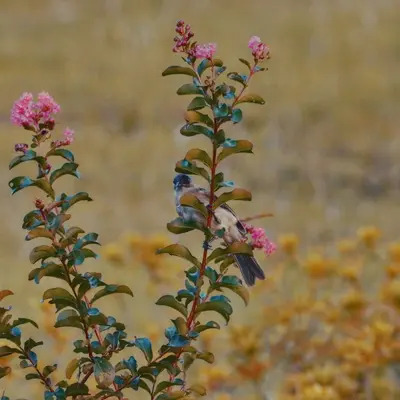
A tall, dramatic native perennial that sends up striking purple flower spikes that bloom from top to bottom in late summer, creating a unique spectacle in prairie gardens. This pollinator magnet is essential for monarch butterfly migration and adds stunning vertical interest to any native plant garden.
Sun
Full sun
Zones
3–9
USDA hardiness
Height
3.5 feet
Planting Timeline
Showing dates for Prairie Blazingstar in USDA Zone 7
All Zone 7 native-wildflower →Zone Map
Click a state to update dates
Prairie Blazingstar · Zones 3–9
Growing Details
Complete Growing Guide
Light: Full sun (6 or more hours of direct sunlight a day). Soil: Clay, Loam (Silt), Sand. Drainage: Good Drainage, Occasionally Dry. Growth rate: Medium. Maintenance: Low.
Harvesting
Achenes with light brown hairs. Seeds distributed by the wind.
Color: Brown/Copper. Type: Achene. Length: < 1 inch. Width: < 1 inch.
Harvest time: Fall
Storage & Preservation
Prairie Blazingstar flowers are best enjoyed fresh in vases and should be kept on a cool counter away from direct sunlight and heat sources. For cut flowers, change water every 2-3 days and trim stems at an angle; they typically last 7-10 days. To preserve, try air-drying upright in bundles in a warm, well-ventilated space for dried arrangements (2-3 weeks). Alternatively, press flowers between parchment paper under heavy books for 1-2 weeks to create botanical specimens. For seeds, allow flower spikes to dry completely on the plant, collect before shattering, and store in cool, dry conditions for spring planting.
History & Origin
Origin: Central U.S.A
Advantages
- +Attracts: Butterflies, Hummingbirds, Songbirds
- +Low maintenance
Companion Plants
Little Bluestem and Sideoats Grama are the companions I'd prioritize — both are native bunchgrasses with shallow, clumping root systems that don't compete with Liatris's deep corm, and in our zone 7 Georgia garden they fill the mid-border without crowding the spike. Purple Coneflower and Black-eyed Susan bloom on a slightly offset schedule, which keeps pollinators cycling through the planting from June into October. Crown Vetch is a hard no — it spreads by rhizome and will physically bury Liatris within two seasons. Kentucky Bluegrass is subtler trouble: its dense fibrous mat outcompetes native forbs for the top 4–6 inches of soil moisture and rarely retreats once it's established.
Plant Together
Little Bluestem Grass
Provides structural support and creates natural prairie ecosystem conditions
Purple Coneflower
Shares similar growing conditions and attracts beneficial pollinators
Wild Bergamot
Attracts native bees and butterflies while deterring harmful insects
Black-eyed Susan
Blooms at different times extending pollinator season and shares soil preferences
Butterfly Milkweed
Attracts monarch butterflies and other pollinators, thrives in similar dry conditions
Wild Lupine
Fixes nitrogen in soil and supports native butterfly larvae
Sideoats Grama
Native grass that provides wind protection and natural prairie habitat structure
New England Aster
Extends blooming season into fall and shares root zone compatibility
Keep Apart
Crown Vetch
Aggressive invasive that outcompetes native plants and disrupts prairie ecosystem
Kentucky Bluegrass
Non-native cool season grass that forms dense sod and crowds out prairie plants
Tree of Heaven
Produces allelopathic chemicals that inhibit growth of native prairie plants
Pests & Disease Resistance
Resistance
Excellent disease resistance, may rot in overly wet conditions
Common Pests
Liatris borer, aphids
Diseases
Root rot in wet soils, rust
Troubleshooting Prairie Blazingstar
What you'll see, why it happens, and what to do about it.
Hollow or tunneled stems, plant wilting or snapping at mid-stalk during summer bloom
Likely Causes
- Liatris borer (Papaipema sp.) — moth larva that bores into the stem and feeds downward toward the crown
- Single-stem plants with no surrounding vegetation to deter adult moth egg-laying
What to Do
- 1.Cut the affected stem below the entry hole and destroy it — don't compost it
- 2.Check the crown for larvae and remove by hand if you find them
- 3.Plant in dense prairie-style groupings of 5 or more; monoculture patches draw borers faster than mixed plantings
Orange or rust-colored powdery pustules on the undersides of leaves, usually showing up mid-summer
Likely Causes
- Liatris rust (Coleosporium asterum or related Puccinia species) — a fungal pathogen that spreads by windborne spores
- Humid summers with poor airflow, which describes most of August in the southeast
What to Do
- 1.Strip affected leaves and bag them — don't leave them on the soil surface
- 2.Space plants at least 18 inches apart and switch to drip or soaker hose; keeping foliage dry cuts spore germination significantly
- 3.Divide and thin the clump every 3–4 years — rust tends to recur in dense, older crowns
Crown and roots turning brown and mushy, plant collapsing at the base despite adequate water
Likely Causes
- Root rot — most often Pythium or Phytophthora species in heavy clay soils with poor drainage
- Planting corms deeper than 1–2 inches in a low spot that holds water after rain
What to Do
- 1.Dig the corm, cut away all soft tissue with a clean knife, dust the cut surface with powdered sulfur, and let it dry 24 hours before replanting
- 2.Amend the bed with coarse sand or fine gravel to break up clay — NC State Extension recommends raising the bed 4–6 inches if drainage is chronically poor
- 3.Relocate to the highest, best-drained spot available; avoid replanting Liatris in the same hole
Frequently Asked Questions
When should I plant Prairie Blazingstar?▼
Is Prairie Blazingstar good for beginner gardeners?▼
Can you grow Prairie Blazingstar in containers?▼
How long do Prairie Blazingstar flowers bloom?▼
What pests affect Prairie Blazingstar?▼
How tall does Prairie Blazingstar grow?▼
Zone-by-Zone Planting Calendar
Growing Guides from Wind River Greens
Sources & References
External authority sources used in compiling this guide.
- ExtensionNC State Extension
See the Methodology page for how this data is sourced, what's AI-assisted, and known limitations.