White Heath Aster
Symphyotrichum ericoides
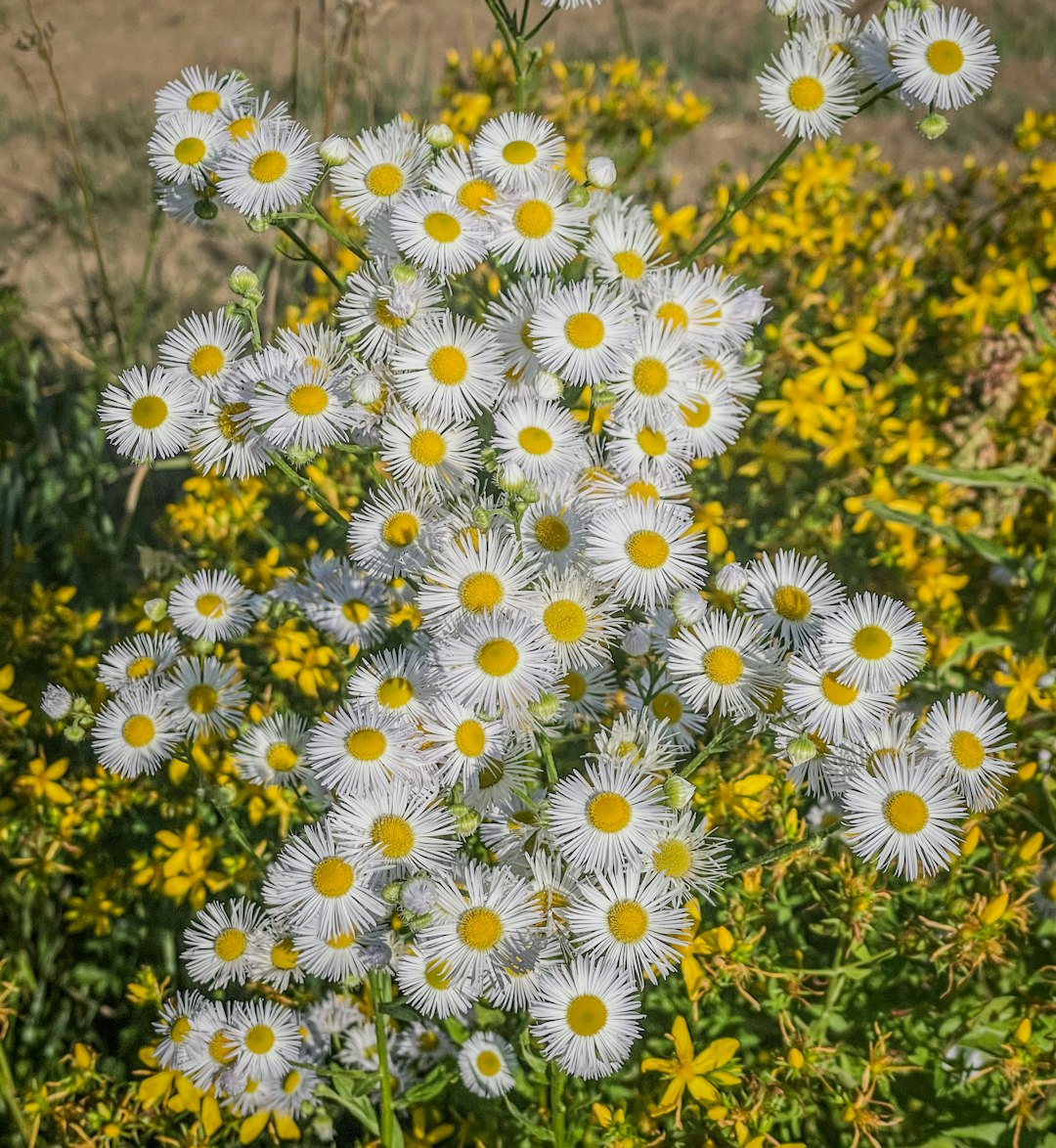
White Heath Aster (Symphyotrichum ericoides) is a perennial native wildflower. Hardy in USDA zones 3 to 9.
Sun
Full sun
Zones
3–9
USDA hardiness
Height
1-3 feet
Planting Timeline
Showing dates for White Heath Aster in USDA Zone 7
All Zone 7 native-wildflower →Zone Map
Click a state to update dates
White Heath Aster · Zones 3–9
Growing Details
Complete Growing Guide
Light: Full sun (6 or more hours of direct sunlight a day). Soil: Clay, Loam (Silt), Sand, Shallow Rocky. Soil pH: Alkaline (>8.0). Drainage: Good Drainage, Occasionally Dry. Height: 1 ft. 6 in. - 3 ft. 0 in.. Spread: 1 ft. 0 in. - 1 ft. 6 in.. Spacing: 12 inches-3 feet. Growth rate: Medium. Maintenance: Low. Propagation: Division, Seed. Regions: Coastal, Mountains, Piedmont.
Harvesting
Peak readiness for White Heath Aster occurs when the small daisy-like flowers transition from tight buds to fully open blooms with visible yellow centers, typically displaying pristine white ray petals. Gently squeeze a bloom—the flower should feel firm yet fresh, not papery or brittle. This wildflower supports continuous harvesting throughout its late summer and fall bloom period; deadheading spent flowers encourages extended flowering rather than a single flush. For optimal results, harvest in early morning after dew dries but before afternoon heat, cutting stems just above a leaf node to promote branching and fuller arrangements.
Type: Achene.
Storage & Preservation
White Heath Aster flowers do not require storage for consumption as they are ornamental wildflowers, not edible. However, if harvesting for dried flower arrangements or botanical use, cut stems in the morning when flowers are fully open. Store in a cool, dry location (60-65°F, 40-50% humidity) away from direct sunlight. Dried flowers can be preserved for 6-12 months. Preservation methods include: (1) Air-drying bundles upside-down in a well-ventilated area for 2-3 weeks; (2) Silica gel drying for faster results and better color retention; (3) Pressing between newspaper for flat botanical specimens. Keep dried flowers in airtight containers to prevent moisture absorption.
History & Origin
Origin: Canada, northern central U.S.A., to Mexico
Advantages
- +Attracts: Bees, Butterflies, Specialized Bees
- +Low maintenance
Companion Plants
Purple Coneflower (Echinacea purpurea), Black-Eyed Susan (Rudbeckia hirta), and Little Bluestem (Schizachyrium scoparium) are the strongest pairings here. All three tolerate lean, well-drained soil at pH 6.5–8.0 without complaint, so none of them will outcompete Symphyotrichum ericoides in the nutrient department, and their staggered bloom windows keep pollinators cycling through from June into October. Wild Bergamot adds a mild pest-confusion effect through its aromatic foliage. Black Walnut is a hard no — juglone leaches from its roots and can stunt or kill asters across a wide radius, and unlike most toxicity warnings, this one shows up fast and ugly.
Plant Together
Purple Coneflower
Attracts beneficial pollinators and shares similar growing conditions and bloom timing
Black-Eyed Susan
Creates pollinator habitat succession and both thrive in similar soil conditions
Little Bluestem Grass
Provides structural support and creates natural prairie ecosystem balance
Wild Bergamot
Attracts diverse beneficial insects and both prefer well-drained soils
Goldenrod
Blooms simultaneously creating abundant late-season nectar sources for pollinators
New England Aster
Cross-pollination benefits and shared resistance to common aster diseases
Prairie Dropseed
Grass companion that provides wind protection without competing for nutrients
Wild Lupine
Nitrogen-fixing legume that enriches soil for the aster's benefit
Keep Apart
Black Walnut
Produces juglone toxin that inhibits growth and can kill aster family plants
Crown Vetch
Aggressive invasive groundcover that outcompetes and smothers native asters
Tree of Heaven
Allelopathic properties suppress native wildflower growth and establishment
Pests & Disease Resistance
Common Pests
Spider mites, aphids, leafhoppers
Diseases
Powdery mildew, rust, leaf spot
Troubleshooting White Heath Aster
What you'll see, why it happens, and what to do about it.
White powdery coating on leaves and stems, usually appearing mid-to-late summer
Likely Causes
- Powdery mildew (Erysiphe cichoracearum or related species) — thrives in warm days, cool nights, and low airflow
- Overcrowded planting that traps humidity around the foliage
What to Do
- 1.Cut affected stems back by about a third to open up the plant; this alone often stops the spread
- 2.Space plants at least 18 inches apart — crowding is usually what starts it
- 3.If it's bad two years running, divide the clump in early spring and replant with more room
Stippled, silvery or bronzed leaves with fine webbing on the undersides, worst during dry spells
Likely Causes
- Two-spotted spider mites (Tetranychus urticae) — populations explode in hot, dry conditions above 85°F
- Dusty conditions on unpaved paths or bare soil nearby
What to Do
- 1.Knock mites off with a strong stream of water from a hose — do it in the morning so foliage dries before evening
- 2.Mulch around the base to reduce dust and keep soil moisture more even
- 3.If the infestation is heavy, apply insecticidal soap directly to the undersides of leaves; repeat every 5–7 days for two or three applications
Clusters of small, soft insects on new growth tips, leaves curling or looking sticky
Likely Causes
- Aphids (commonly Aphis or Macrosiphum spp.) — tend to colonize the tender new growth first
- Ant activity nearby, which often signals aphids because ants farm them for honeydew
What to Do
- 1.Spray the colonies off with water — check under the leaves, not just the tops
- 2.Tolerate light infestations; White Heath Aster attracts predatory wasps and ladybugs that will move in within a week or two
- 3.For heavy infestations, apply neem oil in the early morning or evening to avoid harming visiting pollinators
Frequently Asked Questions
Is White Heath Aster a good choice for beginning wildflower gardeners?▼
How long does White Heath Aster take to germinate?▼
Can you grow White Heath Aster in containers?▼
When should I plant White Heath Aster seeds?▼
What is the optimal spacing for White Heath Aster plants?▼
What are the white flowers of Heath Aster useful for?▼
Zone-by-Zone Planting Calendar
Growing Guides from Wind River Greens
Sources & References
External authority sources used in compiling this guide.
- ExtensionNC State Extension
See the Methodology page for how this data is sourced, what's AI-assisted, and known limitations.