Purple Poppy Mallow
Callirhoe involucrata
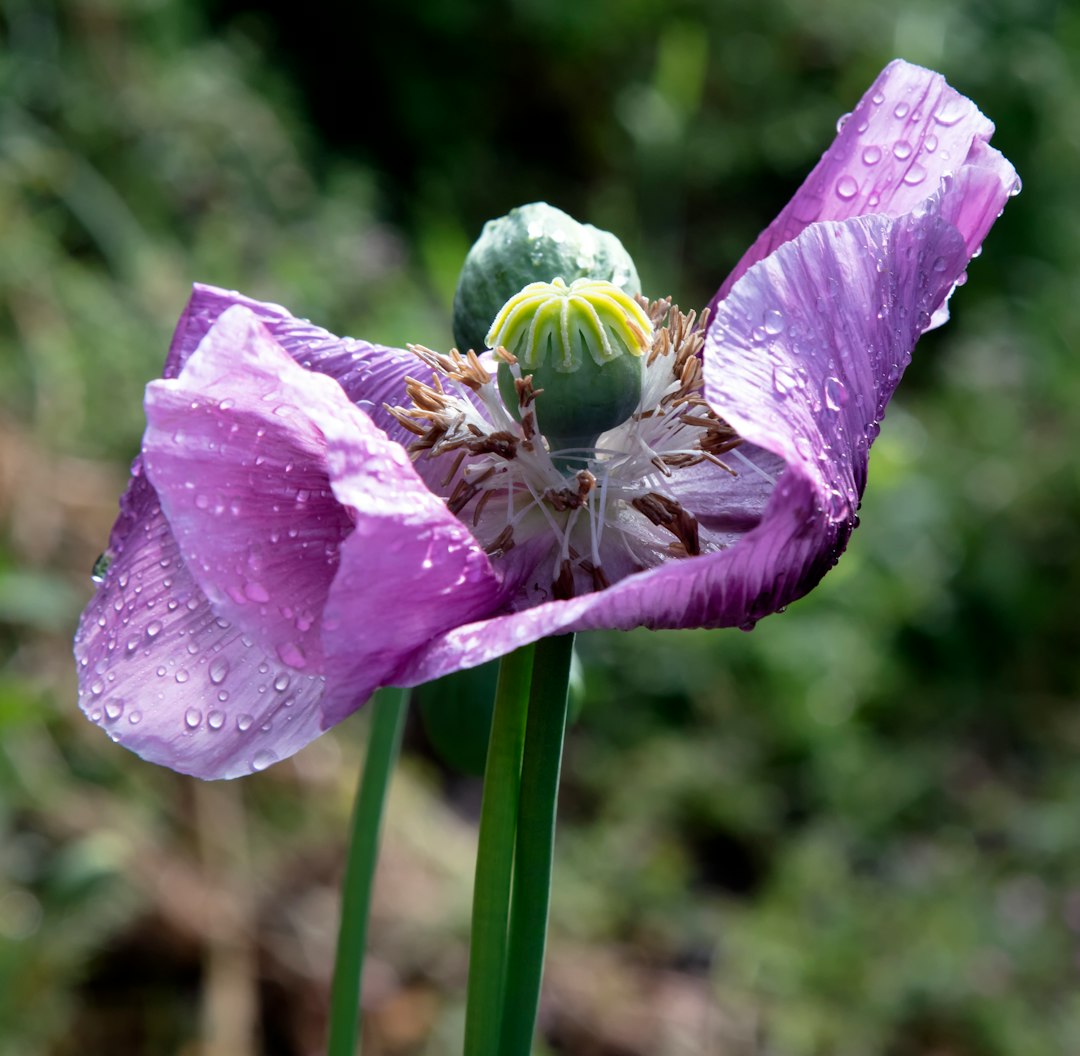
Purple Poppy Mallow (Callirhoe involucrata) is a perennial native wildflower. Hardy in USDA zones 4 to 8. Prefers full sun.
Sun
Full sun
Zones
4–8
USDA hardiness
Height
6-12 inches
Planting Timeline
Showing dates for Purple Poppy Mallow in USDA Zone 7
All Zone 7 native-wildflower →Zone Map
Click a state to update dates
Purple Poppy Mallow · Zones 4–8
Growing Details
Complete Growing Guide
Light: Full sun (6 or more hours of direct sunlight a day). Soil: Clay, Loam (Silt), Sand, Shallow Rocky. Drainage: Good Drainage, Moist, Occasionally Dry. Height: 0 ft. 6 in. - 1 ft. 0 in.. Spread: 0 ft. 6 in. - 3 ft. 0 in.. Spacing: Less than 12 inches, 12 inches-3 feet. Maintenance: Low. Propagation: Seed. Regions: Coastal, Mountains, Piedmont.
Harvesting
Schizocarps that are arranged together like a ring, are flattened and reniform (kidney-shaped) with short hairy beaks. Each contains a single seed.
Type: Schizocarp. Length: < 1 inch. Width: < 1 inch.
Harvest time: Fall, Summer
Storage & Preservation
Fresh-cut blooms from Purple Poppy Mallow are best enjoyed immediately or held in a clean vase with cool water at room temperature for 3–5 days. Change water every 2 days and trim stem ends at a 45-degree angle to maximize water uptake. For drying, cut stems with fully open flowers in the morning and hang them upside-down in a dark, well-ventilated space (a garage or shed) away from direct sunlight. Flowers dry in 1–2 weeks and retain their magenta color well when dried out of direct light. Dried flowers are excellent for floral arrangements, wreaths, and potpourri and remain viable for 6–12 months when stored in an airtight container away from humidity. Alternatively, press individual flowers between parchment paper under heavy books for 2–3 weeks to create flat blooms suitable for crafting, bookmarks, or botanical art. No refrigeration or freezing is recommended.
History & Origin
Origin: Central U.S.A. and Mexico
Advantages
- +Stunning wine-purple flowers bloom prolifically throughout summer months.
- +Extremely drought-tolerant once established, requiring minimal watering.
- +Low-maintenance perennial that spreads nicely in appropriate conditions.
- +Attracts pollinators and beneficial insects to gardens naturally.
Considerations
- -Requires excellent drainage; poorly draining soil causes root rot.
- -Short-lived flowers wilt by afternoon in hot climates.
- -Can spread aggressively and overtake nearby plants if unchecked.
Companion Plants
The native prairie grasses and forbs in our database — Little Bluestem, Prairie Dropseed, Black-Eyed Susan, Purple Coneflower, Wild Bergamot, and Butterfly Milkweed — pair naturally with Purple Poppy Mallow because they evolved in the same dry, rocky-to-sandy soils. They all root deeply rather than competing at the surface, so they don't crowd each other for water once established. In our zone 7 Georgia garden, this group blooms in overlapping waves from May through September, keeping native bees moving through the bed without any extra effort on your part. Yarrow and Lavender earn a spot too; both tolerate the same lean, well-drained conditions without muscling out the mallow's low sprawling stems.
Walnut trees are a hard no — they produce juglone, a root-zone compound that disrupts cell respiration in many plants, and Callirhoe has no known tolerance for it. Mint is a different kind of problem: it spreads by underground runner and its shallow, dense roots will work right into the mallow's crown before you notice. Tall Fescue does the same damage more slowly — it's a water-hungry turfgrass that outcompetes low-growing natives during the establishment window, which for this species can stretch through the whole first season.
Plant Together
Little Bluestem
Compatible native grass that provides structural support and shares similar water needs
Black-Eyed Susan
Attracts beneficial pollinators and shares similar prairie growing conditions
Purple Coneflower
Both native prairie plants with similar drought tolerance and complementary bloom times
Wild Bergamot
Attracts beneficial insects and pollinators while deterring harmful pests
Prairie Dropseed
Native grass companion that improves soil structure without competing for nutrients
Butterfly Milkweed
Attracts butterflies and beneficial insects, shares similar prairie habitat preferences
Yarrow
Improves soil health and attracts beneficial predatory insects
Lavender
Repels harmful insects and attracts pollinators, prefers similar well-drained conditions
Keep Apart
Walnut Trees
Produces juglone which is toxic to many prairie plants including poppy mallow
Mint
Aggressive spreader that can quickly overwhelm and outcompete native wildflowers
Tall Fescue
Allelopathic grass that inhibits growth of native wildflowers through chemical compounds
Troubleshooting Purple Poppy Mallow
What you'll see, why it happens, and what to do about it.
Stems rotting at the soil line, plant wilting and collapsing even when soil isn't waterlogged
Likely Causes
- Crown rot (Phytophthora or Pythium spp.) — triggered by poorly drained soil holding moisture around the taproot
- Planting too deep, burying the crown where the taproot meets the stem
What to Do
- 1.Dig the plant and check the taproot — if it's mushy below the crown, it's unlikely to recover; remove it and don't replant a Callirhoe in that spot without improving drainage first
- 2.Amend heavy clay beds with coarse grit or decomposed granite before replanting; this species is native to rocky prairies and genuinely dislikes wet feet
- 3.When transplanting, set the crown at or just above the existing soil grade, not below it
Foliage covered in a white powdery coating, most visible on older leaves in mid-to-late summer
Likely Causes
- Powdery mildew (Erysiphe cichoracearum or related species) — common on mallows in humid conditions with poor airflow
- Crowded spacing under 12 inches that traps moisture around the low-spreading stems
What to Do
- 1.Reposition neighboring plants so stems get at least 12 inches of clearance; this species spreads to about 24 inches wide, so crowding happens faster than you'd expect
- 2.Spray affected foliage with a diluted neem oil solution (2 tsp per quart of water) every 7 days until the coating stops spreading
- 3.Water at the base in the morning rather than overhead in the afternoon — wet foliage sitting into the evening feeds the problem
Frequently Asked Questions
Is Purple Poppy Mallow cold hardy? What zones can I grow it in?▼
How long does Purple Poppy Mallow take to bloom from seed?▼
Can I grow Purple Poppy Mallow in containers?▼
Why is my Purple Poppy Mallow dying or not flowering?▼
When should I plant Purple Poppy Mallow seeds or seedlings?▼
Does Purple Poppy Mallow attract pollinators?▼
Zone-by-Zone Planting Calendar
Growing Guides from Wind River Greens
Sources & References
External authority sources used in compiling this guide.
- ExtensionNC State Extension
See the Methodology page for how this data is sourced, what's AI-assisted, and known limitations.