Partridge Pea
Chamaecrista fasciculata
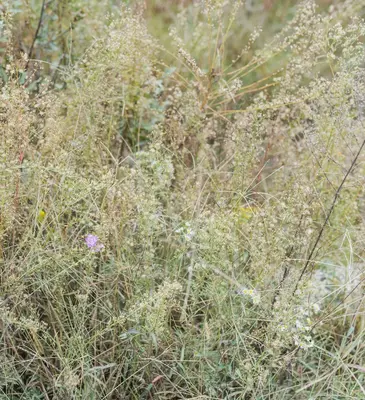
A delightful annual legume that produces bright yellow flowers with distinctive red-spotted petals throughout summer and fall. This native prairie plant fixes nitrogen in the soil while attracting beneficial insects and providing seeds for quail and other wildlife. The sensitive compound leaves fold when touched, adding an interactive element that children love.
Sun
Full sun
Zones
3–9
USDA hardiness
Height
2.4 feet
Planting Timeline
Showing dates for Partridge Pea in USDA Zone 7
All Zone 7 native-wildflower →Zone Map
Click a state to update dates
Partridge Pea · Zones 3–9
Growing Details
Complete Growing Guide
Light: Full sun (6 or more hours of direct sunlight a day). Soil: Clay, Loam (Silt), Sand. Soil pH: Acid (<6.0), Neutral (6.0-8.0). Drainage: Good Drainage, Moist, Occasionally Dry. Propagation: Seed. Regions: Coastal, Mountains, Piedmont.
Harvesting
Flat, narrow 2 1/2" long green pods mature to brown, breaking open and dispersing seeds from July to November.
Color: Brown/Copper, Green. Type: Legume. Length: 1-3 inches. Width: < 1 inch.
Harvest time: Fall, Summer
Storage & Preservation
Partridge Pea is not typically harvested for consumption. However, if collecting seeds for propagation or wildlife feeding, store dry seeds in airtight containers at room temperature (60-70°F) in a cool, dark location with low humidity (below 50%). Properly dried seeds maintain viability for 2-3 years. Preservation methods include: (1) Air-drying seed pods completely before extracting seeds, (2) Vacuum-sealing seeds in cool storage to extend longevity, and (3) Refrigerating sealed seed containers at 35-40°F for long-term viability. Keep away from moisture and direct sunlight.
History & Origin
Origin: Central and Eastern U.S.A.
Advantages
- +Attracts: Bees, Butterflies, Pollinators, Songbirds
Companion Plants
The native prairie grasses and forbs in our database pair well with Partridge Pea because they share the same soil preferences — low fertility, good drainage, pH in the 5.5–7.0 range — so neither plant is quietly starving the other. Little Bluestem and Switchgrass are warm-season grasses that go fully dormant by the time Partridge Pea is dropping seed in fall, which means no competition for moisture or light at the moment the plant needs to finish its cycle. Purple Coneflower (Echinacea purpurea), Black-eyed Susan (Rudbeckia hirta), and Wild Bergamot (Monarda fistulosa) extend the bloom window on either side of Partridge Pea's yellow flowers and collectively draw the same specialist pollinators — including pollen-collecting bees in the genus Xylocopa — that work this plant.
Tall Fescue and other cool-season grasses are the real problem. They peak in early spring, exactly when Partridge Pea seedlings are trying to put down roots, and they'll win that fight at the root zone before the season gets going. Tree seedlings are slower trouble — a young sweetgum looks harmless in year one, but by year three you've lost your full-sun planting to canopy shade. Pull them as soon as you see them.
Plant Together
Little Bluestem
Compatible prairie grass that shares similar soil and moisture requirements
Purple Coneflower
Attracts beneficial pollinators and predatory insects that help control pests
Black-eyed Susan
Complementary bloom times extend pollinator season and both thrive in similar conditions
Wild Bergamot
Attracts native bees and butterflies while repelling some harmful insects
Switchgrass
Provides structural support and wind protection while sharing nitrogen fixed by partridge pea
Butterfly Milkweed
Attracts monarch butterflies and other pollinators, both prefer well-drained soils
Wild Lupine
Both are nitrogen-fixing legumes that can enhance soil fertility together
Goldenrod
Provides late-season nectar for pollinators and creates beneficial insect habitat
Keep Apart
Tree Seedlings
Partridge pea is allelopathic to woody plants, inhibiting tree germination and growth
Cool-season Grasses
Compete aggressively for resources and can shade out this sun-loving annual
Tall Fescue
Dense growth habit and allelopathic properties suppress partridge pea establishment
Pests & Disease Resistance
Resistance
Generally disease resistant, very hardy annual
Common Pests
Generally pest resistant, may attract beneficial insects
Diseases
Rarely affected by diseases, very robust native
Troubleshooting Partridge Pea
What you'll see, why it happens, and what to do about it.
Seeds sown in spring fail to germinate after 14+ days, even with adequate moisture
Likely Causes
- Hard seed coat (physical dormancy) — Chamaecrista fasciculata seeds have an impermeable testa that blocks water uptake without scarification
- Soil temps below 65°F at sowing depth
What to Do
- 1.Scarify seeds before planting: nick each one lightly with a nail file, or soak in hot (not boiling) water for 12–24 hours until they visibly swell
- 2.Wait until soil temperature at 1-inch depth hits at least 65°F — a cheap soil thermometer will tell you more than the calendar
- 3.Re-sow scarified seed; germination should follow within 7–10 days under warm conditions
Plants stay small and pale green, barely reaching 12 inches by midsummer
Likely Causes
- Soil too rich in nitrogen — Partridge Pea fixes its own nitrogen via root bacteria (Bradyrhizobium spp.) and struggles in amended, fertilized beds
- Soil pH below 5.5 limiting rhizobial activity
- Shade from neighboring plants blocking the full sun this species needs
What to Do
- 1.Skip the compost and fertilizer entirely — this plant does its best work in lean, well-drained soil with no help from you
- 2.Test soil pH; if it reads below 5.5, scratch in a small amount of ground limestone to bring it toward 6.0–6.5
- 3.Cut back or relocate any neighboring plants casting shade; Partridge Pea needs 6+ unobstructed hours of direct sun to size up properly
Frequently Asked Questions
Is Partridge Pea good for beginner gardeners?▼
When should I plant Partridge Pea seeds?▼
Can you grow Partridge Pea in containers?▼
How long does Partridge Pea bloom?▼
What is Partridge Pea used for?▼
How much sun does Partridge Pea need?▼
Zone-by-Zone Planting Calendar
Growing Guides from Wind River Greens
Sources & References
External authority sources used in compiling this guide.
- ExtensionNC State Extension
See the Methodology page for how this data is sourced, what's AI-assisted, and known limitations.