Prairie Dock
Silphium terebinthinaceum
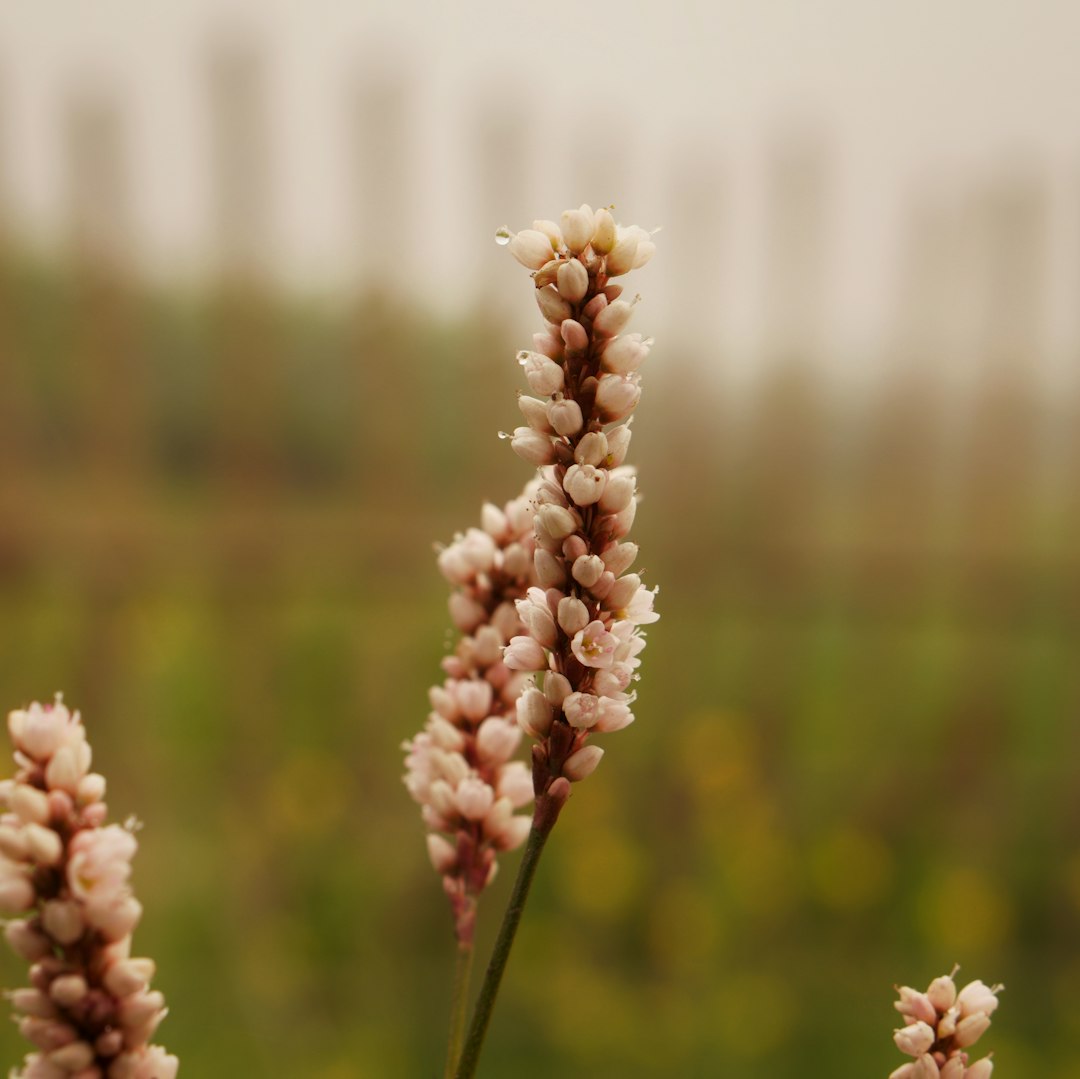
Prairie Dock (Silphium terebinthinaceum) is a perennial native wildflower. Hardy in USDA zones 4 to 8. Prefers full sun.
Sun
Full sun
Zones
4–8
USDA hardiness
Height
4-10 feet
Planting Timeline
Showing dates for Prairie Dock in USDA Zone 7
All Zone 7 native-wildflower →Zone Map
Click a state to update dates
Prairie Dock · Zones 4–8
Growing Details
Complete Growing Guide
Light: Full sun (6 or more hours of direct sunlight a day). Soil: Clay, Loam (Silt), Shallow Rocky. Drainage: Good Drainage, Moist, Occasionally Dry. Height: 4 ft. 0 in. - 10 ft. 0 in.. Spread: 1 ft. 0 in. - 3 ft. 0 in.. Growth rate: Medium. Regions: Mountains, Piedmont.
Harvesting
The flattened achenes are light and can be carried by the wing
Type: Achene. Length: < 1 inch. Width: < 1 inch.
Harvest time: Fall
Storage & Preservation
Prairie Dock is a native wildflower grown for its ornamental and ecological value rather than harvest. No fresh storage applies. For seed collection and storage, harvest fully mature seedheads in fall, dry thoroughly in a cool, well-ventilated space (60-70°F, low humidity), then store seeds in airtight containers at room temperature or in cool, dry conditions. Seeds remain viable for 2-3 years when properly stored. For garden preservation, allow plants to self-seed naturally on the landscape, or collect and stratify seeds over winter for spring planting to ensure continued establishment.
History & Origin
Origin: Central USA
Advantages
- +Attracts: Bees, Songbirds
Companion Plants
Big Bluestem, Little Bluestem, and Prairie Dropseed are the right neighbors here — all are deep-rooted prairie grasses that fill different vertical niches without competing with Prairie Dock's massive taproot, and their fibrous root systems keep soil structure open rather than compacted. Purple Coneflower (Echinacea purpurea) and Black-Eyed Susan (Rudbeckia hirta) bloom on an overlapping schedule and pull in the same native bee guild, so the whole planting benefits. Give Crown Vetch (Coronilla varia) and Autumn Olive (Elaeagnus umbellata) a hard pass — both spread fast enough to bury slower-establishing natives before they get a foothold — and Kentucky Bluegrass forms a dense sod mat that blocks prairie seedlings from reaching mineral soil at all.
Plant Together
Big Bluestem
Native prairie grass that provides structural support and creates natural prairie ecosystem conditions
Purple Coneflower
Attracts beneficial pollinators and shares similar soil and water requirements
Wild Bergamot
Repels harmful insects while attracting native bees and butterflies
Black-Eyed Susan
Complements blooming period and attracts diverse pollinators including native bees
Little Bluestem
Provides ground cover and wind protection while sharing drought tolerance
Compass Plant
Fellow deep-rooted prairie plant that improves soil structure and doesn't compete for surface nutrients
Prairie Dropseed
Creates beneficial microclimate and helps prevent soil erosion around the base
Wild Ginger
Provides ground cover in partial shade areas and attracts different beneficial insects
Keep Apart
Crown Vetch
Aggressive spreader that can outcompete and smother native prairie plants
Autumn Olive
Invasive shrub that creates dense shade and alters soil chemistry
Kentucky Bluegrass
Non-native grass that forms dense mats and competes aggressively for water and nutrients
Troubleshooting Prairie Dock
What you'll see, why it happens, and what to do about it.
Seeds sown in spring show almost no germination after 3+ weeks
Likely Causes
- Insufficient cold stratification — Prairie Dock seeds require a period of moist cold (vernalization) to break dormancy
- Seed planted too shallow or allowed to dry out before germination
What to Do
- 1.Cold-stratify seeds for 60–90 days in a damp paper towel inside a zip-lock bag in the fridge before sowing
- 2.Sow directly in fall and let winter do the stratification naturally — this is the lower-effort path and works well
- 3.Keep the seedbed consistently moist for the full 14–21 day germination window; don't let it crust over
Young plant produces only large basal leaves for 2–3 years with no flowering stalk
Likely Causes
- Normal juvenile phase — Prairie Dock spends its first 2–4 years pushing a taproot that can reach 15 feet down before it puts any energy into a bloom stalk
- Fewer than 6 hours of direct sun can delay or prevent flowering indefinitely
What to Do
- 1.Don't pull it — this is expected behavior, not a sign of failure; mark the spot and wait
- 2.Confirm the site gets full sun (6+ hours); if a neighboring shrub has grown in since planting, that's likely your problem
- 3.Skip high-nitrogen fertilizer — it pushes leaf mass at the expense of the deep root development that eventually triggers flowering
Leaves show stippling, bronzing, or papery patches across the surface in mid-summer
Likely Causes
- Spider mite (Tetranychus urticae) feeding — more common on plants stressed by drought or poor airflow
- Leafhoppers (Empoasca spp.) — small, wedge-shaped insects that rasp the leaf surface and cause similar discoloration
What to Do
- 1.Blast the undersides of leaves with a strong jet of water to knock off mites; repeat every 3–4 days for two weeks
- 2.A well-sited Prairie Dock will typically outgrow this damage without intervention — neither pest causes serious long-term harm to an established plant
- 3.Maintain the 18–24 inch spacing at planting; crowded plants stay wetter and give mites the still air they need
Frequently Asked Questions
Is Prairie Dock good for beginners?▼
When should I plant Prairie Dock?▼
How long does Prairie Dock take to bloom?▼
Can you grow Prairie Dock in containers?▼
What wildlife does Prairie Dock attract?▼
How much sun and space does Prairie Dock need?▼
Zone-by-Zone Planting Calendar
Growing Guides from Wind River Greens
Sources & References
External authority sources used in compiling this guide.
- ExtensionNC State Extension
See the Methodology page for how this data is sourced, what's AI-assisted, and known limitations.