Canada Goldenrod
Solidago canadensis
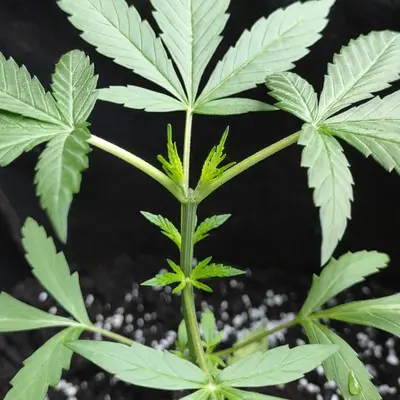
Canada Goldenrod (Solidago canadensis) is a perennial native wildflower. Hardy in USDA zones 5 to 9. Prefers full sun.
Sun
Full sun
Zones
5–9
USDA hardiness
Height
2-6 feet
Planting Timeline
Showing dates for Canada Goldenrod in USDA Zone 7
All Zone 7 native-wildflower →Zone Map
Click a state to update dates
Canada Goldenrod · Zones 5–9
Growing Details
Complete Growing Guide
Light: Full sun (6 or more hours of direct sunlight a day). Soil: Clay, Loam (Silt). Soil pH: Acid (<6.0), Neutral (6.0-8.0). Drainage: Good Drainage, Moist. Height: 2 ft. 0 in. - 6 ft. 0 in.. Spread: 4 ft. 0 in. - 6 ft. 0 in.. Growth rate: Medium. Maintenance: Low. Regions: Coastal, Mountains, Piedmont.
Harvesting
This brown seed is oblong-shaped with white hair attached to the tip to allow dispersal by the wind.
Color: Brown/Copper. Type: Achene. Length: < 1 inch. Width: < 1 inch.
Harvest time: Fall
Storage & Preservation
Canada Goldenrod flowers are best enjoyed fresh and should be stored in a cool location away from direct sunlight. Keep cut stems in water at room temperature (65-70°F) with moderate humidity for 7-10 days of vase life. For longer preservation, air-dry stems by hanging bundles upside down in a well-ventilated, dark space for 2-3 weeks to retain color and form. Alternatively, press individual flowers between paper for botanical arrangements, or freeze petals in ice cubes for herbal tea preparations. Dried flowers maintain quality for 6-12 months when stored in airtight containers away from moisture.
History & Origin
Origin: Canada, U.S.A.
Advantages
- +Blooms late summer to fall when few other native plants flower
- +Attracts pollinators and beneficial insects throughout its extended flowering season
- +Thrives in poor soil where many ornamental plants struggle
- +Requires minimal water once established in full sun locations
- +Hardy perennial spreads naturally creating naturalized wildflower meadows
Considerations
- -Spreads aggressively through underground rhizomes potentially overtaking garden beds
- -Often blamed for allergies despite being insect-pollinated not wind-pollinated
- -Susceptible to rust and powdery mildew in humid growing conditions
- -Requires division every few years to prevent overcrowding and decline
Companion Plants
Wild Bergamot, Purple Coneflower, and Black-Eyed Susan are the most practical companions here. All three share goldenrod's preference for full sun and moderately lean soil, so they won't race each other for nutrients. Planted together, they stagger bloom times from June through October — that overlap matters because it keeps native bees and parasitic wasps on-site long enough to do real pest-suppression work across the whole planting. Little Bluestem and Switchgrass fit in around the edges; their fine root systems don't crowd goldenrod's spreading rhizomes, and they hold vertical structure through winter without casting shade on next year's shoots.
Black Walnut produces juglone, an allelopathic compound that leaches through the soil in a wide radius — goldenrod is sensitive enough that planting within 50-60 feet of one is a gamble you'll probably lose. Crown Vetch and Tree of Heaven are a different problem: both spread aggressively and will physically crowd goldenrod out of a bed within a season or two, no chemistry required.
Plant Together
Wild Bergamot
Attracts complementary pollinators and shares similar growing conditions
Purple Coneflower
Creates diverse habitat for beneficial insects and has compatible root systems
New England Aster
Extends pollinator season with later blooms and shares native prairie conditions
Little Bluestem Grass
Provides structural support and mimics natural prairie companion relationships
Black-Eyed Susan
Attracts similar beneficial insects and creates natural meadow ecosystem
Wild Lupine
Fixes nitrogen in soil which benefits goldenrod growth
Prairie Dropseed
Native grass companion that provides natural habitat structure
Switchgrass
Offers wind protection and natural prairie ecosystem balance
Keep Apart
Black Walnut
Produces juglone which inhibits growth of many plants including goldenrod
Crown Vetch
Aggressive invasive that outcompetes native goldenrod for resources
Tree of Heaven
Allelopathic invasive tree that suppresses native wildflower growth
Pests & Disease Resistance
Common Pests
Japanese beetles, spider mites, occasionally aphids
Diseases
Powdery mildew, rust, leaf spot
Troubleshooting Canada Goldenrod
What you'll see, why it happens, and what to do about it.
White powdery coating on leaves and stems, usually showing up mid-to-late summer
Likely Causes
- Powdery mildew (Erysiphe cichoracearum or related species) — thrives in warm days with cool, humid nights
- Poor air circulation from overcrowding or planting against a fence or wall
What to Do
- 1.Cut affected stems back by half — goldenrod regrows readily and the new growth usually comes in clean
- 2.Space plants at least 18-24 inches apart and don't crowd them against structures that block airflow
- 3.If it's chronic in your spot, accept it as cosmetic — powdery mildew rarely kills goldenrod, it just looks rough by September
Leaves showing ragged holes or skeletonized patches starting in July, often with metallic green beetles visible on the plant
Likely Causes
- Japanese beetles (Popillia japonica) — they feed in groups and can strip foliage fast on stressed plants
What to Do
- 1.Hand-pick beetles in early morning when they're sluggish and drop them into a bucket of soapy water
- 2.Skip the Japanese beetle traps — University of Kentucky research has shown they attract more beetles to your yard than they catch
- 3.Keep plants well-watered during July heat; stressed goldenrod draws heavier feeding pressure
Frequently Asked Questions
Is Canada Goldenrod easy to grow for beginners?▼
When should I plant Canada Goldenrod?▼
Can you grow Canada Goldenrod in containers?▼
How long does Canada Goldenrod take to flower?▼
Does Canada Goldenrod cause allergies?▼
What is Canada Goldenrod used for?▼
Zone-by-Zone Planting Calendar
Growing Guides from Wind River Greens
Sources & References
External authority sources used in compiling this guide.
- ExtensionNC State Extension
See the Methodology page for how this data is sourced, what's AI-assisted, and known limitations.