Bee Balm
Monarda didyma
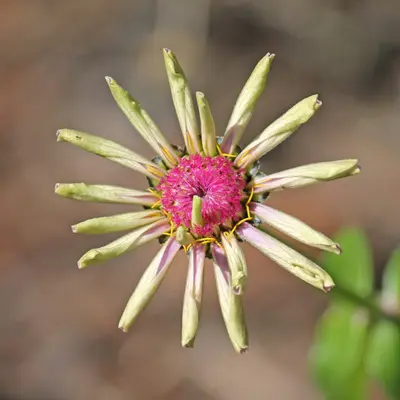
Semidouble blooms in shades of lavender, salmon, magenta, and pale to bright pinks are useful as cut and edible flowers. Additionally, monarda attracts bees, butterflies, and hummingbirds to the garden. Also known as beebalm, Oswego tea, and scarlet beebalm. Medicinal: Aerial parts in infusions to improve digestion. Leaves and blooms contain thymol-related antibiotic-antiseptic compounds. Perennial in Zones 4-9. Edible Flowers: Add petals to salads, sprinkle over mild fish, use in fruit salads, or to garnish desserts and drinks. Flavor is minty and spicy.
Harvest
300-365d
Days to harvest
Sun
Full sun
Zones
4–9
USDA hardiness
Height
2-4 feet
Planting Timeline
Showing dates for Bee Balm in USDA Zone 7
All Zone 7 native-wildflower →Zone Map
Click a state to update dates
Bee Balm · Zones 4–9
Growing Details
Complete Growing Guide
Bee balm thrives in full sun to partial shade and prefers consistently moist soil, unlike many native wildflowers that tolerate drier conditions. Plant in spring after frost danger passes, as this cultivar's 300-365 day maturation requires early establishment to reach blooming size by mid-summer. Monarda is particularly susceptible to powdery mildew in humid conditions—improve air circulation by spacing plants 18-24 inches apart and avoiding overhead watering. Deadhead spent flowers regularly to encourage branching and prevent excessive self-seeding, as this cultivar can become invasive if left unmanaged. The semidouble blooms attract pollinators reliably but may appear somewhat sparse on first-year plants; patience yields fuller displays in subsequent seasons. Divide every 2-3 years to maintain vigor and prevent the center from dying out.
Light: Full sun (6 or more hours of direct sunlight a day). Soil: Clay, High Organic Matter. Soil pH: Acid (<6.0), Neutral (6.0-8.0). Drainage: Good Drainage, Moist, Occasionally Wet. Height: 2 ft. 0 in. - 4 ft. 0 in.. Spread: 2 ft. 0 in. - 3 ft. 0 in.. Spacing: 12 inches-3 feet. Growth rate: Medium. Maintenance: Medium. Propagation: Division, Leaf Cutting, Seed. Regions: Coastal, Mountains, Piedmont.
Harvesting
Bee balm reaches peak harvest readiness when the tubular flowers display fully saturated color—whether lavender, magenta, salmon, or pink—and the blooms feel papery and slightly dry rather than succulent. The flower heads should be fully formed but harvested before they begin to fade or drop petals. For continuous harvests throughout the blooming season, pinch flowers regularly rather than stripping the entire plant at once, which encourages additional flower production and extends your harvest window into fall. The optimal timing tip is to harvest in early morning after dew dries but before heat stresses the plant, as this preserves the volatile minty-citrus oils that define the flavor profile.
Ovoid nutlets display from September to October.
Color: Brown/Copper. Type: Capsule.
Harvest time: Fall
Edibility: Used in teas, flavor jellies, soups, stews, and fruit salads; edible flowers.
Storage & Preservation
Fresh bee balm flowers and leaves are best stored in the refrigerator in a plastic bag or sealed container at 35-40°F with 90-95% humidity; they'll keep 5-7 days. For longer preservation, dry the aerial parts by hanging in bundles in a warm, dark, well-ventilated space for 1-2 weeks until brittle, then store in airtight containers away from light. Alternatively, freeze fresh leaves and flowers in ice cube trays with water for herbal infusions, or make a tea blend by drying and crumbling leaves and flowers for storage in sealed jars up to one year.
History & Origin
Monarda didyma is native to eastern North America, where Indigenous peoples and early colonists discovered its culinary and medicinal properties long before formal botanical documentation. The common name "Oswego tea" reflects its historical use among the Oswego people of New York. While specific breeding records for modern ornamental selections remain sparse, bee balm entered European cultivation in the 17th century and subsequently became a foundation plant in American cottage gardens. Contemporary cultivars derive from centuries of informal selection by gardeners who preserved seeds from plants displaying superior flower color, vigor, and disease resistance, though formal breeding programs and named introductions by seed companies have refined available varieties since the twentieth century.
Origin: Eastern North America
Advantages
- +Attracts pollinators like bees, butterflies, and hummingbirds to gardens
- +Edible minty-spicy flowers work well in salads and beverages
- +Long blooming period of 300-365 days provides extended color
- +Contains thymol compounds useful for digestive and antiseptic benefits
- +Semidouble blooms available in vibrant lavender, salmon, magenta, and pink
Considerations
- -Highly susceptible to powdery mildew in humid or crowded conditions
- -Spider mites and aphids frequently infest plants requiring pest management
- -Needs well-drained soil; prone to root rot in wet conditions
Companion Plants
Echinacea (Purple Coneflower), Black-Eyed Susan, and Native Asters are natural running mates for Monarda because they share nearly identical growing requirements — full sun, zones 4–9, and a preference for well-drained soil around pH 6.5 — so you're not fighting competing needs in the same bed. More practically, they bloom in overlapping waves from June through October, which keeps pollinators cycling through the planting rather than abandoning it the moment bee balm finishes. Yarrow pulls its weight too; its shallow, fibrous roots don't compete with Monarda's spreading rhizomes, and its flat flower heads attract predatory wasps that knock back aphid pressure before it gets out of hand.
The three plants to keep well away: Black Walnut produces juglone, a root toxin that stunts or kills Monarda if planted within the tree's drip line. Mint is a problem for a different reason — both spread aggressively by rhizome, and once they're sharing ground you'll spend years trying to sort one from the other. Fennel releases allelopathic root compounds that suppress many perennials growing nearby, and bee balm is not especially tolerant of it.
Plant Together
Echinacea (Purple Coneflower)
Similar growing conditions and bloom times, attracts beneficial pollinators together
Black-Eyed Susan
Complementary bloom periods extend pollinator season, both thrive in similar soil conditions
Wild Bergamot
Same plant family with similar care needs, creates dense pollinator habitat
Yarrow
Attracts beneficial insects that prey on bee balm pests, improves soil health
Native Asters
Extends late-season blooms for pollinators, similar moisture and sun requirements
Joe Pye Weed
Both attract butterflies and beneficial insects, tolerate similar moisture levels
Wild Ginger
Provides ground cover and retains moisture for bee balm's shallow roots
Catmint
Repels ants and rodents that may damage bee balm, attracts pollinators
Keep Apart
Black Walnut
Produces juglone toxin that inhibits growth and can kill bee balm
Mint
Extremely aggressive spreader that will outcompete and crowd out bee balm
Fennel
Allelopathic compounds inhibit growth of most garden plants including bee balm
Pests & Disease Resistance
Resistance
Susceptible to powdery mildew, especially in humid conditions with poor air circulation
Common Pests
Aphids, spider mites, stalk borers
Diseases
Powdery mildew, rust, root rot
Troubleshooting Bee Balm
What you'll see, why it happens, and what to do about it.
White powdery coating on leaves and stems, spreading fast through midsummer
Likely Causes
- Powdery mildew (Erysiphe monardae) — a fungal disease that thrives in warm days with cool nights and poor airflow
- Plants spaced too close together, trapping humidity between stems
What to Do
- 1.Cut affected stems down to the ground — Monarda didyma will resprout from the crown
- 2.Thin clumps to 18-24 inches between plants to open up airflow
- 3.Next season, try a mildew-resistant cultivar like 'Jacob Cline' or 'Raspberry Wine'
Stems tunneled or collapsing from the inside, usually on plants over 2 feet tall in early summer
Likely Causes
- Stalk borers (Papaipema nebris) — the larva bores into the stem and feeds downward
- Nearby weedy grasses or goldenrod hosting overwintering eggs
What to Do
- 1.Cut the damaged stem well below the entry hole and dispose of it in the trash — don't compost it
- 2.Mow or clear weedy grass margins around the planting in fall to reduce egg-laying sites
- 3.Pin down healthy stems with a stake and tie loosely; borer damage doesn't spread plant-to-plant, so the rest of the clump is fine
Leaves stippled yellow or bronze with fine webbing on the undersides, especially during hot dry stretches
Likely Causes
- Two-spotted spider mites (Tetranychus urticae) — population explosions happen fast when soil moisture drops and temperatures stay above 85°F
What to Do
- 1.Hit the undersides of leaves hard with a strong stream of water from a hose — repeat every 2-3 days
- 2.Water the plant deeply at the base; drought-stressed Monarda is far more susceptible
- 3.If mites persist, apply insecticidal soap directly to the undersides of leaves in the evening to avoid burning foliage