Zone 9 Coverage
Planting Timeline — All Varieties
Growing Native Wildflowers in Zone 9
Zone 9's extended growing season and mild winters create exceptional opportunities for native wildflower gardening, but the intense summer heat and occasional late cold snaps require careful variety selection. With nearly 290 frost-free days stretching from mid-February through late November, you have the luxury of multiple planting windows and can enjoy blooms from early spring through late fall. However, the brutal summer months demand wildflowers that can handle extreme heat, humidity, and potential drought conditions without losing their vigor.
The key to success in Zone 9 lies in choosing native varieties that either thrive in heat or complete their bloom cycles before the harshest summer weather arrives. Look for wildflowers with deep taproots like Purple Coneflower and Lanceleaf Coreopsis that can access moisture during dry spells, or heat-loving natives like Blanket Flower and Black-Eyed Susan that actually perform better in warm climates. Many Zone 9 gardeners also benefit from selecting a mix of cool-season bloomers like Wild Columbine for spring color and heat-tolerant perennials that provide late summer and fall interest when other plants are struggling.
Variety Comparison
| Variety ↑ | Days | Difficulty |
|---|---|---|
| Apollo Orange | 90-100 | Easy |
| Bee Balm | 300-365 | Easy to moderate |
| Blue-Eyed Grass | — | Easy |
| Butterfly Weed | 365 | Easy |
| California Poppy | 55-60 | Easy |
| Canada Goldenrod | — | Easy |
| Cardinal Flower | — | Easy |
| Cheyenne Spirit | 126-165 | Easy |
| Common Milkweed | — | Easy |
| Coral Bells | — | Easy |
| Cup Plant | — | Easy |
| Cutleaf Coneflower | — | Easy |
| Fringed Bleeding Heart | — | Easy |
| Gray Goldenrod | — | Easy |
| Great Blue Lobelia | — | Easy |
| Hairy Beardtongue | — | Easy |
| Indian Pink | — | Easy |
| Jerusalem Artichoke | — | Easy |
| Joe-Pye Weed | — | Easy |
| Lanceleaf Coreopsis | — | Very easy |
| Large-Flowered Tickseed | — | Easy |
| Lemon Mint | 110-120 | Easy |
| Mexican Hat | — | Easy |
| Milkmaid | 120-130 | Easy |
| New York Ironweed | — | Easy |
Variety Details
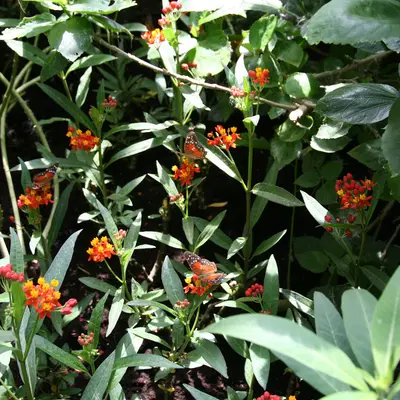
Apollo Orange
Tall, vigorous plants do best in warm, relatively dry conditions. Vivid orange blooms with attractive, slender foliage. Best used for cut flowers. Asclepias curassavica is attractive to butterflies and pollinators but we recommend planting a native species for best supporting butterflies. Also known as milkweed, butterfly weed, blood flower, and sunset flower. Tender perennial in Zones 7-10.
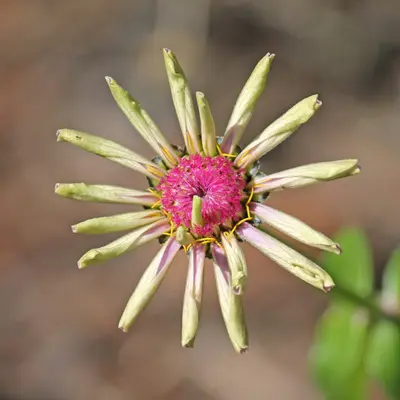
Bee Balm
Semidouble blooms in shades of lavender, salmon, magenta, and pale to bright pinks are useful as cut and edible flowers. Additionally, monarda attracts bees, butterflies, and hummingbirds to the garden. Also known as beebalm, Oswego tea, and scarlet beebalm. Medicinal: Aerial parts in infusions to improve digestion. Leaves and blooms contain thymol-related antibiotic-antiseptic compounds. Perennial in Zones 4-9. Edible Flowers: Add petals to salads, sprinkle over mild fish, use in fruit salads, or to garnish desserts and drinks. Flavor is minty and spicy.
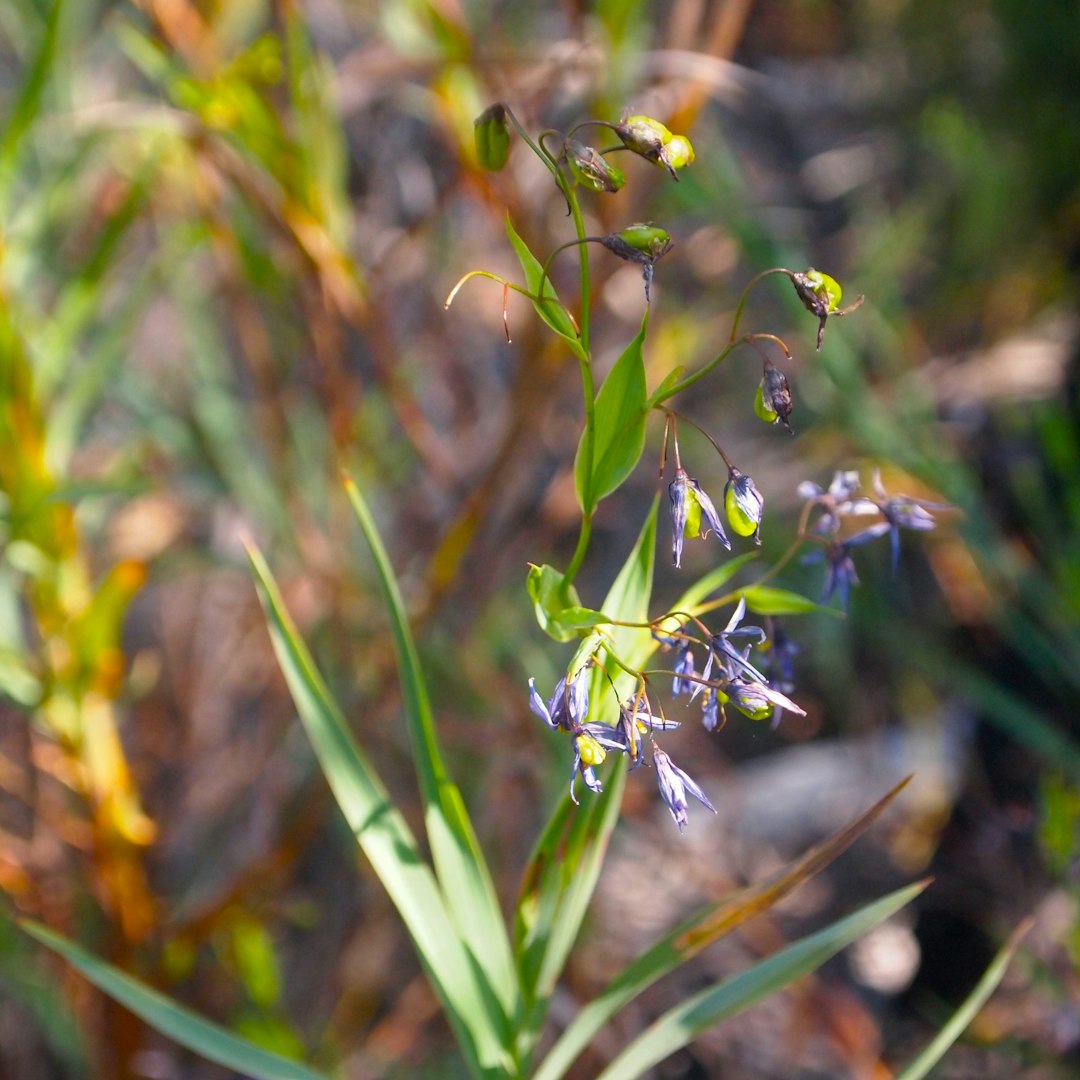
Blue-Eyed Grass
Blue-Eyed Grass (Sisyrinchium angustifolium) is a perennial native wildflower. Hardy in USDA zones 4 to 9.
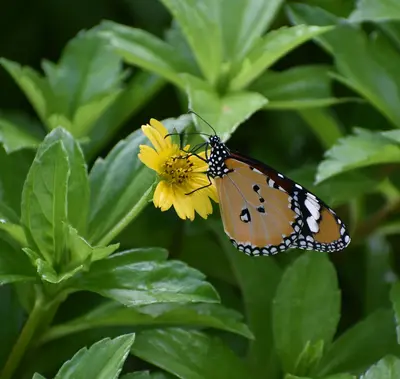
Butterfly Weed
Attracts butterflies and bees. Grows well in arid soils. Also known as milkweed, butterfly weed, butterfly milkweed, and butterfly-weed. Medicinal: Roots are a respiratory expectorant and diaphoretic. Perennial in Zones 4-9.
California Poppy
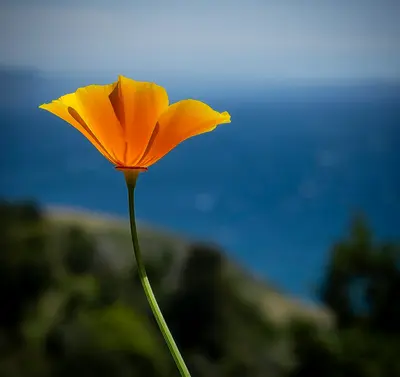
California Poppy is a vibrant native wildflower with silky, cup-shaped petals in golden-orange hues that close at night and on cloudy days. This easy-to-grow heirloom matures in 55-60 days and thrives in poor, sandy soils with minimal care—ideal for xeriscaping and cottage gardens. The delicate petals are edible with a mild, lettuce-like flavor, adding color and subtle taste to salads. Its self-seeding nature and drought tolerance distinguish it from ornamental annuals, making it a low-maintenance native choice for sunny landscapes with good drainage.
Canada Goldenrod
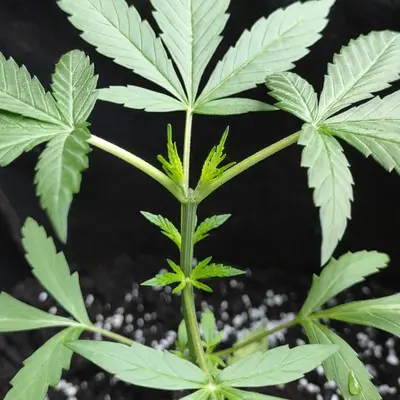
Canada Goldenrod (Solidago canadensis) is a perennial native wildflower. Hardy in USDA zones 5 to 9. Prefers full sun.
Cardinal Flower
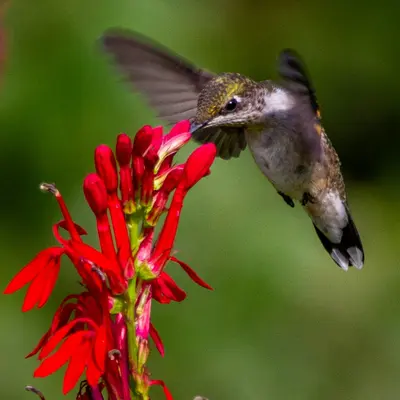
Nature's most brilliant red wildflower creates an unforgettable display with its intense scarlet blooms that seem to glow in shade gardens. This native beauty is a hummingbird magnet, drawing ruby-throated hummingbirds from miles around with its tubular flowers perfectly designed for their long beaks. Thriving in moist soils where many plants struggle, it brings vibrant color to pond edges, rain gardens, and woodland borders.
Cheyenne Spirit
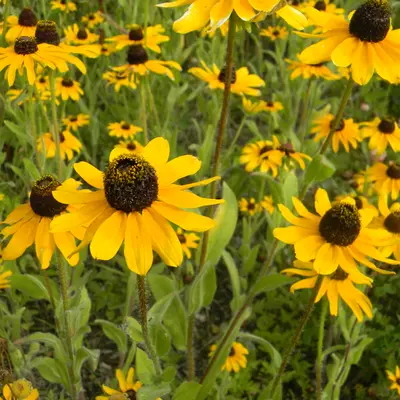
Bred for improved branching and a higher percentage of 3-4" flowers per plant. The vivid red, orange, purple, scarlet, cream, yellow, and white blooms can be used as cuts or as high-impact landscaping or container plants. Attracts and is a food source for bees. Perennial in Zones 3-8. FleuroSelect Gold Award Winner. AAS Winner.
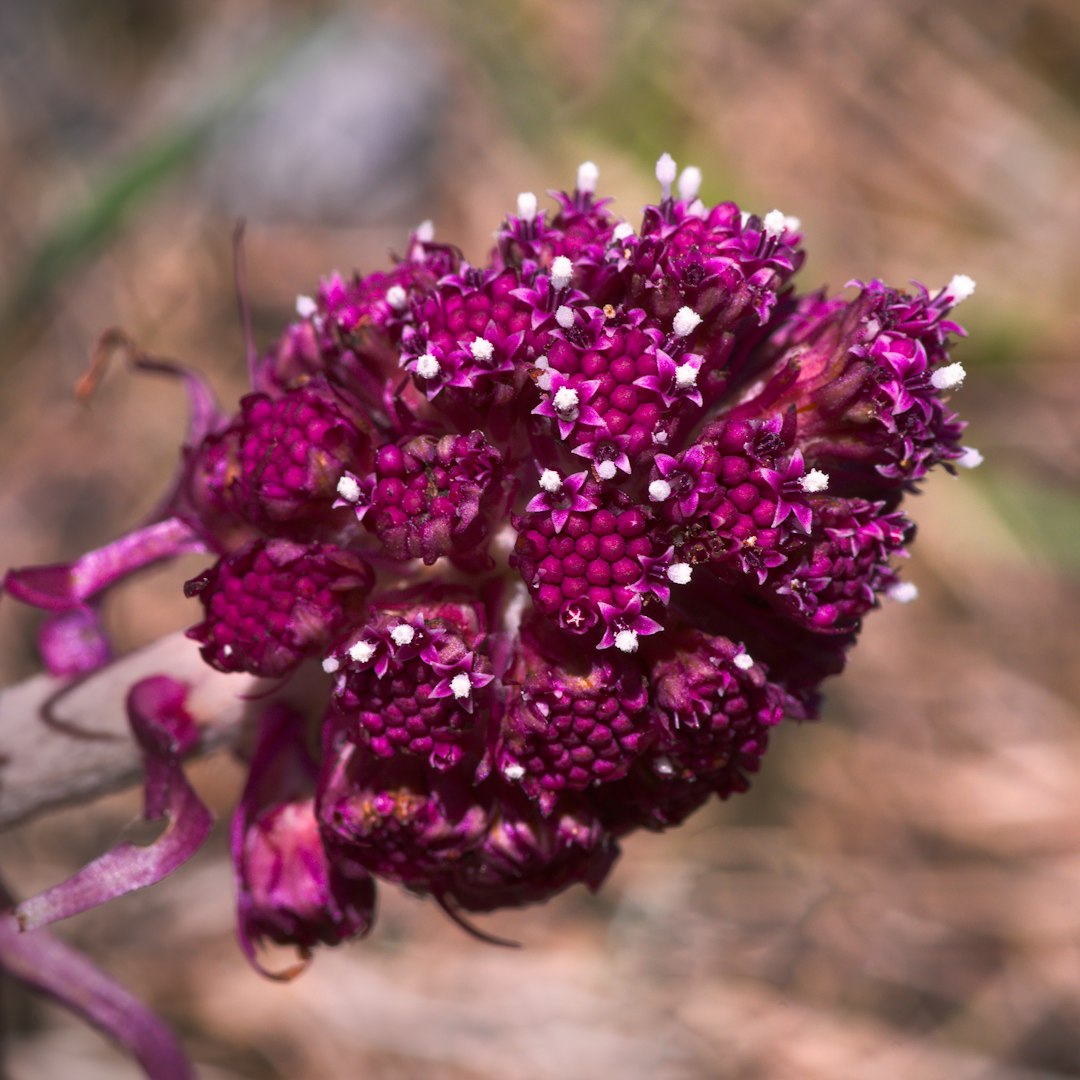
Common Milkweed
Common Milkweed (Asclepias syriaca) is a perennial native wildflower. Hardy in USDA zones 3 to 9. Prefers full sun.
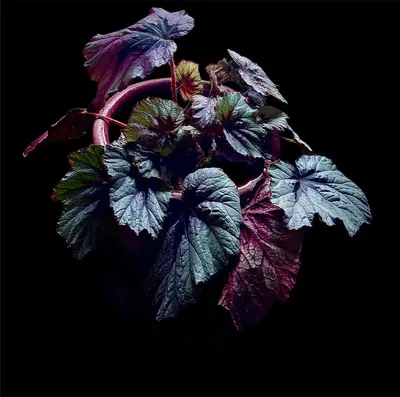
Coral Bells
Native coral bells offer delicate clouds of tiny white or pink flowers dancing above beautiful mounds of scalloped leaves that change colors with the seasons. This versatile perennial bridges the gap between wildflower and cultivated garden, equally at home in formal borders or naturalized woodland settings. Its long-lasting foliage provides four-season interest while the airy flower stems attract bees and other beneficial pollinators.
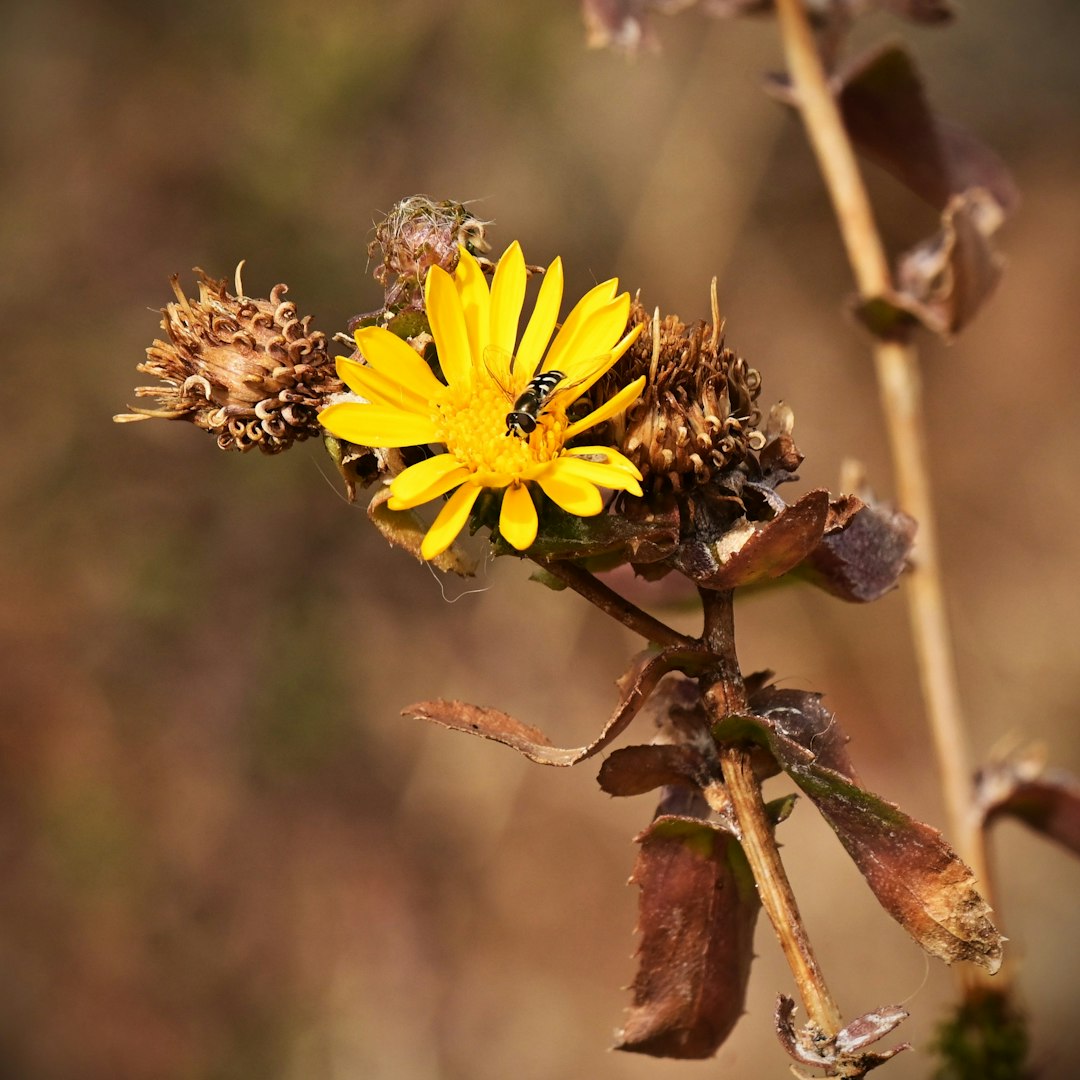
Cup Plant
Cup Plant (Silphium perfoliatum) is a perennial native wildflower. Hardy in USDA zones 3 to 9. Prefers full sun.
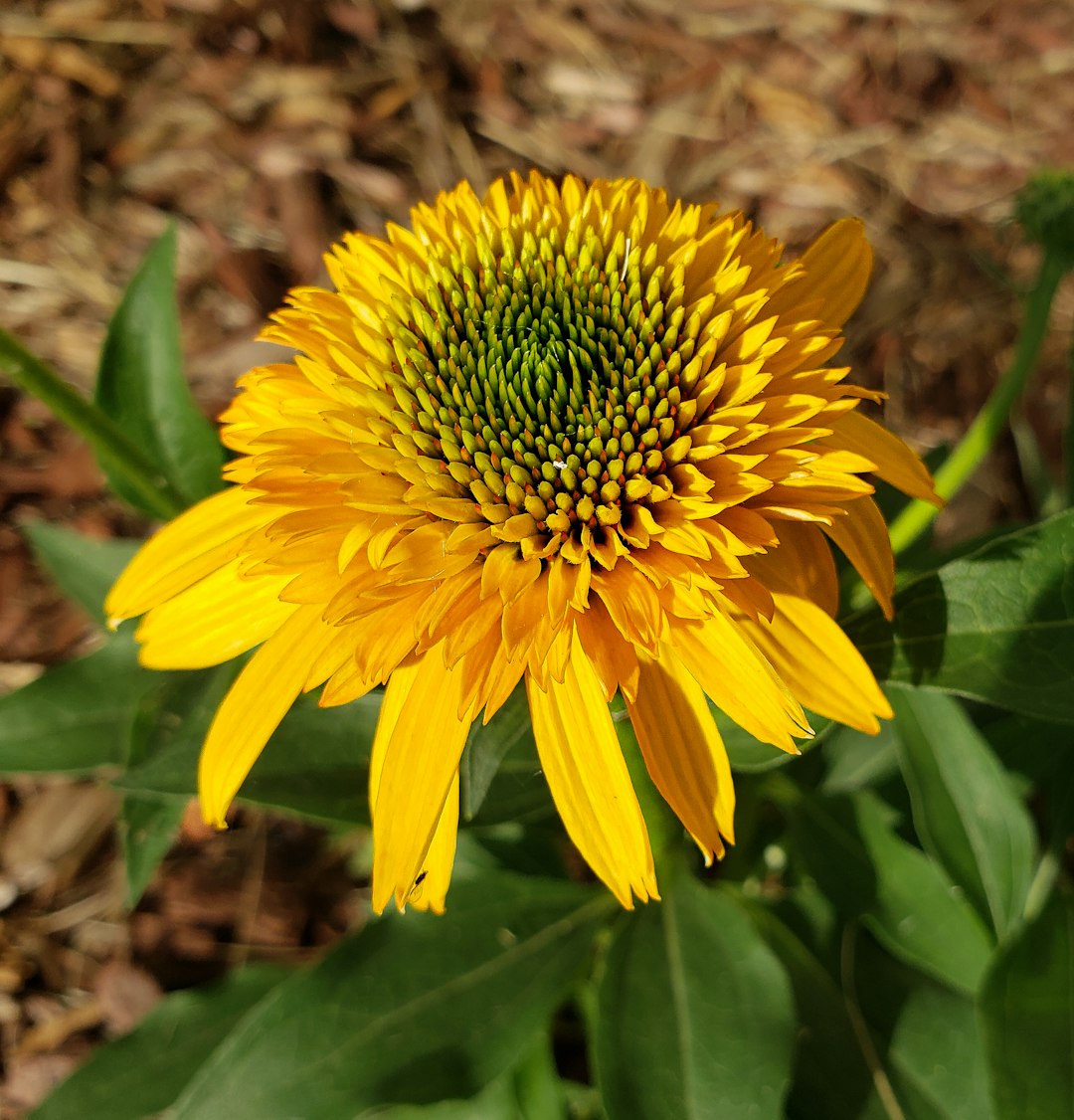
Cutleaf Coneflower
Cutleaf Coneflower (Rudbeckia laciniata) is a perennial native wildflower. Hardy in USDA zones 3 to 9.
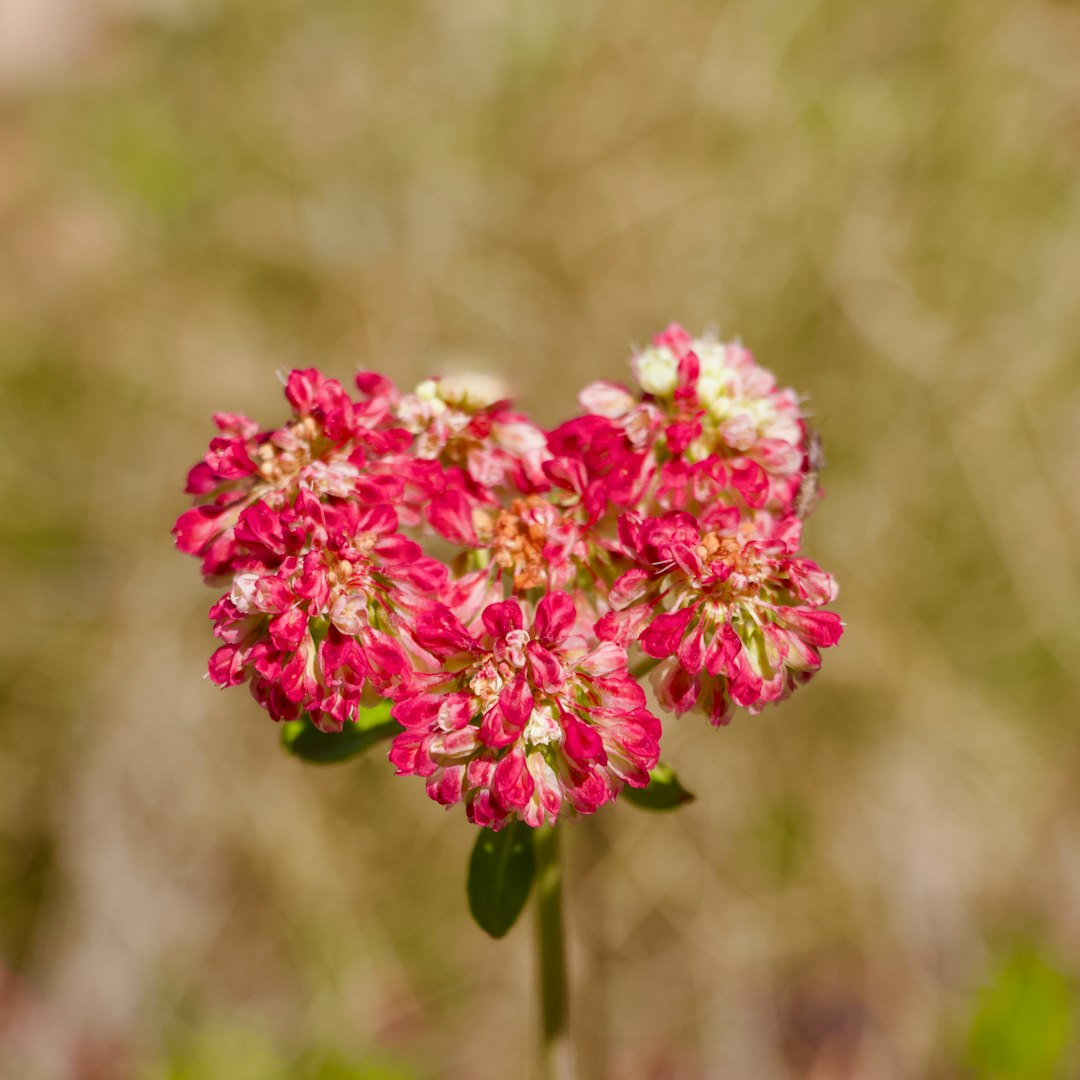
Fringed Bleeding Heart
Fringed Bleeding Heart (Dicentra eximia) is a perennial native wildflower. Hardy in USDA zones 3 to 9. Prefers part sun.
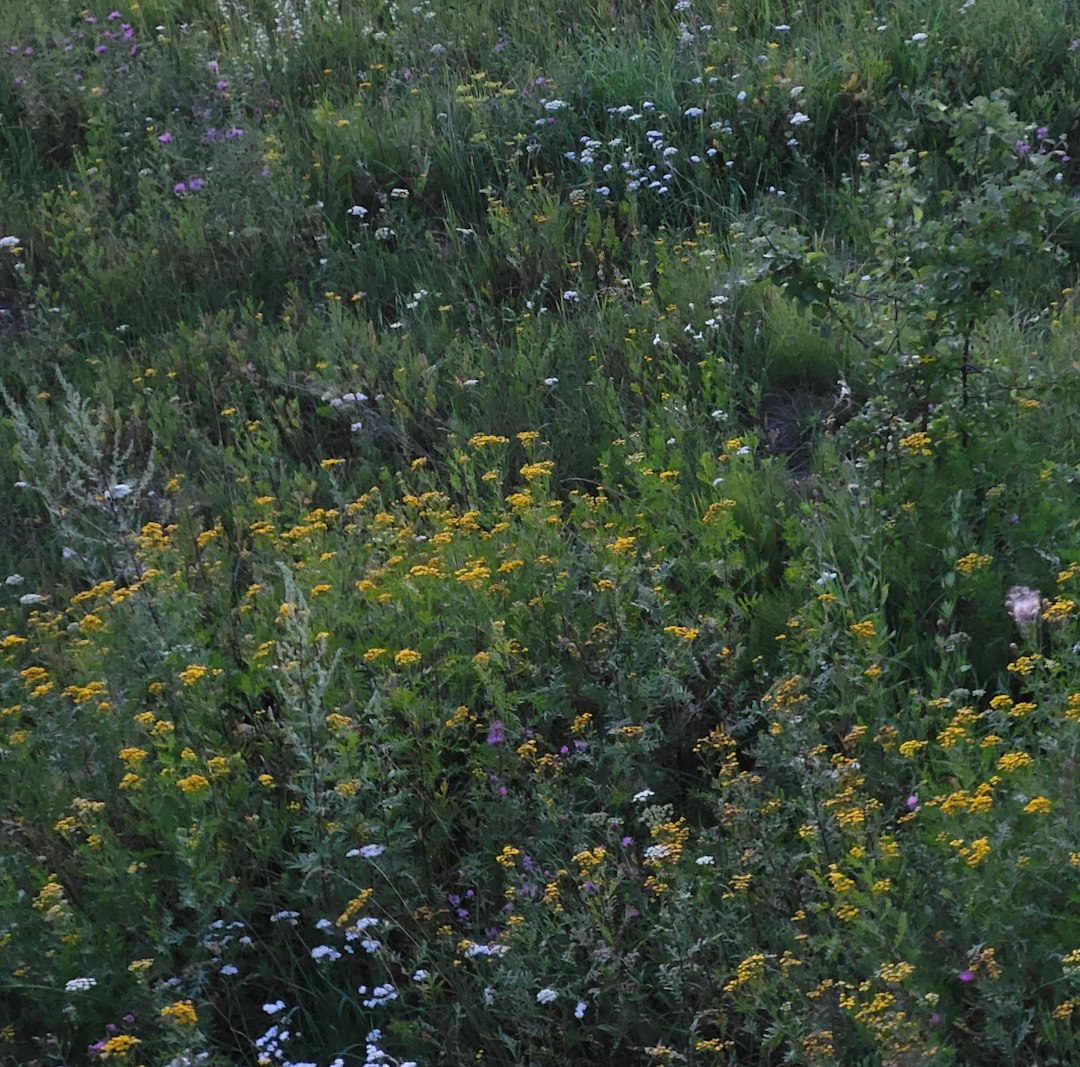
Gray Goldenrod
Gray Goldenrod (Solidago nemoralis) is a perennial native wildflower. Hardy in USDA zones 3 to 9.
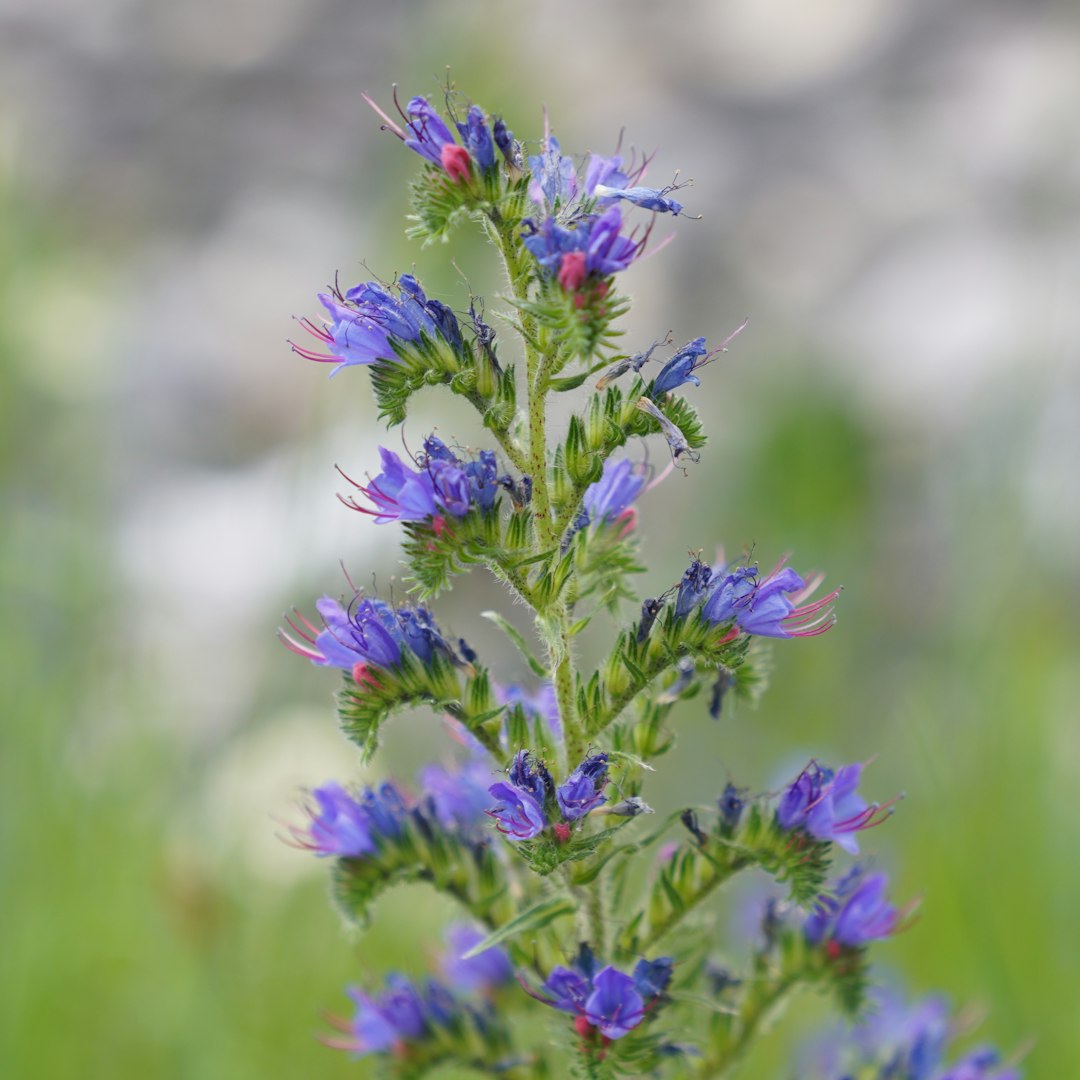
Great Blue Lobelia
Great Blue Lobelia (Lobelia siphilitica) is a perennial native wildflower. Hardy in USDA zones 4 to 9. Prefers full sun.
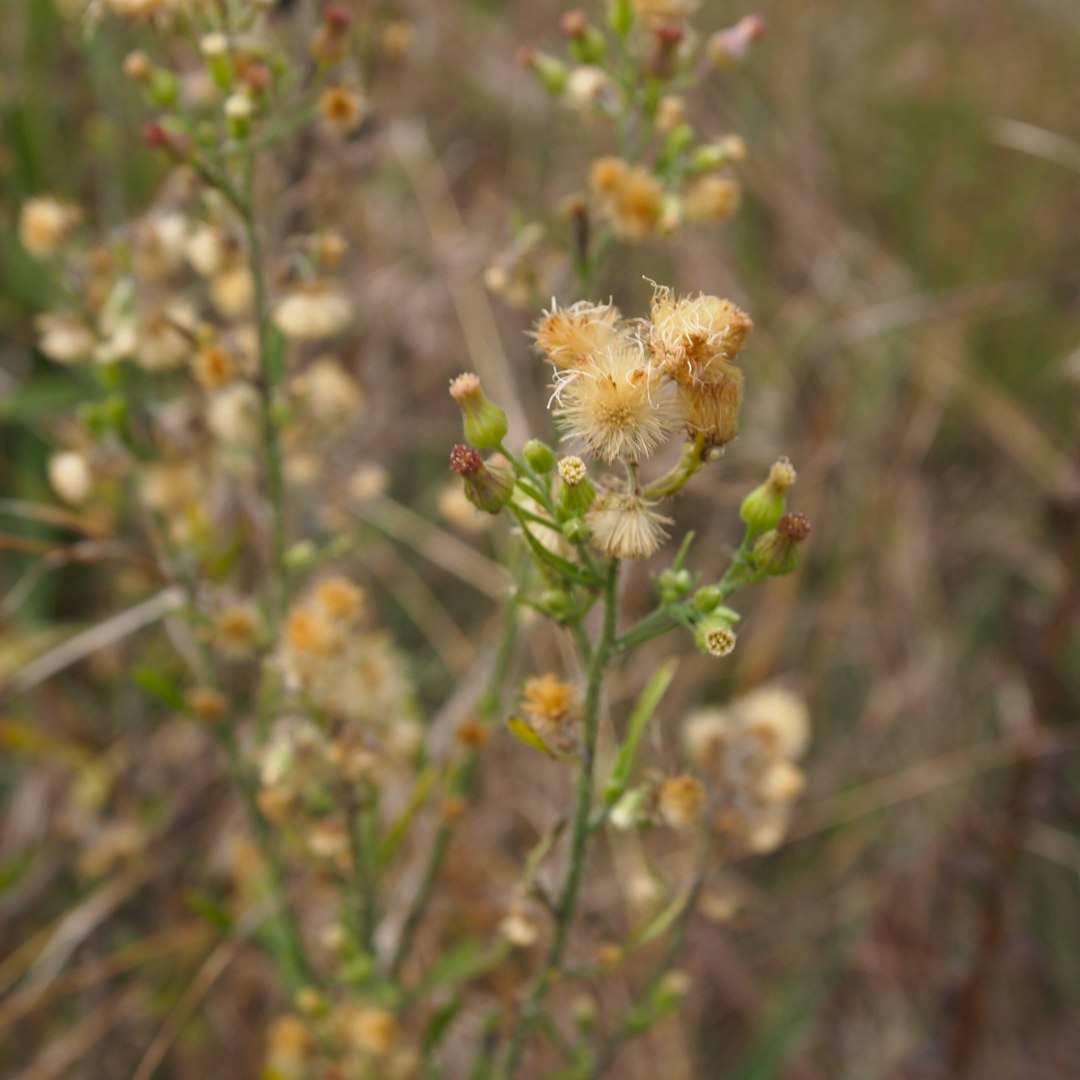
Hairy Beardtongue
Hairy Beardtongue (Penstemon hirsutus) is a perennial native wildflower. Hardy in USDA zones 3 to 9. Prefers full sun.
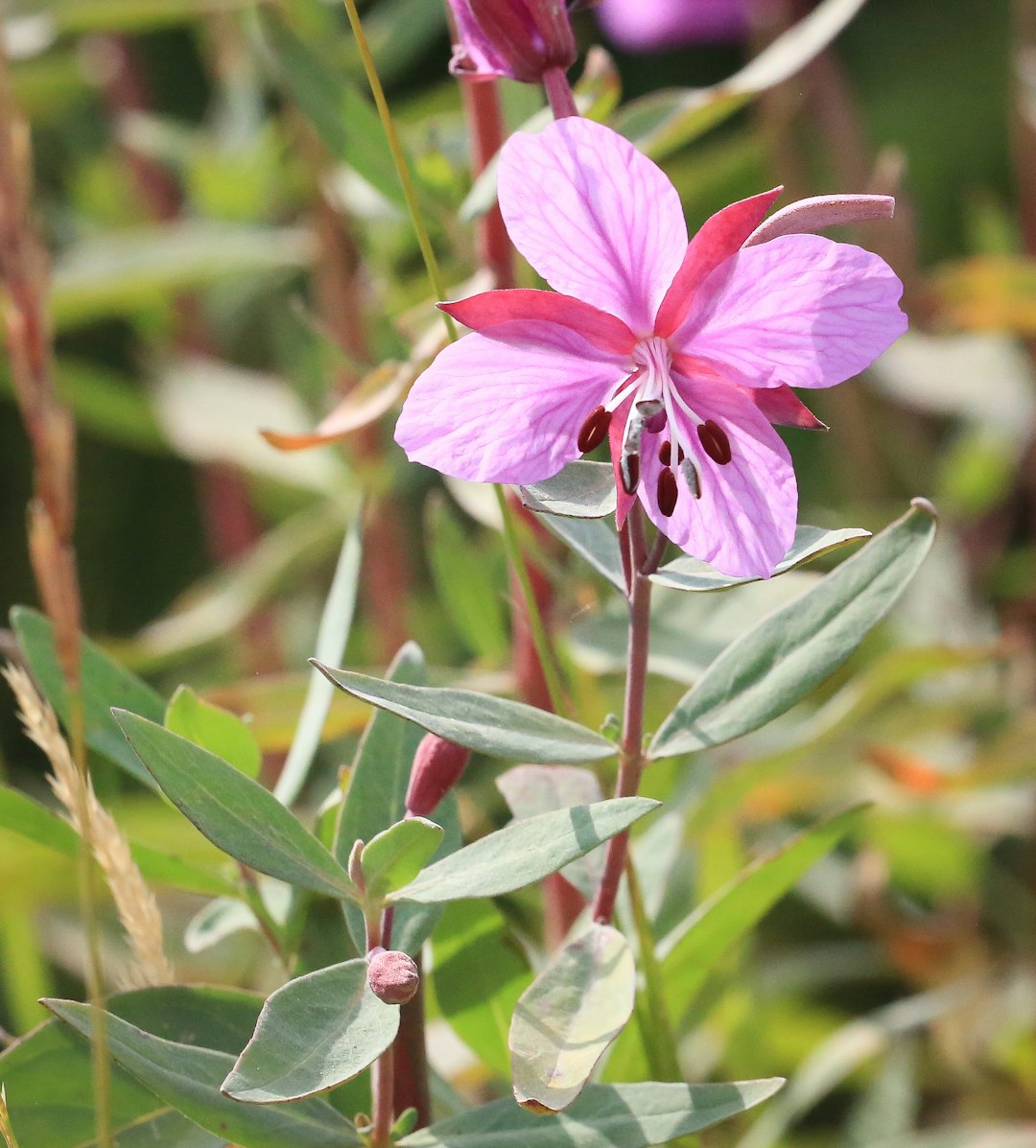
Indian Pink
Indian Pink (Spigelia marilandica) is a perennial native wildflower. Hardy in USDA zones 5 to 9. Prefers part sun.
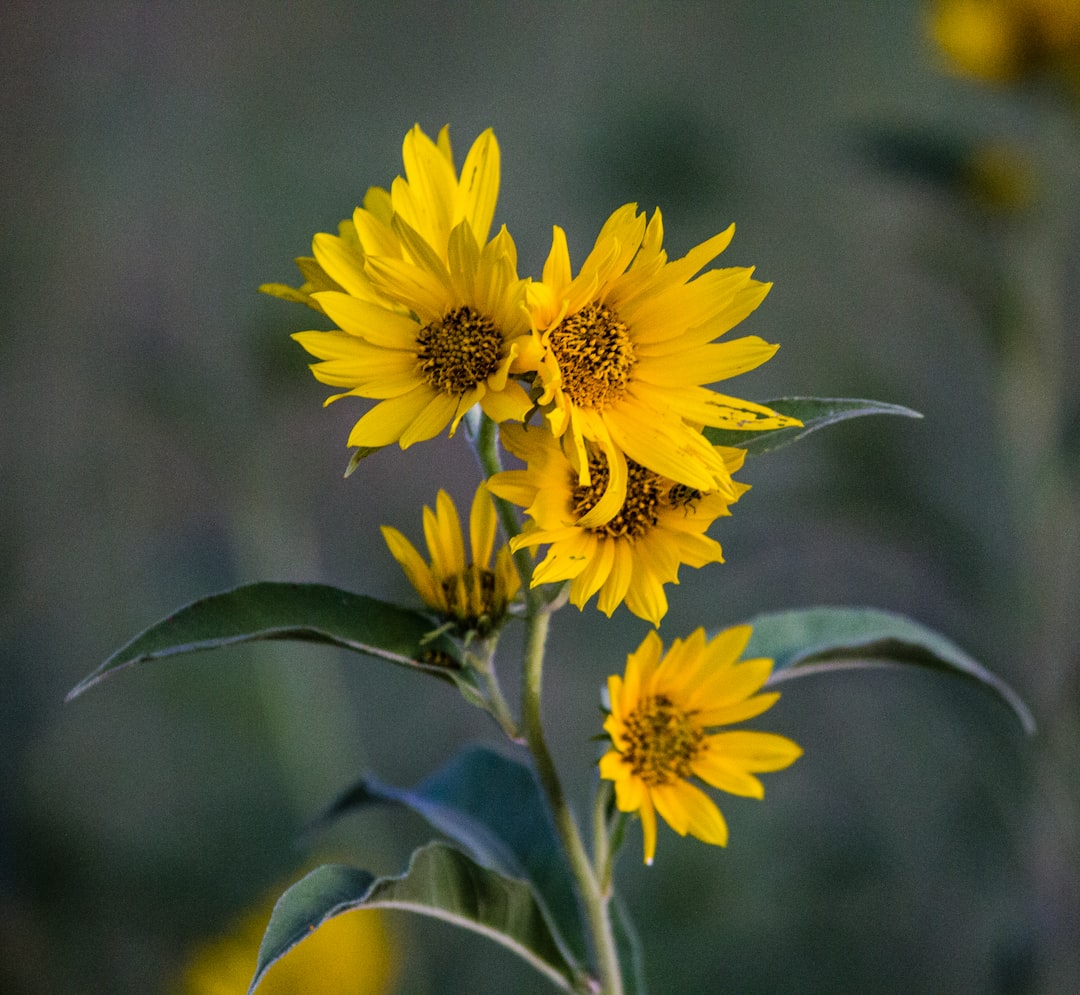
Jerusalem Artichoke
Jerusalem Artichoke (Helianthus tuberosus) is a perennial native wildflower. Hardy in USDA zones 3 to 9.
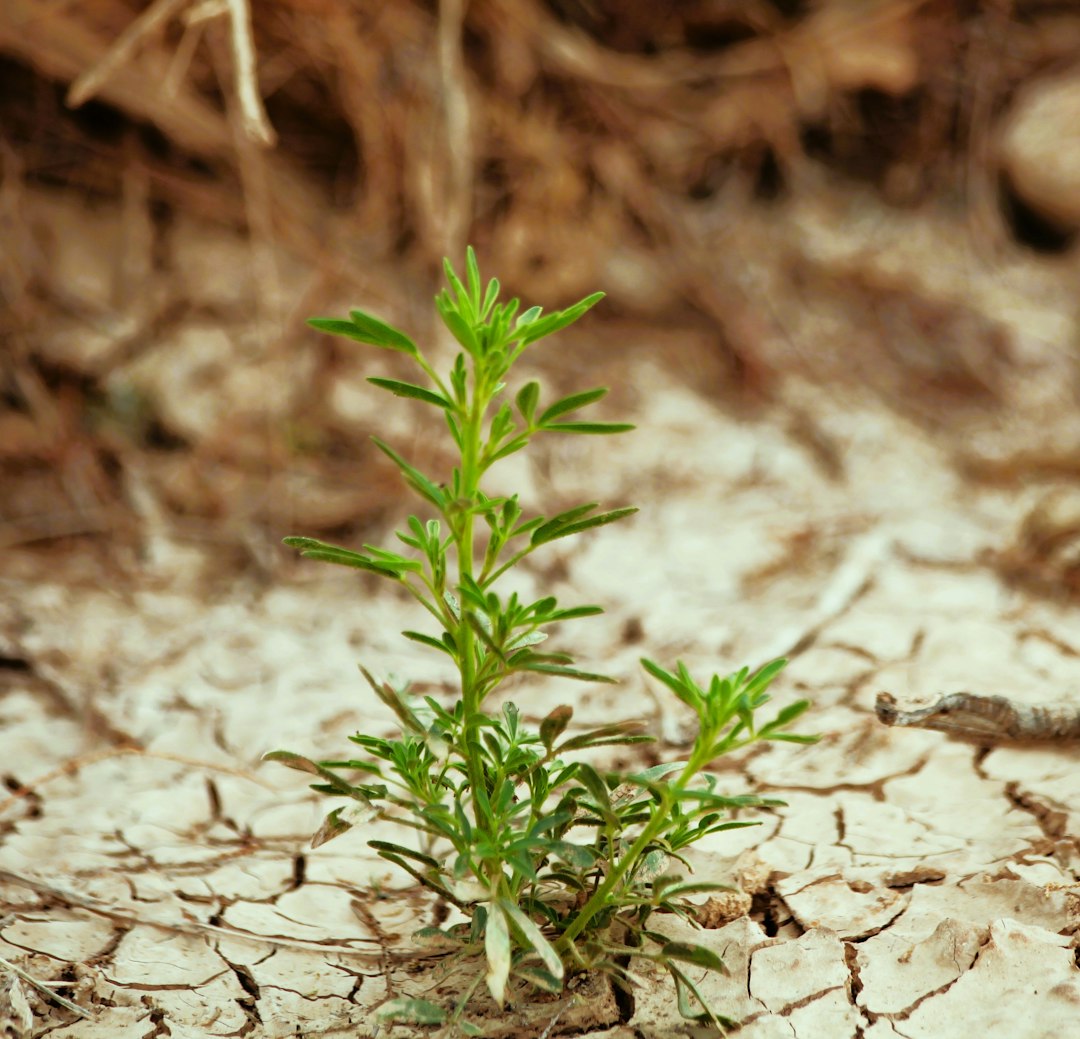
Joe-Pye Weed
Joe-Pye Weed (Eutrochium purpureum) is a perennial native wildflower. Hardy in USDA zones 4 to 9.
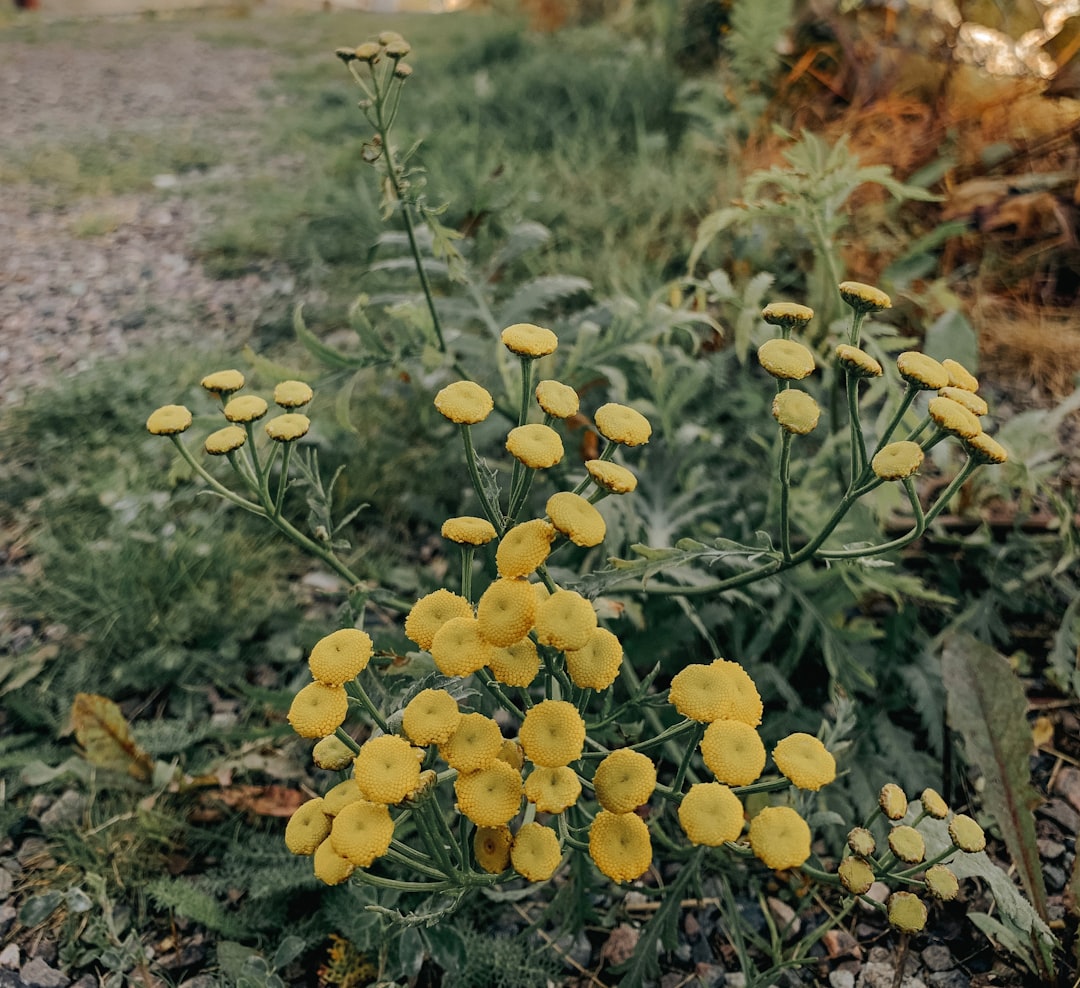
Lanceleaf Coreopsis
This cheerful native perennial produces masses of bright yellow daisy-like flowers with distinctive notched petals from spring through fall. Lanceleaf coreopsis is incredibly easy to grow and drought tolerant, making it perfect for beginner gardeners and low-maintenance landscapes. Its long blooming period and excellent cut flower qualities have made it a staple in cottage gardens and prairie restorations.
Large-Flowered Tickseed
Large-Flowered Tickseed (Coreopsis grandiflora) is a perennial native wildflower. Hardy in USDA zones 4 to 9.
Lemon Mint
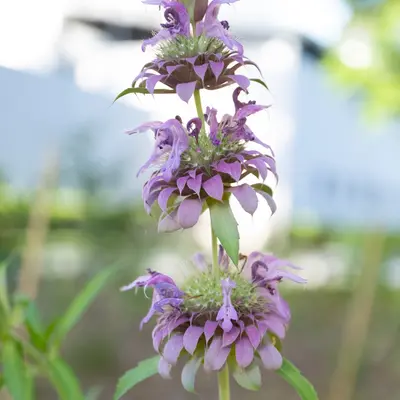
Towers of bright lavender 1 1/2-2" blooms on straight and thin, yet sturdy stems. An unusual and easy-to-use cut flower. The blooms and leaves are edible, though the leaves are intensely spicy. Native to the US. Also known as lemon bee balm, purple horsemint, and lemon mint. Edible Flowers: Add petals to salads, sprinkle over mild fish, use in fruit salads, or to garnish desserts and drinks. Flavor is minty and spicy. Leaves are used to flavor salads, cooked foods, and tea. Attracts Beneficial Insects: Nectar plant for bees, butterflies, and hummingbirds.
Mexican Hat
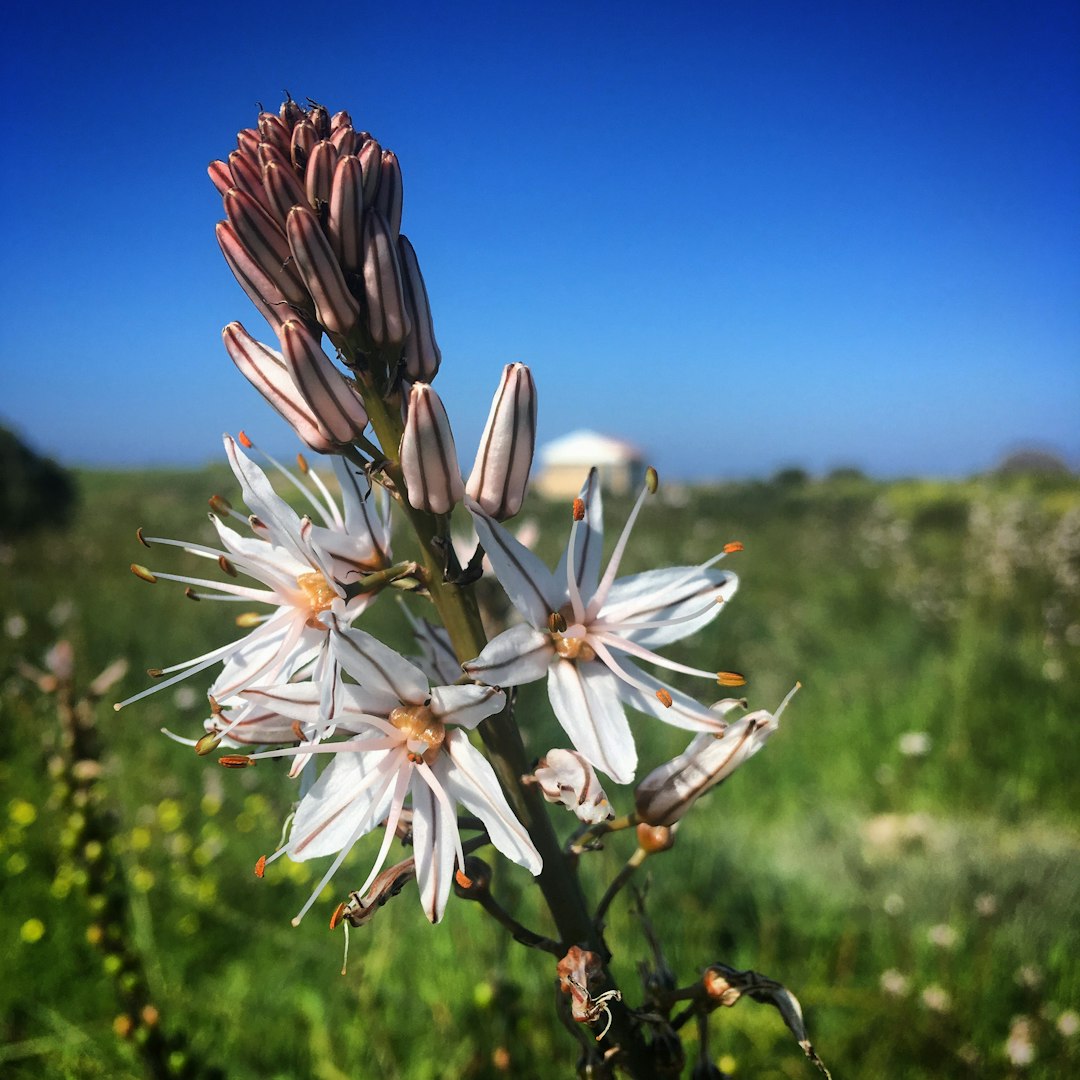
Mexican Hat (Ratibida columnifera) is a perennial native wildflower. Hardy in USDA zones 4 to 9. Prefers full sun.
Milkmaid
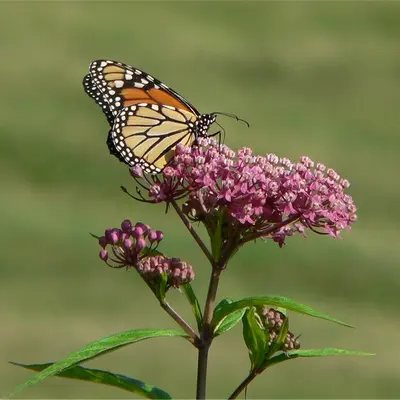
Clusters of creamy white florets on sturdy stems. Attractive lance-shaped leaves. Use for cut flowers and garden beds. Flowers late in the summer of the first year. Tall plants and sturdy stems are highly uniform. Attracts butterflies and hummingbirds. Larval host for monarch butterflies. Native to North America. Also known as swamp milkweed. Perennial in Zones 3-8.
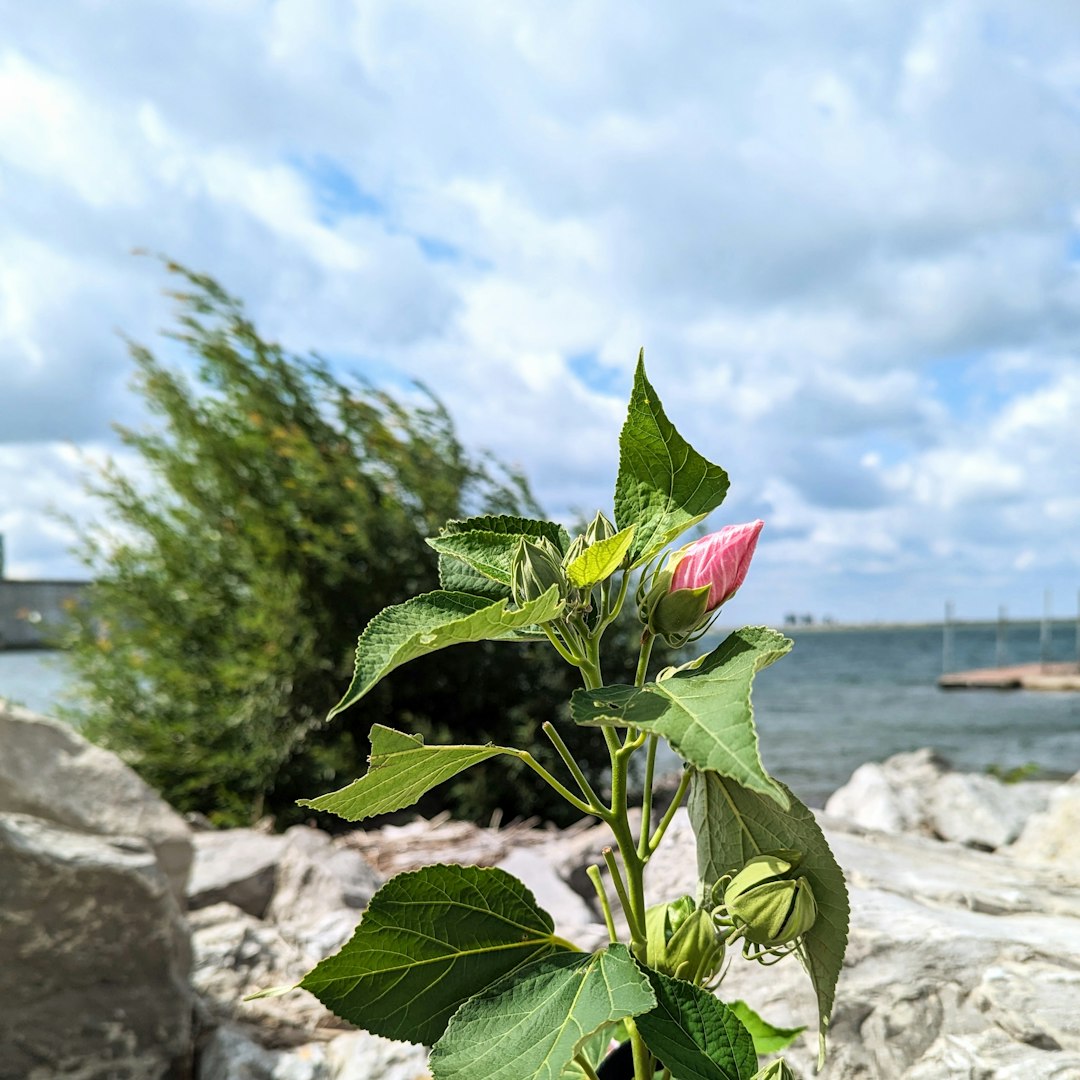
New York Ironweed
New York Ironweed (Vernonia noveboracensis) is a perennial native wildflower. Hardy in USDA zones 5 to 9. Prefers full sun.
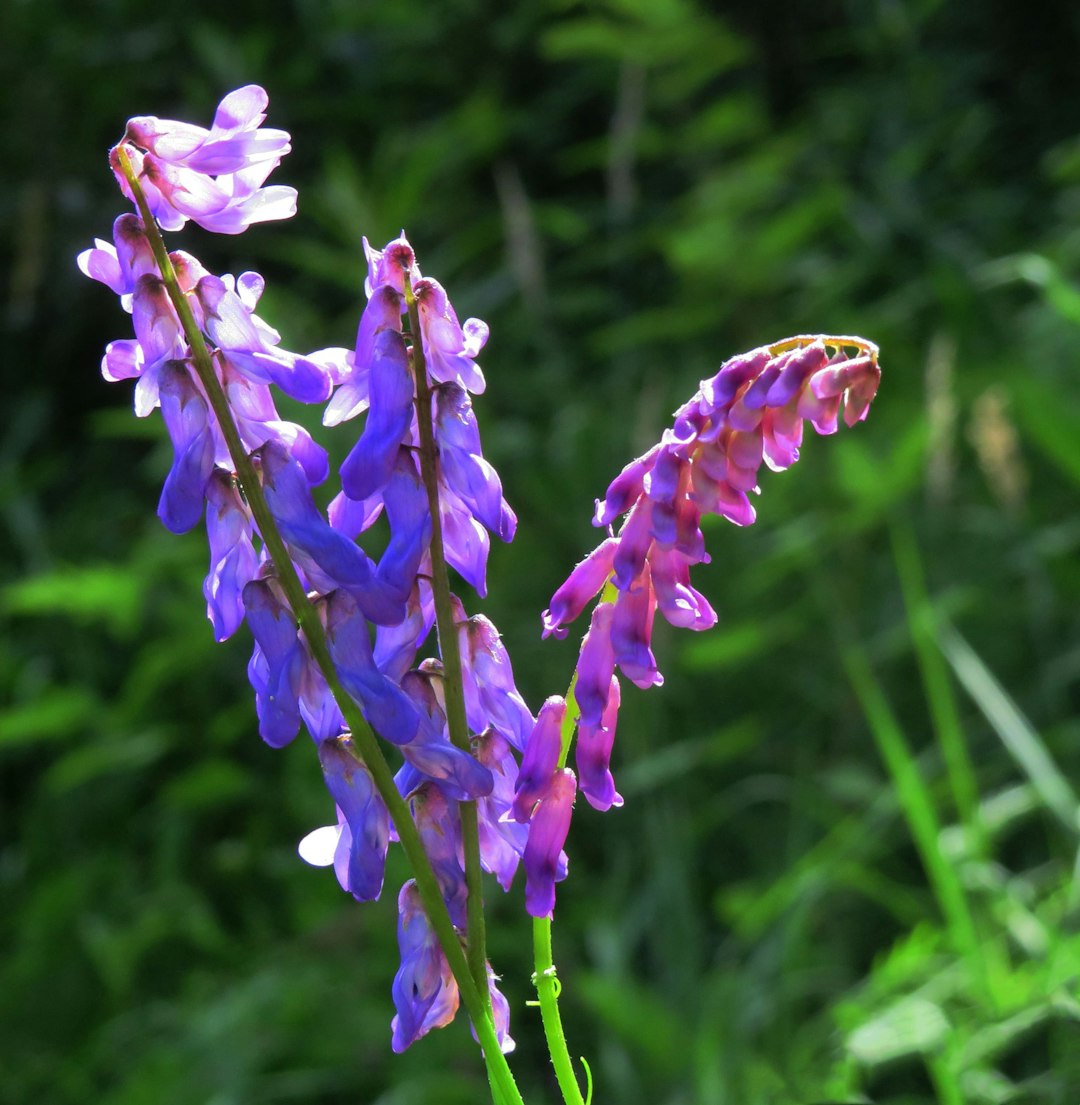
Obedient Plant
Obedient Plant (Physostegia virginiana) is a perennial native wildflower. Hardy in USDA zones 2 to 9. Prefers full sun.
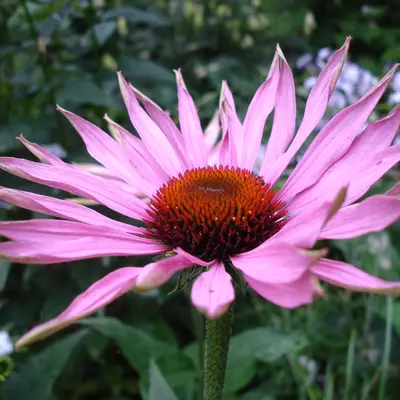
Paradiso Tall Mix
3-4" wide blooms in shades of magenta, cream, yellow, white, and orange can be used as casual cut-flowers, high-impact landscaping, or for perennial beds. Compared to Cheyenne Spirit, Paradiso Tall Mix has taller plants and a wider color range, including some softer hues such as white and cream. Attracts and is a food source for bees and other pollinators. Perennial in Zones 3-8.
Partridge Pea
A delightful annual legume that produces bright yellow flowers with distinctive red-spotted petals throughout summer and fall. This native prairie plant fixes nitrogen in the soil while attracting beneficial insects and providing seeds for quail and other wildlife. The sensitive compound leaves fold when touched, adding an interactive element that children love.
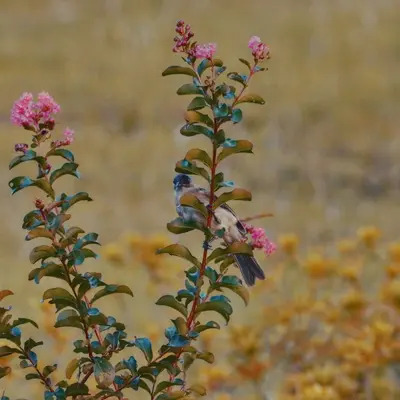
Prairie Blazingstar
A tall, dramatic native perennial that sends up striking purple flower spikes that bloom from top to bottom in late summer, creating a unique spectacle in prairie gardens. This pollinator magnet is essential for monarch butterfly migration and adds stunning vertical interest to any native plant garden.
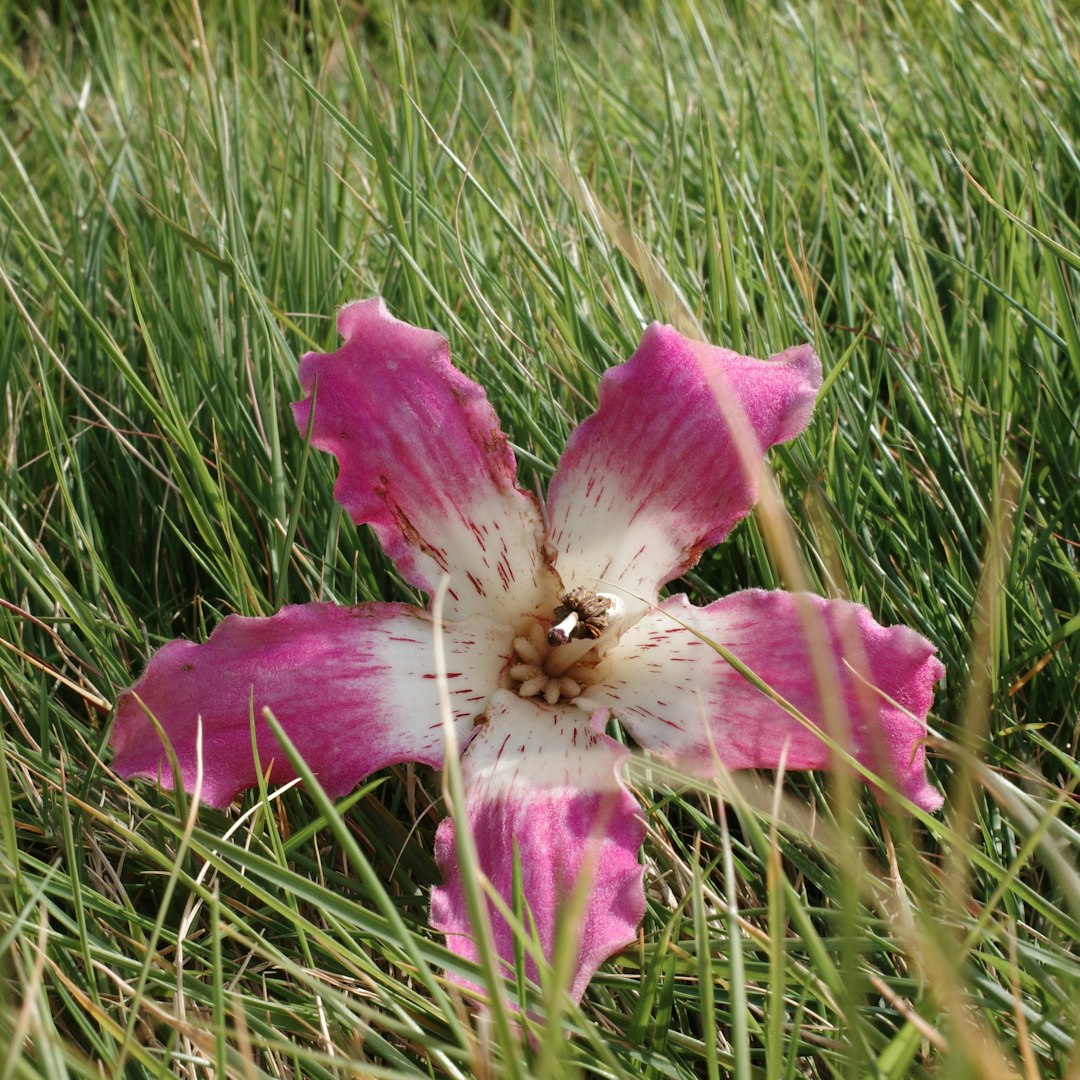
Prairie Trillium
Prairie Trillium (Trillium recurvatum) is a perennial native wildflower. Hardy in USDA zones 4 to 9.
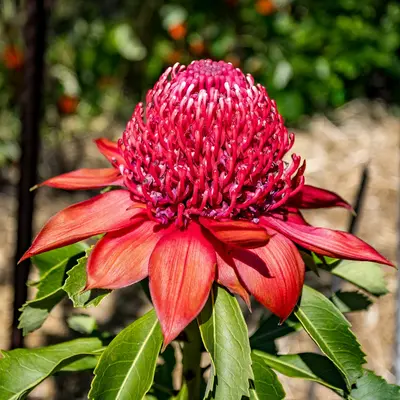
Red Turtlehead
Red Turtlehead (Chelone obliqua) is a perennial native wildflower. Hardy in USDA zones 5 to 9. Prefers full sun.
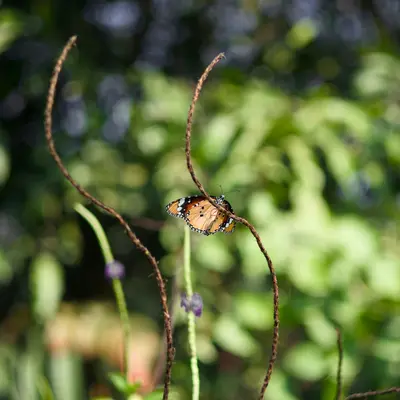
Spiderwort
A resilient native wildflower producing clusters of three-petaled blue to purple flowers that open in the morning and close by afternoon. This easy-to-grow perennial forms attractive clumps of grass-like foliage and self-seeds readily to create natural colonies. The mucilaginous stems and leaves were traditionally used by Native Americans for medicinal purposes.
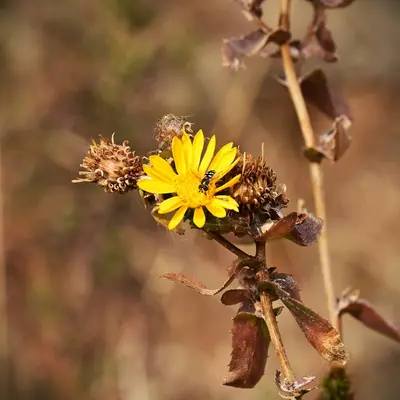
Stokes' Aster
Stokes' Aster (Stokesia laevis) is a perennial native wildflower. Hardy in USDA zones 5 to 9. Prefers full sun.
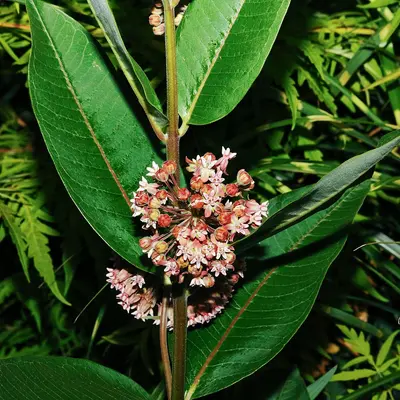
Swamp Milkweed
Blooms summer through frost. Clusters of rose to mauve florets on sturdy stems. In our trials the species is nearly identical to the variety Soulmate. Attractive lance-shaped leaves. Use for cut flowers and garden beds. Attracts butterflies and hummingbirds. Larval host for monarch butterflies. Native to North America. Also known as pink milkweed and rose milkweed. Perennial in Zones 3-8.
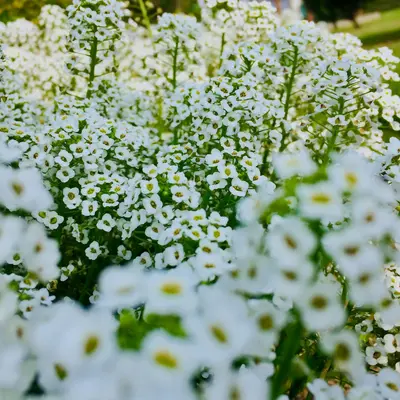
Sweet Alyssum
Sweet Alyssum is a delicate, low-growing annual wildflower featuring clusters of tiny, fragrant flowers in white, pink, or purple. Reaching just 3-9 inches tall, it matures in 50-60 days and spreads gracefully across borders and containers. This heirloom variety thrives in full sun to partial shade and tolerates poor, well-drained soil exceptionally well, making it ideal for challenging garden spots. While not typically eaten, Sweet Alyssum's defining characteristic is its intensely sweet, honey-like fragrance that attracts pollinators and fills gardens with subtle fragrance. Its vigorous self-seeding habit ensures prolific blooms throughout the season.
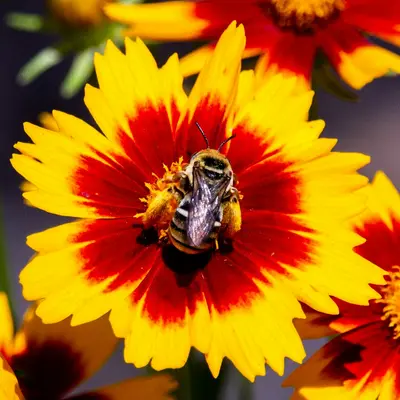
Threadleaf Coreopsis
Threadleaf Coreopsis (Coreopsis verticillata) is a perennial native wildflower. Hardy in USDA zones 3 to 9.
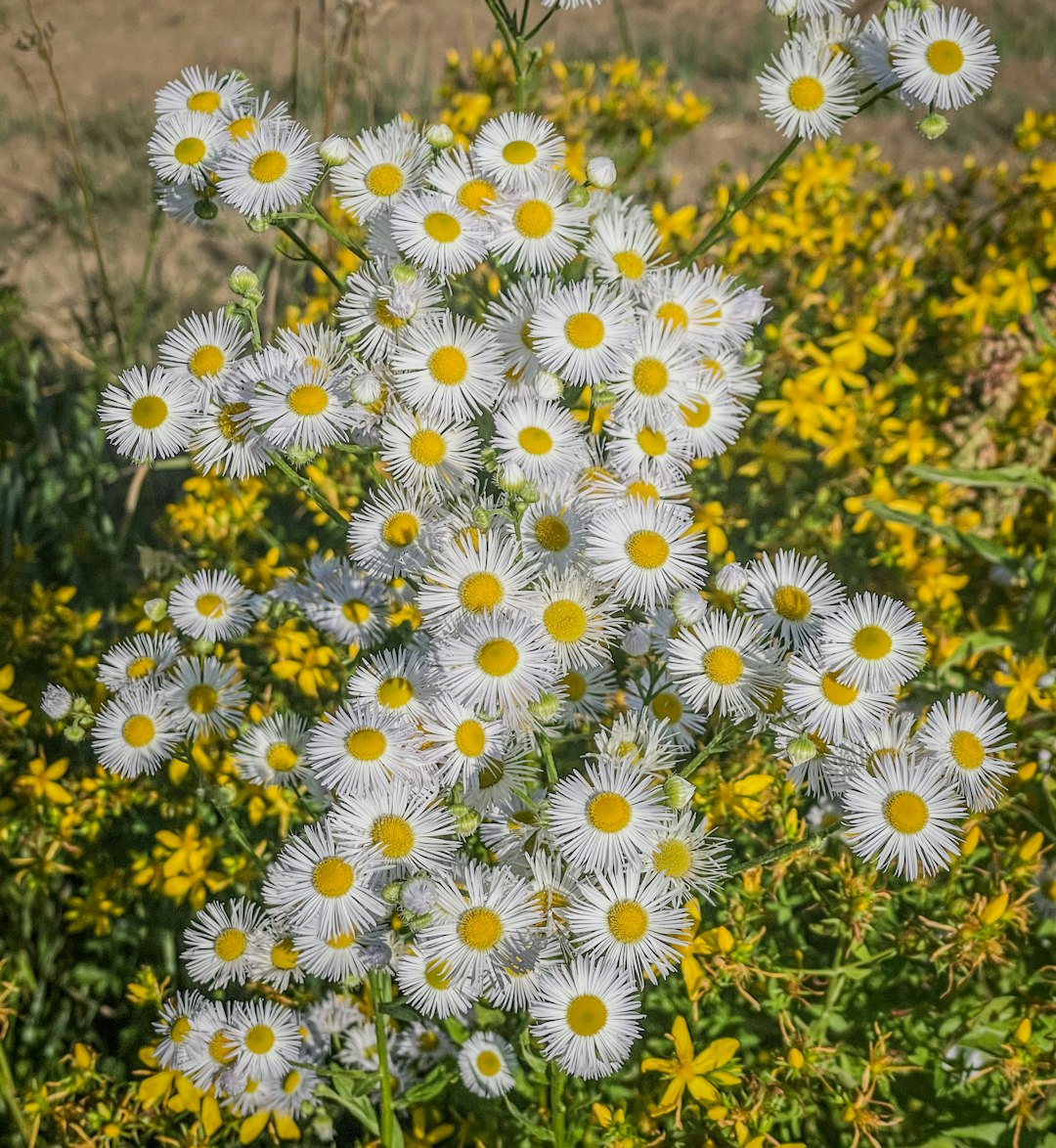
White Heath Aster
White Heath Aster (Symphyotrichum ericoides) is a perennial native wildflower. Hardy in USDA zones 3 to 9.
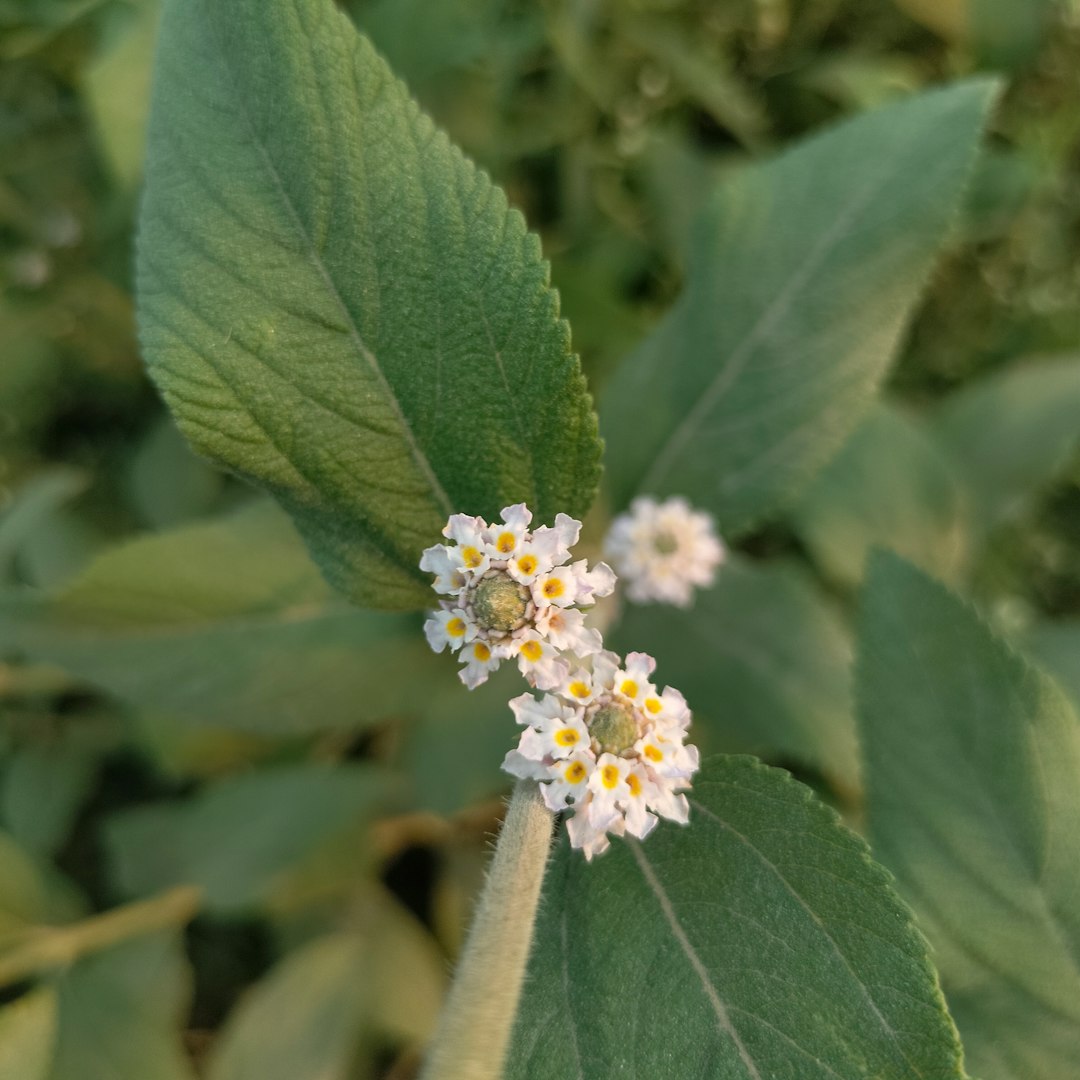
Whorled Milkweed
Whorled Milkweed (Asclepias verticillata) is a perennial native wildflower. Hardy in USDA zones 4 to 9. Prefers full sun.
Wild Bergamot
A fragrant native wildflower that attracts butterflies, bees, and hummingbirds with its clusters of tubular lavender-pink blooms. This hardy perennial spreads naturally to form beautiful colonies and has been used traditionally for tea and medicinal purposes. Its minty fragrance and long blooming period make it a favorite for pollinator gardens and prairie restorations.
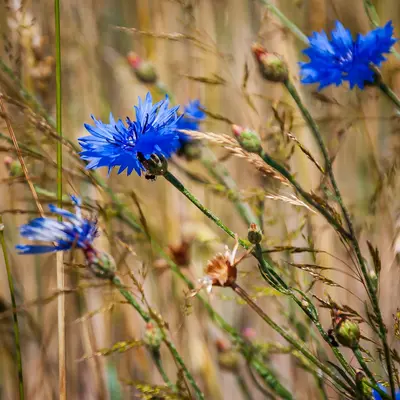
Wild Blue Indigo
A stunning prairie native that produces dramatic spikes of deep blue lupine-like flowers in late spring, followed by attractive seed pods that rattle in the wind. This long-lived perennial forms impressive clumps over time and is virtually maintenance-free once established, making it a cornerstone plant for naturalized gardens.
Wild Geranium
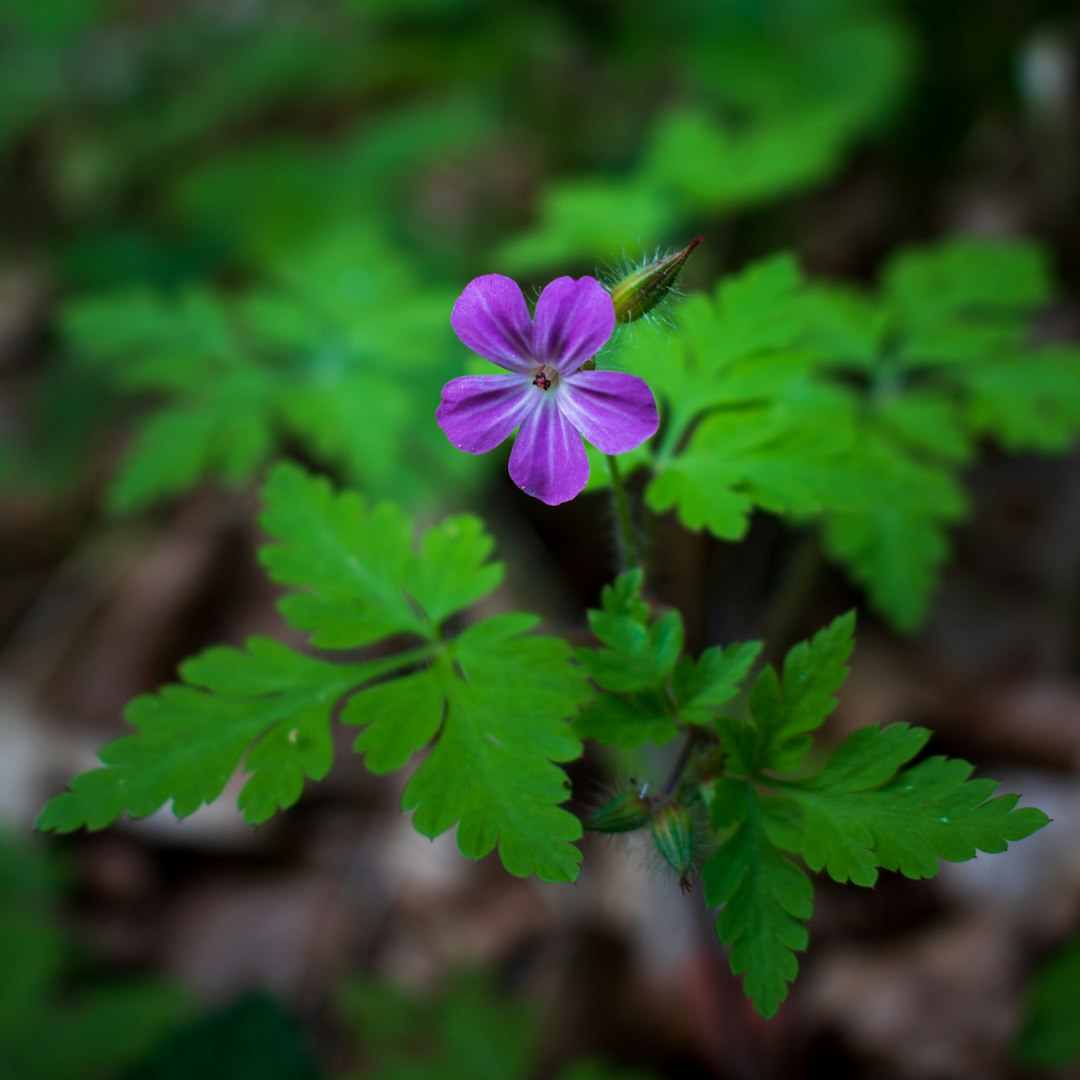
Wild Geranium (Geranium maculatum) is a perennial native wildflower. Hardy in USDA zones 3 to 11.
Wild Indigo
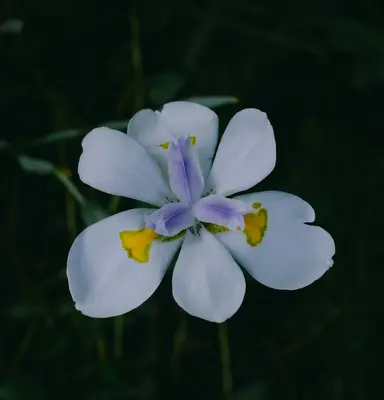
A unique prairie native with silvery-gray foliage and distinctive deep purple flower spikes topped with bright orange stamens, creating an unusual and striking garden display. This extremely drought-tolerant legume develops a deep taproot and becomes virtually maintenance-free once established, making it perfect for challenging sites.
Yellow Columbine
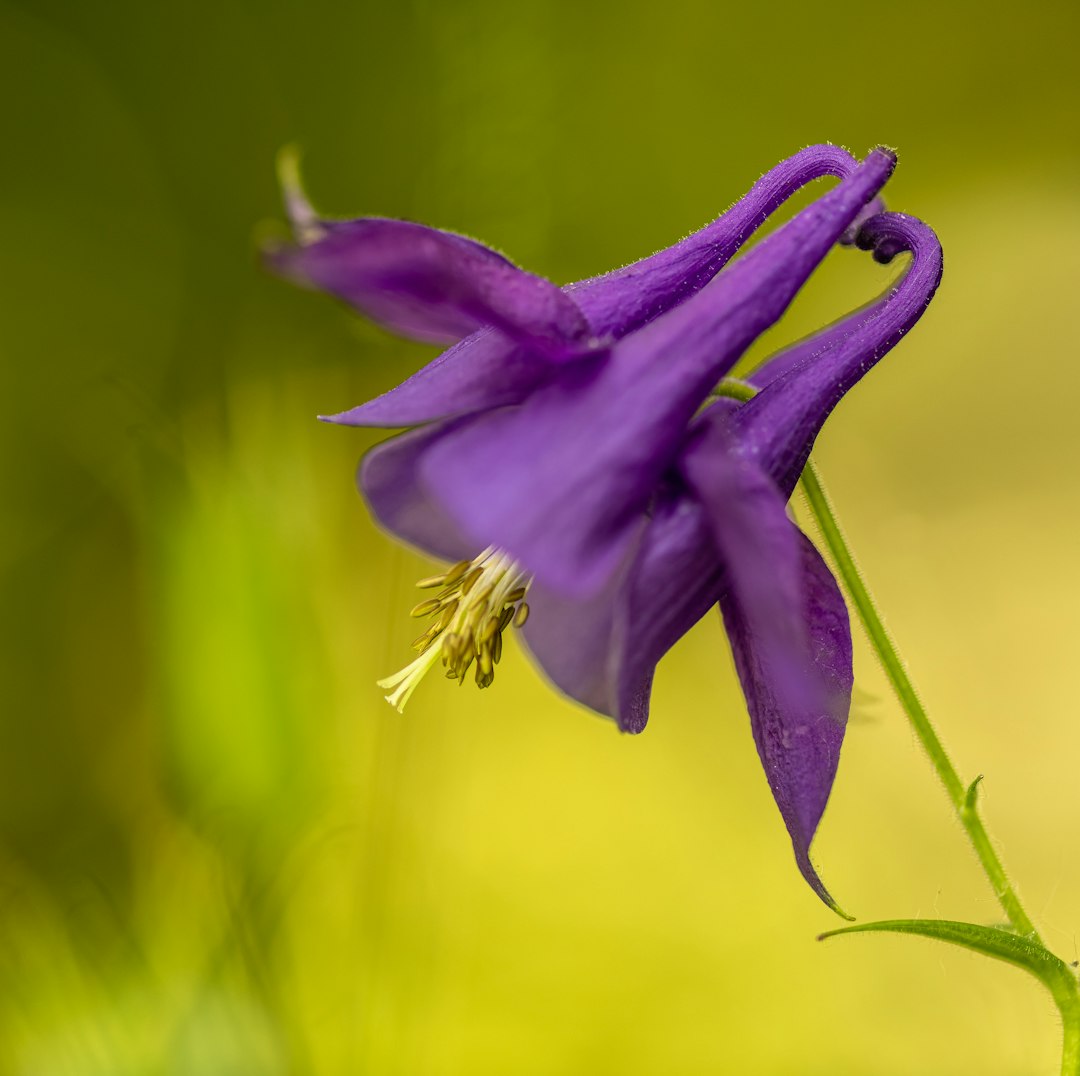
Yellow Columbine (Aquilegia chrysantha) is a perennial native wildflower. Hardy in USDA zones 4 to 9.
Yellow Wild Indigo
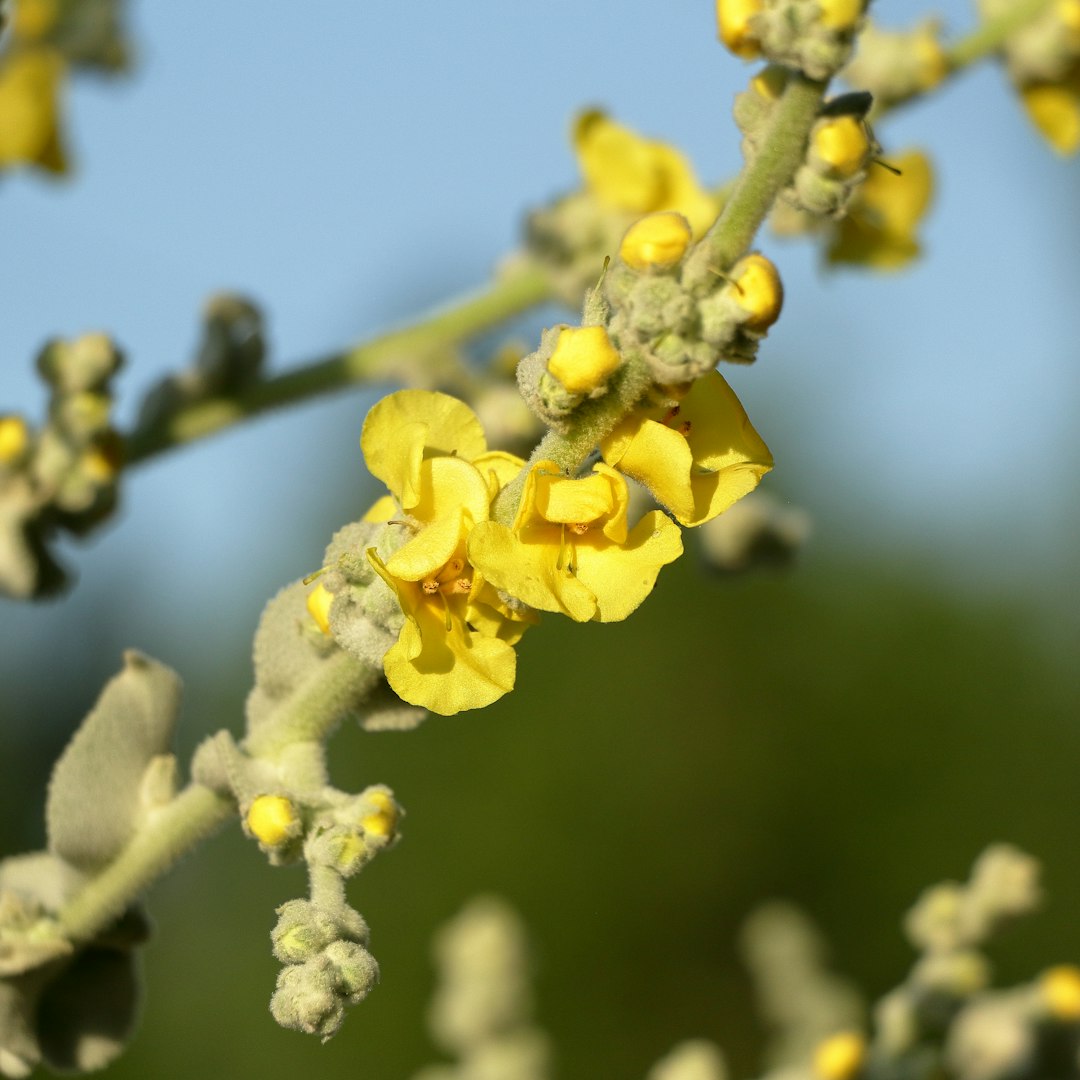
Yellow Wild Indigo (Baptisia tinctoria) is a perennial native wildflower. Hardy in USDA zones 3 to 9.
Zone 9 Growing Tips
Take advantage of Zone 9's mild winters by direct-seeding cool-season wildflowers like Sweet Alyssum and California Poppy in late fall or early winter – they'll germinate with the first warm days in February and bloom before summer heat arrives. For heat-sensitive varieties like Wild Ginger and Cardinal Flower, start seeds indoors in January and transplant by early March, giving them time to establish strong root systems before facing summer stress. Your last frost around February 15th marks the beginning of prime planting season for most perennial wildflowers.
Summer heat management is crucial for Zone 9 success. Plant heat-tolerant varieties like Butterfly Weed, Bee Balm, and Prairie Blazingstar in locations with morning sun and afternoon shade, and always mulch heavily to conserve soil moisture. Many experienced Zone 9 gardeners find success with a second planting window in late August through September, when temperatures moderate but soil remains warm enough for good germination. This timing works especially well for fall bloomers like New England Aster and allows spring bloomers to establish before winter.
Season Overview
Your generous 290-day growing season from February 15th through December 1st allows for succession planting and extended bloom periods that northern gardeners can only dream of. This long season makes Zone 9 perfect for creating wildflower gardens with three distinct bloom phases: early spring flowers like Wild Blue Phlox that capitalize on cool, moist conditions; summer stalwarts like Black-Eyed Susan and Blanket Flower that power through heat and humidity; and fall-flowering varieties like New England Aster that provide color when temperatures finally moderate in October and November.