Zone 6 Coverage
Planting Timeline — All Varieties
Growing Herbs in Zone 6
Zone 6 herb gardeners hit the sweet spot for growing an impressive variety of culinary herbs, though success depends on working with your climate's particular rhythm. Your 180-day growing season from mid-April to mid-October gives heat-loving basils time to flourish while providing enough cool weather for hardy perennials like thyme and sage to establish strong root systems. The key challenge in Zone 6 is managing that tricky spring transition – you'll get teased by warm March days, but that April 15th average last frost means patience pays off.
When selecting herbs for Zone 6, prioritize varieties that either handle light frosts gracefully or produce quickly enough to give you multiple harvests before fall. Mediterranean herbs like oregano, thyme, and sage absolutely thrive here because they appreciate the warm summers but need that winter chill period to remain productive year after year. For annual herbs, look for varieties that offer something special – like Pesto Perpetuo basil that won't bolt as quickly as standard varieties, or Fernleaf dill that stays compact and productive longer than common dill.
The herbs I've selected for Zone 6 gardens represent the best performers I've grown over years of testing varieties in this climate. Each one either offers exceptional flavor, extended harvest periods, or particular resilience to Zone 6's weather patterns. You'll find both reliable workhorses like English lavender and exciting varieties like Chocolate mint that take advantage of your generous growing season.
Variety Comparison
| Variety ↑ | Days | Difficulty |
|---|---|---|
| Allium schoenoprasum 'Purly' | 60-75 | Easy |
| Angelica | 365 | Easy |
| Anise Hyssop | 75-80 | Easy |
| Arat | 75 | Easy |
| Arterner | 400 | Easy |
| Asia Ip | 80-85 | Easy |
| Borage | 50-60 | Easy |
| Bouquet Dill | 40-60 | Easy |
| Brilliant | 75 | Easy |
| Britton | 80-85 | Easy |
| Bronze | 50-60 | Easy |
| Catnip | 75-85 | Easy |
| Chocolate Basil | 65-75 | Easy |
| Chocolate Mint | 65-75 | Easy |
| Cilantro | 16-25 | Easy |
| Common Chamomile | 60-65 | Easy |
| Common Mint | 70-80 | Easy |
| Common Thyme | 90-95 | Easy |
| Common Valerian | 500-550 | Easy |
| Creeping | 90-95 | Easy |
| Cumin | 100-115 | Easy |
| Curly Parsley | 55 | Easy |
| Cutting Celery | 80-85 | Easy |
| Dandelion | 95 | Easy |
| Darki Green | 75 | Easy |
Variety Details

Allium schoenoprasum 'Purly'
A stunning ornamental chive variety that produces vibrant purple-pink flower globes above slender, hollow green stems throughout the growing season. Unlike common chives, Purly offers exceptional flower production and color intensity, making it perfect for edible landscaping, cut flower arrangements, and pollinator gardens. The edible flowers and mild onion-flavored leaves provide both culinary value and garden beauty in one reliable perennial package.
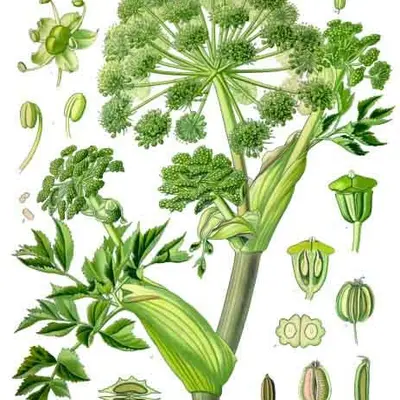
Angelica
Large, lobed leaves and thick, hollow stems. Leaves and stalks have sweet flavor. Because Angelica is a biennial, flowering begins early spring of the second year. Large, numerous blooms. Seeds are cold-stored to ensure viability. Blooms make a lovely addition to fresh or dried bouquets. Attracts and feeds beneficial insects and pollinators, including bees, parasitic wasps, lady beetles, minute pirate bugs, syrphid flies, and tachinid flies.

Anise Hyssop
Very aromatic with a sweet, licorice-mint flavor. Vigorous plants produce abundant blooms, attracting bees and other pollinators. Anise hyssop is also known as giant hyssop, blue giant hyssop, fennel giant hyssop, and fragrant giant hyssop.Edible Flowers: Leaves and flowers can be used fresh or dried to flavor drinks, salads, soups, pasta, and desserts.
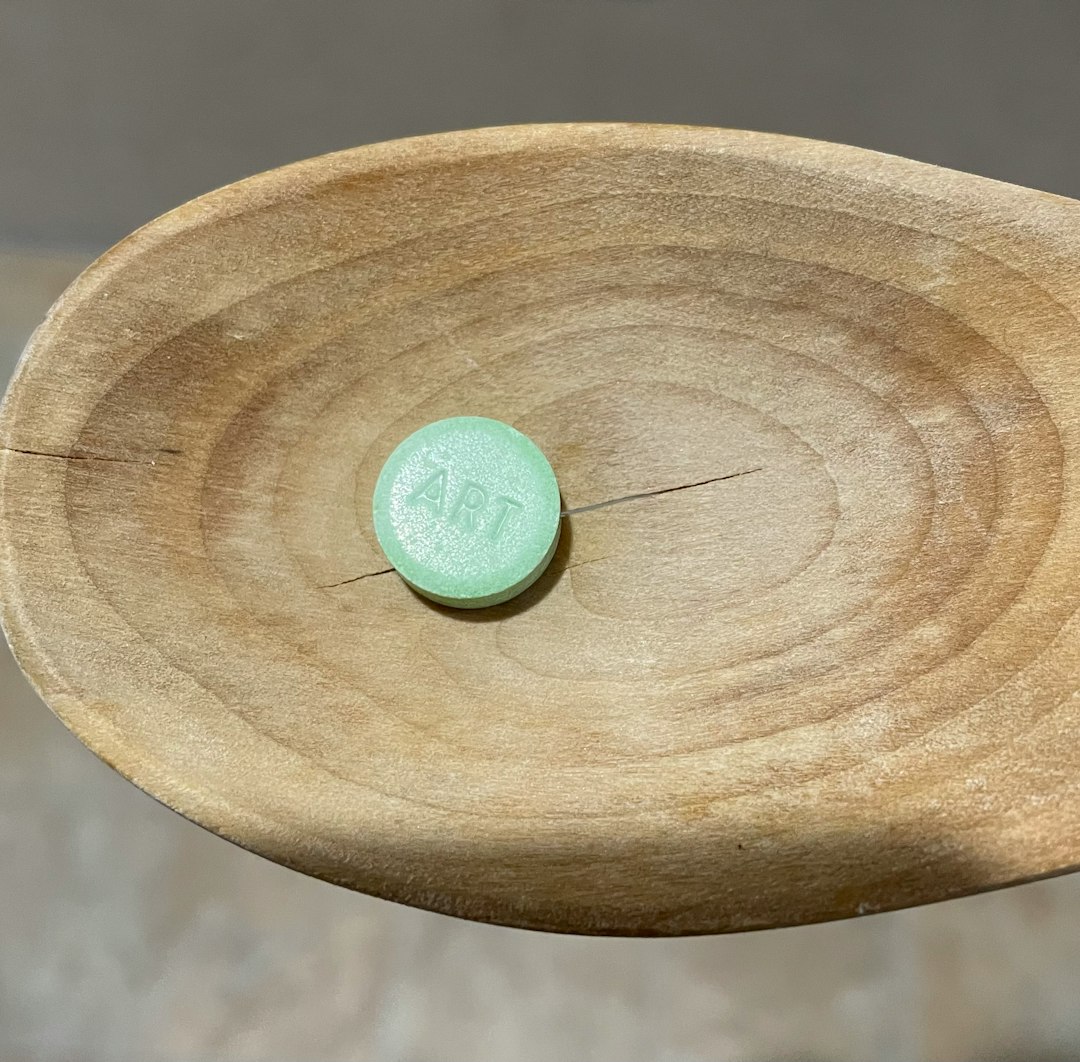
Arat
Enjoy the flavor of fresh parsley for soups, salads, and stews throughout the winter. Keeps several months when stored in cool conditions. Once roots are established, tops can be used for cooking, with stronger flavor and tougher texture than traditional leaf parsley. Roots are 5-8" long.
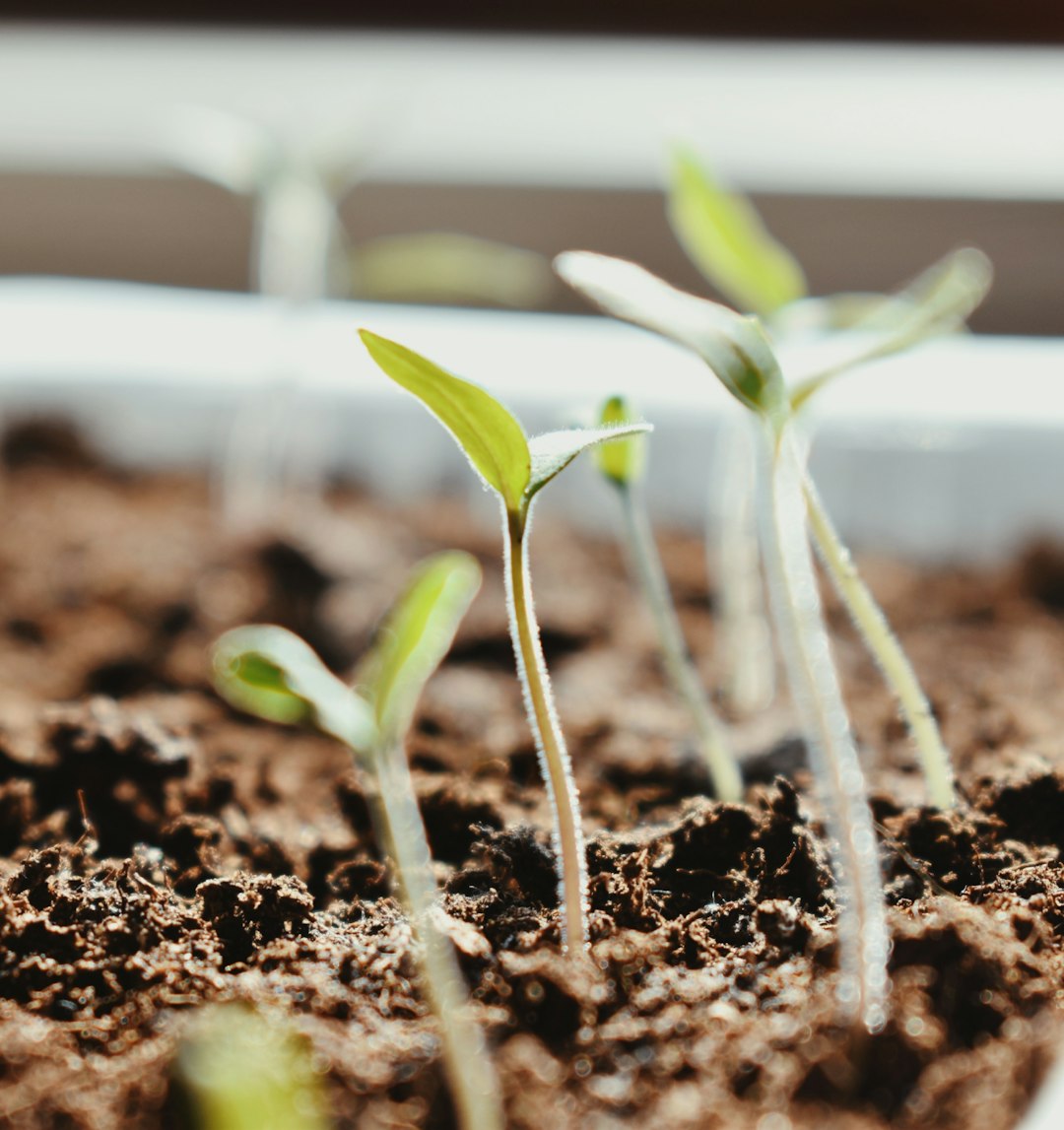
Arterner
Easy to grow once established. White umbel flowers form in spring of second year, attracting beneficial insects, such as hover flies. Harvest seed heads when plump and light brown, hang to dry. Thresh to remove seeds. One plant produces approx. 5 Tbs. of seed. Used in breads and savory dishes to lend an earthy, mild anise flavor.
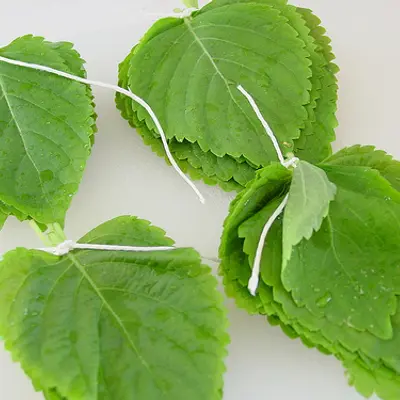
Asia Ip
Leaves are similar to Britton type in shape and size, but are medium green with pink tinge on undersides. Stronger flavor than standard green shiso with uniform, full habit. Edible Flowers: The flowers are a flavorful addition to salads and Asian dishes. Pairs well with fish, rice, noodles, and cucumbers. The minty, basil-like flavor has hints of clove and cumin.
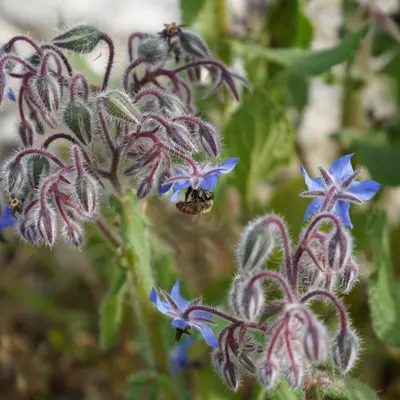
Borage
Large plants bear hundreds of small edible flowers, mostly blue and some pink. Long harvest period. Borage flowers attract bees and butterflies. Also available in organic seed.Edible Flowers: Add the flowers to salads or use to garnish cold drinks and desserts. Freeze as ice cubes. Mild cucumber flavor.
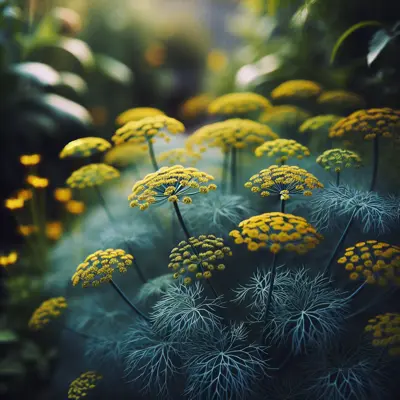
Bouquet Dill
Early flowering plants produce large blooms, seed umbels, and foliage on long stems, making Bouquet the preferred dill for cut-flower use and pickling. Also an economical, fast-growing choice for baby-leaf production. Edible seeds, flowers, and greens flavor many foods. Popular addition to sauces, salads, and soup. Foliage known as dill weed. Edible Flowers: The flowers are used to garnish potato salad, green salads, and pickles. When broken into florets, they can be mixed into a cheese spread or omelet.Also available in organic seed.
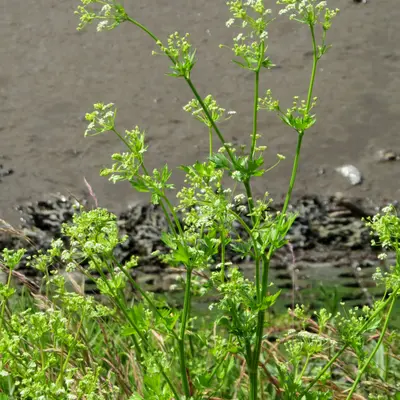
Brilliant
Brilliant is an easy-to-grow hybrid herb variety reaching maturity in 75 days under full sun conditions. This cultivar thrives in well-drained loam with moderate fertility, making it an excellent choice for novice gardeners. Brilliant delivers a distinctive sweet and juicy flavor profile with classic, mild undertones and a refreshing finish. The variety exhibits strong vigor but requires vigilant pest management against cucumber beetles, squash vine borers, aphids, and spider mites. Its balanced flavor and reliable productivity make it ideal for fresh use and culinary applications where a mild, refreshing taste is desired.
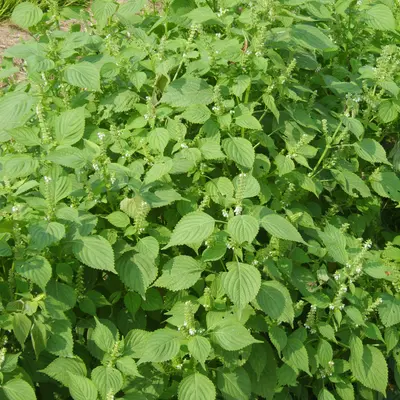
Britton
Good salad mix item, or use larger leaves as sushi wraps or garnishes. Larger leaf and plant than our 'Red' and 'Green' shiso. Mild mint/basil aroma. Also good for ornamental use. Leaves show best color contrast when grown in temperatures below 85°F (29°C). Also known as perilla. Edible Flowers:The flowers are a flavorful addition to salads and Asian dishes. Pairs well with fish, rice, noodles, and cucumbers. The minty, basil-like flavor has hints of clove and cumin.
Bronze
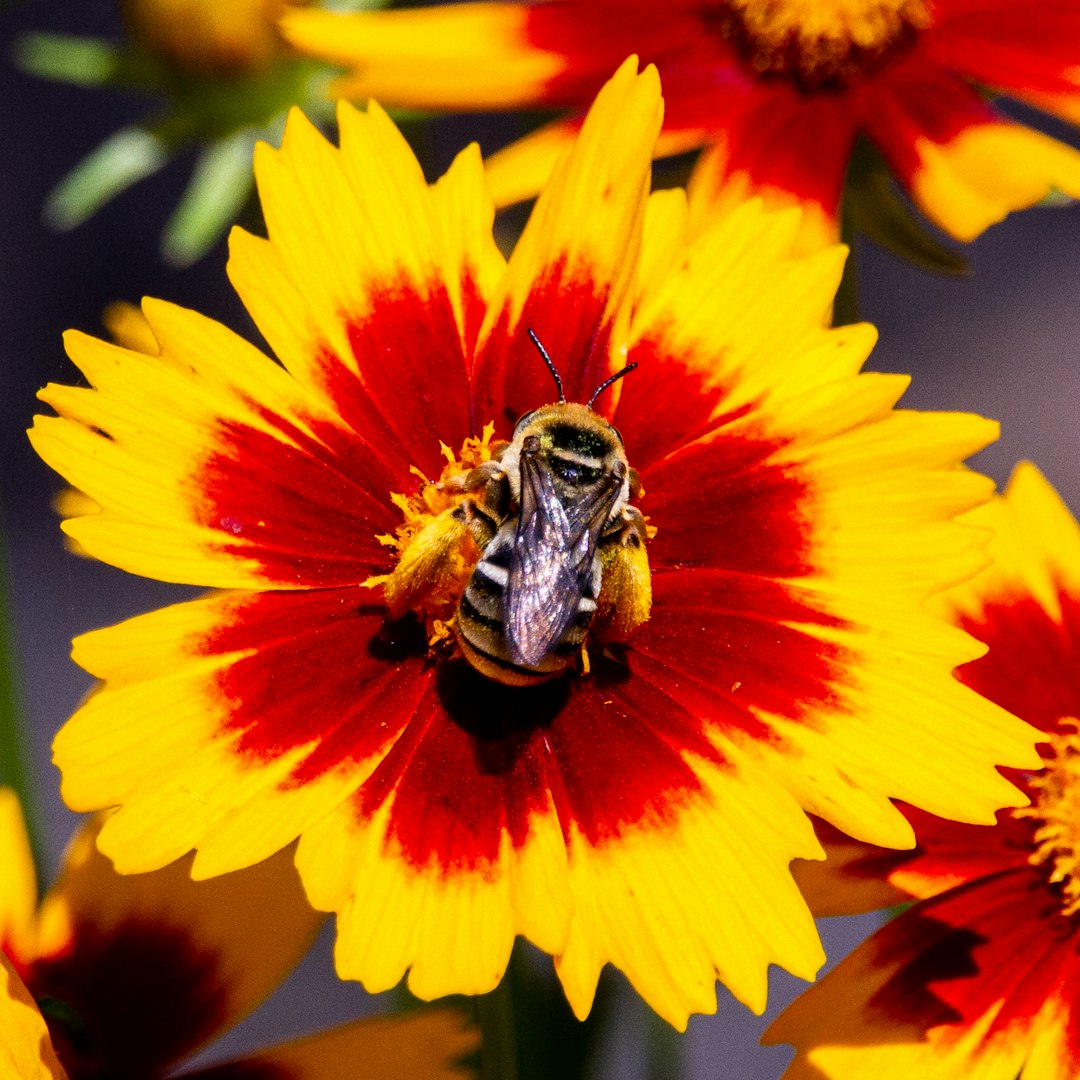
Bronze is an heirloom fennel variety prized for its distinctive copper-bronze foliage that sets it apart from traditional green fennel. This productive herb reaches maturity in 50-60 days and develops a sweet anise flavor that evolves from mild in young plants to rich and intensely fragrant when fully mature. The bronze coloring becomes more pronounced as the plant matures, making it visually striking in gardens. Bronze fennel is valued both as a culinary herb for its superior flavor depth and as an ornamental addition to herb and perennial gardens, thriving in full sun with well-drained soil.
Catnip
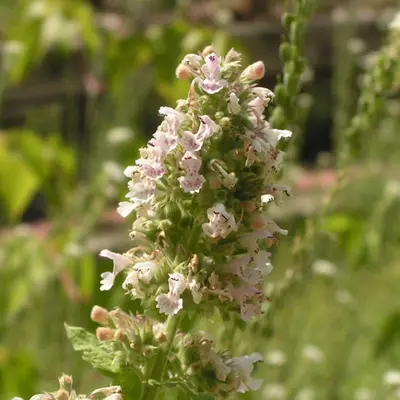
Cat-attracting perennial with gray-green leaves and white flowers. Markets for catnip include cat toy crafters, herbal tea companies, and retail plant sales. Flowers are very attractive to bees.
Chocolate Basil
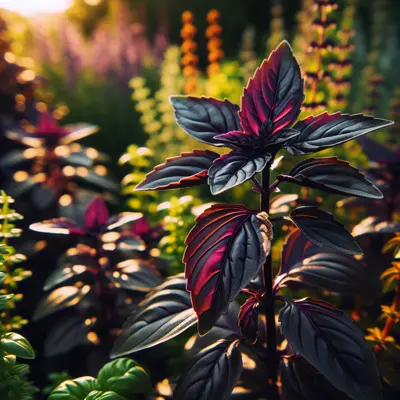
Chocolate Basil is a heirloom herb variety known for its distinctive dark purple-tinged leaves and rich, complex flavor profile. Maturing in 65-75 days, this basil combines traditional sweet basil character with pronounced chocolate, cinnamon, and warm spice notes that become more pronounced as the plant matures. The foliage is dense and aromatic, ideal for culinary applications where its unique flavor complexity elevates dishes, teas, and infusions. Best grown in full sun with rich, well-drained soil, this easy-to-grow variety is prized by gardeners seeking distinctive flavor experiences beyond standard basil varieties.
Chocolate Mint
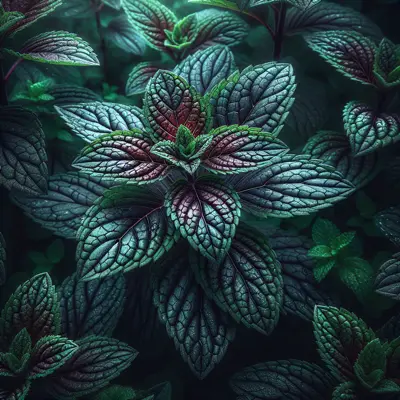
Chocolate Mint is a distinctive heirloom herb variety that matures in 65-75 days, featuring aromatic green foliage with soft, velvety texture. This unique mint hybrid stands out for its exceptional flavor profile: a refreshing cool mint taste with prominent chocolate undertones and a subtle sweet finish, making it ideal for both culinary applications and specialty beverages. Despite its rich flavor complexity, Chocolate Mint remains easy to grow, thriving in full sun with well-drained, moist soil. The plant tolerates heavy clay conditions well, making it adaptable to various garden settings.
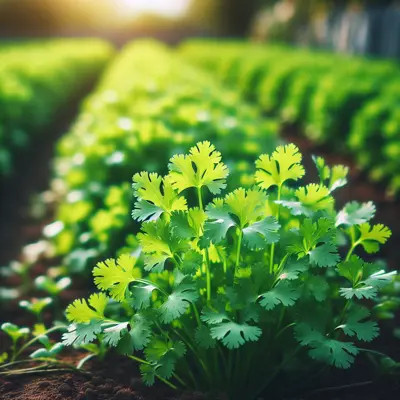
Cilantro
Cilantro is a delicate leafy herb with feathery, triangular green foliage that reaches harvest maturity in 16-25 days. The plant produces thin, lacy stems bearing distinctive serrated leaves with a bright, citrusy flavor profile that carries subtle soapy notes and fresh herbal undertones. Cilantro thrives in full sun to partial shade and prefers well-drained, fertile soil. As a quick-maturing heirloom variety, it's ideal for succession planting throughout the growing season. Widely used in Latin American, Asian, and Mediterranean cuisines as a fresh garnish and flavor component in salsas, curries, and chutneys.
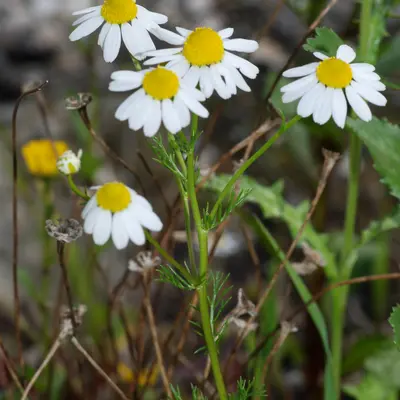
Common Chamomile
Good yields of small, sweet-smelling, daisy-like flowers. Tea made from the flowers aids digestion and acts as a gentle sleep inducer. Harvest using the Chamomile Rake. Also known as German chamomile and Hungarian chamomile.Edible Flowers: The flowers can be used to garnish salads, desserts, and drinks. Flavor is slightly sweet and of chamomile.
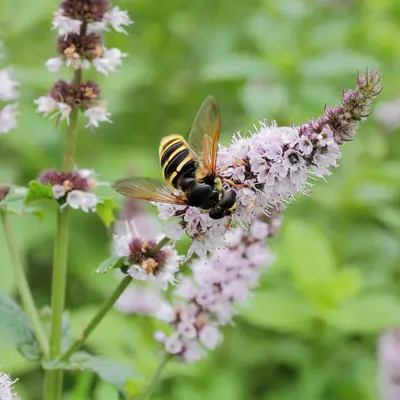
Common Mint
Use to flavor salad mix, main dishes, ice cream, and drinks. Variety not stated since mint does not grow true-to-type from seed. Edible Flowers: The flowers add a minty flavor to salads, soups, desserts, and drinks.
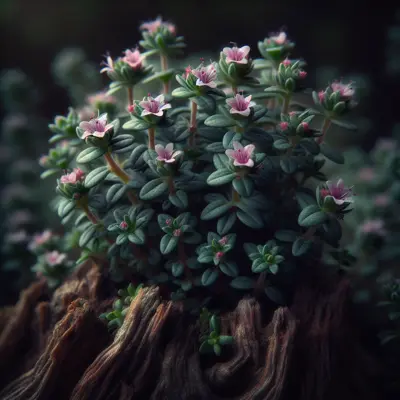
Common Thyme
Common Thyme is a compact, woody perennial herb with tiny, narrow green leaves and delicate pink or purple flowers. Reaching maturity in 90-95 days, it becomes a robust ground cover perfect for edging and containers. This Mediterranean native thrives in poor, well-drained soil and is remarkably cold-hardy. Its earthy, minty flavor with warm, pungent undertones makes it essential for cooking—particularly valued in French cuisine and Mediterranean dishes. More cold-tolerant than most culinary herbs, Common Thyme delivers consistent flavor year-round and rarely suffers from serious pest issues.
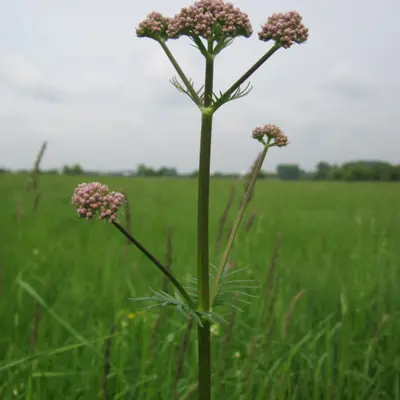
Common Valerian
Common variety, naturalized in some areas. Root used for anxiety, insomnia, and pain relief. Also known as garden heliotrope, cat's valerian, setwell, and St. George's herb.
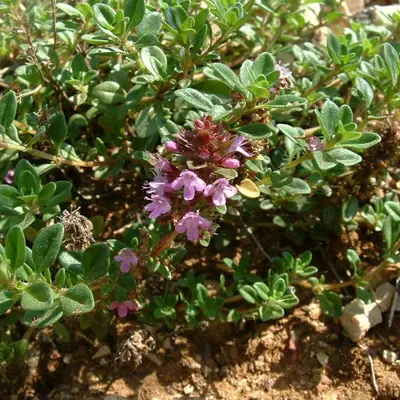
Creeping
Creeping is an heirloom herb variety characterized by its low-growing, spreading growth habit that makes it ideal for ground cover or container cultivation. Reaching maturity in 90-95 days, this easy-to-grow herb thrives in full sun and well-drained soil while tolerating poor soil conditions remarkably well. The creeping form sets it apart from upright varieties, offering both ornamental appeal and practical utility in herb gardens.
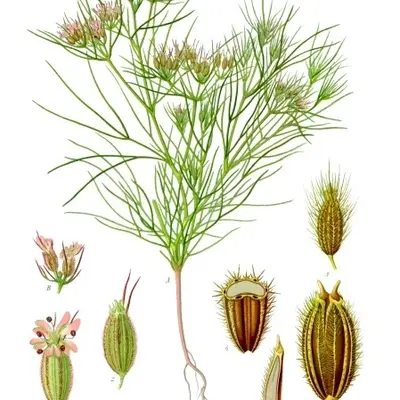
Cumin
Fragrant, ferny foliage is similar to dill. Young leaves make a nice addition to salad mixes. Grows best in warmer climates, but will produce seeds in northern areas if started early. Medicinal: Seed aids digestion.
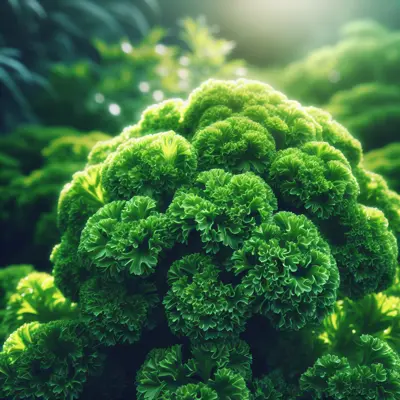
Curly Parsley
The finely curled dark blue-green leaves can be harvested with one cut. The compact plants produce leaves that are very uniform, resist yellowing, and have good flavor. Short internodes allow for high yields despite compact habit. Perfect for harvesting the whole plant at 12-18".
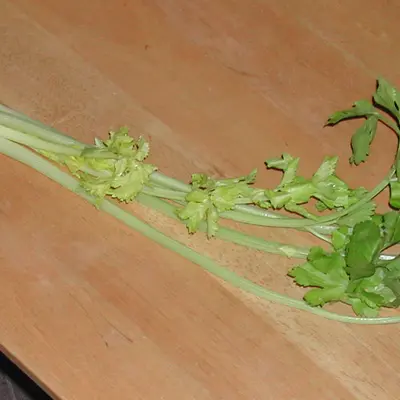
Cutting Celery
Easier to grow than standard celery. A versatile ingredient for salads, soups, stews, and vegetable medleys. Can be marketed in bunches or salad mixes. Also known as leaf celery. Also available in organic seed.
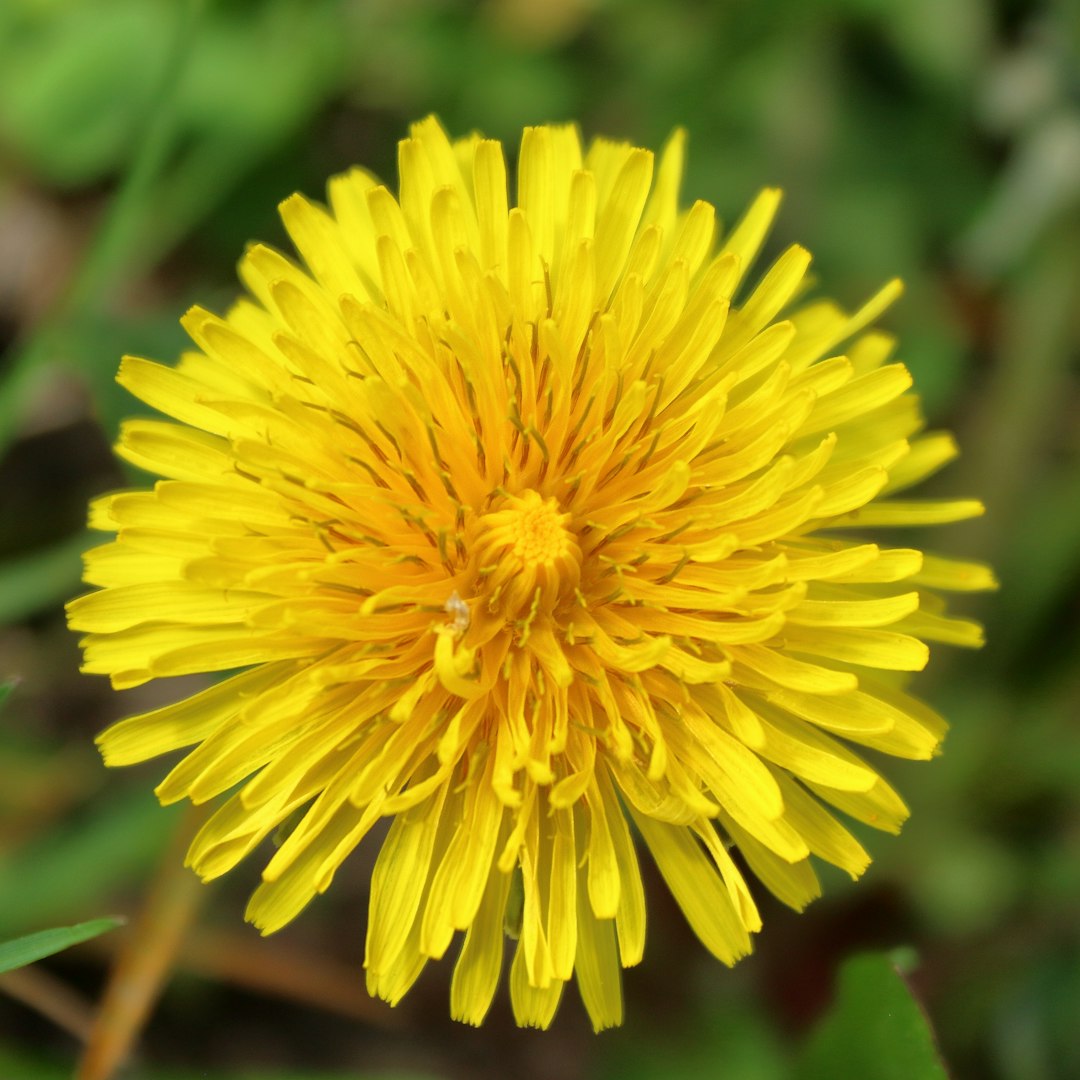
Dandelion
Young leaves are used in salads. Roots are roasted for a coffee substitute.
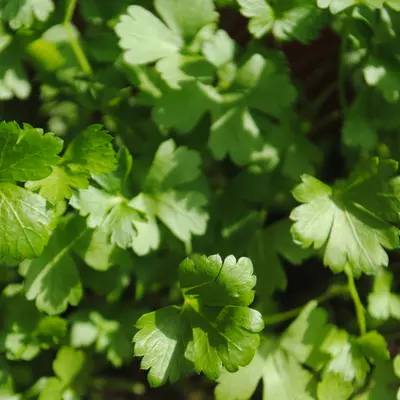
Darki Green
A very dark green selection of the Moss Curled type. Use it for garnishes, salads, and cooking. It performs well in containers and the field, allowing for multiple cuttings per season from one planting. Upright leaves make harvesting easy. Tolerates light frost. Curled-leaf type. Ht. 12-16".
Dragon
Well-known for its beautiful magenta-purple skin and broad, Chantenay-type shoulders. Slicing reveals a surprise of orange or yellow interior, sometimes both. Very thin, smooth skin makes Dragon easier to wash and serve unpeeled than other purples. Roots hold well in the field. Tops are strong and vigorous in early growth to compete with weeds. Internal color will vary. Avg. 5-7" long. Originally bred by the late Dr. John Navazio. Kuroda x Chantenay type. Also available with NOP-compliant pelleting.
Ellagance Purple
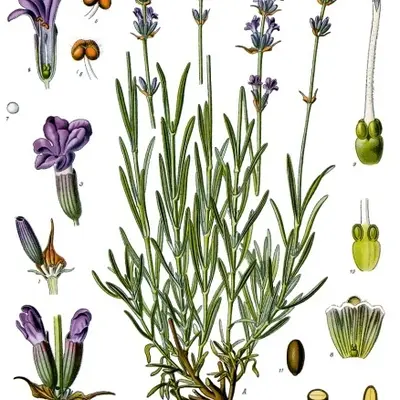
Deep purple flowers bloom the first year on large dense spikes. Plants are bushy, uniform, and well-branched. An alternative to vegetative varieties. Winter hardy in Zones 5-7. FleuroSelect Gold Award Winner. Edible Flowers: The flowers can be used to garnish desserts and as a distinct flavor element in baked goods. Flavor is sweet and floral and pairs well with citrus, berries, nuts, mint, and cinnamon.
English Lavender
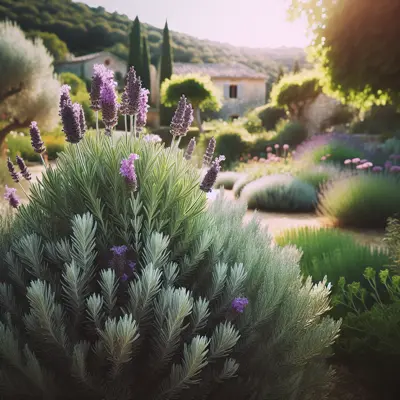
A compact, hardy lavender variety that's perfect for beginners and produces fragrant purple flower spikes beloved by bees and butterflies. This drought-tolerant perennial offers the classic lavender fragrance that's perfect for sachets, cooking, and aromatherapy while forming neat, silvery-green mounds in the garden. Munstead is one of the most cold-hardy lavender varieties, making it suitable for northern climates.

Fennel Bronze
Bronze-colored leaves and stems. Add sweet, fennel flavor to desserts, and color to light-colored fish. NOTE: Fennel flavor develops and intensifies as plants mature. Fennel at the micro stage can be quite mild in flavor. Adding a few days to crop time (after the first true leaf appears) can intensify the flavor.
Fernleaf Dill
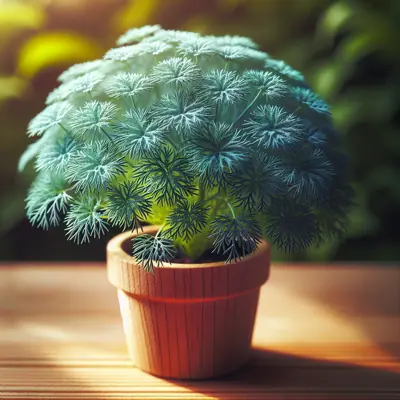
Abundant dark blue-green foliage. Great in containers or in small spaces. AAS Winner. Ht. 6-8".
Flat-Leaf Parsley
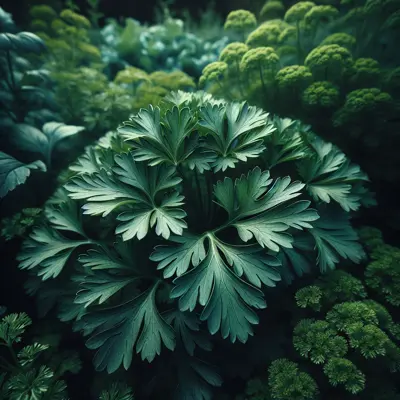
Also known as Italian parsley, this variety offers superior flavor compared to curly parsley with its clean, bright taste that doesn't overpower dishes. The flat, deeply-cut leaves are easier to chop and provide a fresh, grassy flavor that's essential in Mediterranean cooking. This hardy biennial is incredibly productive and continues growing through light frosts, making it a kitchen garden staple.
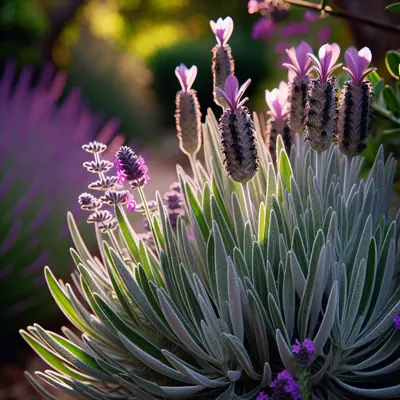
French Lavender
Distinguished by its unique serrated leaves and topped flower spikes crowned with purple bracts, French lavender brings year-round beauty to warm climate gardens. This aromatic herb blooms almost continuously in mild climates and offers a slightly camphor-like fragrance that's perfect for crafts and cooking. More heat and humidity tolerant than English lavender, making it ideal for challenging growing conditions.
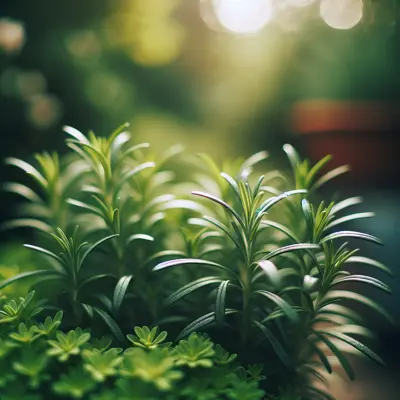
French Tarragon
The aristocrat of culinary herbs, true French tarragon is essential for classic French cuisine with its distinctive anise-like flavor and sophisticated aroma. Unlike Russian tarragon, this sterile variety must be grown from cuttings and offers incomparably superior flavor. A must-have for serious cooks who want to create authentic béarnaise sauce and fine herb blends.
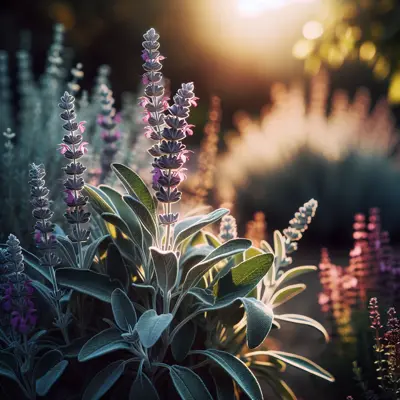
Garden Sage
High essential oil content of 1.5-2.0%. Robust, uniform plant. Also known as garden sage. Edible flowers: Use as garnish, or as an ingredient in rice, egg, or cheese dishes.
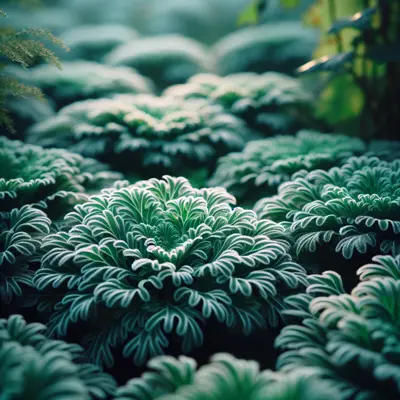
Garland Chrysanthemum
Garland Chrysanthemum is a tender, leafy herb with finely divided, feathery foliage that reaches maturity in 30-50 days. Also known as shungiku or edible chrysanthemum, this heirloom variety produces delicate, deeply lobed leaves with a distinctive mild, slightly bitter flavor. The fresh, herbal notes carry subtle hints of chrysanthemum flowers, making it prized in East Asian cuisines for both raw salads and cooked applications. This versatile herb thrives in cool seasons and is remarkably easy to grow, tolerating partial shade while preferring rich, well-draining soil enriched with organic matter.

German Chamomile
The classic tea herb beloved for its apple-scented flowers and gentle, soothing properties that have been treasured for centuries. This delicate annual produces masses of small, daisy-like flowers with white petals and bright yellow centers that can be harvested continuously throughout the growing season. Easy to grow and self-seeds readily, creating a charming cottage garden atmosphere while providing homegrown herbal tea.
German Thyme
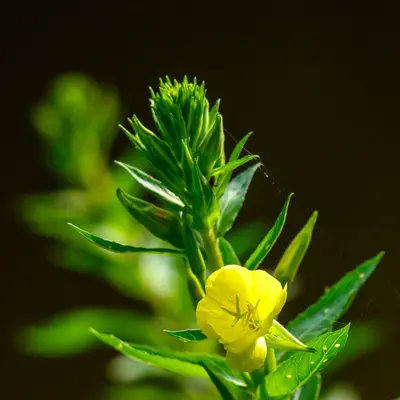
German Thyme is a classic heirloom herb variety prized for its robust, earthy flavor profile with subtle hints of mint, clove, and camphor. This hardy perennial produces fine, needle-like foliage on compact woody stems and reaches maturity in 90-95 days. A defining characteristic is its exceptional cold hardiness and ability to thrive in poor, sandy, or rocky soils with minimal care. Its strong, complex flavor makes it particularly valuable for culinary applications in soups, stews, roasted vegetables, and herbal tea blends. Generally pest-resistant, though spider mites may appear in intense heat.
Giant of Italy
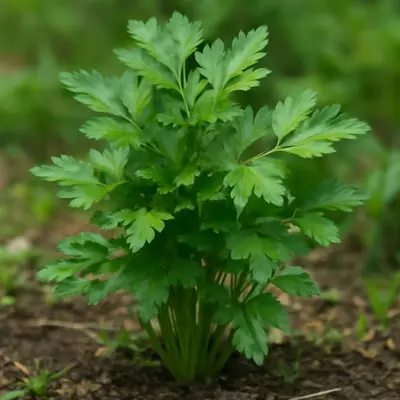
Huge dark green leaves with great flavor. Strong, upright stems make Giant of Italy one of the best parsley varieties for fresh-market sales. Very high-yielding flat-leaf type. Ht. 18-20".
Gourmet Gold Dill
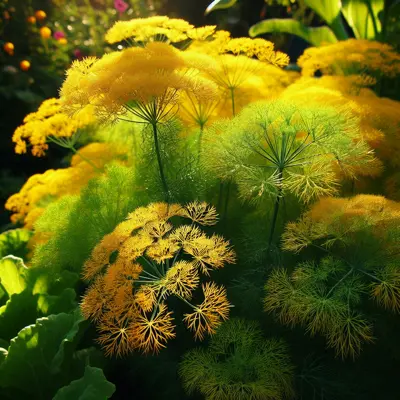
A stunning ornamental dill variety with bright golden-yellow foliage that adds both culinary value and visual drama to herb gardens. The vibrant color intensifies in cool weather while maintaining the classic dill flavor profile. Perfect for gardeners who want their herb garden to double as landscape decoration.
Gourmet Gold Oregano
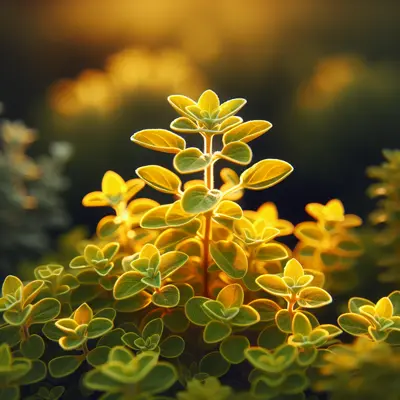
A beautiful golden-leaved oregano variety that brings both ornamental beauty and culinary excellence to the herb garden. The bright chartreuse foliage provides stunning color contrast while delivering the classic oregano flavor that's essential for Mediterranean cooking, making it both a feast for the eyes and the palate.

Greek Oregano
Strong oregano aroma and flavor - great for pizza and Italian cooking. Characteristic dark green leaves with white flowers. Attracts Beneficial Insects: provides pollen and nectar for beneficial insects such as bees, hoverflies, lacewing larva, parasitic wasps, and tachinid flies. Edible Flowers: The flowers have an oregano flavor and can be used in the same manner as the herb. They are especially good in pasta salads, green salads, and as a fresh pizza topping.
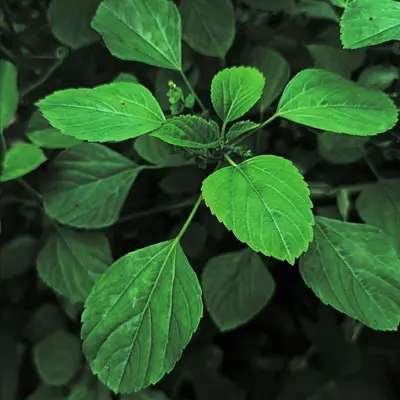
Green Shiso
Distinct cinnamon/clove flavor and aroma with the spiciness of cumin. Used in Asian cooking, sushi, and salad mix. Also known as perilla. Edible Flowers: The flowers are a flavorful addition to salads and Asian dishes. Pairs well with fish, rice, noodles, and cucumbers. The minty, basil-like flavor has hints of clove and cumin.
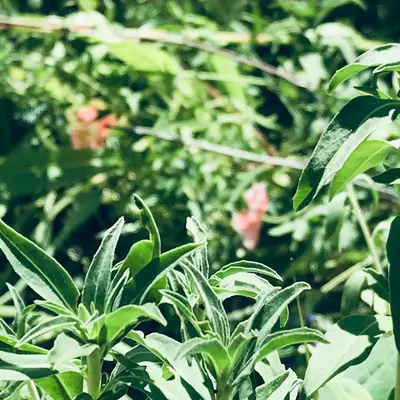
Grosfruchtiger
Nonbulbing type. We found Grosfruchtiger to be the most flavorful fennel in our trials. Leaves are a nice addition to salads, coleslaw, and dressings.Flavor in fennel develops and intensifies as plants mature. Very young plants (baby-leaf stage) will have a mild fennel flavor, while mature plants (8-12" tall) will have a fuller fennel flavor. Edible Flowers: The florets are used to garnish savory dishes, and pair well with fish, potato, tomato, and beef dishes. Flavor is of sweet anise.
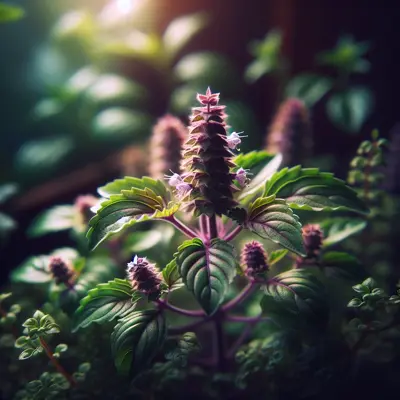
Holy Basil
1 1/2" long green leaves, with purple stems. Known for its use in Hindu culture and Ayurveda. Also known as Tulsi. A common ingredient in Thai cuisine and in teas. Used medicinally for digestion and immune system support. Ht. 16-22".
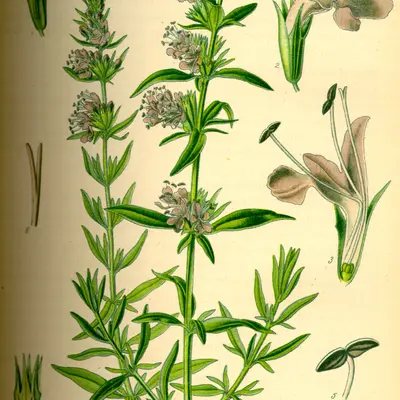
Hyssop
Mint family plant has bright blue-violet flowers. Popular ornamental for the perennial bed. Tea has a soothing quality.

Italian Large Leaf Oregano
Italian Large Leaf Oregano is a heirloom herb prized for its substantial, broad foliage and intense aromatic quality. Reaching harvest maturity in approximately 74 days, this variety thrives in full sun to partial shade with minimal soil requirements. Its defining characteristic is the larger leaf size compared to common oregano varieties, making harvesting easier. The flavor profile is intensely aromatic with warm, slightly bitter notes and distinctive pine undertones, making it ideal for Mediterranean cooking, especially Italian cuisine. Hardy and easy to grow, it's equally suited to herb gardens and containers.
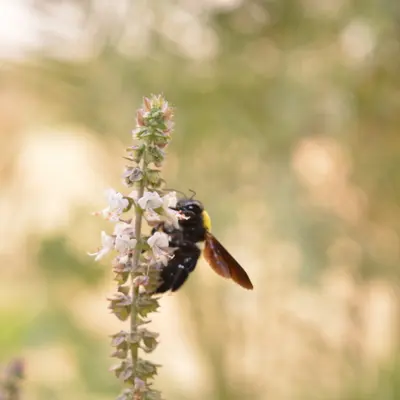
Kapoor Tulsi (Holy Basil)
Compact but very full, attractive plants. Mild spicy aroma with hints of sweetness. Faster growing than green holy basil, and its purple flowers also make it a nice beneficial and/or ornamental. For teas, culinary, and medicinal use. Appears to have some resistance to downy mildew in our trials. Also known as "Spice Basil" and often referred to as Ocimum sanctum, although sanctum is not botanically correct. Ht. 12-18".
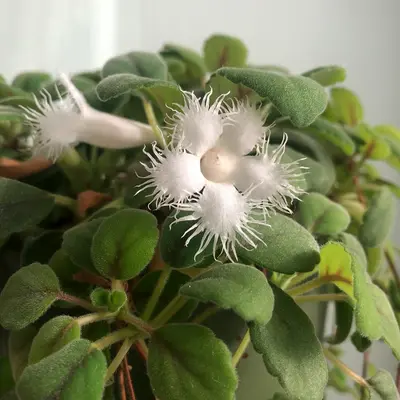
Katinka
Upright, tall plants make Katinka easy to harvest. Dark green curled leaves with a uniform canopy. Suitable for field or container production. Mild and pleasant parsley flavor. Katinka is very similar to Wega with the primary difference being that Katinka is taller for optimal bunch harvest and productivity in the field. Curled-leaf type. Ht. 14-20".
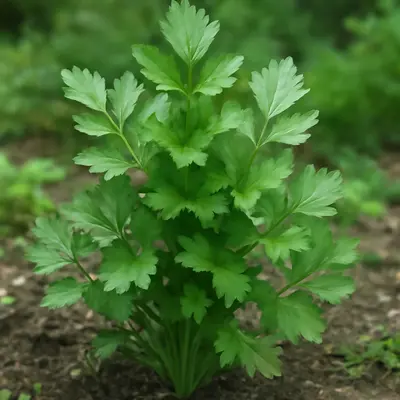
Kelvin
Thick, juicy, and succulent. Petioles and leaves are a healthy dark green and stalks hold well in the field. Kelvin performs well under heat and moisture stress and in soils of average fertility. Upright and uniform. Also available with NOP-compliant pelleting.
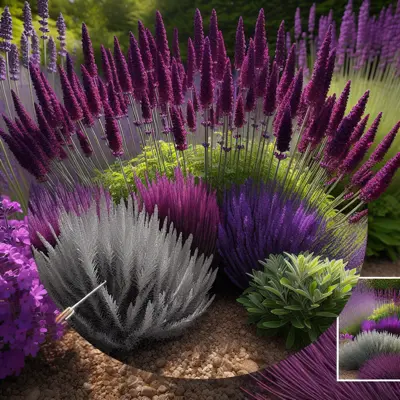
Lavandula angustifolia 'Hidcote'
A compact, award-winning English lavender variety prized for its deep purple flower spikes and intensely fragrant oil content. This hardy perennial forms neat, silvery-green mounds that bloom profusely from early summer through fall, making it perfect for borders, containers, and herb gardens. Hidcote's exceptional fragrance and rich color have made it a favorite among gardeners and commercial growers alike.
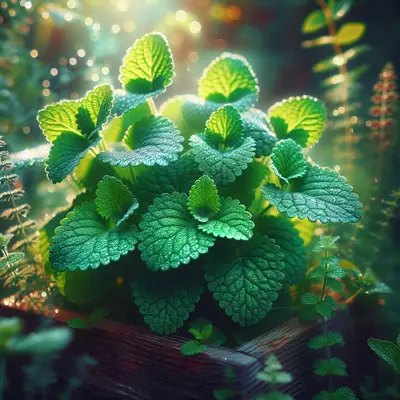
Lemon Balm
Lemon Balm is a vigorous perennial herb with soft, crinkled green leaves and small white or pale pink flowers. Reaching full maturity in 70 days, this heirloom variety thrives in full sun to partial shade and adapts well to most soil types. Distinguished by its intensely aromatic foliage releasing a powerful lemon scent when brushed, Lemon Balm delivers a refreshing citrus flavor with subtle minty undertones. Its strong essential oils naturally repel common pests like aphids and spider mites, making it exceptionally pest-resistant. Ideal for teas, cocktails, desserts, and fresh culinary applications.
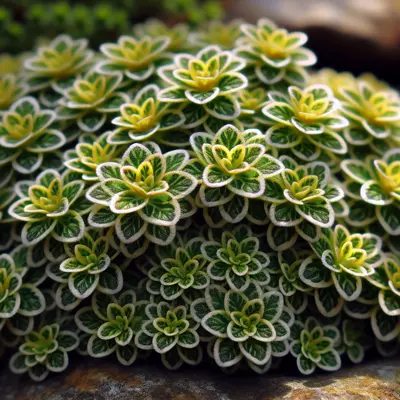
Lemon Thyme
Lemon Thyme is a fragrant heirloom herb variety that grows as a low, spreading perennial with fine, narrow green leaves and delicate pink flowers. Reaching maturity in approximately 65 days, it produces harvestable foliage suitable for continuous picking. This variety distinguishes itself through its distinctive bright citrus aroma and flavor—a harmonious blend of classic thyme earthiness with zesty lemon notes. The herb thrives in full sun with excellent drainage and performs best in sandy or rocky soil. Its unique flavor profile makes it ideal for culinary applications in fish dishes, beverages, desserts, and Mediterranean cooking, while also serving ornamental and medicinal purposes.
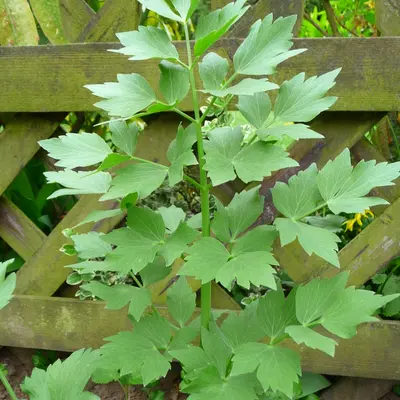
Lovage
Young leaves taste like celery with a hint of anise, and are used in spring tonic salads and with potato, rice, soups, and poultry dishes. Roots and young stems are also edible. Young stems can be cut, peeled, and used in salads. Stems are smooth, hollow, and thick. Also available in organic seed. Attracts Beneficial Insects: If allowed to flower, provides pollen and nectar for beneficial insects such as bees, hoverflies, lacewing larvae, lady beetles, parasitic wasps, and tachinid flies.

Mammoth Dill
Mammoth Dill is a vigorous heirloom herb variety known for its tall, robust growth and abundant foliage. Plants reach full maturity in approximately 90 days, producing large, feathery fronds that tower above standard dill varieties. The distinctive flavor combines fresh, tangy notes with subtle caraway undertones and a hint of sweetness, making it exceptional for pickling, dill weed, and culinary applications. Mammoth Dill thrives in full sun with rich, well-drained soil and is remarkably easy to grow, making it ideal for both experienced and novice gardeners seeking impressive yields.
Menuette
The deeply incised, feathery, narrow leaflets are easy to chop during kitchen prep and make an elegant garnish or bunch. Delicate in appearance but firm enough to stand up to handling, packing, and plating. Standard parsley flavor. Suitable for field or pot production. Has shown some resistance to tipburn in our trials. Ht. 12-18".
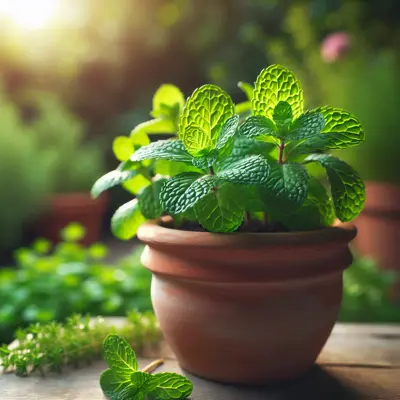
Moroccan Mint
The traditional mint of North African tea culture, prized for its intensely sweet flavor and exceptional fragrance. This spearmint variety produces vibrant green leaves with a refreshing, clean taste that's less aggressive than peppermint. Perfect for the classic Moroccan mint tea and a beautiful, aromatic addition to any herb garden.
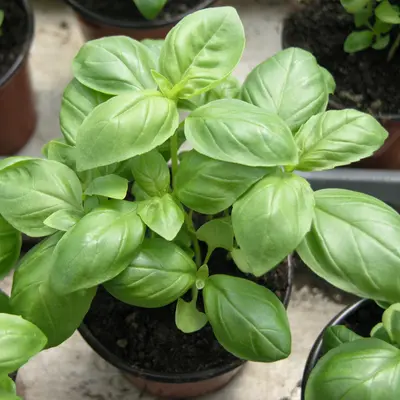
Mrs. Burns' Lemon
Very bright green, 2 1/2" long leaves with white blooms make this basil both attractive and intensely flavorful. Ht. 20-24".Edible Flowers: Use the flowers in any recipe that calls for basil, or to garnish drinks, salads, soups, pasta, and desserts. Flavor is of intense basil and citrus.

Munstead-Type
A strain of English lavender with a compact, bushy habit. Nice range of bloom colors, from pale blue to dark violet. Usually begins flowering in the second year. Hardy in Zones 5-8, but can survive Zone 4 winters when mulched or grown in a well-drained, south-facing location. Also available in organic seed. Edible Flowers: The flowers can be used to garnish desserts and as a distinct flavor element in baked goods. Flavor is sweet and floral and pairs well with citrus, berries, nuts, mint, and cinnamon.
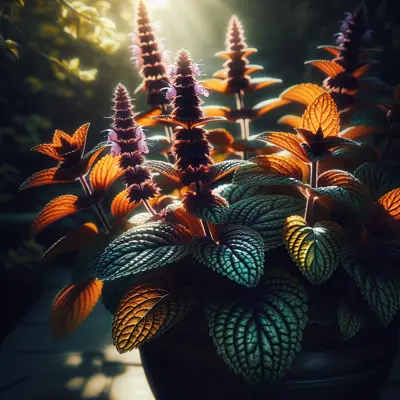
Orange Mint
Orange Mint is a vibrant heirloom herb variety that matures in 85-95 days, producing lush green foliage with aromatic leaves. This distinctive mint variety stands apart with its unique flavor profile—fresh mint paired with bright citrus notes reminiscent of orange and subtle bergamot undertones, making it exceptional for teas, cocktails, and culinary garnishes. Best grown in full sun (6+ hours daily) with rich, moist, well-drained soil, it thrives easily in most conditions. Watch for common mint pests including aphids, spider mites, and flea beetles.
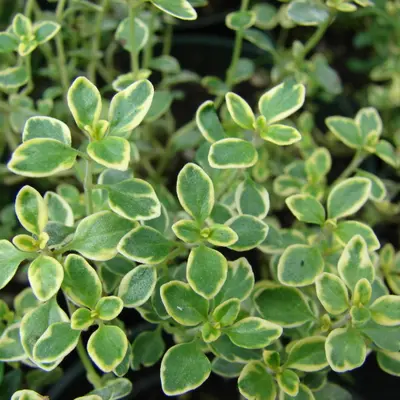
Orange Thyme
Upright, branching plants produce gray-green leaves. The aroma is sharp and citrus-like. Orange Thyme is distinctly sweeter and less pungent than German Winter and Summer thyme. Growth habit and winter hardiness are similar to Summer thyme. Tender perennial in Zones 6-8. Also known as Orangelo thyme.
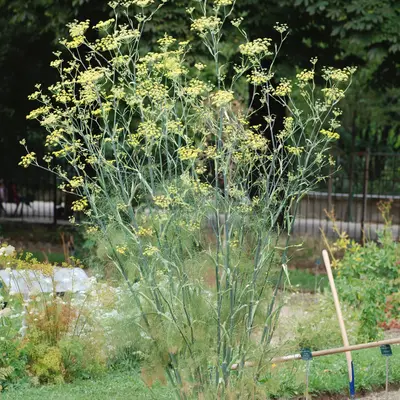
Orazio
Crisp and flavorful with a nice anise flavor. Highly uniform. Due to its heavier bulbs, Orazio has a higher yield potential than flatter, open-pollinated fennels. Suitable for late summer and early fall harvest in most areas. It also can be transplanted in January for an April harvest in areas with mild winters, such as coastal California. Also available with NOP-compliant pelleting.
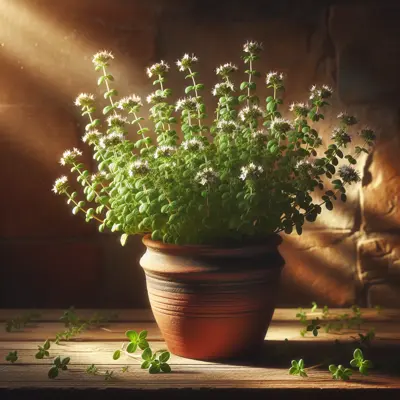
Origanum vulgare 'Hot & Spicy'
An intensely flavorful oregano variety that delivers exceptional heat and pungency, perfect for pizza sauces, Mediterranean dishes, and spicy cuisine. This vigorous perennial produces abundant small leaves packed with essential oils that far exceed common oregano in both flavor intensity and aromatic qualities. The compact, spreading habit makes it ideal for containers and herb garden borders where its potent fragrance can be easily accessed.
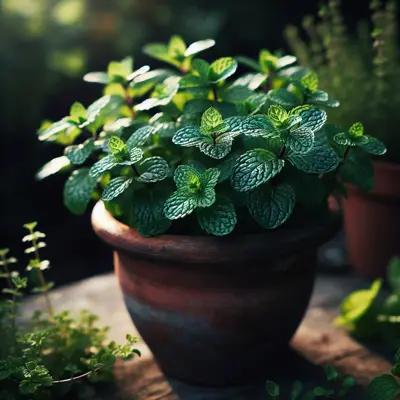
Peppermint
Peppermint is a vigorous herbaceous perennial reaching 24-36 inches tall with dark green, lance-shaped leaves and purple-tinged stems. Mature leaves are ready to harvest at 60-90 days, though plants produce continuously through the growing season. The defining characteristic is its intense, cooling menthol profile with pronounced sweet undertones, making it ideal for tea, culinary applications, and medicinal preparations. More potent than spearmint, peppermint thrives in moist, rich soil and tolerates partial shade, though it prefers 4-6 hours of sun daily. This heirloom variety is notably easy to grow and propagate.
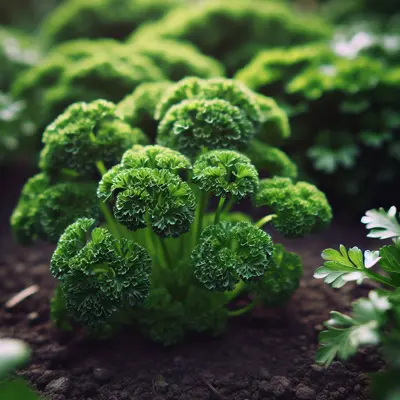
Petroselinum crispum 'Forest Green'
The ultimate curly parsley variety featuring exceptionally dark green, tightly curled leaves that maintain their vibrant color and crisp texture longer than standard varieties. This uniform, compact plant produces abundant harvests of premium-quality leaves perfect for garnishing and cooking, with superior bolt resistance extending the harvest season. Forest Green's attractive appearance and reliable performance make it a favorite among both home gardeners and commercial growers.
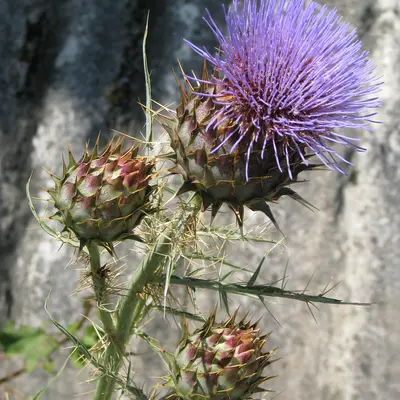
Porto Spineless
The midrib and leaf stalks of cardoon have a similar flavor to artichoke when boiled (not for eating raw). Both portions are commonly used as a side vegetable, addition to stuffing, or in soups and stews. Cardoon must be blanched before it can be eaten. To blanch, tie the stalks up firmly and wrap with black plastic or black-and-white newspaper. If left unharvested, the 3-4' tall plants will produce large purple thistle-like flowers. The sharply lobed and serrated silver-green leaves are a unique addition to flower arrangements. Significantly reduced spines. Perennial in Zones 6-10.
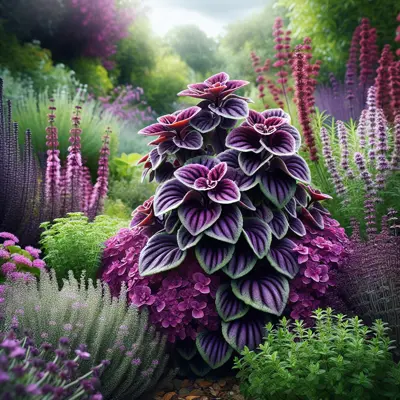
Purple Ruffles Oregano
A stunning ornamental oregano that doubles as a culinary herb with its deeply ruffled purple-bronze leaves and cascading habit. The dramatic foliage color intensifies in cool weather, making it a standout in both herb gardens and decorative containers. While milder than Greek oregano, it still provides good flavor for cooking along with exceptional beauty.
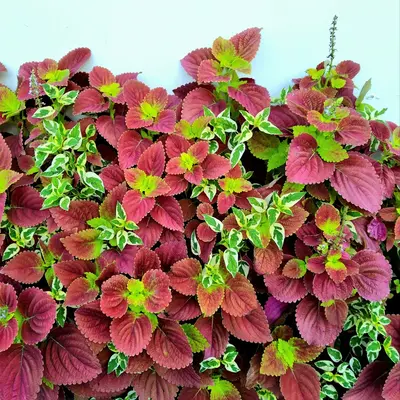
Red Shiso
Distinct cinnamon/clove flavor and aroma with the spiciness of cumin. Used in Asian cooking, sushi, and salad mix. Red shiso adds brilliant color to radish pickles and umeboshi plums. Also known as perilla. Edible Flowers: The flowers are a flavorful addition to salads and Asian dishes. Pairs well with fish, rice, noodles, and cucumbers. The minty, basil-like flavor has hints of clove and cumin.
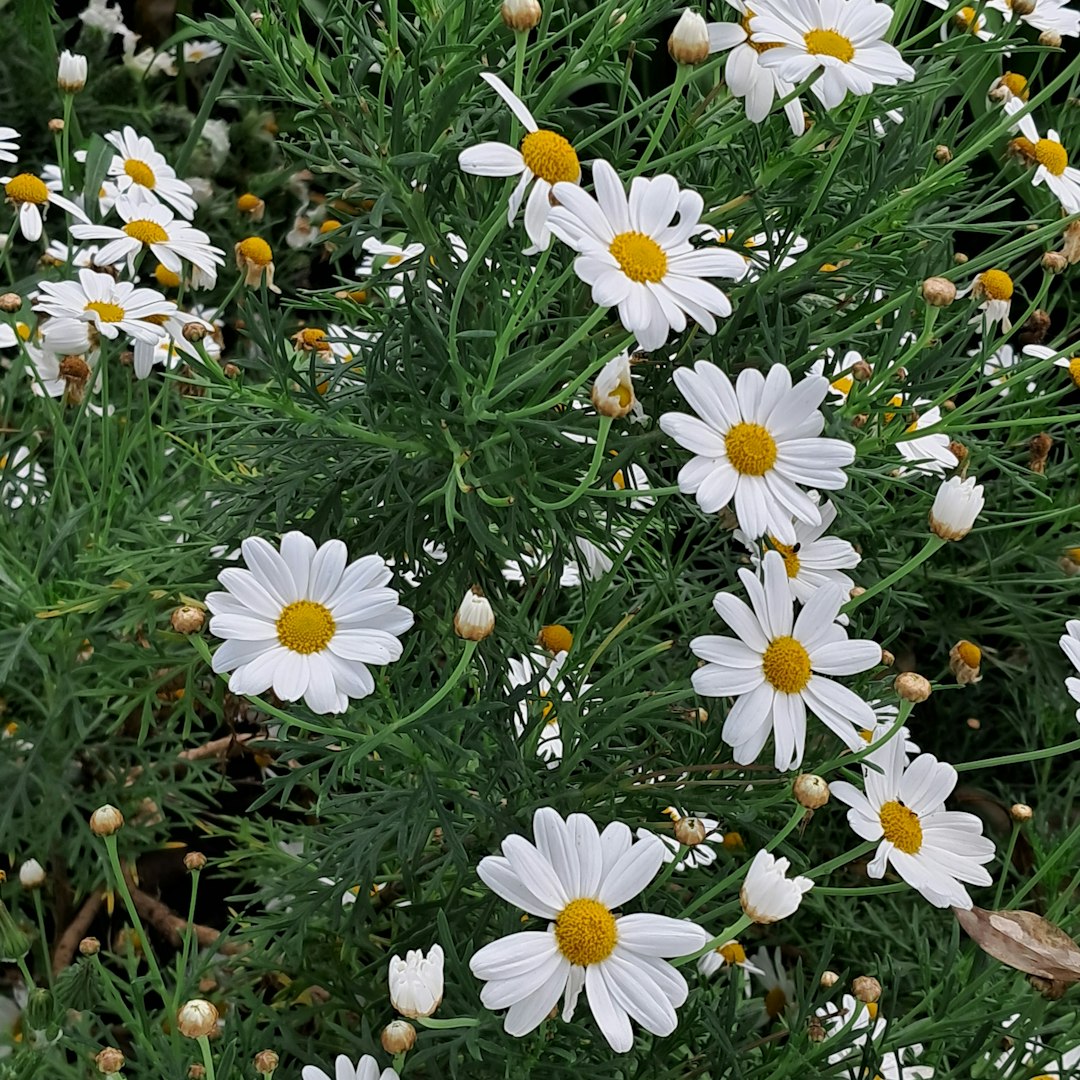
Roman Chamomile
Low-growing, spreading plant with creeping rhizomes. Has similar uses for teas and medicine as annual chamomile varieties, but produces fewer blossoms.
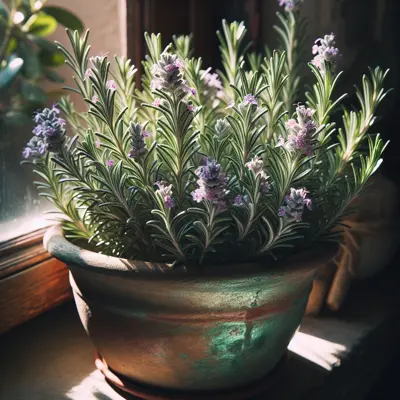
Rosemary
Native to the Mediterranean region, rosemary has silvery needle-like foliage and delicate flowers. Popular for potted plant sales and with chefs. NOTE: Germination is naturally low and variable. Edible Flowers: Although the flowers are small, they have a bold rosemary flavor. They should be used fresh as a garnish for savory dishes and salads, and pairs well with roasted vegetables, fruits, or whipped cream.
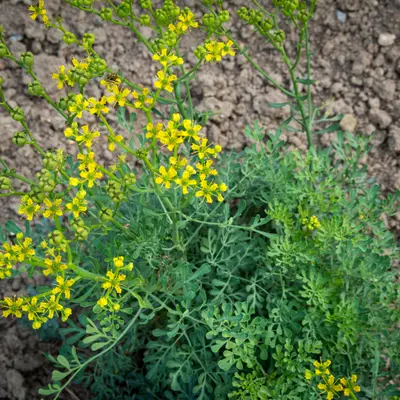
Rue
Bushy habit is ideal for short hedges or borders. Unique and attractive foliage makes a useful cut flower filler, lasting for up to three weeks in a vase. Pungent aroma. Limited culinary use due to strong bitter flavor. Medicinal: Warming herb primarily used as an antispasmodic. Perennial in Zones 4-9.
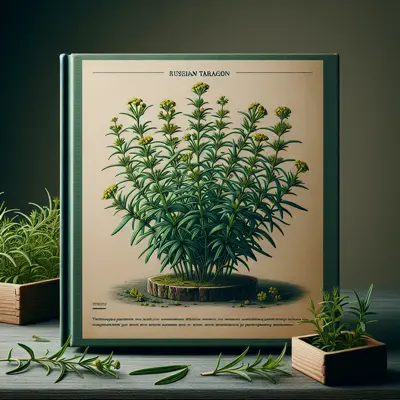
Russian Tarragon
A hardy perennial herb that thrives in cold climates where French Tarragon struggles, though with a milder anise flavor. Russian Tarragon is incredibly easy to grow from seed and forms robust clumps that return year after year, making it perfect for beginning herb gardeners seeking a reliable tarragon experience.

Silver Thyme
Silver Thyme is a classic heirloom herb prized for its distinctive silvery-green foliage and aromatic intensity. This easy-to-grow perennial reaches maturity in 120-150 days, producing delicate flowers that attract pollinators. The leaves deliver authentic thyme flavor—earthy, minty, and subtly floral—making it ideal for culinary applications, particularly Mediterranean dishes and herbal infusions. Hardy and drought-tolerant, Silver Thyme thrives in well-drained, sandy, or rocky soil with minimal care, distinguishing it through superior flavor complexity compared to common thyme varieties.
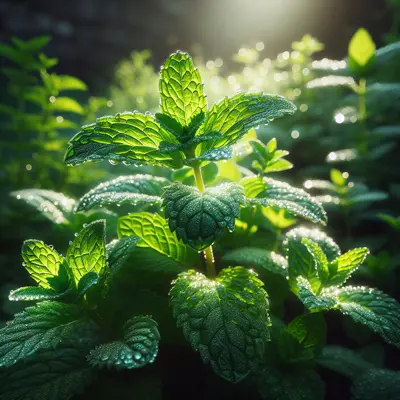
Spearmint
The classic mint variety beloved for its bright, refreshing flavor and vigorous spreading habit that makes it perfect for beginning gardeners. Unlike peppermint, spearmint has a sweeter, less intense flavor that's perfect for teas, cocktails, and Middle Eastern cuisine. This hardy perennial spreads rapidly through underground runners, making it ideal for contained growing or naturalizing in moist areas.
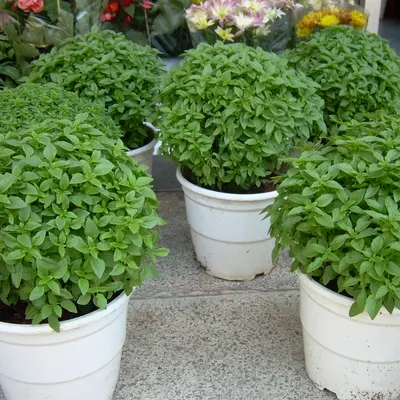
Spicy Bush
Spicy/sweet basil flavor packed into 1" long leaves. Decorative plants are great for growing in small spaces, pots, or garden beds. Plants are about twice the size of Pluto. Ht. 8-14".
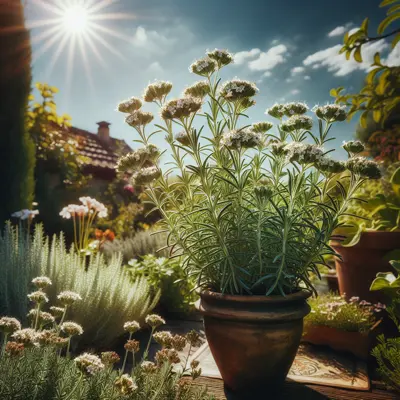
Summer Savory
Pepper flavor adds spice to dishes. For flavoring fresh and dry beans, cabbage, and sauerkraut. Long internodes create a tall, somewhat lanky plant.
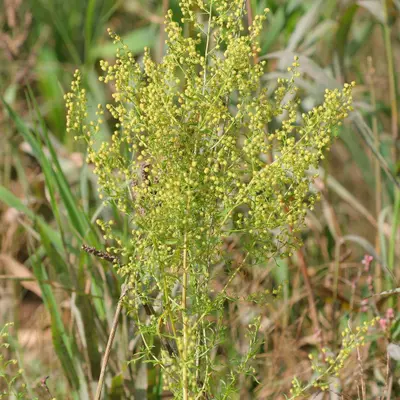
Sweet Annie
Tall plants with fern-like dark green foliage dotted with tiny cream-yellow colored flowers. Use foliage for wreaths and as filler for mixed bouquets. Also known as sweet sagewort, sweet wormwood, and Chinese wormwood.
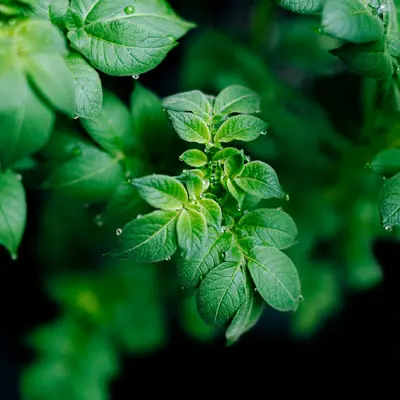
Topit
High leaf mass on thick, upright stems for easier harvest. Compared to the standard parsley Giant of Italy, Topit has larger and darker green leaves, a more uniform plant habit, and sweeter flavor. Very similar to, and from the same breeder as, Pieone. Flat-leaf type. Ht. 18-20".
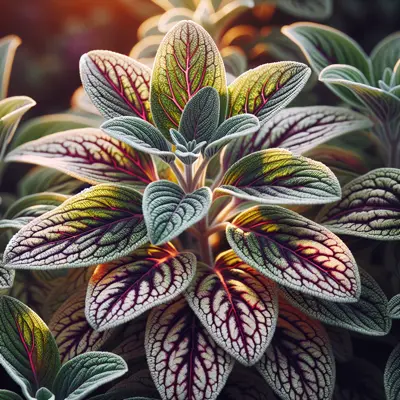
Variegated Sage
A stunning ornamental sage variety featuring leaves splashed with cream, green, and purple-pink variegation that creates a beautiful tapestry effect in the garden. This compact, slower-growing sage maintains all the culinary qualities of common sage while adding exceptional visual appeal to herb gardens and containers. The colorful foliage is especially vibrant in cooler weather.
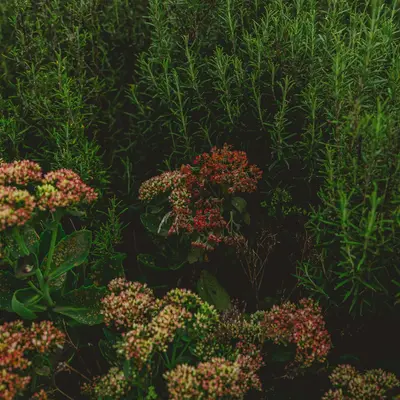
Vertissimo
Excellent performance in our trials. Slow-bolting, vigorous plants. Mild, sweet, anise flavor. Popular for salads, microgreens, and garnishing. Edible Flowers: Chervil's flowers are edible, and used to garnish salads. Flavor is of mild licorice.
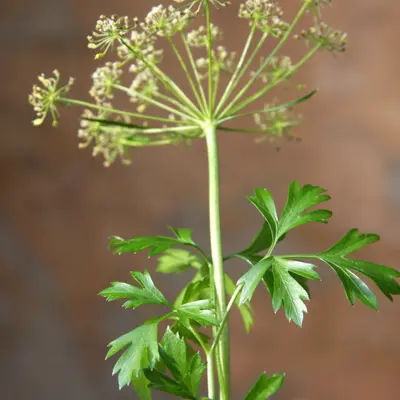
Wega
Wega's upright habit makes it easy to harvest the dark green leaves. Suitable for field or container production. Curled-leaf type. Plant Variety Protected. Ht. 12-18".
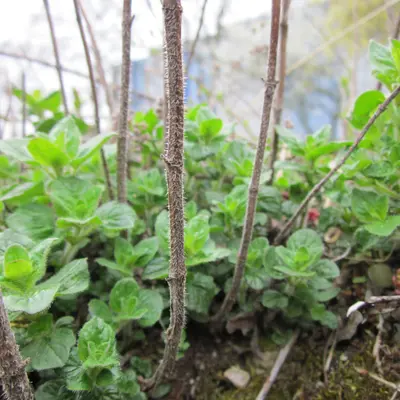
Wild Marjoram
Use leaves fresh or dried for culinary purposes. Blooms in shades of pink to purple from midsummer through fall. For cut-flower use, harvest flowers in bud stage for best color. Attracts Beneficial Insects: Provides pollen and nectar for beneficial insects such as bees, hoverflies, lacewing larva, parasitic wasps, and tachinid flies. Edible Flowers: Use the flowers, which have a mild and marjoram-like flavor, as you would the herb to garnish salads, soups, stews, sauces, and stuffing. Also pairs well with citrus, mushrooms, and fish.

Winter Savory
A hardy Mediterranean perennial with needle-like leaves that provide intense, peppery flavor reminiscent of thyme and oregano combined. This drought-tolerant herb forms attractive low mounds of evergreen foliage topped with delicate white or pink flowers that attract beneficial insects. Known as the 'bean herb' for its traditional pairing with legumes, winter savory is more potent and longer-lasting than its summer cousin.
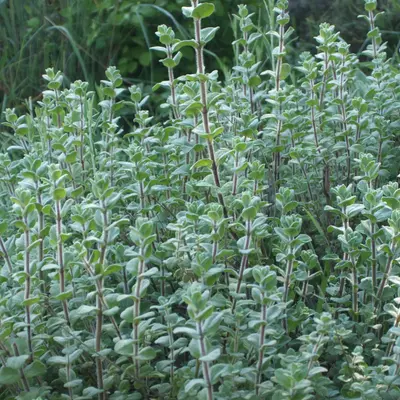
Zaatar
Native to the Mediterranean, where it has flavored meals for thousands of years. Soft gray-green leaves on plants with a semi-upright habit. Flavor combines those of sweet marjoram, thyme and oregano. Not to be confused with Za'atar, an herbal blend of several ingredients. Grow as a tender perennial - start indoors and keep out of freezing temperatures. Harvest stems when they reach at least 4-6".
Zone 6 Growing Tips
Start your herb garden planning in late February by sowing slow-growing perennials like oregano and thyme indoors. These need 8-10 weeks to develop strong transplants, putting your seed starting right on target for post-frost planting. Hold off on basil seeds until late March – they sulk in cool soil and you'll get better results waiting for consistently warm conditions. I've learned the hard way that Zone 6 soil often stays cold well past that last frost date, so wait until soil temperatures hit 60°F before direct seeding warm-season herbs like basil and cilantro.
Transplant timing requires reading your specific microclimate rather than strictly following calendar dates. Hardy herbs like chives, parsley, and sage can go out 2-3 weeks before your last frost, but keep row cover handy for unexpected late cold snaps. Tender basils and heat-lovers wait until at least May 1st, and I often push that to May 15th for the best results. Your fall harvest window extends beautifully into November with proper planning – plant a second succession of cilantro and dill in late July for fresh herbs after the first plantings bolt.
Zone 6's biggest herb challenge is managing moisture during summer humidity spikes while ensuring good drainage during wet spring periods. Raised beds or containers solve both problems, and mulching around perennial herbs prevents the wet-dry cycles that stress plants. Most Mediterranean herbs benefit from afternoon shade during July and August heat waves, while moisture-lovers like mint and lemon balm appreciate consistent watering through dry spells.
Season Overview
Your April 15th average last frost and October 15th first frost create an ideal 6-month window for intensive herb production, though smart gardeners extend this season on both ends. Cool-season herbs like cilantro, parsley, and chives can start producing in early April and continue past Halloween with minimal protection. The long season allows basil varieties to reach full maturity – something gardeners in shorter seasons miss out on – so you can experience the complex flavors of slow-maturing varieties like Italian Large Leaf. Plan your garden with this rhythm in mind: early spring herbs bridge the gap until summer varieties hit their stride in June, then fall plantings of quick-maturing herbs like cilantro and dill carry you through the first light frosts.