Creeping
Thymus serpyllum
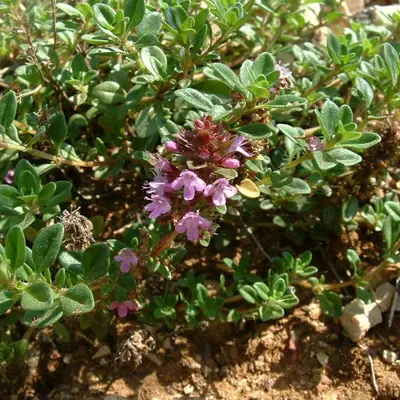
Creeping is an heirloom herb variety characterized by its low-growing, spreading growth habit that makes it ideal for ground cover or container cultivation. Reaching maturity in 90-95 days, this easy-to-grow herb thrives in full sun and well-drained soil while tolerating poor soil conditions remarkably well. The creeping form sets it apart from upright varieties, offering both ornamental appeal and practical utility in herb gardens.
Harvest
90-95d
Days to harvest
Sun
Full sun
Zones
4–9
USDA hardiness
Height
2-3 inches
Planting Timeline
Showing dates for Creeping in USDA Zone 7
All Zone 7 herb →Zone Map
Click a state to update dates
Creeping · Zones 4–9
Growing Details
Complete Growing Guide
Slender, creeping stems and round leaves with lavender blooms. Can withstand light foot traffic and gives off pleasant aroma when walked upon. Drought tolerant once established. Perennial in Zones 5-8. According to Johnny's Selected Seeds, Creeping is 90 - 95 days to maturity, perennial, open pollinated. Notable features: Grows Well in Containers, Attracts Beneficial Insects.
Light: Full sun (6 or more hours of direct sunlight a day). Soil: Loam (Silt), Sand, Shallow Rocky. Soil pH: Alkaline (>8.0), Neutral (6.0-8.0). Drainage: Good Drainage, Occasionally Dry, Very Dry. Height: 0 ft. 2 in. - 0 ft. 3 in.. Spread: 0 ft. 3 in. - 0 ft. 10 in.. Spacing: 12 inches-3 feet. Growth rate: Rapid. Maintenance: Low. Propagation: Seed.
Harvesting
Creeping reaches harvest at 90 - 95 days from sowing per Johnny's Selected Seeds.
The fruit is a schizocarp and has four locules or small separate cavities. When the fruit dries, it will split into four sections. Each section contains the seeds.
Type: Schizocarp. Length: < 1 inch. Width: < 1 inch.
Harvest time: Fall
Edibility: This plant is primarily ornamental and is rarely used in cooking.
Storage & Preservation
# Storage and Preservation
Harvest creeping thyme after 90 days when stems are woody but leaves remain vibrant. Store fresh sprigs in a sealed container lined with damp paper towel, refrigerated at 35–40°F; they'll keep 7–10 days. For longer preservation, hang-dry bundles in a warm, dark, well-ventilated space—leaves should crumble easily when ready, typically within two weeks. Strip dried leaves from stems and store in airtight jars away from light. Freezing works well: chop fresh leaves, pack into ice cube trays with water or olive oil, and pop out once solid. The low-growing, spreading habit of this variety means you can harvest selectively from outer edges without killing the plant, allowing successive cuttings throughout the season for continuous drying projects.
History & Origin
Creeping is open-pollinated, meaning seed saved from healthy plants will produce true-to-type offspring. Listed in the Johnny's Selected Seeds catalog.
Origin: Northern Europe, Western Asia, and Northern Africa
Advantages
- +Tolerates foot traffic better than most ground cover plants
- +Releases pleasant aroma when stepped on or brushed
- +Drought tolerant once established, requiring minimal watering
- +Blooms with attractive lavender flowers for extended periods
- +Low maintenance perennial suitable for zones five through eight
Considerations
- -Susceptible to root rot in poorly drained or waterlogged soils
- -Can struggle to establish in first year without consistent moisture
- -Spreads slowly compared to aggressive ground cover alternatives
Companion Plants
Tomatoes, cabbage, and eggplant all make sensible neighbors because creeping thyme maxes out at 2–3 inches tall and doesn't compete for light or root depth. The more practical reason to plant it along row edges is aromatic interference — thyme's volatile oils (thymol and carvacrol, specifically) can disrupt the host-finding behavior of cabbage loopers and aphids that locate host plants by scent. NC State Extension notes that interplanting breaks up blocks of pest-preferred crops and slows early damage spread, which is exactly what a low thyme border does between brassica rows. Strawberries are a natural fit spatially too: both want full sun, gritty soil, and restrained irrigation.
Keep thyme well away from mint — not for any chemical reason, but because mint spreads by underground runners and will physically crowd out a creeping thyme mat inside a single growing season. Black walnut is the harder prohibition: it produces juglone, a compound that leaches through the soil and is toxic to a wide range of plants. Cilantro is a less dramatic problem, but it bolts fast, reseeds chaotically, and turns into a weed-management headache before thyme has had a chance to fill in.
Plant Together
Tomatoes
Creeping thyme acts as living mulch and repels hornworms and other tomato pests
Strawberries
Provides ground cover, suppresses weeds, and may enhance strawberry flavor
Roses
Repels aphids and other rose pests while providing attractive ground cover
Cabbage
Deters cabbage worms and flea beetles with its aromatic oils
Lavender
Both prefer similar well-drained soil and complement each other's pest-repelling properties
Eggplant
Acts as living mulch and repels flea beetles that commonly attack eggplant
Oregano
Similar growing requirements and creates beneficial aromatic herb carpet
Sage
Compatible Mediterranean herbs that enhance each other's growth and pest resistance
Keep Apart
Black Walnut
Produces juglone which is toxic to many plants including thyme
Mint
Extremely aggressive spreader that will overwhelm and outcompete creeping thyme
Cilantro
Requires more water and different soil conditions, may inhibit thyme's aromatic oil production
Nutrition Facts
Per 100g serving. % Daily Value based on 2,000 calorie diet. Source: USDA FoodData Central (FDC #172232)
Troubleshooting Creeping
What you'll see, why it happens, and what to do about it.
Seedlings collapse at soil level within the first 2 weeks after germination — stems look pinched or water-soaked at the base
Likely Causes
- Damping off (Pythium spp. or Rhizoctonia solani) — triggered by overwatering and poor drainage in seed trays
- Overcrowded seed trays that trap humidity and restrict airflow
What to Do
- 1.Water only when the top of the seed mix is dry to the touch; creeping thyme wants lean, dry conditions even as a seedling
- 2.Thin seedlings to at least 1 inch apart in trays so air can move between them
- 3.Cut standard potting mix with 20–30% perlite to ensure fast drainage from day one
Established plants show brown, mushy stems at the crown and begin dying back in patches, usually after a wet stretch
Likely Causes
- Root rot (Phytophthora spp.) from waterlogged or compacted soil — creeping thyme has near-zero tolerance for standing water once established
- Siting in shade or a low spot where soil stays wet longer than 24 hours after rain
What to Do
- 1.Dig up the affected section, cut away any black or slimy roots, and replant in a raised bed or a spot amended with coarse sand or gravel
- 2.Check sun exposure — NC State Extension's IPM guidance notes that sun-loving plants placed in shade are weaker and more susceptible to disease, and thyme needs 6+ hours of direct sun to stay dry at the crown
- 3.Stop supplemental irrigation once plants are past the first 4–6 weeks after transplant; an established mat at 2–3 inches tall in full sun rarely needs watering
Frequently Asked Questions
How long does it take Creeping herb to establish and become drought tolerant?▼
Is Creeping herb good for beginners?▼
Can you grow Creeping herb in containers?▼
When should I plant Creeping herb?▼
What happens when you walk on Creeping herb?▼
How much sun does Creeping herb need?▼
Zone-by-Zone Planting Calendar
| Zone | Indoor Start | Transplant | Direct Sow | Harvest |
|---|---|---|---|---|
| Zone 3 | April – May | June – July | — | July – October |
| Zone 4 | March – April | June – July | — | July – October |
| Zone 5 | March – April | May – June | — | June – October |
| Zone 6 | March – April | May – June | — | June – November |
| Zone 7 | February – March | April – June | — | June – November |
| Zone 8 | February – March | April – May | — | May – December |
| Zone 9 | January – February | March – April | — | April – December |
| Zone 10 | January – January | February – April | — | April – December |
Growing Guides from Wind River Greens
Sources & References
External authority sources used in compiling this guide.
- BreederJohnny's Selected Seeds
- USDAUSDA FoodData Central
See the Methodology page for how this data is sourced, what's AI-assisted, and known limitations.