Orazio
Foeniculum vulgare
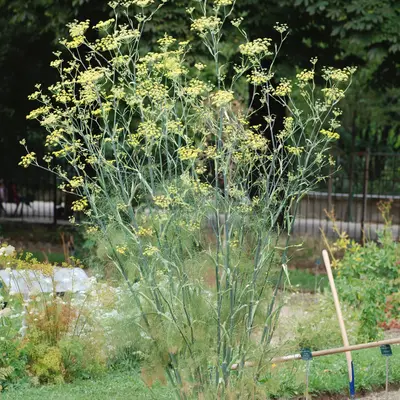
Crisp and flavorful with a nice anise flavor. Highly uniform. Due to its heavier bulbs, Orazio has a higher yield potential than flatter, open-pollinated fennels. Suitable for late summer and early fall harvest in most areas. It also can be transplanted in January for an April harvest in areas with mild winters, such as coastal California. Also available with NOP-compliant pelleting.
Harvest
50d
Days to harvest
Sun
Full sun
Zones
4–9
USDA hardiness
Height
4-6 feet
Planting Timeline
Showing dates for Orazio in USDA Zone 7
All Zone 7 herb →Zone Map
Click a state to update dates
Orazio · Zones 4–9
Growing Details
Succession Planting
Orazio is a warm-season annual that keeps throwing harvestable fronds from June through November in zone 7, so one planting per season covers most gardeners. Start seeds indoors in February or March and transplant out between April and June once soil temps are holding above 55°F. If you want a second round of tender new growth, direct sow a small patch in late July — just know that Georgia's first frost typically lands somewhere in mid-November, and a July-sown plant won't have much time to bulk up before the cold hits.
Complete Growing Guide
Crisp and flavorful with a nice anise flavor. Highly uniform. Due to its heavier bulbs, Orazio has a higher yield potential than flatter, open-pollinated fennels. Suitable for late summer and early fall harvest in most areas. It also can be transplanted in January for an April harvest in areas with mild winters, such as coastal California. Also available with NOP-compliant pelleting. According to Johnny's Selected Seeds, Orazio is 50 baby; 80 full size to maturity, annual, hybrid (f1).
Light: Full sun (6 or more hours of direct sunlight a day). Soil: Clay, High Organic Matter, Loam (Silt), Sand. Soil pH: Acid (<6.0), Alkaline (>8.0), Neutral (6.0-8.0). Drainage: Good Drainage, Moist, Occasionally Dry. Height: 4 ft. 0 in. - 6 ft. 0 in.. Spread: 1 ft. 6 in. - 3 ft. 3 in.. Spacing: Less than 12 inches. Maintenance: Low. Propagation: Seed. Regions: Coastal, Mountains, Piedmont.
Harvesting
Orazio reaches harvest at 50 baby; 80 full size from sowing per Johnny's Selected Seeds. As an annual, harvest continues until frost ends the season.
Aromatic seeds follow the flowers in late summer, early fall.
Color: Green, White.
Garden value: Edible, Fragrant
Harvest time: Fall
Storage & Preservation
Harvest Orazio fennel fronds at 50 days and use immediately for best flavor, or store fresh sprigs in a plastic bag in the refrigerator crisper drawer at 35–40°F with moderate humidity for up to one week. For longer preservation, freeze blanched fronds in ice cube trays with a little water, then transfer cubes to freezer bags for up to three months. Drying works exceptionally well with this variety—hang bundles upside down in a warm, dark, well-ventilated space for two to three weeks until brittle, then store in airtight containers away from light. The dried fronds retain their subtle anise notes remarkably well and are ideal for tea blends and culinary use. Orazio's feathery foliage dries faster than coarser fennel types, making it particularly suited to this preservation method.
History & Origin
Orazio is an F1 hybrid developed through controlled cross-pollination. Listed in the Johnny's Selected Seeds catalog.
Origin: Southern Europe and the Mediterranean
Advantages
- +Heavier bulbs deliver higher yield potential compared to flat open-pollinated varieties
- +Crisp texture and distinctive anise flavor make it culinary versatile
- +Highly uniform plants simplify harvesting and marketing consistency
- +Flexible planting allows late summer harvest or January transplant in mild climates
Considerations
- -50-day maturity requires consistent soil moisture to prevent premature bolting
- -Prefers cool-season growing, limiting success in hot inland climates
- -Heavier bulbs need richer soil fertility than lighter fennel varieties
Companion Plants
Fennel releases allelopathic compounds from its roots that suppress the growth of nearby plants — sweet basil and sage are both sensitive to this, so keep them at least 3–4 feet away. Cucumber shows up on both the beneficial and harmful lists, which means the research is genuinely mixed; give it a buffer and don't count on any synergy. Around here in a zone 7 Georgia garden, I stick Orazio at the bed edge near tomatoes or peppers — those nightshades handle the proximity without issue, and the umbel flowers on a 4–6 foot fennel plant pull in parasitic wasps that work through aphid colonies on both crops faster than any spray I've tried.
Plant Together
Tomatoes
Oregano repels tomato hornworms and aphids while improving tomato flavor
Peppers
Oregano deters aphids and spider mites that commonly attack pepper plants
Eggplant
Oregano repels flea beetles and aphids that damage eggplant leaves
Cabbage
Oregano repels cabbage moths and cabbage worms
Broccoli
Oregano deters cabbage loopers and imported cabbage worms
Cucumber
Oregano repels cucumber beetles and ants
Beans
Oregano deters bean beetles and aphids while beans fix nitrogen for oregano
Rosemary
Both herbs have similar water and soil requirements and mutually repel pests
Thyme
Compatible growing conditions and both repel cabbage worms and whiteflies
Keep Apart
Cucumber
Oregano can inhibit cucumber germination if planted too close
Sage
Both are strong-scented herbs that can compete and inhibit each other's growth
Sweet Basil
Oregano can overpower basil's delicate flavor and compete for nutrients
Nutrition Facts
Per 100g serving. % Daily Value based on 2,000 calorie diet. Source: USDA FoodData Central (FDC #172232)
Pests & Disease Resistance
Common Pests
Aphids, spider mites, cutworms
Diseases
Powdery mildew, root rot in poorly drained soils
Troubleshooting Orazio
What you'll see, why it happens, and what to do about it.
White powdery coating on leaves and stems, usually showing up mid-summer when nights cool slightly
Likely Causes
- Powdery mildew — a fungal infection that thrives in warm days with high humidity and poor airflow
- Crowded spacing under 12 inches that traps moisture around the foliage
What to Do
- 1.Mix 1 tablespoon baking soda plus 1 tablespoon summer horticultural oil per gallon of water and spray as a preventive every 3 to 5 days — NC State Extension notes this combination works against powdery mildew and the oil acts as a surfactant to help it stick
- 2.Don't exceed those concentrations or you'll scorch the foliage
- 3.Open up spacing to at least 18 inches and remove the most affected fronds at the base
Plant wilting and yellowing from the base up, with roots that look brown and mushy rather than white and firm
Likely Causes
- Root rot from Pythium or Phytophthora spp., almost always triggered by waterlogged soil or a low spot that pools after rain
- Overwatering in heavy clay — Orazio needs consistent moisture around 1–1.5 inches per week, not saturated ground
What to Do
- 1.Pull the plant — once the roots are gone, it won't recover; don't compost it
- 2.Amend that bed with 2–3 inches of compost worked in before replanting, and raise the bed 4–6 inches if drainage is a chronic problem in that spot
- 3.Rotate fennel out of that bed for at least one season
Seedlings cut off cleanly at soil level overnight, usually within the first 2 weeks after transplant
Likely Causes
- Cutworms (Agrotis spp.) — fat gray or brown caterpillars that feed at night just below or at the soil surface
- No physical collar protection around transplant stems
What to Do
- 1.Press a cardboard or plastic collar 2 inches into the soil around each transplant stem — low-tech but reliable
- 2.Check the soil 1–2 inches down around a severed stem; if you find a curled caterpillar, drop it in soapy water
- 3.Apply Bacillus thuringiensis (Bt) as a soil drench around new transplants if cutworm pressure has been heavy in that bed before
Frequently Asked Questions
How long does Orazio fennel take to mature?▼
Is Orazio fennel good for beginner gardeners?▼
When should I plant Orazio fennel?▼
What does Orazio fennel taste like?▼
Does Orazio fennel have higher yields than other varieties?▼
Can Orazio fennel be grown in containers?▼
Zone-by-Zone Planting Calendar
| Zone | Indoor Start | Transplant | Direct Sow | Harvest |
|---|---|---|---|---|
| Zone 3 | April – May | June – July | — | July – October |
| Zone 4 | March – April | June – July | — | July – October |
| Zone 5 | March – April | May – June | — | June – October |
| Zone 6 | March – April | May – June | — | June – November |
| Zone 7 | February – March | April – June | — | June – November |
| Zone 8 | February – March | April – May | — | May – December |
| Zone 9 | January – February | March – April | — | April – December |
| Zone 10 | January – January | February – April | — | April – December |
Growing Guides from Wind River Greens
Sources & References
External authority sources used in compiling this guide.
- BreederJohnny's Selected Seeds
- USDAUSDA FoodData Central
See the Methodology page for how this data is sourced, what's AI-assisted, and known limitations.