Lemon Thyme
Cucumis sativus
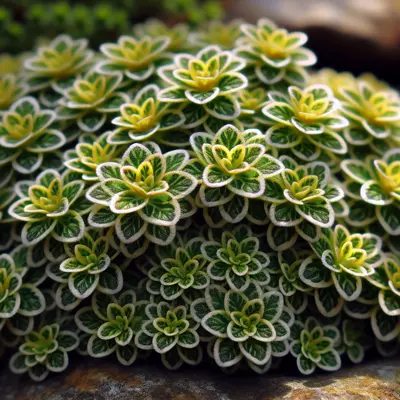
Lemon Thyme is a fragrant heirloom herb variety that grows as a low, spreading perennial with fine, narrow green leaves and delicate pink flowers. Reaching maturity in approximately 65 days, it produces harvestable foliage suitable for continuous picking. This variety distinguishes itself through its distinctive bright citrus aroma and flavor—a harmonious blend of classic thyme earthiness with zesty lemon notes. The herb thrives in full sun with excellent drainage and performs best in sandy or rocky soil. Its unique flavor profile makes it ideal for culinary applications in fish dishes, beverages, desserts, and Mediterranean cooking, while also serving ornamental and medicinal purposes.
Harvest
65d
Days to harvest
Sun
Full sun
Zones
2–11
USDA hardiness
Height
8-18 inches
Planting Timeline
Showing dates for Lemon Thyme in USDA Zone 7
All Zone 7 herb →Zone Map
Click a state to update dates
Lemon Thyme · Zones 2–11
Growing Details
Complete Growing Guide
Light: Full sun (6 or more hours of direct sunlight a day). Soil: High Organic Matter. Soil pH: Neutral (6.0-8.0). Drainage: Good Drainage, Moist. Height: 0 ft. 8 in. - 1 ft. 6 in.. Spread: 3 ft. 0 in. - 8 ft. 0 in.. Spacing: 12 inches-3 feet. Growth rate: Rapid. Maintenance: Medium. Propagation: Seed. Regions: Coastal, Mountains, Piedmont.
Harvesting
The "vegetable" is botanically a fruit– it is a pepo, a berry with a hard rind. Long and cylindrical, starting out prickly when young and smoothing out to a bumpy surface as it matures. Length and girth can vary based on cultivar and culinary purpose but grow at least 3 in long. Some varieties are bred to be seedless.
Color: Green. Type: Berry. Length: > 3 inches. Width: 1-3 inches.
Garden value: Edible, Showy
Harvest time: Summer
Edibility: Fruits are commonly eaten raw or pickled. Fresh cucumbers last in the fridge for about a week.
Storage & Preservation
Fresh lemon thyme stores best when kept dry and cool. Wrap harvested stems loosely in paper towels and place in perforated plastic bags in the refrigerator, where they'll maintain quality for 7-10 days. Avoid washing until ready to use, as excess moisture causes rapid deterioration.
For drying, harvest stems in mid-morning and bundle small groups with rubber bands. Hang upside down in a warm, dark, well-ventilated area for 1-2 weeks until leaves crumble easily. Strip dried leaves from stems and store in airtight containers away from light for up to one year.
Freezing preserves the bright lemon flavor better than drying. Strip fresh leaves from stems, chop finely, and freeze in ice cube trays covered with olive oil or water. Frozen herb cubes maintain quality for 6-8 months and can be added directly to cooking dishes. Lemon thyme also infuses beautifully in vinegars and oils, creating flavorful condiments that capture the herb's essence.
History & Origin
Origin: Himalaya to Northern Thailand
Advantages
- +Attracts: Bees
- +Edible: Fruits are commonly eaten raw or pickled. Fresh cucumbers last in the fridge for about a week.
- +Fast-growing
Companion Plants
Rosemary, lavender, oregano, and sage are the natural partners here — all Mediterranean herbs that share lemon thyme's preference for lean, well-drained soil and full sun. Planting them together means you're not accidentally drowning one while trying to keep another alive. They also pull in similar beneficial insects, and around here in the Georgia piedmont that pollinator traffic runs from April through October, which matters if you've got tomatoes or eggplant nearby.
Mint needs its own bed, full stop. It spreads by underground runners and can double its footprint in a single season, leaving lemon thyme no room at the 8–12 inch spacing it needs. Black walnut is a problem for a different reason entirely: the roots secrete juglone, a compound that interferes with root respiration in a wide range of plants — thyme included. Cucumber is on the harmful list mostly because it wants consistent heavy irrigation that would rot lemon thyme's roots out within a few weeks.
Plant Together
Rosemary
Both Mediterranean herbs with similar water and soil requirements, mutually repel pests
Lavender
Compatible growing conditions, both attract beneficial pollinators and repel moths
Tomatoes
Lemon thyme repels tomato hornworms and aphids while improving tomato flavor
Cabbage
Thyme deters cabbage worms, flea beetles, and other brassica pests
Strawberries
Thyme acts as living mulch and repels slugs, ants, and other strawberry pests
Eggplant
Repels flea beetles and other pests that commonly attack eggplants
Oregano
Similar Mediterranean growing requirements and complementary pest-repelling properties
Sage
Compatible water needs and both deter harmful insects while attracting beneficial ones
Keep Apart
Black Walnut
Produces juglone which is toxic to thyme and most other herbs
Mint
Aggressive spreader that will overwhelm and crowd out thyme plants
Cucumber
Requires much more water than thyme, incompatible moisture needs can stress both plants
Nutrition Facts
Per 100g serving. % Daily Value based on 2,000 calorie diet. Source: USDA FoodData Central (FDC #173470)
Pests & Disease Resistance
Resistance
Good disease resistance when grown in well-drained conditions
Common Pests
Spider mites, aphids in humid conditions
Diseases
Root rot in wet soils, fungal issues in poor drainage
Troubleshooting Lemon Thyme
What you'll see, why it happens, and what to do about it.
Seedling stems turn black and shrink at the soil line; plant collapses within a day or two of appearing fine
Likely Causes
- Damping off — a complex of soil-borne pathogens (Pythium, Rhizoctonia) that thrive in cold, wet growing mix
- Overwatering or poorly draining seed-starting mix that stays saturated
What to Do
- 1.Discard affected seedlings — as NC State Extension notes, control after the fact is nearly impossible once the root system is compromised
- 2.Switch to a sterile, well-draining seed-starting mix and water only when the top half-inch is dry
- 3.Bottom-water trays instead of overhead watering to keep stems dry near the soil line
Leaves stippled with tiny pale dots, fine webbing on undersides of foliage — usually worse in hot, dry spells
Likely Causes
- Spider mites (Tetranychus urticae) — populations explode once temperatures push past 85°F and humidity drops
- Crowded planting that limits air circulation and makes infestations harder to spot early
What to Do
- 1.Blast the undersides of leaves with a strong jet of water — knocks mite populations back quickly and costs nothing
- 2.Space plants at least 8 inches apart to improve airflow, which slows colony spread
- 3.For persistent infestations, apply insecticidal soap directly to leaf undersides; repeat every 5–7 days for two to three applications
Frequently Asked Questions
How long does lemon thyme take to grow from planting to harvest?▼
Can you grow lemon thyme in pots and containers?▼
What does lemon thyme taste like compared to regular thyme?▼
Is lemon thyme good for beginning herb gardeners?▼
When should I plant lemon thyme in my garden?▼
Does lemon thyme come back every year or do I need to replant?▼
Zone-by-Zone Planting Calendar
| Zone | Indoor Start | Transplant | Direct Sow | Harvest |
|---|---|---|---|---|
| Zone 3 | April – May | June – July | — | July – October |
| Zone 4 | March – April | June – July | — | July – October |
| Zone 5 | March – April | May – June | — | June – October |
| Zone 6 | March – April | May – June | — | June – November |
| Zone 7 | February – March | April – June | — | June – November |
| Zone 8 | February – March | April – May | — | May – December |
| Zone 9 | January – February | March – April | — | April – December |
| Zone 10 | January – January | February – April | — | April – December |
| Zone 2 | April – May | June – August | — | August – September |
| Zone 11 | January – January | January – March | — | March – December |
Growing Guides from Wind River Greens
Sources & References
External authority sources used in compiling this guide.
See the Methodology page for how this data is sourced, what's AI-assisted, and known limitations.