Orange Mint
Helianthus annuus
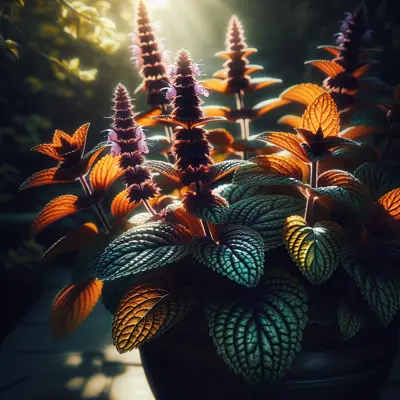
Orange Mint is a vibrant heirloom herb variety that matures in 85-95 days, producing lush green foliage with aromatic leaves. This distinctive mint variety stands apart with its unique flavor profile—fresh mint paired with bright citrus notes reminiscent of orange and subtle bergamot undertones, making it exceptional for teas, cocktails, and culinary garnishes. Best grown in full sun (6+ hours daily) with rich, moist, well-drained soil, it thrives easily in most conditions. Watch for common mint pests including aphids, spider mites, and flea beetles.
Harvest
85-95d
Days to harvest
Sun
Full sun
Zones
2–11
USDA hardiness
Height
1-10 feet
Planting Timeline
Showing dates for Orange Mint in USDA Zone 7
All Zone 7 herb →Zone Map
Click a state to update dates
Orange Mint · Zones 2–11
Growing Details
Complete Growing Guide
Orange Mint sunflowers are best started directly in the garden after your last frost date, though they can be started indoors 3–4 weeks prior for a head start in cooler climates. Sow seeds approximately half an inch deep in warm soil once temperatures consistently reach 50°F, as they germinate quickly in warmth. If transplanting seedlings, handle them carefully since these branching varieties develop their sturdy stems best when established early in their growing location. Direct sowing eliminates transplant shock and encourages the thick, robust stems this variety is known for.
Space Orange Mint plants 12–18 inches apart to allow adequate air circulation around the foliage and developing branches. This spacing is crucial because the variety produces 4–6 inch blooms on multiple branches per plant, creating dense canopy growth. Prepare soil by working in compost or well-draining potting mix; these sunflowers prefer nutrient-rich earth but are forgiving of average garden soil. Ensure drainage is excellent to prevent root rot, which can compromise the sturdy stems you're counting on.
Water consistently throughout the growing season, providing about 1 inch per week through rainfall or irrigation. Keep soil evenly moist but not waterlogged, especially during the branching phase when multiple flower stems are developing. Feed with a balanced fertilizer when plants reach 12 inches tall, then switch to a lower-nitrogen formula as flowering approaches to encourage blooms rather than excessive foliage. A second feeding at bud stage supports the heavy flower production this cultivar is celebrated for.
Orange Mint's minimal pollen makes it excellent for cut flowers, but watch carefully for spider mites and aphids, which are attracted to the tender new growth on branching stems. Inspect regularly under leaves where these pests congregate, and spray with insecticidal soap if populations appear. Powdery mildew can develop in humid conditions, so maintain good air circulation through proper spacing and avoid overhead watering. Rust and mint anthracnose, while less common on sunflowers, may occur in exceptionally wet seasons—remove affected leaves promptly and consider a fungicide if disease spreads.
The one thing gardeners most often overlook with Orange Mint is providing sufficient support for the branching structure. While the variety boasts thicker stems than its sister Sonja, plants bearing 20–25 stems with full-sized blooms can still benefit from loose staking or caging, especially in windy locations. This support prevents the impressive branch architecture from bending and allows those valuable cut flowers to develop at their best angle.
Harvesting
Harvest Orange Mint sunflowers when the back of the flower head transitions from bright green to golden-brown and the petals have fully opened to their characteristic orange hue with prominent dark centers. The flower should feel firm but not brittle when gently squeezed. For maximum stem production, adopt a continuous-harvest approach by cutting stems as they reach peak bloom rather than waiting for all flowers to mature simultaneously; this encourages the plant to develop additional lateral branches. Cut stems in early morning when they're fully hydrated, removing flowers from the lower portions of branches first to redirect energy toward upper blooms and extend your overall harvest window over several weeks.
Seeds are ovoid and somewhat flattened
Color: Black, Brown/Copper. Type: Achene. Length: < 1 inch. Width: < 1 inch.
Garden value: Edible
Harvest time: Fall
Edibility: Seeds are used for cooking oil, livestock feed, and as a snack food or garnish. Petals are edible and young flower buds can be steamed like artichokes.
Storage & Preservation
Fresh orange mint leaves maintain their citrusy potency for 7-10 days when stored like cut flowers – trim stems and place in water, cover loosely with plastic, and refrigerate. Change water every 3-4 days to prevent bacterial growth.
For drying, hang small bundles in a well-ventilated, dark location for 7-14 days until stems snap cleanly. Properly dried orange mint retains much of its citrus character when stored in airtight containers away from light.
Freeze leaves in ice cube trays with water for instant additions to beverages, or layer whole leaves between parchment paper in freezer bags. The citrus oils freeze exceptionally well, making frozen orange mint ideal for winter tea blends and cooking applications where fresh mint isn't available.
History & Origin
Documentation of Orange Mint's specific origin is limited, though its development appears rooted in twentieth-century sunflower breeding programs focused on ornamental and cut-flower varieties. As a descendant of the Sonja lineage—itself a notable branching sunflower cultivar—Orange Mint likely emerged from deliberate selection for enlarged blooms, increased stem production, and the distinctive orange coloration with subtle citrus aromatics. Its All-America Selections award recognition indicates professional evaluation and refinement by a commercial seed house, though the precise breeder and introduction year remain unclear. The variety's documented suitability for both field and greenhouse production suggests modern horticultural development, positioning it within contemporary specialty cut-flower breeding rather than heritage seed traditions.
Origin: Western United States
Advantages
- +Larger flowers and sturdy stems ideal for cut flower arrangements
- +Exceptional yield of 20-25 stems per plant maximizes productivity
- +Award-winning variety with proven performance and minimal pollen
- +Day-length neutral allows year-round greenhouse cultivation flexibility
- +Unique citrus-mint flavor profile with bergamot undertones distinguishes culinary use
Considerations
- -Vulnerable to aphids and spider mites requiring regular pest monitoring
- -Susceptible to rust, powdery mildew, and mint anthracnose disease pressure
- -Requires proper spacing and support to maximize 35-48 inch branch height
Companion Plants
The best neighbors for orange mint are the ones that get something real from its volatile oils without muscling it out of the bed. Brassicas — cabbage and broccoli in particular — are the most practical pairing. The aromatic compounds in mint are thought to disorient cabbage moths and aphids that would otherwise home in on those crops. Marigolds work on a similar chemical level, so planting both in the same zone gives you overlapping deterrent coverage rather than putting all your eggs in one basket. Tomatoes and carrots round out the short list; mint's shallow, spreading root system doesn't compete seriously with carrots rooting 12 or more inches down, and there's no documented antagonism with tomatoes.
Radishes and lettuce can be tucked in around mint as short-season fill-ins — they'll be pulled before the mint spreads wide enough to crowd them. Peas work early in the season for the same reason.
Keep basil separated from mint entirely. Both crops draw aphids and spider mites, so clustering them concentrates the problem rather than diluting it. Parsley tends to get set back by any aggressive spreader that hits 12-plus inches tall — shading and root pressure will show up as stunted, pale plants within a few weeks of mint filling in. Chamomile is flagged as harmful here too, though the mechanism isn't as well-documented; the practical call is to give it its own dedicated space and not mix it into a mint planting.
Plant Together
Tomatoes
Orange mint repels ants, rodents, and flea beetles that commonly damage tomato plants
Cabbage
Deters cabbage moths and aphids while improving overall garden biodiversity
Carrots
Mint's strong scent helps mask carrot odor from carrot flies
Broccoli
Repels cabbage worms, aphids, and ants that attack brassica crops
Marigolds
Both plants repel similar pests and create a strong aromatic barrier
Radishes
Mint deters flea beetles which commonly damage radish leaves
Lettuce
Provides natural pest control against slugs and aphids
Peas
Mint repels aphids and ants that farm them on pea plants
Keep Apart
Parsley
Both compete for similar nutrients and mint's aggressive growth can overshadow parsley
Chamomile
Mint's vigorous spreading habit can overwhelm delicate chamomile plants
Basil
Mint's aggressive root system competes heavily with basil for space and nutrients
Nutrition Facts
Per 100g serving. % Daily Value based on 2,000 calorie diet. Source: USDA FoodData Central (FDC #173474)
Pests & Disease Resistance
Resistance
Generally disease resistant, good air circulation prevents fungal issues
Common Pests
Aphids, spider mites, flea beetles
Diseases
Rust, powdery mildew, mint anthracnose
Troubleshooting Orange Mint
What you'll see, why it happens, and what to do about it.
White powdery coating on leaves and stems, usually showing up mid-to-late summer
Likely Causes
- Powdery mildew — a fungal disease that thrives in warm days with cool nights and poor air circulation
- Crowded planting (spacing under 18 inches) that traps humidity around the foliage
What to Do
- 1.Mix 1 tablespoon baking soda plus 1 tablespoon summer horticultural oil per gallon of water and spray as a preventive every 3 to 5 days — NC State Extension's organic disease guidance backs this approach
- 2.Sulfur-based fungicides are OMRI-listed and effective on powdery mildew if you'd rather go that route
- 3.Thin or remove crowded stems to open up airflow; don't overhead-water in the evening
Orange or rust-colored pustules on the undersides of leaves, often with yellow patches on top
Likely Causes
- Mint rust — a fungal pathogen that overwinters in plant debris and spreads via airborne spores
- Wet foliage left sitting overnight, which gives spores an easy entry point
What to Do
- 1.Strip and trash (don't compost) any affected leaves immediately — rust spreads fast once established
- 2.Apply a sulfur-based fungicide early, before the pustules multiply; copper sulfate is also OMRI-allowed per NC State Extension
- 3.Clear all debris from the bed at end of season and move the planting to a fresh spot the following year
Frequently Asked Questions
How long does orange mint take to grow from planting to harvest?▼
Can you grow orange mint in containers?▼
What does orange mint taste like compared to regular mint?▼
Is orange mint invasive like other mint varieties?▼
When should I plant orange mint cuttings or divisions?▼
Orange mint vs chocolate mint - what's the difference?▼
Zone-by-Zone Planting Calendar
| Zone | Indoor Start | Transplant | Direct Sow | Harvest |
|---|---|---|---|---|
| Zone 2 | April – May | June – August | — | August – September |
| Zone 11 | January – January | January – March | — | March – December |
| Zone 3 | April – May | June – July | — | July – October |
| Zone 4 | March – April | June – July | — | July – October |
| Zone 5 | March – April | May – June | — | June – October |
| Zone 6 | March – April | May – June | — | June – November |
| Zone 7 | February – March | April – June | — | June – November |
| Zone 8 | February – March | April – May | — | May – December |
| Zone 9 | January – February | March – April | — | April – December |
| Zone 10 | January – January | February – April | — | April – December |
Growing Guides from Wind River Greens
Sources & References
External authority sources used in compiling this guide.
See the Methodology page for how this data is sourced, what's AI-assisted, and known limitations.