Topit
Petroselinum crispum
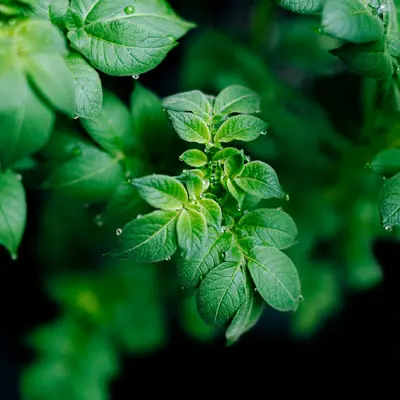
High leaf mass on thick, upright stems for easier harvest. Compared to the standard parsley Giant of Italy, Topit has larger and darker green leaves, a more uniform plant habit, and sweeter flavor. Very similar to, and from the same breeder as, Pieone. Flat-leaf type. Ht. 18-20".
Harvest
75d
Days to harvest
Sun
Full sun
Zones
3–11
USDA hardiness
Height
0-3 feet
Planting Timeline
Showing dates for Topit in USDA Zone 7
All Zone 7 herb →Zone Map
Click a state to update dates
Topit · Zones 3–11
Growing Details
Succession Planting
Start parsley indoors in February or March — germination runs 10–21 days and is notoriously slow, so don't panic if nothing shows for two weeks. Soak seeds in warm water for 24 hours before sowing to improve the rate. Transplant out in April through June once nights stay consistently above 40°F. Because parsley is biennial and keeps producing through the season rather than giving one flush and quitting, you don't need a tight succession cadence the way you would with lettuce. One or two plantings per year is enough for most households; a second indoor sow in late summer can push harvest well into fall and through mild winters in zones 7 and above.
Complete Growing Guide
High leaf mass on thick, upright stems for easier harvest. Compared to the standard parsley Giant of Italy, Topit has larger and darker green leaves, a more uniform plant habit, and sweeter flavor. Very similar to, and from the same breeder as, Pieone. Flat-leaf type. Ht. 18-20". According to Johnny's Selected Seeds, Topit is 75 days to maturity, biennial, open pollinated. Notable features: Grows Well in Containers.
Light: Full sun (6 or more hours of direct sunlight a day). Soil: Clay, Loam (Silt), Sand. Soil pH: Acid (<6.0), Neutral (6.0-8.0). Drainage: Good Drainage, Moist. Height: 0 ft. 8 in. - 3 ft. 0 in.. Spread: 0 ft. 8 in. - 1 ft. 0 in.. Spacing: 12 inches-3 feet. Growth rate: Medium. Maintenance: Medium. Propagation: Seed. Regions: Coastal, Mountains, Piedmont.
Harvesting
Topit reaches harvest at 75 days from sowing per Johnny's Selected Seeds. Expect 18-20". at peak.
The small, ridged seeds are formed in the second year from July to September. The fruit and seeds are poisonous to birds.
Type: Schizocarp.
Harvest time: Fall, Summer
Edibility: Leaves as flavoring and garnish
Storage & Preservation
Harvest Topit parsley at 75 days and store fresh stems in a sealed plastic bag or container lined with damp paper towels in the refrigerator at 32–40°F with 95% humidity; use within 7–10 days for best quality. For longer preservation, freeze chopped leaves in ice cube trays with water or oil, then transfer cubes to freezer bags for up to three months. Alternatively, dry bundles hung in a warm, dark, well-ventilated space for two weeks, then strip leaves and store in airtight containers away from light. Topit's tightly curled foliage dries exceptionally well compared to flat-leaf varieties, retaining good flavor and appearance. Avoid canning parsley alone due to low acidity; if preserving in oil, use proper pressure-canning techniques to prevent botulism risk.
History & Origin
Topit is open-pollinated, meaning seed saved from healthy plants will produce true-to-type offspring. Listed in the Johnny's Selected Seeds catalog.
Origin: Europe
Advantages
- +Thick, upright stems make harvesting leaves faster and easier
- +Larger, darker green leaves offer more visual appeal in dishes
- +Sweeter flavor profile distinguishes it from standard Giant of Italy
- +High leaf mass produces abundant foliage from each plant
- +Uniform plant habit creates consistent, attractive garden appearance
Considerations
- -Requires consistent moisture; prone to bolting in dry conditions
- -Taller 18-20 inch height may need staking in windy locations
- -Similar to Pieone variety; limited differentiation justifies premium seed cost
- -Slower 75-day maturity means longer wait before first harvest
Companion Plants
Parsley stays under 18 inches and doesn't fight tomatoes or peppers for canopy space — that's the practical reason it fits in those beds, more than any pest-confusion claim. Asparagus is worth mentioning not for folklore but because they have genuinely non-overlapping root zones: parsley roots stay in the top 12 inches while asparagus crowns go deeper, so water and nutrients don't pull against each other. Marigolds nearby draw parasitic wasps that keep aphid populations in check across the whole bed. Rue and sage both release allelopathic compounds that can suppress nearby herbs — keep them at least 24 inches away from your parsley.
Plant Together
Tomatoes
Basil repels tomato hornworms and aphids, may improve tomato flavor
Peppers
Basil deters aphids and spider mites that commonly affect peppers
Oregano
Both herbs have similar growing requirements and repel common garden pests
Lettuce
Basil provides light shade for lettuce and repels aphids that damage leafy greens
Asparagus
Basil repels asparagus beetles and doesn't compete for root space
Marigolds
Both plants repel aphids and whiteflies, creating a stronger pest deterrent
Parsley
Similar water and nutrient needs, basil helps repel pests that affect parsley
Carrots
Basil improves soil health and repels carrot flies without root competition
Keep Apart
Rue
Allelopathic properties inhibit basil growth and development
Sage
Competes for similar nutrients and may stunt basil growth
Thyme
Can inhibit basil germination and early growth through allelopathy
Nutrition Facts
Per 100g serving. % Daily Value based on 2,000 calorie diet. Source: USDA FoodData Central (FDC #172232)
Pests & Disease Resistance
Common Pests
Parsley worms, spider mites, aphids
Diseases
Leaf spot, powdery mildew, septoria
Troubleshooting Topit
What you'll see, why it happens, and what to do about it.
White powdery coating on leaves, usually appearing mid-season when plants are crowded or airflow is poor
Likely Causes
- Powdery mildew — a fungal disease that thrives in warm days and cool nights, especially with poor air circulation
- Overhead watering that keeps foliage wet for extended periods
What to Do
- 1.Space plants at least 9–12 inches apart so air can move between them — crowding is the main setup for this
- 2.Water at the base rather than overhead; if you can't, water early morning so leaves dry before nightfall, as NC State Extension's disease management guidance recommends
- 3.Remove and trash affected leaves promptly; don't compost them
Tan or brown spots with yellow halos scattered across leaves, progressing from older leaves upward
Likely Causes
- Septoria leaf spot — a fungal pathogen that splashes up from the soil during rain or overhead irrigation
- Infected plant debris left on the soil surface, where the pathogen overwinters
What to Do
- 1.Strip affected leaves and dispose of them in the trash — NC State Extension notes that removing diseased plant parts can slow septoria's spread
- 2.Mulch around the base of plants with straw or wood chips to stop soil splash
- 3.Rotate parsley out of that bed for at least 2 seasons; septoria persists in soil and will reinfect the same spot
Large bright-green caterpillars — up to 2 inches long, with black and yellow bands — stripping leaves fast
Likely Causes
- Parsley worm (Papilio polyxenes larva), the caterpillar of the black swallowtail butterfly
What to Do
- 1.Hand-pick and relocate them to a wild carrot or Queen Anne's lace patch if you can find one — they're butterfly larvae, so many gardeners tolerate a few
- 2.If the infestation is heavy enough to threaten the whole plant, apply Bacillus thuringiensis (Bt) as a targeted spray
- 3.Sow 3 or 4 extra plants at the start of the season so there's enough leaf mass for the caterpillars and still enough for the kitchen
Frequently Asked Questions
How long does Topit parsley take to harvest?▼
Is Topit parsley a good choice for beginners?▼
Can you grow Topit parsley in containers?▼
What does Topit parsley taste like?▼
When should I plant Topit parsley?▼
How does Topit compare to other flat-leaf parsley varieties?▼
Zone-by-Zone Planting Calendar
| Zone | Indoor Start | Transplant | Direct Sow | Harvest |
|---|---|---|---|---|
| Zone 3 | April – May | June – July | — | July – October |
| Zone 4 | March – April | June – July | — | July – October |
| Zone 5 | March – April | May – June | — | June – October |
| Zone 6 | March – April | May – June | — | June – November |
| Zone 7 | February – March | April – June | — | June – November |
| Zone 8 | February – March | April – May | — | May – December |
| Zone 9 | January – February | March – April | — | April – December |
| Zone 10 | January – January | February – April | — | April – December |
| Zone 11 | January – January | January – March | — | March – December |
Growing Guides from Wind River Greens
Sources & References
External authority sources used in compiling this guide.
- BreederJohnny's Selected Seeds
- USDAUSDA FoodData Central
See the Methodology page for how this data is sourced, what's AI-assisted, and known limitations.