Grosfruchtiger
Foeniculum vulgare
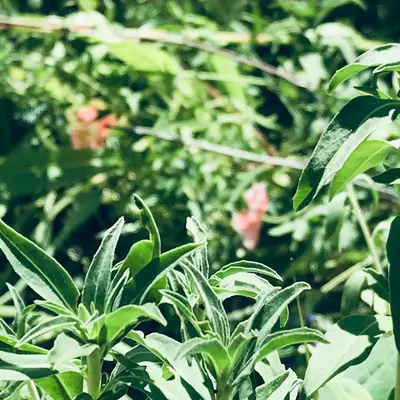
Nonbulbing type. We found Grosfruchtiger to be the most flavorful fennel in our trials. Leaves are a nice addition to salads, coleslaw, and dressings.Flavor in fennel develops and intensifies as plants mature. Very young plants (baby-leaf stage) will have a mild fennel flavor, while mature plants (8-12" tall) will have a fuller fennel flavor. Edible Flowers: The florets are used to garnish savory dishes, and pair well with fish, potato, tomato, and beef dishes. Flavor is of sweet anise.
Harvest
50-60d
Days to harvest
Sun
Full sun
Zones
4–9
USDA hardiness
Height
4-6 feet
Planting Timeline
Showing dates for Grosfruchtiger in USDA Zone 7
All Zone 7 herb →Zone Map
Click a state to update dates
Grosfruchtiger · Zones 4–9
Growing Details
Succession Planting
Grosfruchtiger is a tender perennial — in zones 7 through 9 it will often overwinter with a layer of straw mulch and push new fronds in spring, so succession sowing doesn't apply the way it does for a quick crop like lettuce. One planting per season is the standard approach. Start seeds indoors in February or March, transplant after last frost between April and early June, and you'll be cutting fronds from June through November.
If you lose a plant to root rot mid-season and want a replacement, direct-sow into open ground in May — soil at 60°F or above germinates seed in 7 to 14 days. Don't start a new plant after mid-July in Georgia; heat stress slows establishment and the plant will bolt to flower before it puts on enough vegetative growth to be worth the bed space.
Complete Growing Guide
Nonbulbing type. We found Grosfruchtiger to be the most flavorful fennel in our trials. Leaves are a nice addition to salads, coleslaw, and dressings.Flavor in fennel develops and intensifies as plants mature. Very young plants (baby-leaf stage) will have a mild fennel flavor, while mature plants (8-12" tall) will have a fuller fennel flavor. Edible Flowers: The florets are used to garnish savory dishes, and pair well with fish, potato, tomato, and beef dishes. Flavor is of sweet anise. According to Johnny's Selected Seeds, Grosfruchtiger is 50 - 60 days to maturity, tender perennial, open pollinated. Notable features: Edible Flowers, Attracts Beneficial Insects.
Light: Full sun (6 or more hours of direct sunlight a day). Soil: Clay, High Organic Matter, Loam (Silt), Sand. Soil pH: Acid (<6.0), Alkaline (>8.0), Neutral (6.0-8.0). Drainage: Good Drainage, Moist, Occasionally Dry. Height: 4 ft. 0 in. - 6 ft. 0 in.. Spread: 1 ft. 6 in. - 3 ft. 3 in.. Spacing: Less than 12 inches. Maintenance: Low. Propagation: Seed. Regions: Coastal, Mountains, Piedmont.
Harvesting
Grosfruchtiger reaches harvest at 50 - 60 days from sowing per Johnny's Selected Seeds. Expect 8-12" at peak.
Aromatic seeds follow the flowers in late summer, early fall.
Color: Green, White.
Garden value: Edible, Fragrant
Harvest time: Fall
Storage & Preservation
Grosfruchtiger fennel harvests at 50 days and stores best in the refrigerator crisper drawer at 32–40°F with moderate humidity, ideally in a perforated plastic bag. Fresh bulbs and fronds keep for 7–10 days before quality declines. For longer preservation, freezing works well: blanch bulb pieces for 3 minutes, cool quickly, and pack in freezer bags for up to 8 months. Drying the fronds yields excellent tea and seasoning—hang-dry in bundles or use a dehydrator at 95–105°F until crisp. Seeds dry naturally on the plant and store in airtight containers for several years. Pickling bulbs in vinegar brine is another reliable option. This variety's larger fruits make seed saving straightforward; allow one or two plants to mature fully if you plan to collect seed for next season.
History & Origin
Grosfruchtiger is open-pollinated, meaning seed saved from healthy plants will produce true-to-type offspring. Listed in the Johnny's Selected Seeds catalog.
Origin: Southern Europe and the Mediterranean
Advantages
- +Most flavorful fennel variety in taste trials with robust anise notes
- +Versatile culinary uses from salads to fish and beef dishes
- +Edible flowers provide sweet anise garnish for savory presentations
- +Quick 50-60 day maturity allows multiple plantings per season
- +Easy growing difficulty makes it suitable for beginner gardeners
Considerations
- -Nonbulbing type limits use compared to bulbing fennel varieties
- -Flavor intensity requires patience waiting for 8-12 inch plant maturity
- -Tendency to bolt in hot weather reduces leaf harvest window
Companion Plants
Fennel is one of the more awkward plants to work into a mixed bed because it's genuinely allelopathic — it releases compounds from its roots and decomposing foliage that suppress germination and stunt nearby plants. That's why fennel itself appears on the harmful list: massed plantings undercut each other. Common sage produces its own allelopathic oils, and the two create a chemically hostile zone in the soil that neither plant wins. Rue causes similar friction. Give Grosfruchtiger its own corner, spaced 18 inches or more from anything you're counting on, rather than tucking it into a dense interplanted row.
The beneficial pairings work mostly through what's happening above the soil. Fennel's tall umbel flowers draw parasitic wasps and hoverflies, and those insects move over to work on aphid and caterpillar populations on neighboring tomatoes and peppers — which is the actual payoff. Marigolds (Tagetes spp.) pull in similar beneficials, and NC State Extension's IPM guidance backs the general idea that mixing plant families slows pest buildup and gives you more time to respond. Chives and oregano may add some scent-based pest confusion, though I wouldn't rearrange a whole planting around that claim.
Lettuce planted within 12 inches of fennel is a gamble. Here in our zone 7 Georgia garden, where fennel runs 4 to 6 feet tall and shades aggressively by July, leafy greens underneath it tend to struggle from both the chemical inhibition and the canopy. Keep them at least 2 feet away, or skip the pairing altogether.
Plant Together
Tomatoes
Basil repels tomato hornworms and aphids while improving tomato flavor
Peppers
Basil deters aphids, spider mites, and thrips that commonly attack peppers
Oregano
Both herbs have similar growing requirements and oregano helps repel pests
Parsley
Compatible growth habits and parsley attracts beneficial insects like hoverflies
Lettuce
Basil provides light shade for lettuce and repels aphids that damage leafy greens
Marigolds
Attract beneficial insects and repel nematodes and aphids
Chives
Repel aphids and improve overall garden pest management
Asparagus
Basil repels asparagus beetles while asparagus doesn't compete for space
Keep Apart
Rue
Inhibits basil growth through allelopathic compounds
Common Sage
Competes for nutrients and may inhibit basil's growth and flavor development
Fennel
Releases allelopathic compounds that stunt basil growth and reduce essential oil production
Nutrition Facts
Per 100g serving. % Daily Value based on 2,000 calorie diet. Source: USDA FoodData Central (FDC #172232)
Pests & Disease Resistance
Common Pests
Fennel is generally pest-resistant but may occasionally encounter swallowtail butterfly caterpillars, spider mites in dry conditions, and aphids
Diseases
Fennel is generally disease-resistant; root rot possible in waterlogged soil
Troubleshooting Grosfruchtiger
What you'll see, why it happens, and what to do about it.
Fronds stripped down to bare stems, fat green-and-black striped caterpillars present on the plant
Likely Causes
- Eastern black swallowtail (Papilio polyxenes) larvae — they're specialists on plants in the carrot family (Apiaceae) and will find your fennel reliably
What to Do
- 1.Hand-pick the caterpillars if you want to protect your harvest — they're big enough to spot easily
- 2.Relocate them to a patch of wild Queen Anne's lace if you'd rather not kill them; they'll finish out just fine
- 3.If you grow fennel specifically as a pollinator plant, just leave them alone — the fronds grow back fast enough on a 4-6 foot plant
Stems wilting at soil level, lower stalk turning soft or brown, plant collapsing despite adequate watering
Likely Causes
- Root rot — most likely Pythium or Phytophthora spp. in waterlogged or poorly drained soil
- Planting in a low spot that holds water after heavy rain
What to Do
- 1.Pull the plant; there's no recovering a fennel with rotted roots
- 2.Before replanting, work 2-3 inches of compost into the bed to 10-12 inches deep and grade the bed so water drains away from the crown
- 3.Stick to 1 to 1.5 inches of water per week — NC State Extension notes that root rot in fennel is almost entirely a waterlogged-soil problem, not an inevitable disease pressure
Frequently Asked Questions
How long does Grosfruchtiger fennel take to grow?▼
Is Grosfruchtiger fennel good for beginners?▼
Can you grow Grosfruchtiger fennel in containers?▼
What does Grosfruchtiger fennel taste like?▼
When should I plant Grosfruchtiger fennel?▼
Grosfruchtiger vs. other fennel varieties—what's the difference?▼
Zone-by-Zone Planting Calendar
| Zone | Indoor Start | Transplant | Direct Sow | Harvest |
|---|---|---|---|---|
| Zone 3 | April – May | June – July | — | July – October |
| Zone 4 | March – April | June – July | — | July – October |
| Zone 5 | March – April | May – June | — | June – October |
| Zone 6 | March – April | May – June | — | June – November |
| Zone 7 | February – March | April – June | — | June – November |
| Zone 8 | February – March | April – May | — | May – December |
| Zone 9 | January – February | March – April | — | April – December |
| Zone 10 | January – January | February – April | — | April – December |
Growing Guides from Wind River Greens
Sources & References
External authority sources used in compiling this guide.
- BreederJohnny's Selected Seeds
- USDAUSDA FoodData Central
See the Methodology page for how this data is sourced, what's AI-assisted, and known limitations.