Summer Savory
Satureja hortensis
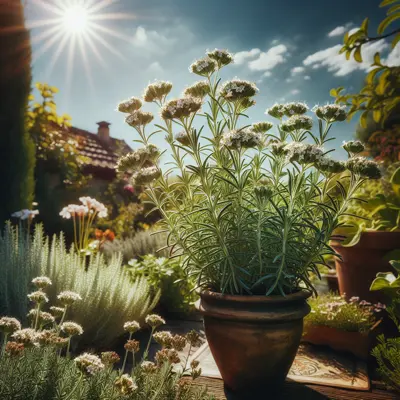
Pepper flavor adds spice to dishes. For flavoring fresh and dry beans, cabbage, and sauerkraut. Long internodes create a tall, somewhat lanky plant.
Harvest
60-70d
Days to harvest
Sun
Full sun
Zones
2–11
USDA hardiness
Height
18-18 inches
Planting Timeline
Showing dates for Summer Savory in USDA Zone 7
All Zone 7 herb →Zone Map
Click a state to update dates
Summer Savory · Zones 2–11
Growing Details
Succession Planting
Summer savory is a cut-and-come-again annual that keeps producing from a single sowing, so succession planting isn't necessary. Start one indoor sowing in February or March, transplant after last frost between April and June, and begin harvesting by trimming stems back by about one-third once plants hit around day 60. Clip regularly to delay flowering — once it goes to seed, leaf production drops off. A single planting will carry you through to frost without a second round.
Complete Growing Guide
Light: Full sun (6 or more hours of direct sunlight a day). Soil: High Organic Matter, Loam (Silt). Soil pH: Alkaline (>8.0). Drainage: Good Drainage. Height: 1 ft. 6 in. - 1 ft. 6 in.. Spread: 1 ft. 0 in. - 3 ft. 0 in.. Spacing: 12 inches-3 feet. Growth rate: Rapid. Maintenance: Low. Propagation: Stem Cutting. Regions: Coastal, Mountains, Piedmont.
Harvesting
Broad oblong-ovoid, pale brown nutlets.
Color: Brown/Copper. Type: Nut. Length: < 1 inch. Width: < 1 inch.
Harvest time: Fall
Edibility: Leaves, raw or cooked, can be used as flavoring. Aromatic and slightly peppery, it can be a garnish for salad or steeped for tea.
Storage & Preservation
Fresh summer savory keeps 7-10 days in the refrigerator when stored like cut flowers—trim stem ends and place in a glass of water, covering loosely with a plastic bag. For longer storage, summer savory dries exceptionally well, retaining most of its peppery bite. Bundle small stems and hang in a warm, dry, dark location with good air circulation. Properly dried savory should crumble easily and maintain its gray-green color within 1-2 weeks. Strip leaves from stems and store in airtight containers away from light—dried summer savory stays potent for up to two years. You can also freeze whole stems in ice cube trays covered with olive oil for convenient cooking portions. Unlike many herbs, summer savory's robust flavor holds up well to long cooking, making it excellent for herb salts and vinegars that develop complexity over time.
History & Origin
Origin: Southeastern Europe to Western Asia
Advantages
- +Attracts: Bees
- +Edible: Leaves, raw or cooked, can be used as flavoring. Aromatic and slightly peppery, it can be a garnish for salad or steeped for tea.
- +Fast-growing
- +Low maintenance
Companion Plants
Beans are the most practical neighbor here — savory has a long-standing reputation for deterring bean beetles, and both plants want full sun and similar soil pH (6.0–7.0), so you're not managing competing needs. Onions, peppers, and tomatoes fit for the same reason: comparable drainage and fertility requirements. Rosemary, thyme, and oregano belong in the same bed because they all perform best in lean, well-drained soil — pairing them with savory means one watering regime covers everyone. Mint is the plant to skip; it spreads by rhizome and will muscle out anything within a foot of it. Fennel is the other one to keep separate — its root exudates inhibit germination and growth of many nearby plants, and savory is not an exception.
Plant Together
Beans
Summer savory improves bean flavor and repels bean beetles
Onions
Repel insects that damage savory and improve overall garden health
Tomatoes
Summer savory may improve tomato flavor and repel hornworms
Peppers
Attracts beneficial insects and may help deter aphids from peppers
Cabbage
Repels cabbage moths and other brassica pests
Rosemary
Both herbs have similar growing requirements and complement each other
Thyme
Compatible Mediterranean herbs that attract beneficial pollinators
Oregano
Similar growing conditions and both repel common garden pests
Keep Apart
Cucumber
May compete for nutrients and space, different watering needs
Fennel
Allelopathic properties inhibit growth of most herbs including savory
Mint
Aggressive spreader that can overtake and compete with summer savory
Nutrition Facts
Per 100g serving. % Daily Value based on 2,000 calorie diet. Source: USDA FoodData Central (FDC #172232)
Pests & Disease Resistance
Resistance
Very disease resistant, thrives in various conditions
Common Pests
Generally pest-free, occasional aphids
Diseases
Root rot in poorly drained soils, otherwise very hardy
Troubleshooting Summer Savory
What you'll see, why it happens, and what to do about it.
Seedlings collapse at soil level overnight — stems pinched and dark, roots brown and slimy
Likely Causes
- Damping off — a complex of soil-borne pathogens (Pythium, Rhizoctonia) that thrive in wet, poorly drained conditions
- Overwatering or trays without drainage holes
What to Do
- 1.Pull and trash affected seedlings immediately; don't compost them
- 2.Let the soil surface dry out between waterings — summer savory seedlings want lean, not wet
- 3.Sow into a sterile seed-starting mix and make sure containers drain freely; avoid heavy garden soil indoors
Established plant wilting despite moist soil, yellowing lower leaves, roots brown and mushy when you pull the plant
Likely Causes
- Root rot from chronically poor drainage — summer savory tolerates drought but is very intolerant of standing water
- Heavy clay soil or a low spot in the bed that pools after rain
What to Do
- 1.Dig the plant; if more than half the roots are gone, it won't recover — remove it
- 2.Amend the bed with coarse sand or fine pine bark before replanting, or move to a raised bed
- 3.Water only when the top inch of soil is dry; this herb runs fine at low-to-moderate moisture once it's past the seedling stage
Sticky residue on stems and new growth, small soft-bodied insects clustered at shoot tips
Likely Causes
- Aphids — typically green peach aphid (Myzus persicae) or bean aphid (Aphis fabae); populations build fast in hot, dry spells
- Overfertilizing with nitrogen, which drives the lush new growth aphids prefer
What to Do
- 1.Knock them off with a strong stream of water first — that alone breaks most light infestations
- 2.For heavier outbreaks, NC State Extension notes that insecticidal soap is appropriate for culinary herbs; apply in the evening to avoid burning foliage
- 3.Back off on fertilizer — savory doesn't need much, and soft leafy growth draws more aphids
Frequently Asked Questions
How long does summer savory take to grow from seed?▼
Can you grow summer savory in containers?▼
What's the difference between summer savory and winter savory?▼
Is summer savory good for beginner gardeners?▼
When should I plant summer savory seeds?▼
What does summer savory taste like compared to other herbs?▼
Zone-by-Zone Planting Calendar
| Zone | Indoor Start | Transplant | Direct Sow | Harvest |
|---|---|---|---|---|
| Zone 3 | April – May | June – July | — | July – October |
| Zone 4 | March – April | June – July | — | July – October |
| Zone 5 | March – April | May – June | — | June – October |
| Zone 6 | March – April | May – June | — | June – November |
| Zone 7 | February – March | April – June | — | June – November |
| Zone 8 | February – March | April – May | — | May – December |
| Zone 9 | January – February | March – April | — | April – December |
| Zone 10 | January – January | February – April | — | April – December |
| Zone 2 | April – May | June – August | — | August – September |
| Zone 11 | January – January | January – March | — | March – December |
Growing Guides from Wind River Greens
Sources & References
External authority sources used in compiling this guide.
- ExtensionNC State Extension
- BreederJohnny's Selected Seeds
- USDAUSDA FoodData Central
See the Methodology page for how this data is sourced, what's AI-assisted, and known limitations.