Dandelion
Taraxacum officinale
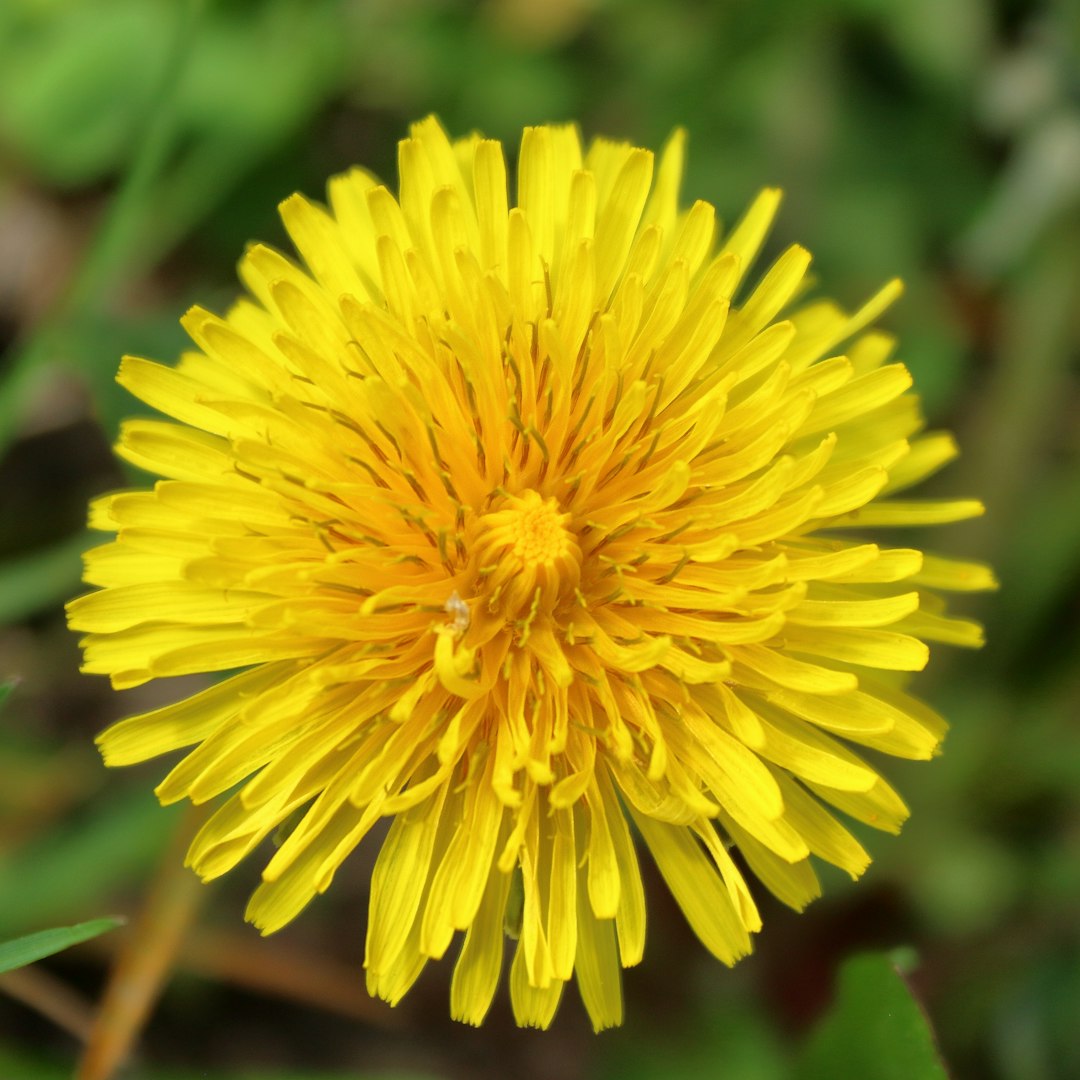
Young leaves are used in salads. Roots are roasted for a coffee substitute.
Harvest
95d
Days to harvest
Sun
Full sun
Zones
3–11
USDA hardiness
Height
2-6 inches
Planting Timeline
Showing dates for Dandelion in USDA Zone 7
All Zone 7 herb →Zone Map
Click a state to update dates
Dandelion · Zones 3–11
Growing Details
Complete Growing Guide
Dandelions thrive in full sun (6+ hours daily) and deep, loose, well-drained loam with a pH between 6.0-7.5. They tolerate poor soil better than most herbs, but you'll get superior leaf tenderness and root development with soil amended with compost or aged manure worked 12 inches deep.
Start dandelions from seed directly outdoors in early spring (as soon as soil is workable) or late summer (8-10 weeks before first frost). Surface-sow seeds on prepared soil — they require light to germinate. Keep soil consistently moist (not waterlogged) until seedlings emerge in 7-14 days. Thin seedlings to 6-12 inches apart; closer spacing yields tender young leaves, wider spacing produces larger roots.
Dandelions rarely need fertilizing if your soil has adequate organic matter. If growth slows mid-season, side-dress with compost or a balanced organic fertilizer. Water moderately during dry spells — they're fairly drought-tolerant once established, but consistent moisture produces the most tender leaves.
Common mistakes: planting too densely (crowds promote fungal disease), inconsistent watering (stresses plants and invites powdery mildew), and harvesting too aggressively in year one (allow plants to establish strong root systems). Don't worry about perfect spacing — dandelions are forgiving. Mulch around plants to suppress weeds and retain soil moisture, and expect volunteer seedlings from dropped flowers in subsequent years.
For container growing, use a 12-inch pot with well-draining potting mix and ensure 6+ hours of direct sun. Pot culture works well for tender leaf production; root development is more limited in containers.
Harvesting
Harvest young leaves in early morning after dew dries, when plants are 4-6 inches tall and leaves are still tender and pale green (before they darken and become more bitter). Pinch or cut outer leaves 1-2 inches above the soil line, allowing the central rosette to continue growing. Continuous light harvesting encourages more tender growth throughout the season.
For roots, wait until plants are at least 95 days old (ideally into late fall of year one or early spring of year two, when roots are thickest). Dig carefully with a garden fork, working 10-12 inches deep to avoid breaking roots. You'll know roots are mature when they're pencil-thick or wider and pale tan in color.
For flowers, harvest unopened buds or fully open blooms on dry mornings before bees have worked them. Test leaf tenderness by pinching — if leaves snap cleanly and taste pleasantly bitter without excessive harshness, they're ready. Older plants produce increasingly bitter leaves; young spring growth is always mildest.
Storage & Preservation
Fresh young leaves stay crisp in a sealed plastic bag in the refrigerator for up to one week. Roots store longer: brush soil away, wrap in damp paper towels, and refrigerate for 2-3 weeks.
Dry leaves for herbal tea by hanging stems upside down in a warm, dark, well-ventilated space for 1-2 weeks, then strip leaves from stems and store in airtight containers away from light. Dried leaves retain flavor for 6-12 months.
Freeze leaves blanched (30 seconds in boiling water, then ice bath) in freezer bags for 8-10 months; they soften when thawed but work well in cooked dishes. For roasted root coffee, clean and slice roots lengthwise, dry in a low oven (200°F) for 3-4 hours until brittle, then roast at 350°F for 15-20 minutes until dark brown and fragrant. Store roasted roots in airtight containers indefinitely. Ferment chopped fresh leaves with salt (3% by weight) in jars for a tangy condiment that keeps refrigerated for months.
History & Origin
Dandelion (Taraxacum officinale) is native to temperate regions of Europe and Asia, where it has been harvested wild and cultivated for over 1,000 years. Medieval and Renaissance herbalists prized it as a medicinal plant for liver and digestive health, and it spread throughout Europe via monastic gardens. French gardeners developed improved cultivars in the 17th-18th centuries, selectively breeding for larger leaves and less bitterness — varieties like 'Improved Thick Leaved' emerged from this work.
Dandelions arrived in North America with European colonists, initially as a food and medicinal crop, though they later became considered a lawn pest. The plant's remarkable resilience and nutritional density made it essential forage during wars and economic hardship. Today, dandelion cultivation is experiencing a renaissance among foragers and heirloom gardeners who value its mineral-rich leaves, deep roots, and culinary versatility. It remains a staple pot herb in Mediterranean, Eastern European, and Asian cuisines.
Advantages
- +Extremely cold-hardy perennial — survives freezing winters and resprouts reliably year after year with minimal care
- +Deep taproot breaks up compacted soil naturally, improving drainage and aeration for neighboring plants
- +Ready to harvest for tender young leaves within 30-40 days of germination, faster than many herbs
- +Thrives in poor, neglected soil where most vegetables fail — requires no fertilizer in average conditions
- +Drought-tolerant once established, making it ideal for low-water gardens and dry seasons
- +Exceptional nutritional density — leaves contain more vitamins A and C than kale, plus minerals lacking in most greens
- +Entirely edible plant — leaves, roots, flowers, and stems all have culinary or medicinal value
Considerations
- -Bitter taste intensifies as leaves mature; requires frequent harvesting of young growth or careful varietal selection for mild flavor
- -Prone to powdery mildew and leaf spot in humid conditions, especially with poor air circulation
- -Digging mature taproots is labor-intensive and requires 12+ inches of loose soil; breaks easily if soil is compacted or clay-heavy
- -Self-seeds prolifically — volunteer seedlings appear throughout the garden the following year, requiring management to prevent unwanted spread
- -Slower root development compared to leaf production makes first-year root harvest minimal; substantial roots require overwintering or year-two growth
Companion Plants
Dandelion's taproot pushes 6–12 inches down, well below the feeding zone of shallow-rooted neighbors like lettuce, radishes, and spinach — those all share a bed without much fuss. Carrots sit in the same category. Dandelion also blooms early, sometimes as soon as late March in zone 7 Georgia, and that early pollen draw pulls in ground-nesting bees and hoverflies that stick around to work your bean and tomato flowers weeks later.
Corn, wheat, and soybeans are the ones to keep on the other side of the garden. All three are aggressive competitors for nitrogen, and dandelion root exudates contain taraxacin and other compounds documented to suppress germination in grain crops — not a problem you want to create in a tight bed. Kale and onions are solid neighbors; onions may help knock back the aphid pressure that hits dandelion's softer new leaves in April and May.
Plant Together
Spinach
Dandelion's deep taproot brings up nutrients for shallow-rooted spinach
Radishes
Dandelions break up compacted soil, making it easier for radishes to grow
Carrots
Dandelion's taproot creates channels that help carrot root development
Tomatoes
Dandelions accumulate potassium in their leaves, beneficial when composted for tomatoes
Kale
Dandelions attract beneficial insects that help pollinate and protect brassicas
Onions
Both plants help deter pests and can grow well in similar soil conditions
Beans
Dandelions provide ground cover while beans fix nitrogen that dandelions can utilize
Lettuce
Dandelions provide natural ground cover and shade, protecting lettuce from heat stress
Keep Apart
Wheat
Dandelions compete aggressively with cereal grains for nutrients and space
Corn
Dense dandelion growth can significantly reduce corn yields through competition
Soybeans
Dandelions release allelopathic compounds that can inhibit soybean germination
Nutrition Facts
Per 100g serving. % Daily Value based on 2,000 calorie diet. Source: USDA FoodData Central (FDC #172232)
Pests & Disease Resistance
Common Pests
Aphids, slugs, snails, leaf miners, caterpillars
Diseases
Powdery mildew, leaf spot, crown rot, rust
Troubleshooting Dandelion
What you'll see, why it happens, and what to do about it.
White powdery coating on leaves, usually spreading from the center of the rosette outward
Likely Causes
- Powdery mildew — a fungal disease that thrives in warm days and cool nights with poor airflow
- Crowded planting at under 6 inches spacing that traps humidity around the foliage
What to Do
- 1.Remove and trash (don't compost) the worst-affected leaves to reduce spore load
- 2.Space plants to at least 8–12 inches so air can move between rosettes — NC State Extension notes that proper spacing helps foliage dry quickly and slows fungal spread
- 3.Avoid overhead watering in the evening; water at the base in the morning so leaves aren't wet overnight
Leaves peppered with small irregular holes or silvery slime trails, mostly on younger growth in spring
Likely Causes
- Slugs or snails feeding at night — common in damp, mulched beds during cool, wet springs
- Leaf miners (fly larvae) tunneling just below the leaf surface, leaving pale serpentine tracks
What to Do
- 1.For slugs: scatter iron phosphate bait (Sluggo) around the base of plants after rain; check under boards or debris nearby where they hide during the day
- 2.For leaf miners: pinch off and trash any leaves showing tunneling — the larvae are inside and sprays won't reach them
- 3.Clear weeds within a foot of the planting; dense ground cover gives slugs daytime shelter right next to your crop
Frequently Asked Questions
How long does dandelion take to grow from seed to harvest?▼
Can you grow dandelion in containers or pots?▼
Is dandelion good for beginners?▼
What does dandelion taste like?▼
When should I plant dandelion, and can I grow it year-round?▼
How do you prepare dandelion roots for coffee substitute?▼
Zone-by-Zone Planting Calendar
| Zone | Indoor Start | Transplant | Direct Sow | Harvest |
|---|---|---|---|---|
| Zone 11 | January – January | January – March | — | March – December |
| Zone 3 | April – May | June – July | — | July – October |
| Zone 4 | March – April | June – July | — | July – October |
| Zone 5 | March – April | May – June | — | June – October |
| Zone 6 | March – April | May – June | — | June – November |
| Zone 7 | February – March | April – June | — | June – November |
| Zone 8 | February – March | April – May | — | May – December |
| Zone 9 | January – February | March – April | — | April – December |
| Zone 10 | January – January | February – April | — | April – December |
Growing Guides from Wind River Greens
Sources & References
External authority sources used in compiling this guide.
- ExtensionNC State Extension
- BreederJohnny's Selected Seeds
- USDAUSDA FoodData Central
See the Methodology page for how this data is sourced, what's AI-assisted, and known limitations.