Chocolate Mint
Helianthus annuus
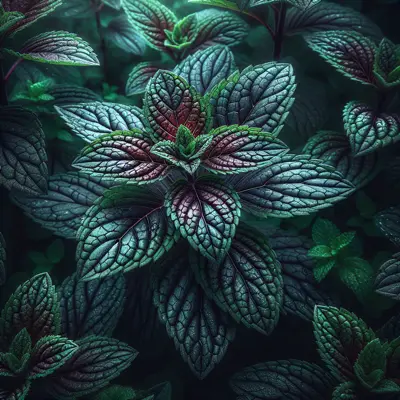
Chocolate Mint is a distinctive heirloom herb variety that matures in 65-75 days, featuring aromatic green foliage with soft, velvety texture. This unique mint hybrid stands out for its exceptional flavor profile: a refreshing cool mint taste with prominent chocolate undertones and a subtle sweet finish, making it ideal for both culinary applications and specialty beverages. Despite its rich flavor complexity, Chocolate Mint remains easy to grow, thriving in full sun with well-drained, moist soil. The plant tolerates heavy clay conditions well, making it adaptable to various garden settings.
Harvest
65-75d
Days to harvest
Sun
Full sun
Zones
2–11
USDA hardiness
Height
1-10 feet
Planting Timeline
Showing dates for Chocolate Mint in USDA Zone 7
All Zone 7 herb →Zone Map
Click a state to update dates
Chocolate Mint · Zones 2–11
Growing Details
Complete Growing Guide
Light: Full sun (6 or more hours of direct sunlight a day). Soil: Clay, Loam (Silt), Sand. Drainage: Good Drainage. Height: 1 ft. 6 in. - 10 ft. 0 in.. Spread: 1 ft. 6 in. - 3 ft. 0 in.. Spacing: 12 inches-3 feet. Growth rate: Rapid. Maintenance: Low. Propagation: Seed. Regions: Coastal, Mountains, Piedmont.
Harvesting
Seeds are ovoid and somewhat flattened
Color: Black, Brown/Copper. Type: Achene. Length: < 1 inch. Width: < 1 inch.
Garden value: Edible
Harvest time: Fall
Edibility: Seeds are used for cooking oil, livestock feed, and as a snack food or garnish. Petals are edible and young flower buds can be steamed like artichokes.
Storage & Preservation
Fresh chocolate mint leaves store best in the refrigerator wrapped loosely in damp paper towels inside a plastic bag, maintaining quality for 7-10 days. Alternatively, treat cut stems like fresh flowers, placing them in a glass of water and covering loosely with a plastic bag.
For drying, harvest entire stems in mid-morning and hang in small bundles in a warm, dark, well-ventilated area. Properly dried chocolate mint retains its chocolate notes for 6-8 months when stored in airtight containers away from light.
Freezing preserves the fresh flavor exceptionally well – wash and dry leaves thoroughly, then freeze on baking sheets before transferring to freezer bags. Frozen leaves work perfectly in teas and cooked dishes but lose their texture for fresh garnishes. You can also freeze leaves in ice cubes with water or simple syrup for instant chocolate mint additions to beverages.
History & Origin
Origin: Western United States
Advantages
- +Attracts: Butterflies, Pollinators, Songbirds, Specialized Bees
- +Edible: Seeds are used for cooking oil, livestock feed, and as a snack food or garnish. Petals are edible and young flower buds can be steamed like artichokes.
- +Fast-growing
- +Low maintenance
Companion Plants
Mint does solid work near brassicas like cabbage and broccoli — its volatile oils confuse aphids and cabbage moths that would otherwise zero in on those crops. Marigolds (particularly French marigold varieties like 'Petite Yellow') pull double duty: the scent disrupts pest orientation, and their root exudates suppress soil nematodes in a way that benefits neighboring plants. Tomatoes and carrots both pair well here because they root at different depths — tomatoes going down 2-3 feet, carrots in the top 12 inches — so there's no real fight for water or nutrients.
Parsley and cilantro are worth keeping at least a few feet away. They tend to draw the same aphid populations as mint, and under humid conditions all three get tangled in the same fungal disease cycles — you end up concentrating the problem instead of spreading the risk. Chamomile can inhibit mint's lateral runner growth and competes directly for mid-range soil moisture, so give it its own bed.
Plant Together
Tomatoes
Mint repels ants, rodents, and flea beetles that commonly affect tomatoes
Cabbage
Deters cabbage moths, aphids, and flea beetles from brassicas
Carrots
Improves soil health and repels carrot flies and aphids
Broccoli
Repels cabbage worms, aphids, and ants that damage brassicas
Radishes
Mint deters flea beetles and root maggots that attack radishes
Lettuce
Provides natural pest control against slugs, ants, and aphids
Peas
Repels aphids and ants while benefiting from nitrogen fixed by peas
Marigolds
Both plants repel similar pests and create strong aromatic barrier
Keep Apart
Parsley
Mint's aggressive growth can overwhelm and compete with parsley for nutrients
Chamomile
Mint's invasive nature can crowd out delicate chamomile plants
Cilantro
Chocolate mint can inhibit cilantro's growth and alter its delicate flavor profile
Nutrition Facts
Per 100g serving. % Daily Value based on 2,000 calorie diet. Source: USDA FoodData Central (FDC #173474)
Pests & Disease Resistance
Resistance
Generally disease resistant, typical mint hardiness
Common Pests
Aphids, spider mites, mint flea beetles
Diseases
Mint rust, powdery mildew
Troubleshooting Chocolate Mint
What you'll see, why it happens, and what to do about it.
White powdery coating on leaves and stems, often showing up mid-summer when humidity climbs
Likely Causes
- Powdery mildew — a fungal disease that spreads via airborne spores and thrives in warm, humid conditions with poor airflow
- Overcrowded planting that traps moisture around the foliage
What to Do
- 1.Mix 1 tablespoon of baking soda plus 1 tablespoon of summer horticultural oil per gallon of water and spray every 3 to 5 days as a preventive, per NC State Extension's organic disease management guidance
- 2.Thin plants to maintain the recommended 18-24 inch spacing so air moves through freely
- 3.OMRI-approved sulfur or copper sulfate are also options if the baking soda spray isn't holding it back
Small orange or rust-colored pustules on the underside of leaves, sometimes with yellow patches on top
Likely Causes
- Mint rust (Puccinia menthae) — a host-specific fungal pathogen that overwinters in plant debris and spreads by wind
- Wet foliage from overhead watering or prolonged rain
What to Do
- 1.Pull and bag (don't compost) any heavily infected stems immediately — don't let the debris sit in the bed
- 2.Switch to drip irrigation or water at the base to keep leaves dry
- 3.Apply OMRI-listed sulfur as a preventive at first sign; NC State Extension lists sulfur as approved for rust management
Tiny, irregular holes punched through leaves — looks like someone took a paper hole punch to the foliage
Likely Causes
- Mint flea beetles (Longitarsus waterhousei or related species) — small, jumping beetles that feed on the leaf surface
- Young transplants are hit hardest in the first 3-4 weeks after setting out
What to Do
- 1.Cover new transplants with row cover for the first 2-3 weeks after transplanting — pressure drops once plants are established and putting on size
- 2.Keep the bed weeded; flea beetles use nearby weedy cover to overwinter and re-infest
- 3.Knock heavy populations back with spinosad spray, applied in the evening to avoid harming pollinators
Frequently Asked Questions
How long does chocolate mint take to grow?▼
Can you grow chocolate mint in containers?▼
What does chocolate mint taste like?▼
Is chocolate mint good for beginners?▼
When should I plant chocolate mint?▼
Does chocolate mint spread like regular mint?▼
Zone-by-Zone Planting Calendar
| Zone | Indoor Start | Transplant | Direct Sow | Harvest |
|---|---|---|---|---|
| Zone 3 | April – May | June – July | — | July – October |
| Zone 4 | March – April | June – July | — | July – October |
| Zone 5 | March – April | May – June | — | June – October |
| Zone 6 | March – April | May – June | — | June – November |
| Zone 7 | February – March | April – June | — | June – November |
| Zone 8 | February – March | April – May | — | May – December |
| Zone 9 | January – February | March – April | — | April – December |
| Zone 10 | January – January | February – April | — | April – December |
| Zone 2 | April – May | June – August | — | August – September |
| Zone 11 | January – January | January – March | — | March – December |
Growing Guides from Wind River Greens
Sources & References
External authority sources used in compiling this guide.
See the Methodology page for how this data is sourced, what's AI-assisted, and known limitations.