Common Thyme
Thymus vulgaris
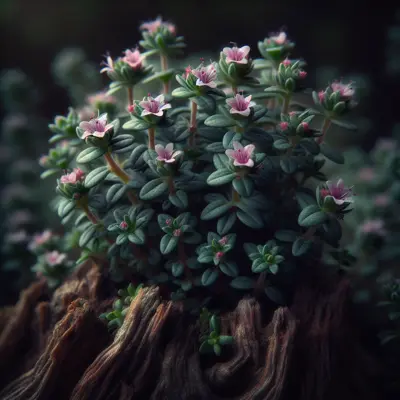
Common Thyme is a compact, woody perennial herb with tiny, narrow green leaves and delicate pink or purple flowers. Reaching maturity in 90-95 days, it becomes a robust ground cover perfect for edging and containers. This Mediterranean native thrives in poor, well-drained soil and is remarkably cold-hardy. Its earthy, minty flavor with warm, pungent undertones makes it essential for cooking—particularly valued in French cuisine and Mediterranean dishes. More cold-tolerant than most culinary herbs, Common Thyme delivers consistent flavor year-round and rarely suffers from serious pest issues.
Harvest
90-95d
Days to harvest
Sun
Full sun
Zones
5–9
USDA hardiness
Height
6-12 inches
Planting Timeline
Showing dates for Common Thyme in USDA Zone 7
All Zone 7 herb →Zone Map
Click a state to update dates
Common Thyme · Zones 5–9
Growing Details
Complete Growing Guide
Light: Full sun (6 or more hours of direct sunlight a day). Soil: Loam (Silt), Sand, Shallow Rocky. Soil pH: Alkaline (>8.0), Neutral (6.0-8.0). Drainage: Good Drainage, Moist, Occasionally Dry. Height: 0 ft. 6 in. - 1 ft. 0 in.. Spread: 0 ft. 6 in. - 1 ft. 4 in.. Spacing: 12 inches-3 feet. Growth rate: Medium. Maintenance: Low. Propagation: Division, Layering, Seed, Stem Cutting.
Harvesting
The fruit is a schizocarp and has four locules or small separate cavities. When the fruit dries, it will split into four sections. Each section contains one or more seeds.
Color: Brown/Copper. Type: Schizocarp. Length: < 1 inch. Width: < 1 inch.
Harvest time: Fall
Edibility: The leaves are used fresh or dried to flavor soups, stews, sauces, meats, or fish. It is a native Mediterranean herb that was cultivated as a culinary herb.
Storage & Preservation
Fresh thyme keeps best stored like cut flowers—trim stem ends and place in a glass of water, then cover loosely with a plastic bag and refrigerate. It will stay fresh for 10-14 days this way, much longer than wrapped in paper towels.
For drying, bundle small stems together and hang in a warm, dry, dark location with good air circulation. Thyme dries quickly, usually within a week. Once crisp, strip leaves from stems and store in airtight containers away from light. Properly dried thyme retains excellent flavor for 2-3 years.
Freeze whole sprigs in ice cube trays covered with olive oil for convenient cooking portions. You can also freeze clean, dry leaves in small containers—frozen thyme works beautifully in cooked dishes, though the texture becomes soft when thawed. Thyme makes excellent herb salt when mixed with coarse sea salt and dried thoroughly.
History & Origin
Origin: Southwestern Europe and Southeastern Italy
Advantages
- +Attracts: Bees, Butterflies, Pollinators
- +Edible: The leaves are used fresh or dried to flavor soups, stews, sauces, meats, or fish. It is a native Mediterranean herb that was cultivated as a culinary herb.
- +Low maintenance
Companion Plants
Rosemary and lavender are the most practical neighbors for thyme — all three want lean, well-drained soil and full sun, so grouping them means you're not fighting yourself on irrigation, and around here in zone 7 Georgia that shared drought tolerance pays off by mid-July. Thyme near cabbage, broccoli, and potatoes is worth doing: the volatile thymol and carvacrol compounds in the foliage interfere with the host-finding behavior of cabbage loopers and Colorado potato beetles, making the whole block harder to locate. Skip cucumbers and basil as neighbors — cucumbers want consistently moist soil that will rot thyme's crown, and basil pushes for fertility and water that thyme flat-out doesn't need.
Plant Together
Rosemary
Similar growing conditions and both repel cabbage moths and carrot flies
Cabbage
Thyme repels cabbage worms, flea beetles, and other brassica pests
Tomatoes
Thyme repels tomato hornworms and may improve tomato flavor
Strawberries
Thyme deters ants and other pests that damage strawberry plants
Eggplant
Helps repel flea beetles and other pests that commonly attack eggplant
Potatoes
Thyme repels potato beetles and wireworms
Lavender
Similar Mediterranean growing conditions and both attract beneficial pollinators
Broccoli
Repels cabbage loopers, aphids, and other brassica pests
Keep Apart
Cucumber
Thyme's strong oils may inhibit cucumber growth and development
Basil
May compete for nutrients and thyme's woody growth can overshadow basil
Cilantro
Different water and soil requirements, thyme may stunt cilantro growth
Nutrition Facts
Per 100g serving. % Daily Value based on 2,000 calorie diet. Source: USDA FoodData Central (FDC #173470)
Pests & Disease Resistance
Resistance
Very disease resistant when grown in well-drained conditions
Common Pests
Spider mites, aphids (rarely serious problems)
Diseases
Root rot in poorly drained soils, botrytis in humid conditions
Troubleshooting Common Thyme
What you'll see, why it happens, and what to do about it.
Stems turning brown and mushy at the base, plant wilting despite moist soil
Likely Causes
- Root rot from Pythium or Phytophthora spp. — almost always triggered by poor drainage or overwatering
- Heavy clay soil holding water around the crown after rain
What to Do
- 1.Pull the plant and check the roots — if they're brown and slimy rather than white and firm, the rot is advanced; cut your losses and replant in a raised bed or container with well-draining mix
- 2.Amend beds with coarse sand or perlite before replanting; thyme tolerates soil pH anywhere from 6.0 to 8.0 and does better in lean, gritty soil than in anything that stays wet
- 3.Water only when the top inch of soil is dry — once established, thyme needs almost no supplemental irrigation through a normal summer
Gray fuzzy coating on stems and leaves, especially after a stretch of cool, wet weather
Likely Causes
- Botrytis cinerea (gray mold) — thrives in humid, low-airflow conditions
- Overcrowded planting below 9 inches of spacing, or dense mulch piled against the crown
What to Do
- 1.Cut back affected stems 3–4 inches into clean, healthy tissue and throw the clippings in the trash, not the compost
- 2.NC State Extension's herb guidance points to ample air circulation as one of the best defenses outdoors; space plants 9–12 inches apart and keep any mulch 1–2 inches back from the main stems
- 3.Do a hard trim after the first harvest flush each season — opening up the canopy drops the humid microclimate that Botrytis needs to take hold
Frequently Asked Questions
How long does common thyme take to grow from seed?▼
Can you grow common thyme in containers?▼
What does common thyme taste like compared to other varieties?▼
When should I plant common thyme in my garden?▼
Is common thyme good for beginner gardeners?▼
How do you keep common thyme from getting woody?▼
Zone-by-Zone Planting Calendar
Growing Guides from Wind River Greens
Sources & References
External authority sources used in compiling this guide.
- ExtensionNC State Extension
- USDAUSDA FoodData Central
See the Methodology page for how this data is sourced, what's AI-assisted, and known limitations.