French Tarragon
Artemisia dracunculus var. sativa
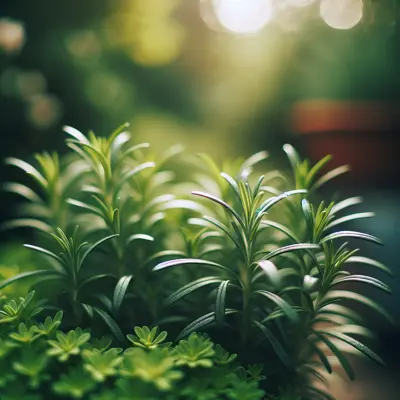
The aristocrat of culinary herbs, true French tarragon is essential for classic French cuisine with its distinctive anise-like flavor and sophisticated aroma. Unlike Russian tarragon, this sterile variety must be grown from cuttings and offers incomparably superior flavor. A must-have for serious cooks who want to create authentic béarnaise sauce and fine herb blends.
Harvest
60-90d
Days to harvest
Sun
Full sun
Zones
3–8
USDA hardiness
Height
1-3 feet
Planting Timeline
Showing dates for French Tarragon in USDA Zone 7
All Zone 7 herb →Zone Map
Click a state to update dates
French Tarragon · Zones 3–8
Growing Details
Complete Growing Guide
Light: Full sun (6 or more hours of direct sunlight a day). Soil: High Organic Matter, Loam (Silt), Sand. Soil pH: Neutral (6.0-8.0). Drainage: Good Drainage, Very Dry. Height: 1 ft. 0 in. - 3 ft. 0 in.. Spread: 1 ft. 0 in. - 1 ft. 6 in.. Spacing: 12 inches-3 feet. Growth rate: Medium. Maintenance: Medium. Propagation: Division, Root Cutting, Stem Cutting. Regions: Coastal, Mountains, Piedmont.
Harvesting
Edibility: Leaves and seeds
Storage & Preservation
Fresh French tarragon stems keep best stored like cut flowers – trim stem ends and place in water, cover leaves loosely with plastic, and refrigerate for 7-10 days. Alternatively, wrap stems in damp paper towels inside plastic bags.
For drying, hang small bundles in a dark, well-ventilated area at 70-80°F. French tarragon retains more flavor when dried quickly at low heat (95°F) in a dehydrator rather than air-drying. Store dried leaves whole in airtight containers away from light.
Freezing works exceptionally well – pack clean leaves in ice cube trays with water or olive oil for easy portioning. French tarragon vinegar captures the herb's essence beautifully: pack fresh stems in white wine vinegar and steep for 2-4 weeks. The preserved herb maintains its distinctive anise notes better than most herbs when properly processed.
History & Origin
Origin: Temperate Europe and Asia, central-western North America
Advantages
- +Edible: Leaves and seeds
Considerations
- -Toxic (Bark, Flowers, Fruits, Leaves, Roots, Seeds, Stems): Low severity
- -Causes contact dermatitis
Companion Plants
Nightshades — tomatoes, peppers, eggplant — are the strongest pairing here. Tarragon is said to deter aphids and two-spotted spider mites, and since both pests hit nightshades hard anyway, slipping a tarragon plant 18 inches from a tomato cage costs you almost nothing in bed space. Cabbage family crops get similar mileage, with tarragon's volatile oils potentially disrupting the host-finding behavior of imported cabbageworm moths (Pieris rapae). Skip fennel — it's broadly allelopathic and suppresses most plants within a few feet, tarragon included — and keep mint at least 3 feet back, since it spreads by rhizome and will crowd out tarragon's root zone within a single season.
Plant Together
Tomatoes
Tarragon repels tomato hornworms and other pests while improving tomato flavor
Peppers
Tarragon deters aphids and spider mites that commonly attack pepper plants
Eggplant
Helps repel flea beetles and other pests that damage eggplant foliage
Cabbage
Tarragon repels cabbage worms and cabbage loopers while attracting beneficial insects
Broccoli
Deters cabbage moths and imported cabbage worms that damage brassicas
Parsley
Both herbs have similar growing requirements and tarragon helps repel carrot flies
Chives
Complementary pest control as chives repel aphids while tarragon deters other insects
Marigolds
Both plants repel nematodes and various garden pests when grown together
Keep Apart
Fennel
Inhibits tarragon growth through allelopathic compounds and competes for nutrients
Mint
Aggressive spreader that can overwhelm tarragon and alter soil conditions
Black Walnut
Produces juglone toxin that is harmful to tarragon and most other herbs
Nutrition Facts
Per 100g serving. % Daily Value based on 2,000 calorie diet. Source: USDA FoodData Central (FDC #170937)
Pests & Disease Resistance
Resistance
Generally disease resistant when grown in well-drained soil
Common Pests
Spider mites, aphids, root rot in wet conditions
Diseases
Root rot, powdery mildew in humid conditions
Troubleshooting French Tarragon
What you'll see, why it happens, and what to do about it.
Leaves developing white, powdery coating, usually in midsummer when nights are warm and humid
Likely Causes
- Powdery mildew — a fungal infection that thrives when air circulation is poor and humidity is high
- Plants spaced too close together (under 18 inches), preventing foliage from drying out between dews
What to Do
- 1.Cut affected stems back hard — tarragon regrows quickly — and trash the clippings, don't compost them
- 2.Thin the clump if it has spread beyond 24 inches wide; open the center up so air moves through
- 3.Water at the base rather than overhead to keep foliage dry between waterings
Stems wilting and collapsing at the base, roots turning brown or black, often after a wet stretch
Likely Causes
- Root rot — most commonly Pythium or Phytophthora species — triggered by waterlogged soil
- Heavy clay soil or a low spot that holds water after rain
What to Do
- 1.Dig the plant, cut away all blackened roots with clean shears, and let the root ball air out for an hour before replanting
- 2.Relocate to a raised bed — even 6 inches of elevation makes a real difference in drainage
- 3.Amend the planting hole with coarse sand or perlite; NC State Extension notes that excellent drainage is non-negotiable for Mediterranean herbs like tarragon
Foliage stippled with tiny pale dots, fine webbing visible on undersides of leaves in hot, dry weather
Likely Causes
- Two-spotted spider mites (Tetranychus urticae) — populations can double in under a week once temperatures climb above 85°F
- Dusty conditions or plants stressed from under-watering, which speed mite spread
What to Do
- 1.Blast the undersides of leaves with a firm jet of water three mornings in a row — this physically removes mites and eggs
- 2.For a heavy infestation, apply insecticidal soap directly to leaf undersides; NC State Extension confirms it's appropriate for mite outbreaks on culinary herbs where traditional pesticides aren't labeled
- 3.Back off nitrogen fertilizer — soft, lush growth is exactly what mites prefer
Frequently Asked Questions
Can you grow French tarragon from seeds?▼
What's the difference between French and Russian tarragon?▼
How long does French tarragon take to grow?▼
Can you grow French tarragon in containers?▼
Is French tarragon good for beginners?▼
When should I plant French tarragon?▼
Zone-by-Zone Planting Calendar
| Zone | Indoor Start | Transplant | Direct Sow | Harvest |
|---|---|---|---|---|
| Zone 3 | April – May | June – July | — | July – October |
| Zone 4 | March – April | June – July | — | July – October |
| Zone 5 | March – April | May – June | — | June – October |
| Zone 6 | March – April | May – June | — | June – November |
| Zone 7 | February – March | April – June | — | June – November |
| Zone 8 | February – March | April – May | — | May – December |
Growing Guides from Wind River Greens
Sources & References
External authority sources used in compiling this guide.
- ExtensionNC State Extension
- USDAUSDA FoodData Central
See the Methodology page for how this data is sourced, what's AI-assisted, and known limitations.