German Thyme
Thymus vulgaris
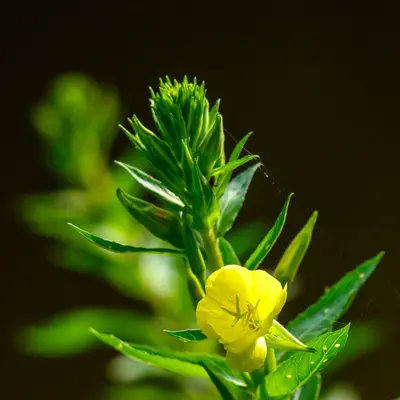
German Thyme is a classic heirloom herb variety prized for its robust, earthy flavor profile with subtle hints of mint, clove, and camphor. This hardy perennial produces fine, needle-like foliage on compact woody stems and reaches maturity in 90-95 days. A defining characteristic is its exceptional cold hardiness and ability to thrive in poor, sandy, or rocky soils with minimal care. Its strong, complex flavor makes it particularly valuable for culinary applications in soups, stews, roasted vegetables, and herbal tea blends. Generally pest-resistant, though spider mites may appear in intense heat.
Harvest
90-95d
Days to harvest
Sun
Full sun
Zones
5–9
USDA hardiness
Height
6-12 inches
Planting Timeline
Showing dates for German Thyme in USDA Zone 7
All Zone 7 herb →Zone Map
Click a state to update dates
German Thyme · Zones 5–9
Growing Details
Complete Growing Guide
German Thyme thrives when given full sun (six to eight hours daily) and well-draining soil, as this cultivar is particularly susceptible to root rot in waterlogged conditions. Unlike tender thyme varieties, this robust perennial tolerates cold winters in Zones 5-8, though applying mulch in late fall prevents heaving in areas with freeze-thaw cycles. Start seeds indoors eight to ten weeks before your last frost, as the 90-95 day timeline accounts for slow germination and establishment. This cultivar rarely bolts and resists common pests when properly sited, but spider mites may appear in hot, dry conditions—mist plants occasionally to deter them. Prune German Thyme in early spring before new growth emerges to maintain compact branching and prevent the woody, leggy appearance that develops without regular cutting. Harvest leaves regularly starting mid-season; consistent harvesting encourages denser growth and maximizes the strong, complex flavor this variety is prized for.
Light: Full sun (6 or more hours of direct sunlight a day). Soil: Loam (Silt), Sand, Shallow Rocky. Soil pH: Alkaline (>8.0), Neutral (6.0-8.0). Drainage: Good Drainage, Moist, Occasionally Dry. Height: 0 ft. 6 in. - 1 ft. 0 in.. Spread: 0 ft. 6 in. - 1 ft. 4 in.. Spacing: 12 inches-3 feet. Growth rate: Medium. Maintenance: Low. Propagation: Division, Layering, Seed, Stem Cutting.
Harvesting
Harvest German Thyme when the plant reaches 6 to 8 inches tall and the small needle-shaped leaves display their characteristic deep green color with a slightly waxy feel. The woody stems should be firm but still pliable, indicating optimal oil content for flavor. For continuous harvesting, pinch off the top one-third of stems regularly throughout the growing season rather than cutting the entire plant at once; this encourages bushier growth and prolongs productivity. Begin harvesting in early morning after dew dries but before heat develops, as this timing captures maximum essential oils. A single hard cutback in late spring yields substantial harvests, while lighter, frequent harvests maintain the plant's ornamental appeal and extend the season.
The fruit is a schizocarp and has four locules or small separate cavities. When the fruit dries, it will split into four sections. Each section contains one or more seeds.
Color: Brown/Copper. Type: Schizocarp. Length: < 1 inch. Width: < 1 inch.
Harvest time: Fall
Edibility: The leaves are used fresh or dried to flavor soups, stews, sauces, meats, or fish. It is a native Mediterranean herb that was cultivated as a culinary herb.
Storage & Preservation
Fresh German Thyme stems store best wrapped in barely damp paper towels and refrigerated in a plastic bag for up to two weeks. For optimal flavor retention, avoid washing until ready to use, as moisture accelerates deterioration.
Drying is the preferred preservation method for German Thyme, as it concentrates the earthy, camphor-like flavors. Bundle 6-8 stems and hang in a warm, dry, well-ventilated area away from direct sunlight for 7-10 days. Properly dried thyme should crumble easily and retain its green color. Strip leaves from stems and store in airtight containers for up to two years.
Freezing works well for cooking applications—strip leaves from stems, chop finely, and freeze in ice cube trays with olive oil or water. Frozen herb cubes maintain flavor for 6-8 months and can be added directly to soups, stews, and roasted dishes without thawing.
History & Origin
German Thyme represents a selection within the common thyme lineage (Thymus vulgaris) that emerged from European cultivation traditions, particularly in German-speaking regions where thyme has been cultivated for centuries as both a culinary and medicinal herb. While specific breeder documentation or introduction date is not readily available in horticultural records, this variety reflects the outcome of generations of folk selection for vigor, yield, and robust flavor characteristics valued in German cooking. The variety's strong, complex profile and heavily branched growth habit suggest deliberate selection for commercial cultivation, though its exact origins within German seed-growing or farming traditions remain undocumented in modern breeding literature.
Origin: Southwestern Europe and Southeastern Italy
Advantages
- +High-yielding, robust plants with heavy branching ideal for regular harvesting
- +Complex flavor profile with pine and citrus notes enhances diverse culinary dishes
- +Hardy perennial surviving zones 5-8 with minimal winter protection needed
- +Easy to grow with generally low pest and disease susceptibility
- +Ornamental edible flowers add visual appeal to salads and potato dishes
Considerations
- -Requires well-draining soil; susceptible to root rot with overwatering
- -Spider mites become problematic during hot weather requiring management
- -Woody stems become thick and less tender as plants mature
- -Needs mulching protection in cold climates below zone 5 for survival
Companion Plants
Thyme does real work near brassicas — cabbage especially — because its volatile oils, primarily thymol and carvacrol, interfere with the host-finding behavior of imported cabbageworm moths. Tomatoes and eggplant get a similar benefit: thyme planted at the bed edge appears to deter flea beetles and aphids without competing for root space, since it stays 6-12 inches tall and doesn't shade anything out. Lavender and rosemary make good neighbors simply because they share the same cultural requirements — full sun, low water, pH tolerance up to 8.0 — so one irrigation schedule works for all three without anyone getting drowned or starved.
Mint needs its own bed, full stop. It spreads by rhizome and will physically bulldoze thyme out within a single growing season in zone 7 Georgia. Cucumber is a poor match for a different reason: cucumbers want consistent moisture and heavier mulch, which creates the wet-soil conditions that cause thyme crown rot. Cilantro bolts fast in summer heat and just competes for light — nothing exchanged, nothing gained.
Plant Together
Cabbage
Thyme repels cabbage worms and flea beetles that damage brassicas
Tomatoes
Thyme deters tomato hornworms and may improve tomato flavor
Eggplant
Helps repel flea beetles and other pests that attack eggplant
Strawberries
Thyme enhances strawberry flavor and repels harmful insects
Lavender
Both herbs have similar growing requirements and attract beneficial pollinators
Rosemary
Compatible Mediterranean herbs with similar water and soil needs
Carrots
Thyme helps deter carrot flies and other root vegetable pests
Beans
Thyme repels bean beetles and other legume pests
Keep Apart
Cucumber
Thyme's strong oils may inhibit cucumber growth and development
Mint
Aggressive mint can overwhelm thyme and compete for nutrients
Cilantro
Different water requirements and cilantro may bolt quickly near aromatic thyme
Nutrition Facts
Per 100g serving. % Daily Value based on 2,000 calorie diet. Source: USDA FoodData Central (FDC #173470)
Pests & Disease Resistance
Resistance
Excellent disease resistance, very hardy and low maintenance
Common Pests
Spider mites in hot weather, generally pest resistant
Diseases
Root rot if overwatered, generally disease resistant
Troubleshooting German Thyme
What you'll see, why it happens, and what to do about it.
Stems turning brown and mushy at the soil line, lower leaves yellowing and dropping
Likely Causes
- Root rot from overwatering or poor drainage — thyme's native Mediterranean soil is dry and rocky, not clay
- Pythium or Phytophthora spp. moving in once roots are already stressed by standing water
What to Do
- 1.Pull the plant and inspect the roots — if they're brown and slimy past the crown, the plant is done; remove it entirely
- 2.Amend the bed with coarse sand or fine gravel before replanting to open up drainage
- 3.Water only when the top inch of soil is completely dry; in Georgia's humid summers, established thyme often needs zero supplemental irrigation
Fine webbing on stems and undersides of leaves, tiny bronze stippling on foliage, appearing in July or August
Likely Causes
- Two-spotted spider mites (Tetranychus urticae) — populations spike in hot, dry weather above 90°F
- Dusty conditions around the plant, which mites actively prefer
What to Do
- 1.Knock mites off with a strong jet of water directed at leaf undersides — do this in the morning so foliage dries before evening
- 2.For heavy infestations, apply insecticidal soap directly to the undersides of leaves; NC State Extension notes insecticidal soap is appropriate for severe mite outbreaks on herbs
- 3.Skip broad-spectrum pesticides — they eliminate the predatory mites that naturally suppress populations, and traditional pesticides aren't labeled for culinary herbs anyway
Woody, sprawling stems with sparse new growth, plant looking exhausted after 2-3 years
Likely Causes
- Normal lignification — thyme becomes a woody subshrub with age and will exhaust itself if never cut back
- Lack of hard annual pruning, allowing dead wood to accumulate in the plant's center
What to Do
- 1.Cut the plant back by about one-third in early spring before new growth flushes — don't cut into completely bare wood below the green
- 2.Take 3-4 inch stem cuttings in June, root them in a small pot of gritty mix, and plan to replace the mother plant every 3 years
- 3.Top-dress with 1 inch of compost after pruning to push the flush of new growth
Seeds sown indoors in February failing to germinate after 21 days, or germinating very sparsely
Likely Causes
- Soil temperature too low — thyme germinates best at 65-70°F, and a cold windowsill in February often runs 55-58°F
- Seeds buried too deep — thyme needs light to germinate and should barely be pressed into the surface
What to Do
- 1.Use a heat mat set to 68°F and verify with a soil thermometer, not an air thermometer
- 2.Press seeds onto the surface of the germination mix and mist; don't cover with more than 1/8 inch of medium
- 3.Germination takes 14-21 days even under ideal conditions — don't toss the flat before day 21
Frequently Asked Questions
How long does German Thyme take to grow from seed?▼
Can you grow German Thyme in containers?▼
What does German Thyme taste like compared to regular thyme?▼
When should I plant German Thyme in my garden?▼
Is German Thyme good for beginners?▼
How do I prevent German Thyme from getting woody?▼
Zone-by-Zone Planting Calendar
Growing Guides from Wind River Greens
Sources & References
External authority sources used in compiling this guide.
See the Methodology page for how this data is sourced, what's AI-assisted, and known limitations.