Chocolate Basil
Helianthus annuus
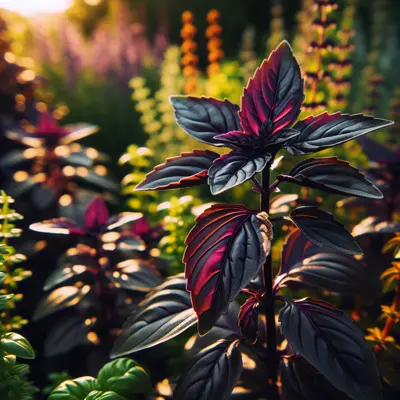
Chocolate Basil is a heirloom herb variety known for its distinctive dark purple-tinged leaves and rich, complex flavor profile. Maturing in 65-75 days, this basil combines traditional sweet basil character with pronounced chocolate, cinnamon, and warm spice notes that become more pronounced as the plant matures. The foliage is dense and aromatic, ideal for culinary applications where its unique flavor complexity elevates dishes, teas, and infusions. Best grown in full sun with rich, well-drained soil, this easy-to-grow variety is prized by gardeners seeking distinctive flavor experiences beyond standard basil varieties.
Harvest
65-75d
Days to harvest
Sun
Full sun
Zones
2–11
USDA hardiness
Height
1-10 feet
Planting Timeline
Showing dates for Chocolate Basil in USDA Zone 7
All Zone 7 herb →Zone Map
Click a state to update dates
Chocolate Basil · Zones 2–11
Growing Details
Succession Planting
Chocolate basil produces continuously once established, but individual plants decline quickly after they bolt — typically somewhere between 65 and 75 days from transplant, sooner if daytime temperatures stay above 85°F. To keep a steady supply, start transplants indoors every 3–4 weeks from February through March, then continue setting out new plants every 3 weeks from April through late June. A transplant put in the ground in late June will carry through to October in zone 7 before frost ends it.
Once flower spikes appear, pinch them off immediately — that buys another 2–3 weeks of leaf production. If a plant bolts fully before you catch it, pull it and put your next succession in that gap rather than trying to salvage a plant that's already gone to seed.
Complete Growing Guide
Chocolate Basil performs best when direct sown into the garden after all danger of frost has passed and soil temperatures consistently reach 50°F or above. In most regions, this means planting in late spring, typically 1-2 weeks after your last frost date. If you prefer earlier blooms, start seeds indoors 6-8 weeks before your anticipated transplant date, though direct sowing often produces sturdier plants. The seeds are large enough to handle easily, so sow them directly where you want them to grow, pressing them gently into the soil surface since they require light to germinate.
Space Chocolate Basil plants 12-18 inches apart to allow adequate air circulation, which becomes critical given this variety's susceptibility to downy mildew and bacterial leaf spot. Prepare soil that drains well and is enriched with compost or aged manure; these sunflowers appreciate organic matter but don't demand heavy feeding. Sow seeds ¼ inch deep, and thin seedlings once they develop their first true leaves. Given the variable height range of 1-10 feet for this variety, provide sturdy support stakes or cages early in the season, especially if you're growing the taller specimens for cut flowers.
Water deeply and consistently, aiming for about 1 inch per week through drip irrigation or soaker hoses rather than overhead watering. Overhead moisture dramatically increases disease risk for Chocolate Basil, particularly in humid climates. Once plants are established, reduce watering frequency slightly but maintain consistent moisture during the flowering phase. Feed monthly with a balanced, slow-release fertilizer, or apply compost tea every 3-4 weeks; excessive nitrogen encourages leafy growth at the expense of the striking 4-6 inch flowers you're growing this variety for.
Monitor closely for aphids and spider mites, which appear as tiny clusters on stems and undersides of leaves—both can severely damage the delicate striped undersides of Chocolate Basil's petals. Japanese beetles also target this variety; hand-pick during early morning hours or use netting if infestations are severe. Watch for the early signs of fusarium wilt, which causes sudden wilting despite adequate water, and bacterial leaf spot, appearing as small dark lesions with yellow halos. Remove affected foliage immediately and improve air circulation by pruning lower leaves on crowded plants.
The most common mistake gardeners make with Chocolate Basil is expecting it to thrive in partial shade. This variety demands a minimum of 6-8 hours of direct, unobstructed sunlight daily to develop the rich brown tones and vibrant yellow striping that make it special. Less light produces pale, muddy flowers and weak, leggy growth. Plant in your sunniest available location, and your Chocolate Basil will reward you with stunning blooms perfect for bouquets while simultaneously feeding pollinators throughout mid and late summer.
Harvesting
Harvest Chocolate Basil sunflowers when the rich brown petal tops begin to fade slightly and feel papery to the touch, while the striped yellow undersides darken to a golden hue. The flower head should feel firm but not brittle, and the back of the bloom will display a brownish-green color when fully mature. For continuous blooms throughout the season, deadhead spent flowers regularly to encourage additional branching and flowering; alternatively, allow select flowers to mature fully if you wish to collect seeds for next year's planting. Timing your harvest in early morning after the dew dries ensures the longest vase life and helps preserve the delicate striped petal markings that make this cultivar distinctive.
Seeds are ovoid and somewhat flattened
Color: Black, Brown/Copper. Type: Achene. Length: < 1 inch. Width: < 1 inch.
Garden value: Edible
Harvest time: Fall
Edibility: Seeds are used for cooking oil, livestock feed, and as a snack food or garnish. Petals are edible and young flower buds can be steamed like artichokes.
Storage & Preservation
Fresh chocolate basil leaves maintain peak flavor when stored with stems in water at room temperature, covered with a plastic bag, lasting 5-7 days. For refrigerated storage, wrap gently in slightly damp paper towels inside a plastic bag for up to one week, though cold temperatures may diminish the delicate chocolate notes.
For long-term preservation, freezing in olive oil maintains the best flavor profile – puree clean leaves with oil and freeze in ice cube trays. The chocolate and spice compounds preserve exceptionally well this way. Alternatively, dry leaves at low temperature (95-105°F) in a dehydrator or hang bundles in a dark, well-ventilated area. Properly dried chocolate basil retains its unique flavor for 6-12 months when stored in airtight containers. Avoid traditional herb drying methods that use high heat, as they'll destroy the volatile oils that create this variety's signature chocolate essence.
History & Origin
The origin of Chocolate Basil remains largely undocumented in commercial seed literature, though it appears to represent a modern ornamental sunflower selection developed within the broader breeding work on dual-purpose varieties that combine visual appeal with culinary or foraging attributes. The variety likely emerged from crosses within Helianthus annuus breeding programs focused on unique petal coloration and flavor profiles, possibly from independent seed companies or hobby breeders experimenting with heirloom sunflower genetics during the early 2000s craft gardening revival. Its specific parentage and initial breeder have not been formally recorded in available horticultural databases, reflecting the common practice of small-scale ornamental sunflower development occurring outside major institutional breeding programs.
Origin: Western United States
Advantages
- +Striking bicolor flowers with rich brown tops and yellow striped undersides create visual interest
- +Medium stem length of 10-24 inches ideal for both garden borders and cut arrangements
- +Unique chocolate-cinnamon-spice flavor profile distinguishes it from standard basil varieties
- +Attracts pollinators with abundant pollen, benefiting the broader garden ecosystem
- +Relatively quick 65-75 day maturity allows multiple plantings per growing season
Considerations
- -Susceptible to multiple pests including aphids, spider mites, and Japanese beetles requiring management
- -Vulnerable to serious diseases like Fusarium wilt and downy mildew in humid conditions
- -Bacterial leaf spot can spread quickly in wet weather or with overhead watering
Companion Plants
Tomatoes and peppers make sense right next to chocolate basil because all three share the same basic requirements — full sun, moderate and consistent water, and a soil pH between 6.0 and 7.0. You're not making any compromises for one at the expense of another. French marigolds (Tagetes patula) pull their weight by suppressing soil nematodes; NC State Extension recommends solid plantings of them in beds that have had nematode pressure, and they double as a trap crop that pulls aphids away from the basil. Carrots and parsley stay low enough that they don't shade the basil or block the airflow it needs to keep Peronospora belbahrii at bay.
Fennel is the real problem neighbor. It releases allelopathic compounds from its roots that stunt plants within a few feet, and basil shows the effects noticeably — stunted stems, poor leaf output. Give fennel its own isolated spot at least 4 feet away, or just keep it in a container entirely. Sage and rue have similar suppressive tendencies in close quarters and are worth keeping on the other side of the garden from any basil planting.
Plant Together
Tomatoes
Basil repels tomato hornworms and aphids, may enhance tomato flavor
Peppers
Basil deters aphids, spider mites, and thrips that commonly attack peppers
Oregano
Both herbs have similar growing requirements and repel similar pests
Lettuce
Basil provides light shade for lettuce and repels aphids and slugs
Marigolds
Both repel nematodes and aphids, creating a strong pest deterrent combination
Parsley
Compatible growth habits and both attract beneficial insects like hoverflies
Carrots
Basil helps repel carrot flies while carrots don't compete for nutrients
Asparagus
Basil repels asparagus beetles and both have non-competing root systems
Keep Apart
Sage
Both compete for similar nutrients and sage may inhibit basil's growth
Rue
Allelopathic plant that inhibits growth of basil and most herbs
Fennel
Inhibits growth of most garden plants including basil through allelopathy
Nutrition Facts
Per 100g serving. % Daily Value based on 2,000 calorie diet. Source: USDA FoodData Central (FDC #172232)
Pests & Disease Resistance
Resistance
Good resistance to common basil diseases
Common Pests
Aphids, spider mites, Japanese beetles
Diseases
Fusarium wilt, downy mildew, bacterial leaf spot
Troubleshooting Chocolate Basil
What you'll see, why it happens, and what to do about it.
Gray-purple fuzz on the underside of leaves, with yellowing on the upper surface — can appear fast once humidity climbs
Likely Causes
- Downy mildew (Peronospora belbahrii) — a fungus-like oomycete that spreads by airborne spores and thrives in humid, warm nights
- Overcrowded planting that traps moisture against the foliage
What to Do
- 1.Pull and bag affected plants immediately — don't compost them; downy mildew on basil moves fast and there's no good chemical fix once it's established
- 2.Space transplants at least 12 inches apart and water at the base, not overhead
- 3.For future beds, choose varieties bred for resistance, like 'Amazel' or 'Rutgers Devotion', which tolerate Peronospora belbahrii far better than standard sweet basil types
Plant wilts suddenly from the base up, leaves stay green at first, then collapse — even with adequate soil moisture
Likely Causes
- Fusarium wilt (Fusarium oxysporum f. sp. basilici) — a soilborne fungus that plugs vascular tissue; once present in the soil it persists for years
- Planting basil repeatedly in the same bed without rotating to a non-host crop
What to Do
- 1.Remove and trash the entire plant, roots included — don't leave stumps in the ground
- 2.Avoid putting basil or other susceptible herbs back in that bed for at least 3 seasons
- 3.Solarize the affected area over a full summer — clear plastic sheating held tight to the soil for 6–8 weeks can reduce pathogen load before you replant
New growth cupping or distorting, with small soft-bodied insects clustered on stem tips and leaf undersides
Likely Causes
- Aphid infestation (commonly Myzus persicae or Aphis gossypii) — they pile onto tender growth and can vector mosaic viruses as a secondary problem
- Excess nitrogen pushing out soft, fast growth that aphids find irresistible
What to Do
- 1.Knock them off with a hard spray of water directly at the colonies; repeat every 2–3 days until numbers drop
- 2.If water alone hasn't worked after a week, apply insecticidal soap to the undersides of leaves — coverage matters more than volume
- 3.Switch from a high-nitrogen fertilizer to a side-dressing of balanced compost; slower growth is less attractive to aphids
Frequently Asked Questions
How long does chocolate basil take to grow from seed?▼
What does chocolate basil actually taste like?▼
Can you grow chocolate basil in containers?▼
Is chocolate basil good for beginners?▼
When should I plant chocolate basil in my garden?▼
Chocolate basil vs sweet basil - what's the difference?▼
Zone-by-Zone Planting Calendar
| Zone | Indoor Start | Transplant | Direct Sow | Harvest |
|---|---|---|---|---|
| Zone 2 | April – May | June – August | — | August – September |
| Zone 11 | January – January | January – March | — | March – December |
| Zone 3 | April – May | June – July | — | July – October |
| Zone 4 | March – April | June – July | — | July – October |
| Zone 5 | March – April | May – June | — | June – October |
| Zone 6 | March – April | May – June | — | June – November |
| Zone 7 | February – March | April – June | — | June – November |
| Zone 8 | February – March | April – May | — | May – December |
| Zone 9 | January – February | March – April | — | April – December |
| Zone 10 | January – January | February – April | — | April – December |
Growing Guides from Wind River Greens
Sources & References
External authority sources used in compiling this guide.
- ExtensionNC State Extension
- USDAUSDA FoodData Central
See the Methodology page for how this data is sourced, what's AI-assisted, and known limitations.