Rosemary
Rosmarinus officinalis
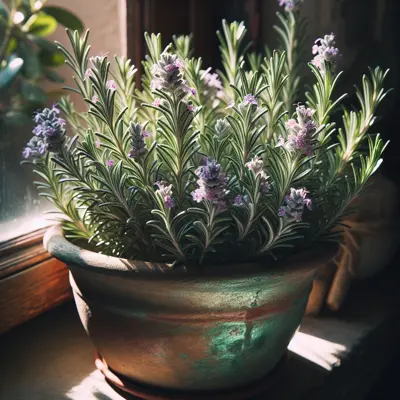
Native to the Mediterranean region, rosemary has silvery needle-like foliage and delicate flowers. Popular for potted plant sales and with chefs. NOTE: Germination is naturally low and variable. Edible Flowers: Although the flowers are small, they have a bold rosemary flavor. They should be used fresh as a garnish for savory dishes and salads, and pairs well with roasted vegetables, fruits, or whipped cream.
Harvest
90-120d
Days to harvest
Sun
Full sun
Zones
6–10
USDA hardiness
Height
5 feet
Planting Timeline
Showing dates for Rosemary in USDA Zone 7
All Zone 7 herb →Zone Map
Click a state to update dates
Rosemary · Zones 6–10
Growing Details
Complete Growing Guide
Select a sunny location with excellent drainage for your rosemary — this Mediterranean native absolutely cannot tolerate waterlogged soil. If you have heavy clay, create raised beds or amend with coarse sand and gravel rather than compost, as rich soil can actually weaken the plant's flavor and cold hardiness. In zones 6-7, plant against a south-facing wall for extra winter protection.
Skip starting from seed unless you enjoy frustration — rosemary seeds have poor germination rates and take months to develop. Instead, purchase nursery plants in spring after your last frost date, or take 4-6 inch cuttings from established plants in late summer. For cuttings, strip the lower leaves, dip in rooting hormone, and plant in sandy potting mix. Keep barely moist until roots develop in 6-8 weeks.
When transplanting, dig holes only as deep as the root ball and twice as wide. Rosemary's roots spread horizontally rather than deep. Space plants 2-3 feet apart, as mature specimens can reach 4 feet wide. Water thoroughly after planting, then back off — overwatering is the fastest way to kill rosemary.
Fertilize sparingly if at all. A light application of balanced fertilizer in early spring is sufficient, but established plants often thrive with no feeding. Rich soil produces lush growth that's less flavorful and more susceptible to winter damage. In containers, use a Mediterranean herb blend potting mix or add extra perlite to regular potting soil.
Prune annually after flowering to maintain shape and prevent woody centers. Never cut back more than one-third of the plant at once, and avoid cutting into old, woody stems as they rarely regenerate. Regular light harvesting serves as pruning and encourages bushy growth.
Common mistakes include overwatering (leads to root rot), planting in rich soil (weakens the plant), and heavy pruning of old wood (stunts growth). In zones 6-7, protect plants with burlap wraps during harsh winters, or grow in containers you can move to an unheated garage.
Harvesting
Begin harvesting rosemary once plants are established and showing vigorous new growth, typically 90-120 days after planting. The best indicator of readiness is when stems are producing fresh, bright green needle-like leaves that spring back when gently pressed.
Harvest in the morning after dew has dried but before the heat of midday, when essential oils are most concentrated. Cut 4-6 inch sprigs from the tips of branches using sharp scissors or pruning shears — never tear or break stems as this can invite disease. Look for young, flexible stems rather than older woody ones, which have less flavor and tougher texture.
Perform the 'snap test' on stems: they should bend but snap cleanly when folded. If stems are too woody to snap easily, move to younger growth. You can harvest rosemary year-round in mild climates, but avoid heavy cutting during winter months when growth slows.
Always cut just above a leaf node or branching point to encourage bushier growth. Take no more than one-third of the plant at any single harvest to maintain plant health and vigor.
Storage & Preservation
Fresh rosemary keeps best stored like cut flowers — place stems in a glass of water and cover loosely with a plastic bag, then refrigerate. This method maintains freshness for 2-3 weeks. Alternatively, wrap sprigs in slightly damp paper towels and store in the refrigerator crisper drawer for up to 10 days.
For drying, hang small bundles in a warm, well-ventilated area away from direct sunlight. Properly dried rosemary retains its potency for up to a year when stored in airtight containers. Strip needles from stems once completely dry and brittle.
Freezing works exceptionally well for rosemary — simply wash and pat dry whole sprigs, then freeze in sealed bags for up to six months. Frozen rosemary can be used directly in cooking without thawing. For herb-infused oils, gently heat olive oil with fresh rosemary sprigs at low temperature for 2-3 hours, then strain. Infused oils should be refrigerated and used within one month for food safety.
History & Origin
Rosemary (Rosmarinus officinalis) traces its origins to the Mediterranean basin, where it has grown wild along rocky coastlines for thousands of years. The name derives from the Latin 'ros marinus,' meaning 'dew of the sea,' reflecting its natural habitat near coastal areas where morning dew provides much of its moisture.
Ancient civilizations revered rosemary for both culinary and medicinal purposes. Greeks and Romans considered it sacred, using it in religious ceremonies and believing it strengthened memory — students would wear rosemary garlands while studying. Egyptian pharaohs were buried with rosemary sprigs to ensure remembrance in the afterlife.
Monks cultivated rosemary in monastery gardens throughout medieval Europe, spreading its use across the continent. By the 14th century, it had become essential in European cuisine and folk medicine. The herb reached the Americas with Spanish and Portuguese colonists, thriving in similar Mediterranean climates like California.
Today's culinary rosemary varieties are selections from wild Mediterranean plants, chosen for their superior flavor, hardiness, or growth habits. While not technically heirloom varieties, some cultivars like 'Arp' and 'Hill Hardy' have been selected for specific traits over decades of cultivation.
Advantages
- +Extremely drought-tolerant once established, requiring minimal watering
- +Naturally pest and disease resistant with few serious problems
- +Provides year-round harvest in zones 8-10, continuous fresh herbs
- +Beautiful ornamental value with fragrant foliage and edible flowers
- +Attracts beneficial pollinators while repelling harmful insects
- +Requires virtually no fertilization, thrives in poor soils
- +Long-lived perennial that improves with age when properly sited
Considerations
- -Extremely sensitive to overwatering and poor drainage, prone to root rot
- -Cannot tolerate freezing temperatures below 20°F without protection
- -Slow to establish from cuttings, requires patience in first year
- -Becomes woody and less productive without regular pruning
- -Seeds are notoriously difficult to germinate and slow to develop
Companion Plants
Rosemary fits naturally with thyme and sage. All three want lean, well-drained soil, full sun, and infrequent water — so planting them together means you're not compromising any of them to satisfy a neighbor with different needs. It also keeps your harvest consolidated, which matters when you're cutting a few sprigs at a time.
The brassica connection is worth taking seriously. Rosemary's volatile oils — primarily borneol and camphor — are thought to interfere with the host-finding behavior of cabbage moths and cabbage loopers, which locate plants primarily by scent. A rosemary plant tucked near broccoli or cabbage won't eliminate pest pressure, but it's a low-effort addition to a diversified planting strategy. Carrots and beans round out the friendly list for practical reasons: carrots forage at a different soil depth than rosemary's woody root system, and beans fix nitrogen rather than competing for it.
Cucumbers, lettuce, and pumpkins are the ones to keep in a separate bed. None of it is chemical incompatibility — it's a watering mismatch. Lettuce wants consistent moisture at around 1 inch per week; rosemary planted nearby will either sit too wet or the lettuce will sit too dry, depending on whose preference wins. That chronic overwatering is exactly the condition that invites Phytophthora root rot. Keep them apart and both crops are easier to manage.
Plant Together
Basil
Repels aphids and whiteflies, complementary water and soil requirements
Thyme
Similar Mediterranean growing conditions, both deter pests like cabbage worms
Sage
Shared preference for well-draining soil and full sun, mutual pest deterrence
Tomatoes
Rosemary repels tomato hornworms and whiteflies that damage tomatoes
Carrots
Rosemary deters carrot flies while carrots don't compete for nutrients
Beans
Beans fix nitrogen in soil while rosemary repels bean beetles
Cabbage
Rosemary repels cabbage moths, cabbage worms, and other brassica pests
Broccoli
Strong scent deters flea beetles and cabbage loopers that attack brassicas
Keep Apart
Cucumber
Rosemary's allelopathic compounds can stunt cucumber growth and development
Lettuce
Rosemary's strong oils and root secretions inhibit lettuce germination and growth
Pumpkin
Competition for space and rosemary's allelopathic effects reduce pumpkin yields
Nutrition Facts
Per 100g serving. % Daily Value based on 2,000 calorie diet. Source: USDA FoodData Central (FDC #173473)
Pests & Disease Resistance
Resistance
Generally disease resistant, good air circulation prevents fungal issues
Common Pests
Spider mites, aphids, scale insects
Diseases
Root rot, powdery mildew in humid conditions
Troubleshooting Rosemary
What you'll see, why it happens, and what to do about it.
Stems blackening at the base, leaves wilting and dropping despite moist soil
Likely Causes
- Root rot (Phytophthora spp. or Pythium spp.) — almost always triggered by waterlogged or poorly drained soil
- Overwatering, especially in heavy clay
What to Do
- 1.Pull the plant and check the roots — black, mushy roots confirm rot; there's no saving a badly affected rosemary, so remove and discard it
- 2.Before replanting, amend the bed with coarse sand or fine gravel to improve drainage, or move to a raised bed or container entirely
- 3.Water only when the top 2 inches of soil are dry; established rosemary in the ground rarely needs supplemental water at all
White powdery coating on leaves and stems, mostly on new growth, appearing after a stretch of humid weather
Likely Causes
- Powdery mildew — several fungal species cause this on rosemary, and high humidity with poor airflow is the main driver
- Crowded planting that traps moisture around the foliage
What to Do
- 1.Prune out affected stems immediately and dispose of them — don't compost
- 2.Space plants at least 18–24 inches apart and switch to drip or soaker hose so foliage stays dry
- 3.A diluted neem oil spray (2 tsp per gallon of water) applied early morning can slow spread, but improving airflow is the fix that actually sticks
Tiny yellow stippling across leaves, fine webbing visible on stem undersides, overall foliage looking dull and washed out
Likely Causes
- Spider mites (Tetranychus urticae) — most common during hot, dry spells when plants are stressed
- Scale insects on woody stems, which appear as small brown or tan bumps and cause similar discoloration
What to Do
- 1.Blast the plant with a strong stream of water — undersides of leaves especially — to knock mites off; repeat every 2–3 days for two weeks
- 2.For scale, scrub affected stems with a soft brush dipped in insecticidal soap solution (1 tbsp per quart of water)
- 3.Check for ant activity on the plant — ants protect aphid colonies from predators and will undermine any treatment; a sticky barrier around the stem base cuts off their access
Frequently Asked Questions
How long does rosemary take to grow from planting?▼
Can you grow rosemary in containers?▼
Is rosemary good for beginner gardeners?▼
When should I plant rosemary?▼
What does fresh rosemary taste like?▼
Why is my rosemary plant dying?▼
Zone-by-Zone Planting Calendar
Growing Guides from Wind River Greens
Sources & References
External authority sources used in compiling this guide.
- BreederJohnny's Selected Seeds
- USDAUSDA FoodData Central
See the Methodology page for how this data is sourced, what's AI-assisted, and known limitations.