Origanum vulgare 'Hot & Spicy'
Origanum vulgare 'Hot & Spicy'
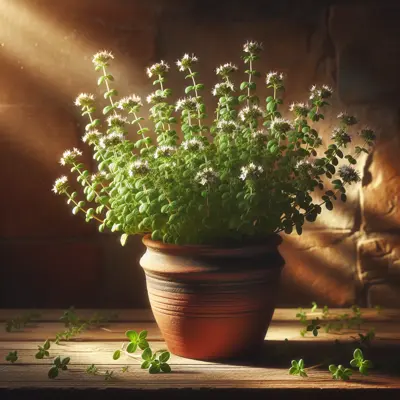
An intensely flavorful oregano variety that delivers exceptional heat and pungency, perfect for pizza sauces, Mediterranean dishes, and spicy cuisine. This vigorous perennial produces abundant small leaves packed with essential oils that far exceed common oregano in both flavor intensity and aromatic qualities. The compact, spreading habit makes it ideal for containers and herb garden borders where its potent fragrance can be easily accessed.
Harvest
60-80d
Days to harvest
Sun
Full sun
Zones
4–10
USDA hardiness
Difficulty
Easy
Planting Timeline
Showing dates for Origanum vulgare 'Hot & Spicy' in USDA Zone 7
All Zone 7 herb →Zone Map
Click a state to update dates
Origanum vulgare 'Hot & Spicy' · Zones 4–10
Growing Details
Succession Planting
Oregano is a perennial in zones 5–10 and keeps producing from the same crown for years, so succession planting doesn't apply. Start one planting — indoors in February or March, transplant out in April once nights reliably stay above 40°F — and harvest from June through November by cutting stems back by about one-third at a time. NC State Extension recommends transplanting oregano rather than direct-seeding it, specifically to ensure you get the right plant with productive growth in the first year.
Complete Growing Guide
This intensely aromatic oregano reaches peak potency around 60-80 days and thrives in full sun with well-draining soil, though it tolerates lighter conditions better than most Mediterranean herbs. Unlike common oregano, 'Hot & Spicy' demands excellent drainage to prevent root rot in humid climates, making container cultivation particularly advantageous. The cultivar's vigor can lead to legginess if not pinched back regularly during the growing season, so begin harvesting tips early and often to maintain compact, bushy growth. Watch for spider mites in dry indoor conditions, as the plant's concentrated essential oils paradoxically attract these pests. For maximum flavor intensity, harvest leaves just as flower buds form rather than waiting until full bloom. A practical tip: propagate from cuttings in early summer to establish backup plants, since this variety occasionally struggles to overwinter in zones below 5 without protection, despite being technically perennial.
Drainage: Good Drainage. Propagation: Division, Leaf Cutting, Root Cutting, Seed. Regions: Coastal, Mountains, Piedmont.
Harvesting
Harvest 'Hot & Spicy' oregano when the small leaves reach full size and display deep green coloration with a slightly waxy appearance, indicating peak oil concentration. Pinch or cut stems just above leaf nodes to encourage bushier growth and continuous production throughout the season rather than attempting a single heavy harvest. For maximum heat and pungency, pick in the morning after dew dries but before midday sun intensifies, as essential oils are most concentrated during early hours. Regular harvesting every two to three weeks promotes vigorous regrowth and prevents flowering, which dilutes the intense flavor profile that makes this cultivar exceptional.
Edibility: Leaves and flowers for tea, flavoring
Storage & Preservation
Fresh 'Hot & Spicy' oregano keeps 7-10 days refrigerated in perforated plastic bags, but its intense oils fade quickly once cut. For immediate use, store stems in water like flowers, covering leaves loosely with plastic.
Drying preserves this variety's heat exceptionally well – hang small bundles in a warm, dark, well-ventilated area for 1-2 weeks until stems snap crisply. Strip leaves from stems and store whole in airtight containers away from light. Properly dried 'Hot & Spicy' oregano maintains potency for 2-3 years.
Freezing works beautifully for this variety – wash, pat dry, and freeze whole sprigs in sealed bags. Frozen leaves crumble easily for cooking. For long-term storage, consider making oregano oil by covering fresh leaves with olive oil and storing refrigerated for up to 6 months.
History & Origin
Origanum vulgare 'Hot & Spicy' represents a modern selection of common oregano developed specifically for gardeners seeking restaurant-quality intensity in their home herb gardens. While the parent species originates from the mountainous regions of Greece and Turkey, where harsh growing conditions naturally concentrate essential oils, this particular cultivar was bred in the late 20th century to replicate those intense flavors under typical garden conditions.
The variety emerged from commercial herb growers' demand for oregano that could compete with expensive imported Mediterranean oregano. Plant breeders selected for plants with exceptionally high levels of carvacrol and thymol – the compounds responsible for oregano's characteristic bite and heat. Unlike many modern varieties bred for appearance or shipping qualities, 'Hot & Spicy' prioritizes flavor above all else.
This selection gained popularity among pizza makers and Italian-American cooks who found common garden oregano lacking the punch needed for authentic sauces. Its development reflects the growing sophistication of American herb gardening and home cooking in recent decades.
Advantages
- +Intensely flavorful oregano variety delivers exceptional heat perfect for spicy Mediterranean dishes
- +Essential oils far exceed common oregano in both flavor intensity and aroma
- +Vigorous perennial produces abundant small leaves with potent fragrance easily accessed
- +Compact spreading habit makes it ideal for containers and herb garden borders
- +Quick maturity in 60-80 days provides fast harvest for culinary use
Considerations
- -Vulnerable to root rot in wet conditions requiring careful drainage management
- -Susceptible to powdery mildew in humid weather necessitating good air circulation
- -Multiple pest pressures including aphids, spider mites, and leafminers require monitoring
- -High essential oil content may concentrate toxins if exposed to pesticides
Companion Plants
Basil, tomatoes, and peppers are the companions worth thinking about here. NC State Extension describes a container planting built around plum tomatoes, roasting peppers, marjoram (oregano's close cousin), and basil — that combination works in the ground too, partly because these crops share full-sun, moderate-water needs, and partly because mixing plant families interrupts crop-specific pests before they can build up across a solid block of one species. Rosemary and thyme fit for the same practical reason: identical Mediterranean drainage requirements, so you won't be overwatering one trying to keep the other alive. Keep oregano well away from mint — both spread aggressively underground, they'll compete root-to-root for the same patch, and mint's stolons tend to take over within a season or two.
Plant Together
Basil
Repels aphids and spider mites, enhances oregano's flavor when grown nearby
Tomatoes
Oregano improves tomato flavor and repels tomato hornworms and aphids
Rosemary
Similar growing conditions, both repel cabbage moths and carrot flies
Thyme
Compatible Mediterranean herbs that enhance each other's pest-repelling properties
Peppers
Oregano deters aphids and spider mites that commonly attack pepper plants
Cabbage
Oregano repels cabbage worms, flea beetles, and other brassica pests
Broccoli
Strong scent deters cabbage moths and imported cabbage worms
Beans
Oregano repels bean beetles and aphids while beans fix nitrogen for herbs
Keep Apart
Cucumber
Oregano's strong oils can inhibit cucumber growth and reduce yields
Mint
Both are aggressive spreaders that compete for space and nutrients
Sage
Can become too competitive when planted close together, both need similar space
Lettuce
Oregano's strong essential oils can stunt lettuce growth and affect taste
Nutrition Facts
Per 100g serving. % Daily Value based on 2,000 calorie diet. Source: USDA FoodData Central (FDC #172232)
Pests & Disease Resistance
Resistance
Good disease resistance, hardy and vigorous
Common Pests
Aphids, spider mites, leafminers
Diseases
Root rot in wet conditions, powdery mildew in humid weather
Troubleshooting Origanum vulgare 'Hot & Spicy'
What you'll see, why it happens, and what to do about it.
Roots brown and mushy, top growth stalled or yellowing despite regular watering
Likely Causes
- Root rot from Pythium or Phytophthora — both favor cool, consistently wet soil
- Pot or bed with poor drainage holding moisture too long
What to Do
- 1.Pull the plant and check the roots — if more than half are gone, discard it; NC State Extension's container disease guidance is blunt that recovery from fungal root rot is nearly impossible once it spreads
- 2.Amend beds with coarse grit or perlite before planting; oregano is native to the Mediterranean and expects lean, fast-draining soil
- 3.Water only after the top inch of soil has dried out — this variety tolerates a dry spell far better than it tolerates wet feet
White powdery coating on leaf surfaces, usually appearing in mid to late summer
Likely Causes
- Powdery mildew (Erysiphe cichoracearum) — thrives when humidity is high and air circulation is poor
- Plants spaced closer than 12 inches, or crowded by neighboring crops
What to Do
- 1.Cut affected stems back by about one-third; 'Hot & Spicy' regrows fast and a hard cut does less damage than leaving infected foliage standing
- 2.Space plants at least 12 inches apart and switch to drip or base watering — NC State Extension notes that overcrowding decreases air movement and creates exactly the humidity Erysiphe needs
- 3.If the planting is in a container, move it to a spot with better airflow before the mildew spreads to new growth
Sticky residue on new growth tips, or pale stippled patches on leaves with fine webbing on the undersides
Likely Causes
- Aphids (likely Myzus persicae or a related species) clustering on tender new shoots
- Spider mites (Tetranychus urticae) — the stippling and webbing are their signature, and populations spike during hot, dry stretches above 85°F
What to Do
- 1.Knock aphids off with a firm stream of water early in the morning so foliage dries before evening
- 2.For spider mites, spray the undersides of leaves with water — they dislike humidity even if the plant handles dry conditions fine
- 3.Avoid massing oregano in a single block; NC State Extension's IPM guidance notes that mixing unrelated plant families slows pest spread by diluting the scent signal of any one crop
Frequently Asked Questions
How long does Origanum vulgare 'Hot & Spicy' take to grow from seed?▼
Can you grow 'Hot & Spicy' oregano in containers?▼
What does 'Hot & Spicy' oregano taste like compared to regular oregano?▼
Is Origanum vulgare 'Hot & Spicy' good for beginner gardeners?▼
When should I plant 'Hot & Spicy' oregano seeds?▼
How do you prevent 'Hot & Spicy' oregano from spreading too much?▼
Zone-by-Zone Planting Calendar
| Zone | Indoor Start | Transplant | Direct Sow | Harvest |
|---|---|---|---|---|
| Zone 4 | March – April | June – July | — | July – October |
| Zone 5 | March – April | May – June | — | June – October |
| Zone 6 | March – April | May – June | — | June – November |
| Zone 7 | February – March | April – June | — | June – November |
| Zone 8 | February – March | April – May | — | May – December |
| Zone 9 | January – February | March – April | — | April – December |
| Zone 10 | January – January | February – April | — | April – December |
Growing Guides from Wind River Greens
Sources & References
External authority sources used in compiling this guide.
See the Methodology page for how this data is sourced, what's AI-assisted, and known limitations.