Orange Thyme
Thymus fragrantissimus
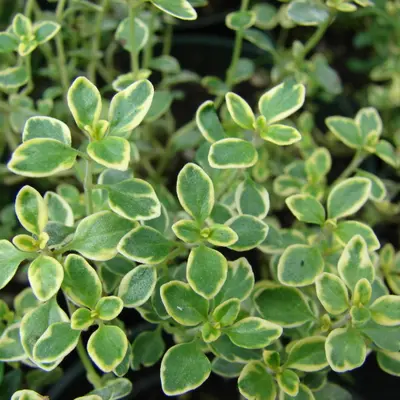
Upright, branching plants produce gray-green leaves. The aroma is sharp and citrus-like. Orange Thyme is distinctly sweeter and less pungent than German Winter and Summer thyme. Growth habit and winter hardiness are similar to Summer thyme. Tender perennial in Zones 6-8. Also known as Orangelo thyme.
Harvest
90-95d
Days to harvest
Sun
Full sun
Zones
5–9
USDA hardiness
Height
0 ft. 6 in. - 1 ft. 0 in.
Planting Timeline
Showing dates for Orange Thyme in USDA Zone 7
All Zone 7 herb →Zone Map
Click a state to update dates
Orange Thyme · Zones 5–9
Growing Details
Complete Growing Guide
Light: Full sun (6 or more hours of direct sunlight a day). Soil: Loam (Silt), Sand, Shallow Rocky. Soil pH: Acid (<6.0), Alkaline (>8.0), Neutral (6.0-8.0). Drainage: Good Drainage, Occasionally Dry. Growth rate: Slow. Maintenance: Low. Propagation: Division, Seed, Stem Cutting.
Harvesting
The fruits of this genus are schizocarps. They are ovoid, smooth, and have 4 locules or small separate cavities which contain the seeds.
Color: Brown/Copper. Type: Schizocarp. Length: < 1 inch. Width: < 1 inch.
Harvest time: Fall
Edibility: Many plants of this genus are used as flavorings in soups, vegetable, or meat dishes.
Storage & Preservation
# Storage and Preservation
Fresh Orange Thyme leaves store best in a breathable container—a paper towel-lined box or open clamshell—held at 35–40°F with moderate humidity. Avoid plastic bags, which trap moisture and promote mold. Used this way, harvested sprigs stay vibrant for 7–10 days. For longer preservation, hang-dry bundles in a warm, dark, well-ventilated space until crisp, then store in airtight jars away from light. Freezing works exceptionally well: strip leaves onto a tray, freeze solid, then transfer to freezer bags for up to six months. You can also infuse the fresh leaves into honey or oil for a citrus-scented finishing touch on roasted vegetables and desserts. Orange Thyme's volatile oils intensify when dried, making it especially rewarding for tea blends and herb seasoning mixes.
History & Origin
Origin: Greenland, Temperate and Subtropical Eurasia, NE Tropical Africa
Advantages
- +Attracts: Bees, Butterflies
- +Edible: Many plants of this genus are used as flavorings in soups, vegetable, or meat dishes.
- +Low maintenance
Companion Plants
Rosemary, lavender, oregano, and sage are the natural neighbors for orange thyme — all Mediterranean herbs that want full sun, lean soil, and minimal water once they're settled in. Planting them together at 12–18 inch spacing means you're not fighting their preferences against each other, and the dense mix of aromatic foliage seems to disorient aphids and thrips that might otherwise pile onto any single plant. NC State Extension notes that interplanting breaks up expanses of pest-preferred crops and confines early damage to a small area — that holds true here, especially in a humid Georgia summer where stressed, crowded herbs go downhill fast.
Mint is the companion to skip. It travels by underground runners and will physically overtake a small thyme planting within one growing season — 12 inches of buffer won't save you. Black walnut is a harder problem: the roots release juglone, a compound toxic to many herbs, and the effect extends well into the surrounding soil. If you've got a walnut on the property, keep thyme on the opposite side of the garden. Cilantro is a lesser concern, but it bolts by midsummer and reseeds aggressively, and managing that mess next to a perennial you want tidy just isn't worth it.
Plant Together
Rosemary
Similar growing conditions, both repel cabbage moths and carrot flies
Lavender
Attracts beneficial pollinators and repels moths, fleas, and mosquitoes
Cabbage
Orange thyme repels cabbage worms and flea beetles that attack brassicas
Tomatoes
Thyme deters hornworms and may improve tomato flavor and growth
Strawberries
Thyme repels worms and ants that can damage strawberry plants
Eggplant
Helps repel flea beetles and other pests that commonly attack eggplant
Oregano
Compatible Mediterranean herbs that attract beneficial insects and repel pests
Sage
Both prefer similar dry conditions and help repel cabbage moths together
Keep Apart
Black Walnut
Produces juglone which inhibits growth of many herbs including thyme
Mint
Aggressive spreader that can overwhelm and compete with thyme for space
Cilantro
Prefers cooler, moister conditions that conflict with thyme's Mediterranean needs
Nutrition Facts
Per 100g serving. % Daily Value based on 2,000 calorie diet. Source: USDA FoodData Central (FDC #173470)
Troubleshooting Orange Thyme
What you'll see, why it happens, and what to do about it.
Stems turning gray or brown and collapsing at the base, plant wilting despite moist soil
Likely Causes
- Fungal root rot — most likely Pythium or Phytophthora species — triggered by waterlogged or poorly draining soil
- Overwatering combined with heavy clay soil that holds moisture around the crown
What to Do
- 1.Pull the plant and inspect the roots — if they're brown and mushy, the plant won't recover; discard it (don't compost it)
- 2.Amend the bed with coarse sand or fine bark to improve drainage before replanting
- 3.Water deeply but infrequently; once established, orange thyme can go 7–10 days between waterings without issue
Leaves developing small brown or water-soaked spots, sometimes with a yellow halo, especially after humid weather
Likely Causes
- Bacterial leaf spot — favored by high humidity, temperatures above 80°F, and poor air circulation
- Overhead irrigation or rain that keeps foliage wet for extended periods
What to Do
- 1.Strip off and trash the affected stems — infected tissue won't clear up on its own
- 2.Space plants at least 12 inches apart (18 is better) so air moves through the canopy
- 3.Switch to drip or base watering; avoid wetting the foliage, especially in the evening
Plant looks sparse and woody after winter, putting out little new growth by mid-spring
Likely Causes
- Normal dieback from a hard freeze — orange thyme is rated to zone 5 but top growth takes damage below about 10–15°F
- Lack of pruning in previous seasons, causing the plant to go leggy and stop pushing new shoots from the base
What to Do
- 1.Wait until you see green buds emerging (usually late March in zone 7), then cut dead wood back to just above those buds
- 2.Hard-prune the whole plant by about one-third each spring to push fresh growth from the base
- 3.If the crown itself is dead — no green anywhere after 90–95 days of warm weather — pull it and start fresh from a new transplant
Frequently Asked Questions
How long does Orange Thyme take to grow from seed?▼
What does Orange Thyme taste like?▼
Is Orange Thyme good for beginners?▼
Can you grow Orange Thyme in containers?▼
When should I plant Orange Thyme?▼
How is Orange Thyme different from Summer Thyme?▼
Zone-by-Zone Planting Calendar
| Zone | Indoor Start | Transplant | Direct Sow | Harvest |
|---|---|---|---|---|
| Zone 3 | April – May | June – July | — | July – October |
| Zone 4 | March – April | June – July | — | July – October |
| Zone 5 | March – April | May – June | — | June – October |
| Zone 6 | March – April | May – June | — | June – November |
| Zone 7 | February – March | April – June | — | June – November |
| Zone 8 | February – March | April – May | — | May – December |
| Zone 9 | January – February | March – April | — | April – December |
| Zone 10 | January – January | February – April | — | April – December |
Growing Guides from Wind River Greens
Sources & References
External authority sources used in compiling this guide.
- ExtensionNC State Extension
- BreederJohnny's Selected Seeds
- USDAUSDA FoodData Central
See the Methodology page for how this data is sourced, what's AI-assisted, and known limitations.