Zaatar
Origanum syriacum
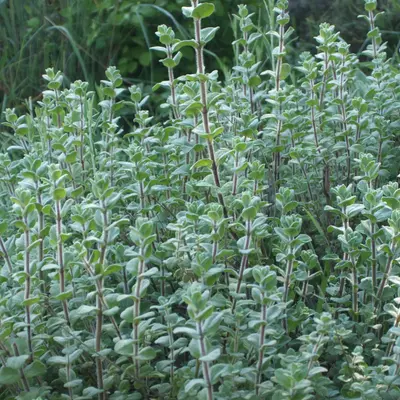
Native to the Mediterranean, where it has flavored meals for thousands of years. Soft gray-green leaves on plants with a semi-upright habit. Flavor combines those of sweet marjoram, thyme and oregano. Not to be confused with Za'atar, an herbal blend of several ingredients. Grow as a tender perennial - start indoors and keep out of freezing temperatures. Harvest stems when they reach at least 4-6".
Harvest
85-90d
Days to harvest
Sun
Full sun
Zones
3–10
USDA hardiness
Height
0-3 feet
Planting Timeline
Showing dates for Zaatar in USDA Zone 7
All Zone 7 herb →Zone Map
Click a state to update dates
Zaatar · Zones 3–10
Growing Details
Complete Growing Guide
Light: Full sun (6 or more hours of direct sunlight a day). Soil: Sand. Soil pH: Alkaline (>8.0), Neutral (6.0-8.0). Drainage: Good Drainage, Occasionally Dry. Height: 0 ft. 6 in. - 3 ft. 0 in.. Spread: 1 ft. 0 in. - 2 ft. 0 in.. Spacing: 12 inches-3 feet. Maintenance: Low. Propagation: Division, Seed, Stem Cutting. Regions: Coastal, Mountains, Piedmont.
Harvesting
The fruit is a small brown, slightly ribbed, ovoid, and smooth nutlet.
Color: Brown/Copper. Length: < 1 inch. Width: < 1 inch.
Edibility: Different varieties and species of oregano are used to flavor many dishes, including tomato sauces, eggs, soups, stews, vegetables, dips, vinegar, and pizza.
Storage & Preservation
Freshly harvested za'atar keeps best in a sealed container in the refrigerator at 35–40°F with moderate humidity; expect quality for 5–7 days before flavor begins fading. For longer storage, drying is ideal—hang bundles in a warm, well-ventilated space or use a dehydrator at 95–105°F until leaves crumble easily, then store in airtight jars away from light. Dried za'atar remains potent for 6–12 months. Freezing works adequately if you blanch stems briefly first, though texture suffers slightly. The herb also freezes well blended into olive oil or butter for convenient portioning. Za'atar's volatile oils are particularly prone to degradation in heat and light, so keep dried material in dark glass or opaque containers and avoid storing near the stove.
History & Origin
Origin: Macaronesia, Europe, Mediterranean to Central China
Advantages
- +Attracts: Bees, Butterflies
- +Edible: Different varieties and species of oregano are used to flavor many dishes, including tomato sauces, eggs, soups, stews, vegetables, dips, vinegar, and pizza.
- +Low maintenance
Companion Plants
The Mediterranean herbs — rosemary, thyme, sage, and lavender — make the most practical neighbors for zaatar because they share the same basic needs: full sun, lean soil, and drainage. Planting them together at 12–18 inch spacings means you're not fighting competing moisture or fertility demands, and the mix of aromatic foliage tends to disorient whiteflies that depend on a dense single-host stand to build populations. Marigolds are worth slipping in nearby too — French marigolds (Tagetes patula) have real documentation behind their nematode-suppressing effect, and they pull their weight with whiteflies as well.
Mint is the neighbor to exclude: it spreads by underground stolons and will physically outcompete zaatar within a season if they share a bed. Fennel releases allelopathic root compounds that stunt the growth of most herbs planted within a few feet — it's not dramatic, just slow and hard to diagnose until the damage is done. Black walnut produces juglone, a root exudate that can injure or kill sensitive plants; site zaatar at least 50 feet from an established walnut canopy.
Plant Together
Rosemary
Similar growing conditions, repels pests, and aromatic compounds complement each other
Thyme
Shares Mediterranean growing preferences and helps deter common herb pests
Oregano
Compatible growth habits and mutual pest deterrent properties
Lavender
Attracts beneficial pollinators and repels moths and other harmful insects
Sage
Similar drought tolerance and helps repel cabbage moths and carrot flies
Tomatoes
Za'atar's aromatic oils help deter tomato hornworms and aphids
Marigolds
Natural pest deterrent that protects against nematodes and aphids
Chives
Repels aphids and other soft-bodied insects while improving soil health
Keep Apart
Mint
Aggressive spreading nature can overwhelm za'atar and compete for nutrients
Fennel
Allelopathic properties inhibit growth of most herbs including za'atar
Black Walnut
Produces juglone which is toxic to many herbs and can stunt za'atar growth
Nutrition Facts
Per 100g serving. % Daily Value based on 2,000 calorie diet. Source: USDA FoodData Central (FDC #172232)
Pests & Disease Resistance
Common Pests
Spider mites, whiteflies
Diseases
Root rot, powdery mildew
Troubleshooting Zaatar
What you'll see, why it happens, and what to do about it.
White powdery coating on leaf surfaces, usually appearing mid-summer when humidity climbs and airflow is poor
Likely Causes
- Powdery mildew — a fungal infection favored by warm days, cool nights, and crowded plantings
- Spacing plants closer than 12 inches, which traps moisture around the foliage
What to Do
- 1.Strip and trash the worst-affected leaves — don't compost them
- 2.NC State's Organic Gardening guidance recommends a spray of 1 tablespoon baking soda plus 1 tablespoon summer horticultural oil per gallon of water, applied every 3 to 5 days as a preventive; don't mix at higher concentrations or you'll scorch the leaves
- 3.Give plants the full 12–18 inch spacing at transplant time — that single decision does more than any spray
Stems blackening at the soil line, wilting despite adequate watering, roots brown and mushy when you pull the plant
Likely Causes
- Root rot — most commonly Pythium or Phytophthora species — triggered by waterlogged soil
- Heavy clay soil or pots without drainage holding water around the crown
What to Do
- 1.Pull the affected plant; it won't recover once the crown is gone
- 2.Amend beds with coarse sand or perlite before replanting, and let the soil dry out between waterings — Origanum syriacum comes from the eastern Mediterranean and does poorly in anything that stays damp
- 3.If growing in containers, make sure every pot has at least one drainage hole and skip saucers entirely
Tiny pale stippling across leaf surfaces, fine webbing visible on the undersides, plant looking dusty and washed-out during hot dry stretches
Likely Causes
- Spider mites (Tetranychus urticae) — populations double in under a week when temperatures stay above 85°F and plants are drought-stressed
- Overuse of broad-spectrum pesticides that eliminate predatory mite species
What to Do
- 1.Blast the undersides of leaves with a firm stream of water every 2 to 3 days — it dislodges mites before they can re-establish
- 2.If the infestation is heavy, apply insecticidal soap directly to the leaf undersides; repeat every 5 to 7 days for 2 to 3 applications
- 3.Don't let the plant go bone-dry during heat peaks — moisture-stressed zaatar is far more susceptible than a well-watered one
Frequently Asked Questions
How long does zaatar take to grow from seed to harvest?▼
Is zaatar good for beginners?▼
Can you grow zaatar in containers?▼
What does zaatar taste like?▼
When should I plant zaatar seeds?▼
How much sun does zaatar need?▼
Zone-by-Zone Planting Calendar
| Zone | Indoor Start | Transplant | Direct Sow | Harvest |
|---|---|---|---|---|
| Zone 3 | April – May | June – July | — | July – October |
| Zone 4 | March – April | June – July | — | July – October |
| Zone 5 | March – April | May – June | — | June – October |
| Zone 6 | March – April | May – June | — | June – November |
| Zone 7 | February – March | April – June | — | June – November |
| Zone 8 | February – March | April – May | — | May – December |
| Zone 9 | January – February | March – April | — | April – December |
| Zone 10 | January – January | February – April | — | April – December |
Growing Guides from Wind River Greens
Sources & References
External authority sources used in compiling this guide.
- ExtensionNC State Extension
- BreederJohnny's Selected Seeds
- USDAUSDA FoodData Central
See the Methodology page for how this data is sourced, what's AI-assisted, and known limitations.