Wild Marjoram
Origanum vulgare
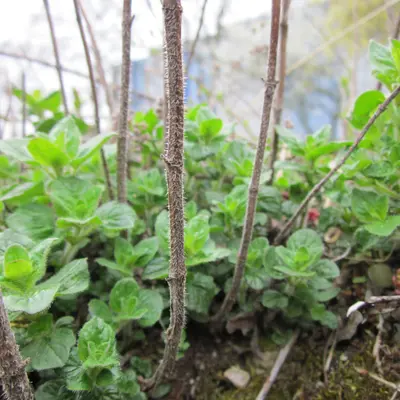
Use leaves fresh or dried for culinary purposes. Blooms in shades of pink to purple from midsummer through fall. For cut-flower use, harvest flowers in bud stage for best color. Attracts Beneficial Insects: Provides pollen and nectar for beneficial insects such as bees, hoverflies, lacewing larva, parasitic wasps, and tachinid flies. Edible Flowers: Use the flowers, which have a mild and marjoram-like flavor, as you would the herb to garnish salads, soups, stews, sauces, and stuffing. Also pairs well with citrus, mushrooms, and fish.
Harvest
85-90d
Days to harvest
Sun
Full sun
Zones
3–11
USDA hardiness
Height
12-24 inches
Planting Timeline
Showing dates for Wild Marjoram in USDA Zone 7
All Zone 7 herb →Zone Map
Click a state to update dates
Wild Marjoram · Zones 3–11
Growing Details
Complete Growing Guide
Use leaves fresh or dried for culinary purposes. Blooms in shades of pink to purple from midsummer through fall. For cut-flower use, harvest flowers in bud stage for best color. Attracts Beneficial Insects: Provides pollen and nectar for beneficial insects such as bees, hoverflies, lacewing larva, parasitic wasps, and tachinid flies. Edible Flowers: Use the flowers, which have a mild and marjoram-like flavor, as you would the herb to garnish salads, soups, stews, sauces, and stuffing. Also pairs well with citrus, mushrooms, and fish. According to Johnny's Selected Seeds, Wild Marjoram is 85 - 90 days to maturity, perennial, open pollinated.
Drainage: Good Drainage. Propagation: Division, Leaf Cutting, Root Cutting, Seed. Regions: Coastal, Mountains, Piedmont.
Harvesting
Wild Marjoram reaches harvest at 85 - 90 days from sowing per Johnny's Selected Seeds.
Edibility: Leaves and flowers for tea, flavoring
Storage & Preservation
Fresh wild marjoram leaves store best in a breathable container at 35–40°F with 85–90% humidity; a perforated plastic bag in the refrigerator crisper drawer works well and maintains quality for 7–10 days. For longer preservation, air-drying is ideal—hang small bundles in a warm, well-ventilated space away from direct sunlight for 1–2 weeks until leaves crumble easily. Strip dried leaves from stems and store in airtight glass jars away from heat and light; properly dried marjoram keeps for up to a year. Freezing is also effective: blanch briefly, cool, and freeze on trays before transferring to freezer bags for 8–10 months of storage. Wild marjoram's robust essential oils actually intensify slightly during drying, making it superior to most other herbs for this method—dried marjoram often surpasses fresh in flavor depth and is worth the minimal effort required.
History & Origin
Oregano is a species of flowering plant in the mint family, Lamiaceae. It was native to the Mediterranean region, but widely naturalised elsewhere in the temperate Northern Hemisphere.
Advantages
- +Versatile herb for culinary use with fresh or dried leaves
- +Beautiful pink-purple flowers attract beneficial insects like bees and wasps
- +Edible flowers provide garnish and mild marjoram flavor for dishes
- +Easy to grow with 85-90 day maturity and low difficulty
Considerations
- -May require regular harvesting to prevent excessive flowering and sprawl
- -Prefers well-drained soil and struggles in consistently wet conditions
- -Flowers attract insects which can increase pest management complexity
- -Less vigorous yield compared to other culinary herb varieties
Companion Plants
Tomatoes, peppers, and eggplant are the strongest companions for wild marjoram, and the pairing has a real mechanism behind it. NC State Extension's IPM guidance points out that interplanting unrelated plant families interrupts pest pressure by diluting the attractive scent of preferred host crops — marjoram's volatile oils add another layer of olfactory interference for insects targeting nightshades. In our zone 7 Georgia gardens, tucking marjoram between pepper transplants in late April also means you're harvesting fresh cuttings by June, right when the peppers need the most attention. Cabbage and broccoli get the same benefit: spreading marjoram through brassica rows slows the systematic march of imported cabbageworm (Pieris rapae) through what would otherwise be an unbroken block of its preferred host.
Mint is the companion to skip — not because it actively poisons marjoram, but because Mentha spp. spread by rhizome and will swallow marjoram's 12 to 18 inch footprint inside a single growing season. Fennel (Foeniculum vulgare) releases allelopathic root exudates that suppress neighboring plants, and black walnut (Juglans nigra) produces juglone throughout its root zone — a soil toxin that affects a wide range of herbs. Plant marjoram well away from both, and you won't have to fight either battle.
Plant Together
Tomatoes
Wild marjoram repels aphids, spider mites, and whiteflies that commonly attack tomatoes
Peppers
Provides natural pest protection against aphids and improves growth through aromatic compounds
Eggplant
Deters flea beetles and other pests that damage eggplant foliage
Cabbage
Repels cabbage moths, cabbage worms, and other brassica pests
Broccoli
Natural deterrent for cabbage white butterflies and imported cabbage worms
Beans
Attracts beneficial insects like parasitic wasps that control bean pests
Cucumbers
Repels cucumber beetles and ants while attracting pollinating insects
Rosemary
Creates synergistic pest-repelling effects and enhances essential oil production
Keep Apart
Mint
Aggressive spreading nature competes for nutrients and can overwhelm marjoram
Black Walnut
Juglone toxin in roots and leaves severely stunts or kills wild marjoram
Fennel
Allelopathic compounds inhibit growth and can stunt wild marjoram development
Nutrition Facts
Per 100g serving. % Daily Value based on 2,000 calorie diet. Source: USDA FoodData Central (FDC #172232)
Pests & Disease Resistance
Common Pests
Minimal pest pressure; rarely affected by spider mites or whiteflies under drought conditions
Diseases
Root rot if overwatered; occasionally powdery mildew in humid climates with poor air circulation
Troubleshooting Wild Marjoram
What you'll see, why it happens, and what to do about it.
Stems collapsing at soil level, roots brown and mushy
Likely Causes
- Root rot from Pythium or Phytophthora spp. — almost always triggered by overwatering or poorly draining soil
- Planting in a low spot that holds water after rain
What to Do
- 1.Dig up affected plants and discard — don't compost them
- 2.Amend the bed with coarse sand or perlite to improve drainage before replanting
- 3.Water only when the top inch of soil is dry; this plant handles drought far better than wet feet
White powdery coating on upper leaf surfaces, usually in late summer
Likely Causes
- Powdery mildew (Erysiphe cichoracearum) — fungal, spreads in humid air with poor circulation
- Crowded planting or positioning against a fence or wall that blocks airflow
What to Do
- 1.Cut affected stems back hard — 4 to 6 inches — and throw the clippings in the trash
- 2.Thin plants to at least 12 inches apart so air can move through; NC State Extension notes that overcrowding decreases air movement and creates ideal disease conditions
- 3.Avoid evening watering; keep water off the foliage entirely if possible
Stippled, pale leaves with fine webbing on the undersides during dry stretches
Likely Causes
- Spider mites (Tetranychus urticae) — more likely under drought stress or when plants are dusty
- Overhead irrigation stopped too early, leaving mites with no natural disruption
What to Do
- 1.Spray foliage — especially leaf undersides — with a strong jet of water to knock mites off
- 2.If the population is heavy, apply insecticidal soap per label; NC State Extension confirms it's effective against mites on herbs and safer than traditional pesticides on culinary plants
- 3.Lay 1 to 2 inches of organic mulch around the base to reduce dust splash and hold soil moisture
Pale, washed-out leaves with tiny white specks; adults scatter in a cloud when you brush the plant
Likely Causes
- Whitefly (Trialeurodes vaporariorum) feeding on leaf undersides
- Dense, sheltered planting site that traps heat and reduces beneficial insect activity
What to Do
- 1.Hand-remove heavily infested shoots and drop them in a bucket of soapy water
- 2.Apply insecticidal soap to the undersides of leaves in the early morning; repeat every 5 to 7 days for two to three cycles
- 3.NC State Extension notes that natural predators keep whitefly populations low when plants get full sun and good airflow — picking a better site does more than any spray program
Frequently Asked Questions
How long does wild marjoram take to grow from seed to harvest?▼
Can you grow wild marjoram in containers or pots?▼
What does wild marjoram taste like?▼
Is wild marjoram the same as oregano?▼
When should I plant wild marjoram seeds?▼
Does wild marjoram attract pollinators and beneficial insects?▼
Zone-by-Zone Planting Calendar
| Zone | Indoor Start | Transplant | Direct Sow | Harvest |
|---|---|---|---|---|
| Zone 11 | January – January | January – March | — | March – December |
| Zone 3 | April – May | June – July | — | July – October |
| Zone 4 | March – April | June – July | — | July – October |
| Zone 5 | March – April | May – June | — | June – October |
| Zone 6 | March – April | May – June | — | June – November |
| Zone 7 | February – March | April – June | — | June – November |
| Zone 8 | February – March | April – May | — | May – December |
| Zone 9 | January – February | March – April | — | April – December |
| Zone 10 | January – January | February – April | — | April – December |
Growing Guides from Wind River Greens
Sources & References
External authority sources used in compiling this guide.
- ExtensionNC State Extension
- BreederJohnny's Selected Seeds
- USDAUSDA FoodData Central
See the Methodology page for how this data is sourced, what's AI-assisted, and known limitations.