Zone 9 Coverage
Planting Timeline — All Varieties
Growing Peppers in Zone 9
Zone 9 gardeners hit the pepper jackpot with nearly 10 months of growing season and mild winters that barely touch freezing. Your last frost typically arrives around February 15th, giving you a massive head start on pepper production compared to northern zones. This extended season means you can successfully grow everything from quick-maturing sweet peppers to superhot varieties that need 120+ days to reach full heat potential.
The challenge in Zone 9 isn't cold—it's managing the intense summer heat that can stress pepper plants and reduce fruit set when temperatures consistently exceed 90°F. Look for heat-tolerant varieties and those that can handle humidity without developing disease issues. Your long season also means choosing a mix of early producers for spring harvests and late-season varieties that thrive in fall's cooler temperatures.
The varieties selected for Zone 9 capitalize on your climate advantages while addressing the summer heat challenge. You'll find reliable performers like 'California Wonder' bells and 'Early Jalapeño' for consistent production, alongside specialty peppers like 'Bhut Jolokia' ghost peppers and 'Carolina Reaper' that simply won't mature properly in shorter seasons.
Variety Comparison
| Variety ↑ | Days | Difficulty |
|---|---|---|
| Aji Dulce 'Venezuelan Sweet' | 85-95 | Moderate |
| Anaheim 'Hatch Big Jim' | 80-90 | Easy to Moderate |
| Anaheim 'New Mexico Big Jim' | 75-85 | Easy |
| Banana Pepper 'Sweet Banana' | 70-80 | Easy |
| Bell Pepper 'Big Bertha' | 72-75 | Easy |
| Bell Pepper 'California Wonder' | 75-85 | Easy |
| Bell Pepper 'Golden California Wonder' | 70-75 | Easy |
| Bell Pepper 'Gourmet Gold' | 70-75 | Easy |
| Bell Pepper 'King of the North' | 65-75 | Easy |
| Bell Pepper 'Purple Top' | 70-75 | Easy |
| Bell Pepper 'Rainbow Bell' | 70-80 | Easy |
| Bell Pepper 'Red Beauty' | 75-80 | Easy |
| Bell Pepper 'Red Knight' | 75-80 | Easy |
| Bell Pepper 'Sweet Chocolate' | 75-85 | Easy to moderate |
| Bell Pepper 'Yellow Bell' | 70-80 | Easy |
| Carolina Reaper | 90-120 | Moderate to challenging |
| Cayenne 'Long Red Cayenne' | 75-85 | Easy |
| Cherry Bomb | 64 | Easy |
| Chipotle 'Morita' | 75-85 | Easy to moderate |
| Chocolate Habanero | 90-100 | Moderate |
| Fish Pepper | 80-85 | Moderate |
| Ghost Pepper 'Bhut Jolokia' | 100-120 | Difficult |
| Habanero 'Caribbean Red' | 90-100 | Moderate |
| Habanero 'Chocolate Habanero' | 95-100 | Moderate to challenging |
| Habanero 'Orange Habanero' | 90-100 | Moderate to challenging |
Variety Details
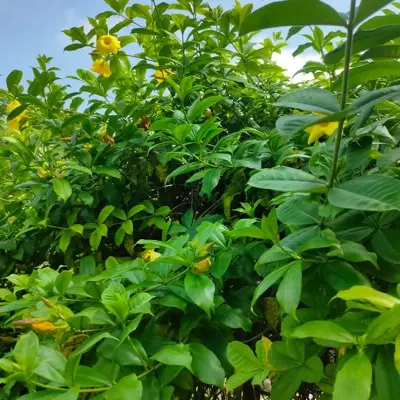
Aji Dulce 'Venezuelan Sweet'
A treasured sweet pepper from Venezuela that looks like a habanero but has no heat, offering pure fruity flavor without the fire. These small, colorful peppers are essential in Caribbean and South American cooking, providing the distinctive chinense aroma and taste that makes sofrito and other traditional dishes authentic. Home gardeners love this productive variety for its unique flavor profile and beautiful ornamental appeal.
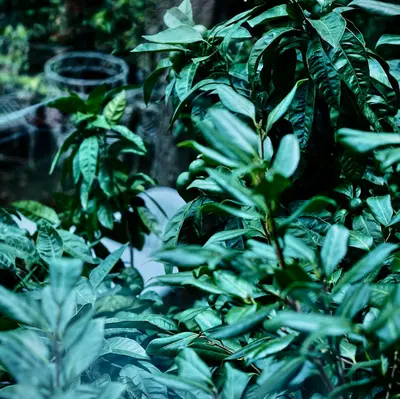
Anaheim 'Hatch Big Jim'
The king of New Mexico chile peppers, this legendary heirloom produces enormous 8-12 inch peppers with the authentic Hatch flavor that's essential for true southwestern cuisine. Developed at New Mexico State University, Big Jim holds the Guinness World Record for largest chile pepper and delivers mild to moderate heat with complex, earthy flavors that become sweet and smoky when roasted. This is the pepper that puts Hatch, New Mexico on the culinary map every harvest season.
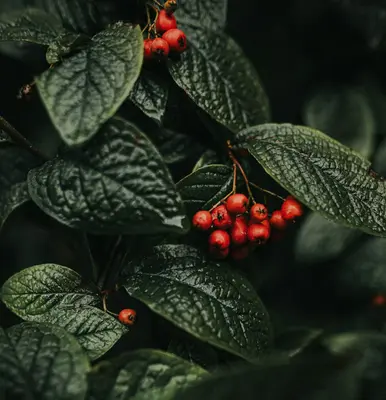
Anaheim 'New Mexico Big Jim'
The king of green chiles and a cornerstone of Southwestern cuisine, producing enormous 8-12 inch peppers with thick walls perfect for roasting and stuffing. These mild to medium-heat peppers are essential for authentic New Mexican dishes like green chile stew and chiles rellenos. The large size and meaty texture make them incredibly versatile, while the distinctive earthy-sweet flavor defines the taste of the Southwest.
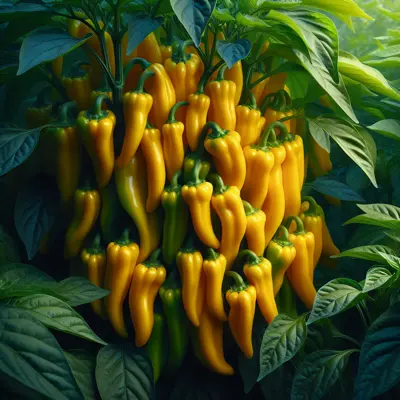
Banana Pepper 'Sweet Banana'
The perfect mild pepper for gardeners who love the flavor of peppers without any heat whatsoever. Sweet Banana peppers are incredibly productive, producing loads of pale yellow, curved pods that add beautiful color and sweet crunch to any dish. Easy to grow and harvest continuously throughout the season, they're ideal for pickling, fresh eating, and adding to pizza and sandwiches.
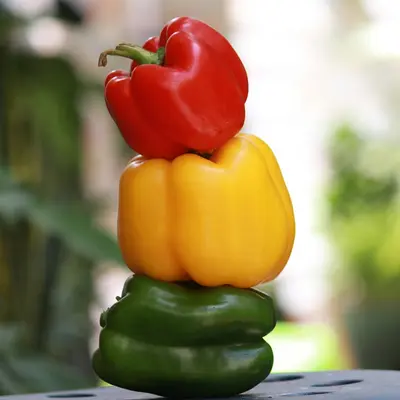
Bell Pepper 'Big Bertha'
A prize-winning hybrid that produces enormous bell peppers up to 7 inches long and 4 inches wide, often weighing over a pound each. This reliable variety delivers exceptional yields of thick-walled, sweet peppers that are perfect for stuffing or fresh eating. Big Bertha has been a garden favorite for decades thanks to its impressive size and excellent disease resistance.
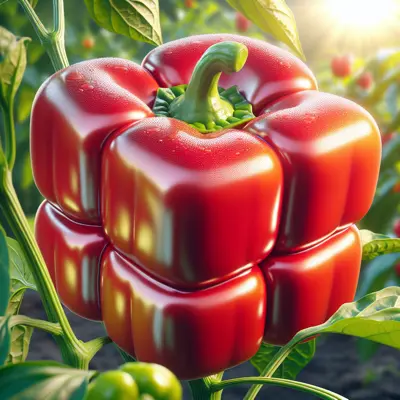
Bell Pepper 'California Wonder'
The gold standard for sweet bell peppers, California Wonder has been America's favorite home garden variety since the 1920s. These thick-walled, blocky peppers start green and can ripen to brilliant red, offering exceptional sweetness and crunch. Reliable, productive, and perfect for beginners, it's the pepper that built America's love affair with home-grown sweet peppers.
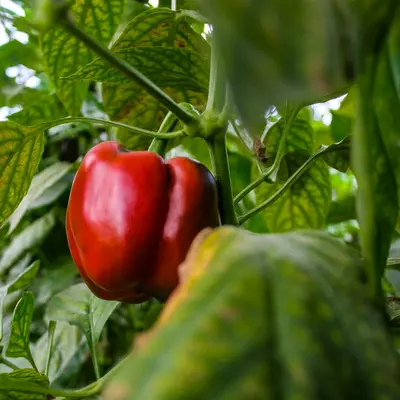
Bell Pepper 'Golden California Wonder'
A stunning golden-yellow version of the classic California Wonder bell pepper that brings sunshine to your garden and plate. These thick-walled, blocky peppers start green and ripen to a brilliant golden yellow with exceptional sweet flavor. Perfect for gardeners who want reliable production of beautiful, versatile peppers for fresh eating or cooking.
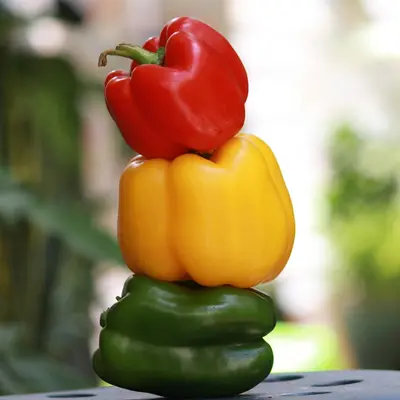
Bell Pepper 'Gourmet Gold'
A stunning golden-yellow bell pepper that brings both beauty and exceptional sweet flavor to the garden. These thick-walled beauties start green and ripen to a brilliant golden-yellow, offering the classic sweet bell pepper taste with impressive yields. Perfect for gardeners wanting reliable production of colorful, sweet peppers for fresh eating and cooking.
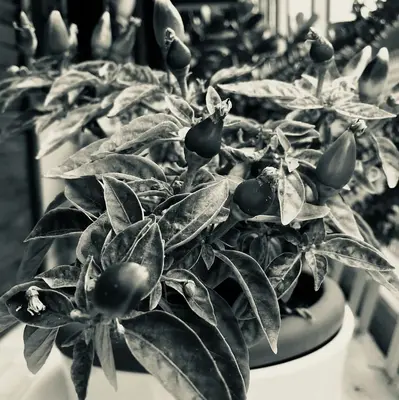
Bell Pepper 'King of the North'
A reliable early-maturing bell pepper bred specifically for cooler climates and short seasons. This compact variety produces thick-walled, blocky peppers that ripen from green to brilliant red even in challenging northern conditions. Perfect for gardeners who struggle with traditional bell peppers in cooler regions.
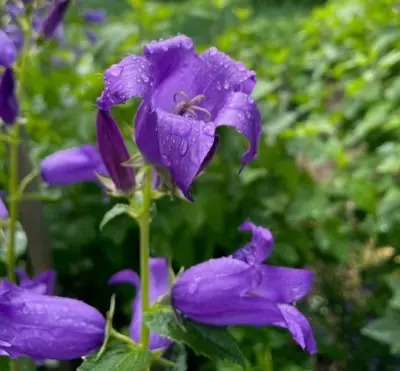
Bell Pepper 'Purple Top'
A stunning ornamental edible that produces beautiful purple and green striped bell peppers that eventually ripen to red with purple shoulders. This unique variety adds dramatic color to gardens and dinner plates while providing the same sweet, crisp flavor as traditional bell peppers. The compact plants are perfect for containers and make excellent conversation pieces in any garden.

Bell Pepper 'Rainbow Bell'
A stunning sweet bell pepper variety that produces fruits in an array of vibrant colors including red, yellow, orange, and purple, often on the same plant. This reliable hybrid creates a spectacular visual display in the garden while delivering the classic sweet, crisp bell pepper flavor that's perfect for fresh eating or cooking. It's an excellent choice for gardeners who want maximum color impact and continuous harvest throughout the season.
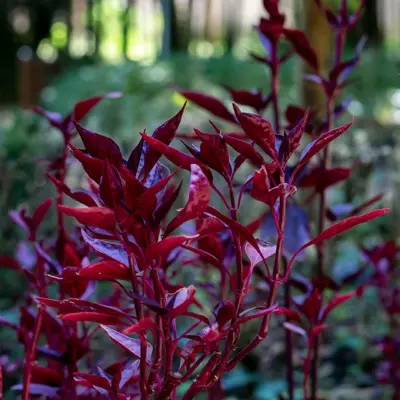
Bell Pepper 'Red Beauty'
A classic bell pepper variety that produces large, blocky fruits with thick walls perfect for stuffing or fresh eating. These sweet peppers start green and ripen to a gorgeous deep red color, developing incredible sweetness as they mature. Reliable and productive, this variety is a garden staple that delivers consistent harvests throughout the growing season.
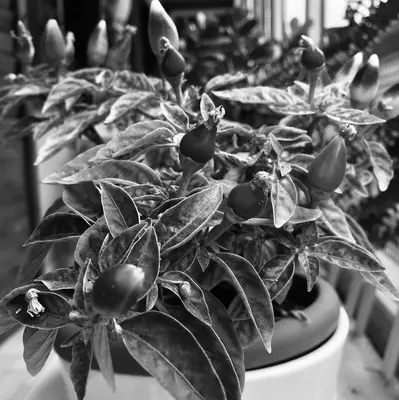
Bell Pepper 'Red Knight'
A premium hybrid bell pepper bred for exceptional disease resistance and consistent production of large, blocky fruits. Red Knight delivers the classic sweet bell pepper flavor while being one of the most reliable varieties for home gardeners, especially in areas with challenging growing conditions. Its thick walls and excellent shelf life make it perfect for both fresh eating and cooking.

Bell Pepper 'Sweet Chocolate'
This stunning bell pepper ripens to a rich chocolate-brown color that's as beautiful as it is delicious. The thick-walled fruits offer exceptional sweetness with a complex flavor that sets them apart from ordinary bell peppers, making them a gourmet favorite for both gardeners and chefs.
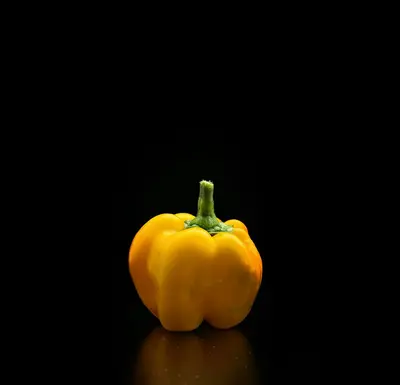
Bell Pepper 'Yellow Bell'
A vibrant yellow sweet bell pepper that adds sunshine to any garden and kitchen. These thick-walled peppers start green and ripen to a brilliant golden-yellow with a crisp texture and sweet, mild flavor. Perfect for beginners, they're reliable producers that excel in both garden beds and containers.
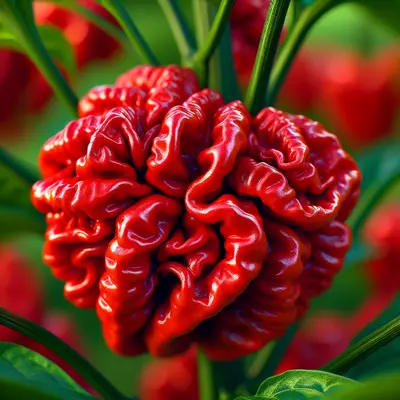
Carolina Reaper
The world's hottest pepper according to Guinness World Records, bred by Ed Currie in South Carolina for extreme heat enthusiasts. These wrinkled, scorpion-tailed peppers pack an incredible 2.2 million+ Scoville units along with a surprising fruity sweetness before the intense heat kicks in. Despite their fearsome reputation, they're surprisingly easy to grow and produce abundantly for those brave enough to handle the ultimate pepper challenge.
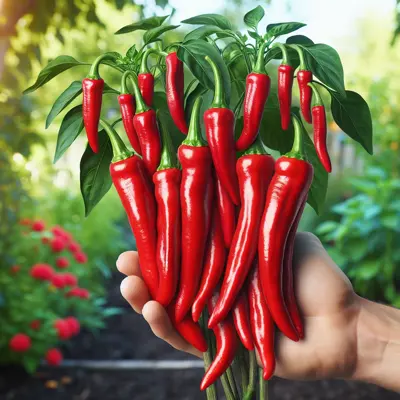
Cayenne 'Long Red Cayenne'
The classic hot pepper that's been setting kitchens on fire since the 1800s, Long Red Cayenne is the go-to variety for homemade hot sauce and dried pepper flakes. These slender, curved peppers pack substantial heat while remaining incredibly useful in the kitchen, drying beautifully and grinding into the perfect pizza-shaking spice. Extremely productive and reliable, it's an essential variety for any serious pepper grower.
Cherry Bomb
Cherry Bomb is a hybrid pepper variety that produces small, round fruits resembling cherry tomatoes, with a vibrant red color at maturity. Reaching harvest in just 64 days, this variety is remarkably quick to produce. The peppers offer a perfect balance of medium heat (2,500-5,000 Scoville units) with a surprisingly sweet and crisp flavor, making them ideal for fresh eating, garnishes, or adding color and mild kick to salads and dishes. Compact plants thrive in full sun with well-draining soil, making Cherry Bomb an excellent choice for home gardeners seeking a fast-maturing, flavorful pepper with minimal care requirements.
Chipotle 'Morita'
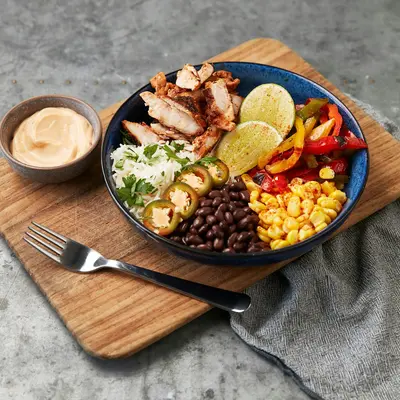
The authentic jalapeño variety traditionally used to make premium chipotle peppers in Mexico, prized for its perfect balance of heat and smokiness when dried. These deep red jalapeños have thicker walls than typical varieties, making them ideal for smoking, while fresh peppers offer a more complex flavor than standard jalapeños. 'Morita' brings genuine Mexican cuisine authenticity to the home garden.
Chocolate Habanero
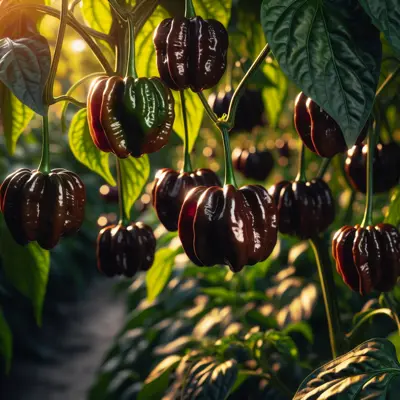
This exotic habanero variety produces beautiful chocolate-brown pods with an incredibly rich, smoky flavor that sets it apart from orange habaneros. The complex taste combines serious heat with notes of chocolate and tobacco, making it a favorite among gourmet cooks and hot sauce enthusiasts. The unusual color and exceptional flavor make this a must-grow for anyone wanting to explore beyond ordinary peppers.
Fish Pepper
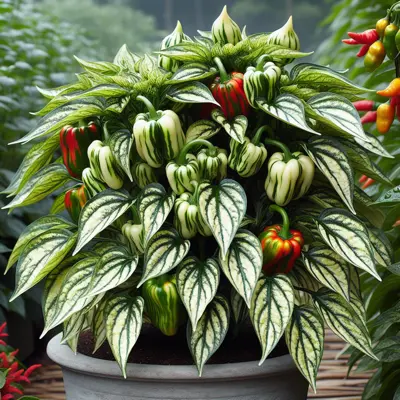
Initial color is lime green, turning to golden yellow when ripe. Excellent, sweet flavor. Medium-large fruits are mostly 3-lobed and slightly elongated.
Ghost Pepper 'Bhut Jolokia'
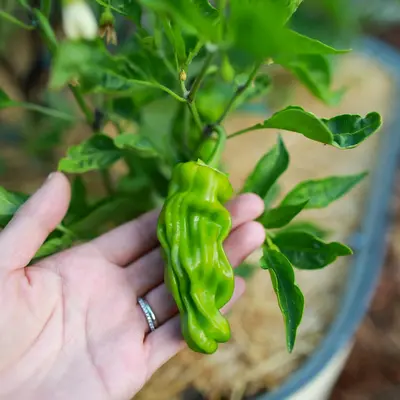
Once the world's hottest pepper, this legendary superhot from Northeast India delivers an intense, building heat that made it famous worldwide. The wrinkled, lantern-shaped pods start green and ripen to orange-red, offering not just extreme heat but also a unique fruity, smoky flavor. Essential for hot sauce makers and thrill-seekers who want to grow their own legendary fire.
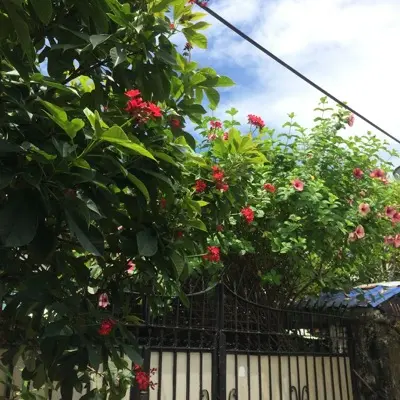
Habanero 'Caribbean Red'
An intensely hot heirloom habanero that brings serious heat along with a distinctive fruity, citrusy flavor that's prized by hot sauce makers and spicy food enthusiasts. The bright red, lantern-shaped pods pack a punch at 300,000-445,000 Scoville units while maintaining the complex flavor profile that makes habaneros so sought after. This productive variety thrives in hot climates and rewards patient growers with an abundant harvest of fiery perfection.
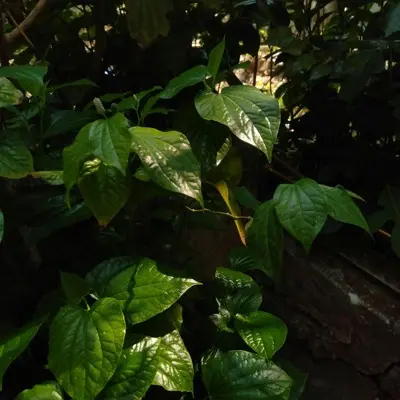
Habanero 'Chocolate Habanero'
An exotic and intensely flavorful habanero variety with stunning chocolate-brown color and fruity complexity that sets it apart from orange varieties. Despite its fierce heat, this pepper offers incredible depth with notes of tobacco, chocolate, and tropical fruit. Serious pepper enthusiasts prize this variety for hot sauces and Caribbean cuisine where its unique flavor profile truly shines.
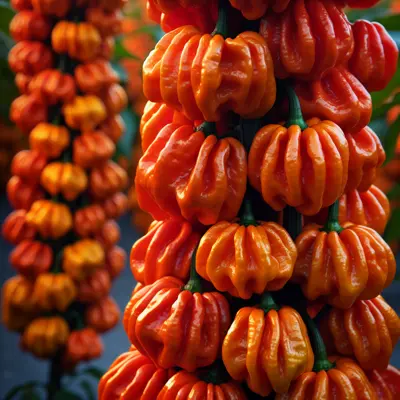
Habanero 'Orange Habanero'
The classic superhot pepper that brings serious heat along with an incredible fruity, citrusy flavor that's become legendary among chili enthusiasts. These wrinkled, lantern-shaped peppers pack intense heat but reward brave gardeners with complex flavor notes of tropical fruit and floral undertones. A small amount goes a very long way in hot sauces, salsas, and Caribbean-inspired dishes.
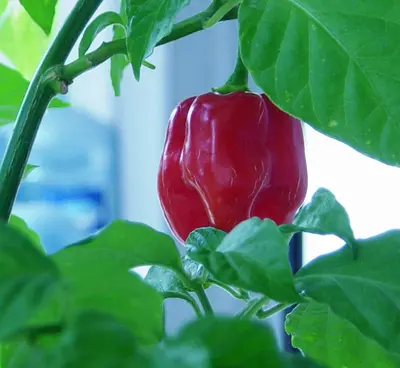
Habanero 'Red Savina'
Once the world's hottest pepper, this fiery habanero delivers intense heat with surprising fruity flavor. The deep red, wrinkled pods pack serious punch at 200,000-350,000 Scoville units, making them perfect for hot sauce enthusiasts who want extreme heat with gourmet flavor.
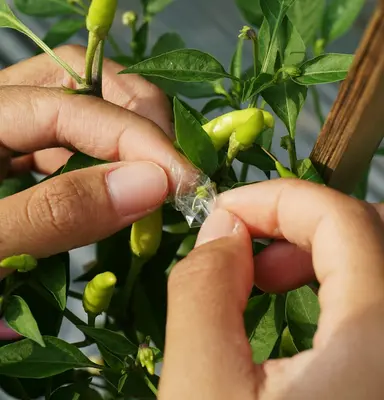
Habanero 'Zavory'
A breakthrough habanero variety that delivers all the fruity, citrusy flavor of traditional habaneros but with significantly reduced heat, making it accessible to more gardeners and cooks. Zavory produces abundant, lantern-shaped orange fruits on compact plants that thrive in containers. This variety opens up habanero cuisine to those who love the flavor but can't handle the intense heat of standard varieties.
Helios
Helios is a hybrid habanero pepper reaching maturity in 67 days. This variety produces abundant fruit with vibrant coloring typical of habanero cultivars. The peppers deliver exceptional heat with a distinctive flavor profile combining fruity and citrusy undertones beneath the intense spiciness—a defining characteristic that sets Helios apart from standard habaneros. The complex flavor makes it ideal for hot sauces, salsas, and culinary applications where both heat and nuanced taste are desired. Suited for full-sun growing in well-drained, slightly acidic soil, Helios appeals to heat-seeking gardeners and pepper enthusiasts seeking flavor complexity beyond mere spiciness.
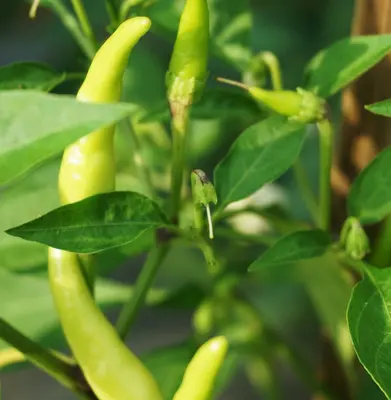
Hot Pepper 'Aji Amarillo'
The cornerstone of Peruvian cuisine, this brilliant orange pepper delivers moderate heat with an incredibly complex, fruity flavor that's unlike any other variety. Aji Amarillo peppers are essential for authentic dishes like ají de gallina and papa a la huancaína, offering home gardeners a chance to grow this culinary treasure that's nearly impossible to find fresh in stores. Their unique C. baccatum species gives them a distinctive taste profile that combines tropical fruit notes with warming heat.
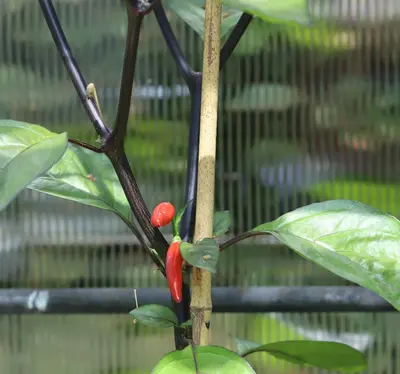
Hot Pepper 'Beaver Dam'
A rare Hungarian heirloom brought to Wisconsin by the Hussli family in 1912, saved from near extinction by the Seed Savers Exchange. These unique peppers start sweet when small and develop medium heat as they mature, offering incredible versatility in the kitchen. The large, productive plants bear distinctively shaped peppers that are perfect for fresh eating, frying, or drying into paprika.
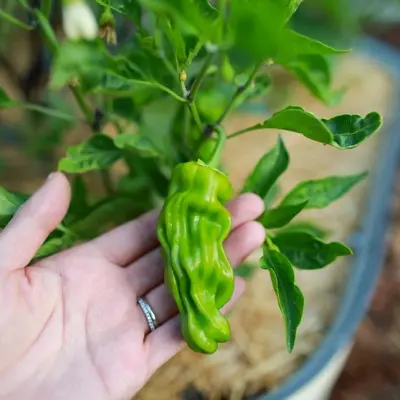
Hot Pepper 'Fresno'
Often called the 'red jalapeño,' this versatile California-bred pepper offers the perfect medium heat level with a bright, fresh flavor that works in countless dishes. Fresno peppers ripen from green to brilliant red, developing more sweetness and complexity as they mature, making them ideal for both fresh and cooked applications. Their approachable heat level and exceptional flavor make them a favorite among both novice and experienced gardeners.
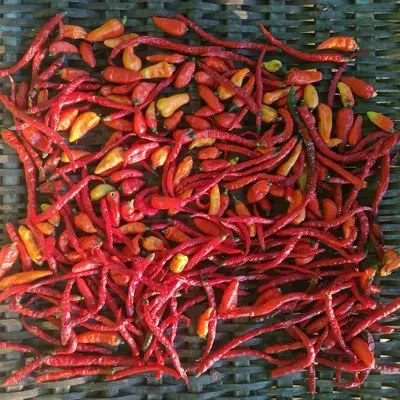
Hot Pepper 'Habanero Red'
The classic Caribbean fire-breather that delivers serious heat along with distinctive fruity flavor that sets it apart from other hot peppers. These wrinkled, lantern-shaped peppers pack intense heat (100,000-350,000 Scoville units) but also offer complex tropical fruit notes. A must-grow for hot sauce enthusiasts and anyone serious about adding authentic heat to their cooking.
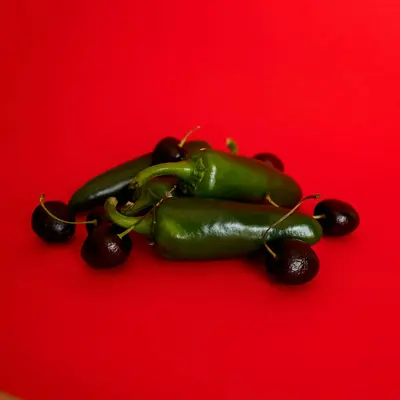
Hot Pepper 'Jalapeño M'
The improved version of America's most popular hot pepper, bred for consistent size, earlier maturity, and reliable heat levels. These classic jalapeños deliver the perfect balance of moderate heat and fresh pepper flavor that makes them indispensable in kitchens everywhere. Heavy-producing plants ensure you'll have plenty for fresh salsas, stuffing, and pickling all season long.
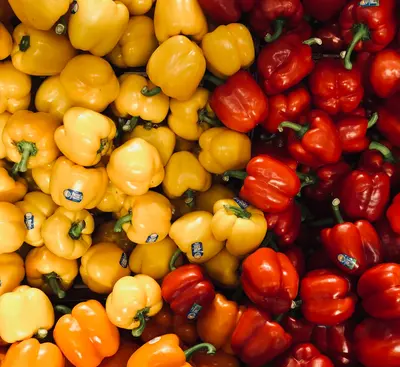
Hot Pepper 'Joe's Long Cayenne'
An exceptional heirloom cayenne variety that produces remarkably long, slender peppers up to 10 inches in length with intense heat and outstanding flavor. This Italian heirloom is incredibly productive and the peppers dry beautifully, making it perfect for creating homemade hot pepper flakes and powder. A favorite among serious hot pepper growers for its reliability and impressive yields.
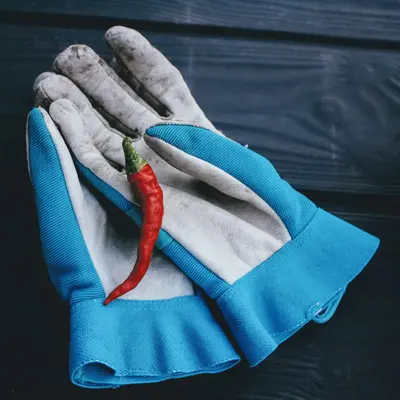
Hot Pepper 'NuMex Big Jim'
Developed at New Mexico State University, this record-holding chile can grow up to 12 inches long and holds the Guinness World Record for largest chile pepper. With mild to moderate heat and meaty flesh, it's the ultimate pepper for stuffing, roasting, or making authentic New Mexican cuisine.
Hungarian Hot Wax
Growers in the Pacific Northwest and Northern Tier of the US rely on Hungarian Hot Wax because it matures very early in cool, wet weather. However, many commercial strains have been poorly maintained; plants grown from these lots are often floppy, and the fruits vary in size, shape, and heat level. In 2015, our breeding team began improving this variety through 3 cycles of selective plant breeding. Our newly selected strain features an upright plant and uniform fruits. The greatly improved plant architecture offers better fruit protection and faster/easier harvests with minimal fruit damage! Smooth, tapered, and moderately spicy fruits avg. 5 1/2" x 1 1/2" and mature from pale yellow to orange red, and finally, to a vibrant red. Excellent for frying, roasting, or pickling.
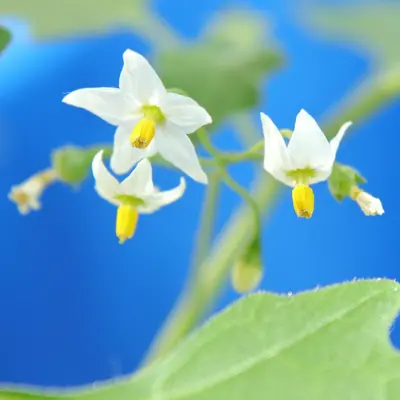
Jalapeño 'Craig's Grande'
An exceptionally large jalapeño variety that produces peppers nearly twice the size of standard jalapeños while maintaining authentic heat and flavor. These jumbo peppers are perfect for stuffing, and their thick walls make them ideal for jalapeño poppers and grilling applications. A must-grow for jalapeño lovers who want impressive size.
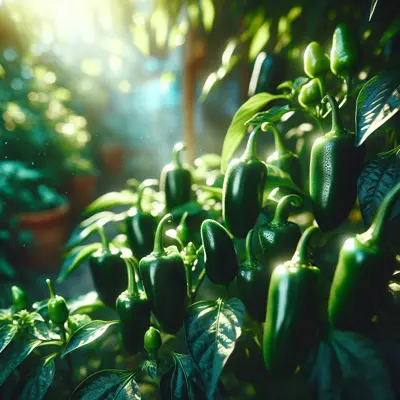
Jalapeño 'Early Jalapeño'
The quintessential hot pepper for American gardens, offering the perfect balance of heat and flavor that made jalapeños famous. This early variety produces abundant harvests of thick-walled, 3-inch peppers with that distinctive jalapeño taste and moderate heat level. Whether you're making fresh salsa, poppers, or want to smoke them into chipotles, this reliable variety delivers authentic jalapeño flavor.
Jalapeño 'Fooled You'
The perfect jalapeño for those who love the flavor but not the heat! This innovative variety delivers all the classic jalapeño taste and aroma with virtually no spiciness, making it ideal for family gardens where heat tolerance varies. Harvest green or let ripen to red for a sweeter flavor.
Jalapeño 'Gigante'
A supersized version of the beloved jalapeño that produces extra-large peppers up to 4 inches long while maintaining the classic jalapeño heat level and flavor profile. These jumbo jalapeños are perfect for stuffing, making large batches of salsa, or when you simply want more bang for your buck from each pepper. The vigorous plants are incredibly productive and deliver the authentic jalapeño taste in an impressively large package.
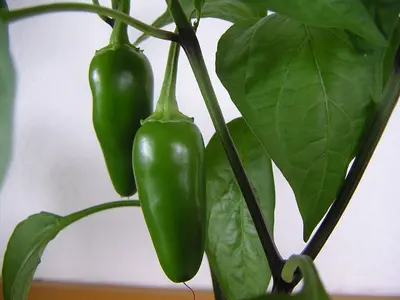
Jalapeño 'Jalapeño M'
The classic jalapeño that defines medium heat for most home gardeners, delivering consistent 2,500-8,000 Scoville units. This reliable variety produces abundant harvests of thick-walled peppers perfect for fresh salsas, pickling, or smoking into chipotle peppers. A must-have variety that bridges the gap between sweet and truly hot peppers.
Jalapeño 'Mucho Nacho'
An AAS-winning jalapeño that produces extra-large 4-inch peppers perfect for stuffing and making poppers. This variety delivers classic jalapeño heat and flavor while offering significantly larger fruits than standard varieties. The vigorous plants are incredibly productive and provide a steady harvest throughout the growing season.
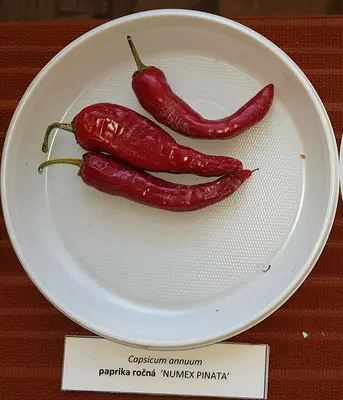
Jalapeño 'NuMex Piñata'
A colorful twist on the classic jalapeño, featuring fruits that ripen through a stunning spectrum of purple, yellow, orange, and finally red. Developed by New Mexico State University, this variety maintains the traditional jalapeño heat and flavor while adding visual excitement to gardens and dishes. The compact plants are exceptionally productive and perfect for containers.
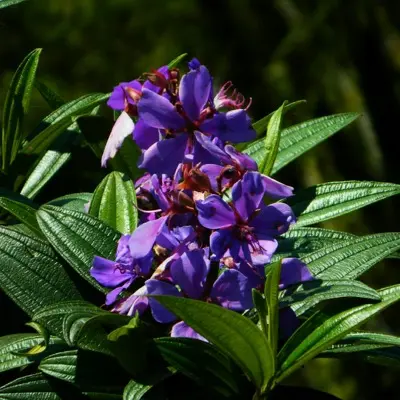
Jalapeño 'Purple Jalapeño'
A stunning ornamental and culinary pepper that produces deep purple fruits with dark purple stems and leaves, creating a dramatic garden display. The peppers pack the same heat and flavor as traditional jalapeños but add incredible visual appeal to both the garden and the plate. This unique variety turns from purple to red when fully mature, offering multiple harvest stages.
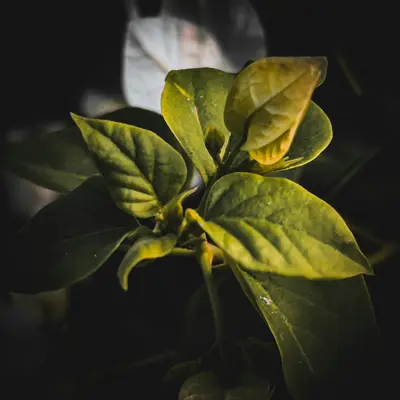
Jalapeño 'TAM Mild Jalapeño'
A Texas-developed variety that delivers all the classic jalapeño flavor and appearance with significantly reduced heat levels. Perfect for gardeners who want the authentic taste for salsas and Mexican dishes without the intense burn. These productive plants yield abundant 3-inch peppers that are ideal for pickling, stuffing, or using fresh.
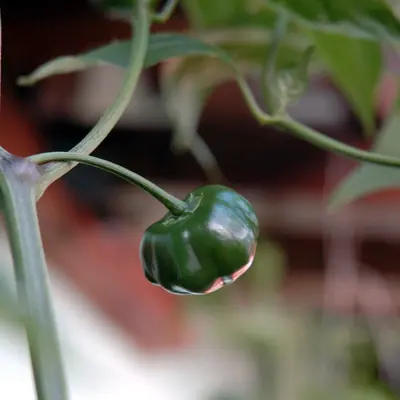
Mad Hatter
These unusually shaped peppers resemble a bishop's crown. Fruits avg. 2 1/4" in diameter and are borne on big bushy plants. Moderately sweet flesh with floral and citrus notes and a touch of heat near the seed cavity. AAS Winner.
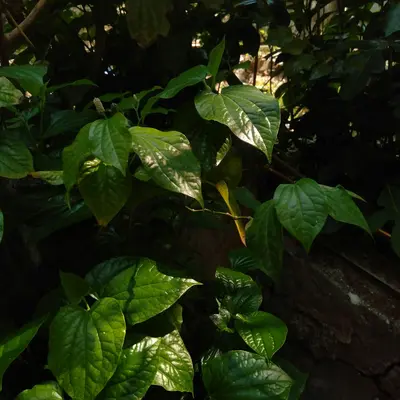
New Mexico Hatch Chile 'Sandia'
The authentic New Mexican chile that defines the cuisine of the Southwest, offering medium heat with incredible flavor depth perfect for roasting. Developed at New Mexico State University, Sandia produces large, thick-walled pods that blister beautifully and develop complex smoky-sweet flavors when roasted. This is the real deal for making traditional green chile dishes and ristras.
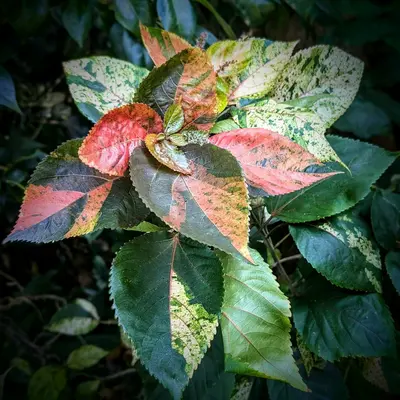
Padron Pepper
Named after the town where they originated. Harvest Padron peppers when they are 1-1 1/2" long. About 1 out of 20 fruits will be hot, and the rest mild. All the fruits become hot if allowed to grow 2-3" long. Typically sautéed in olive oil with a little sea salt and eaten as tapas (appetizers) in Spain.
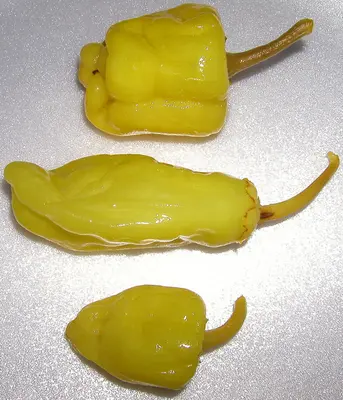
Pepperoncini 'Golden Greek'
The classic mild pepper that's essential for Greek salads, antipasto platters, and Mediterranean cuisine. These golden-yellow peppers offer a tangy, slightly sweet flavor with just a hint of heat, making them perfect for pickling or eating fresh. Incredibly productive plants will keep you supplied with these versatile peppers all season long.
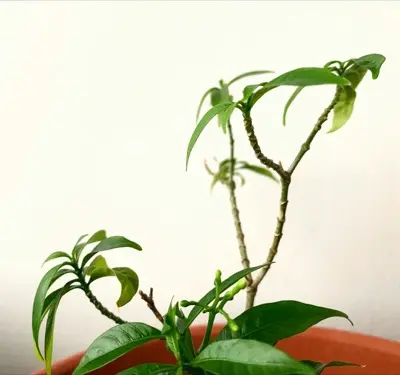
Peter Pepper
Peter Pepper is a distinctive hybrid chili pepper known for its phallic shape, ripening from green to red in approximately 112 days. This moderately hot pepper (5,000-30,000 Scoville units) offers an earthy, slightly smoky flavor profile that appeals to heat enthusiasts seeking more than just spice. Its unique appearance makes it a conversation starter in gardens and kitchens. Best grown in full sun with well-draining sandy loam soil, Peter Pepper thrives even in less-than-ideal soil conditions, making it relatively accessible for home gardeners at moderate skill levels.
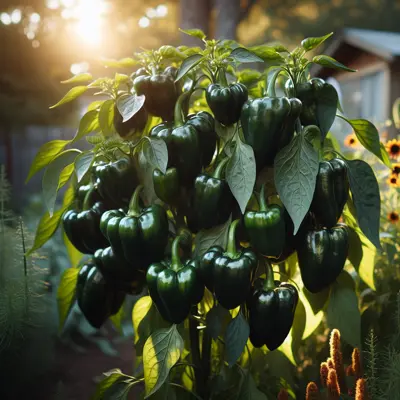
Poblano 'Ancho Poblano'
The backbone of Mexican cuisine, this mild to medium-heat pepper is perfect for stuffing, roasting, and making authentic chiles rellenos. When fresh, they're called poblanos; when dried, they become the coveted ancho chile that adds deep, smoky flavor to sauces and moles. Their large size and thick walls make them incredibly versatile for both fresh cooking and preservation.
Poblano 'Mulato Isleno'
An exceptional heirloom poblano variety prized for its large size, thick walls, and rich flavor perfect for chiles rellenos. When dried, these peppers become mulato chiles, adding deep chocolate and fruit notes to moles and sauces. This authentic Mexican variety produces consistently large, heart-shaped peppers with mild heat that won't overpower delicate dishes.
Poblano 'Mulato'
A traditional Mexican poblano variety that produces large, heart-shaped peppers perfect for chiles rellenos and authentic Mexican cooking. When fresh, these peppers offer mild heat and rich flavor, and when dried they become mulato chiles - one of the essential peppers for mole sauce. An absolute must for serious Mexican cuisine enthusiasts.
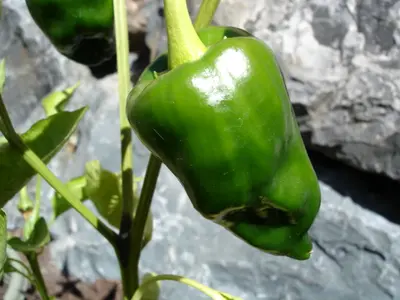
Poblano 'Poblano Pepper'
The essential mild chile for authentic Mexican cuisine, offering just enough heat to be interesting without overwhelming delicate palates. These large, heart-shaped peppers are perfect for stuffing to make chiles rellenos or roasting until charred for incredible smoky flavor. When dried, they become the beloved ancho chile that's fundamental to Mexican cooking.

Poblano 'Tiburon'
A premium hybrid poblano developed for consistently large, thick-walled fruits that are perfect for chiles rellenos and roasting. Tiburon produces heart-shaped peppers with mild heat and rich flavor, while offering improved disease resistance and more uniform fruit set than traditional poblano varieties. This variety excels in both home gardens and commercial production.
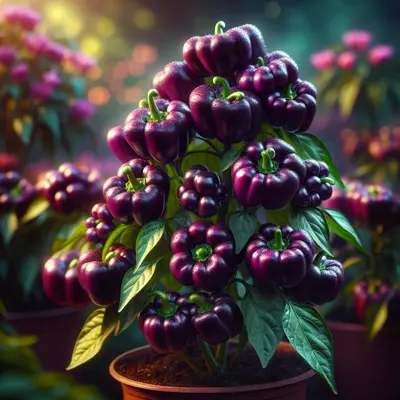
Purple Beauty Bell Pepper
A stunning ornamental and edible bell pepper that produces gorgeous deep purple fruits that eventually ripen to red if left on the plant. This eye-catching variety combines the classic sweet bell pepper flavor with incredible visual appeal, making it perfect for gardeners who want both beauty and function in their vegetable gardens. The compact plants are ideal for containers and add dramatic color to any garden space.
Scotch Bonnet 'Scotch Bonnet Orange'
The fiery heart of Caribbean cuisine, this traditional hot pepper delivers intense heat paired with a distinctive fruity flavor that's essential for authentic jerk seasoning and hot sauces. Despite its small size, each wrinkled, bonnet-shaped pepper packs serious punch at 100,000-350,000 Scoville units. This variety is prized by chili enthusiasts for its perfect balance of heat and complex tropical fruit notes.
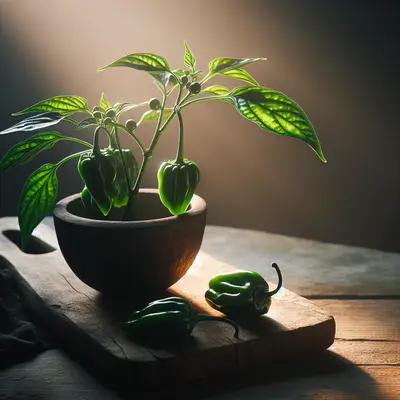
Serrano 'Tampiqueno'
A fiery favorite that packs serious heat into a small package, delivering 2-5 times the punch of a jalapeño with incredible productivity throughout the growing season. These slender peppers are essential for authentic Mexican salsas and hot sauces, offering a clean, bright heat that doesn't overpower the fresh pepper flavor. One plant produces hundreds of peppers, making it a must-have for hot pepper enthusiasts.
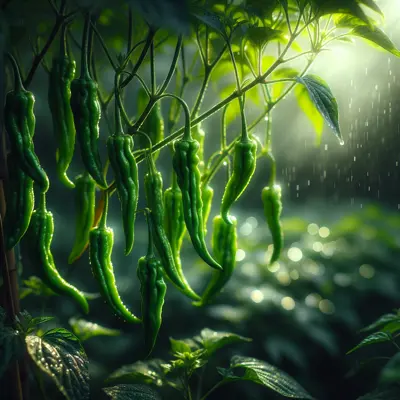
Shishito 'Japanese Shishito'
The darling of modern cuisine and gastropubs, these slender Japanese peppers offer addictive mild flavor with the thrilling surprise that about 1 in 10 packs a spicy punch. Perfect for blistering in a hot pan with just salt and olive oil, shishitos have become the go-to appetizer pepper for home cooks wanting to recreate restaurant favorites. Their prolific production and easy growing habit make them ideal for gardeners seeking something trendy yet reliable.
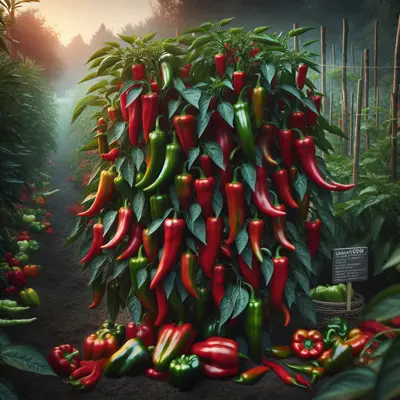
Sweet Italian Pepper 'Marconi Rosso'
An exceptional Italian heirloom frying pepper renowned for its incredible sweetness and tender flesh when cooked. These long, tapered peppers start green and ripen to a gorgeous deep red, developing an almost candy-like sweetness that makes them irresistible grilled, roasted, or sautéed. A favorite among Italian-American gardeners and chefs who prize authentic flavors in their cooking.

Sweet Pepper 'Bull's Horn'
This spectacular Italian heirloom produces enormous 8-inch peppers shaped like a bull's horn with incredibly sweet, tender flesh. The thin-skinned fruits are perfect for frying, roasting, or fresh eating, and their impressive size makes them a showstopper in any garden or kitchen.
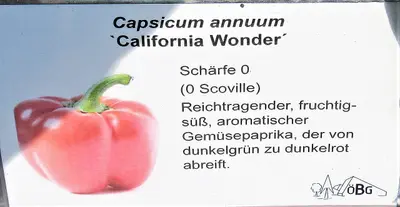
Sweet Pepper 'California Wonder'
The gold standard for home garden bell peppers since 1928, this reliable heirloom produces thick-walled, blocky peppers that are perfect for stuffing, grilling, or eating fresh. Known for consistent production and excellent disease resistance, it's the variety that taught generations of gardeners how to grow peppers successfully. The classic choice that never goes out of style.
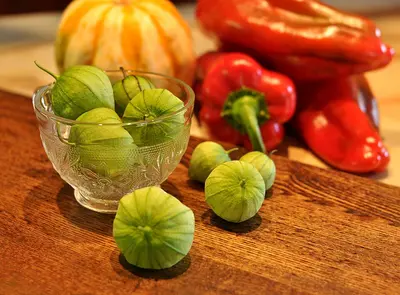
Sweet Pepper 'Carmen'
A gorgeous Italian bull's horn pepper that starts green and ripens to a brilliant red with incredibly sweet, crisp flesh. This AAS winner produces abundant 4-6 inch tapered fruits that are perfect for fresh eating, roasting, or stuffing. Carmen consistently outperforms other sweet peppers in both flavor and productivity, making it a must-grow for pepper lovers.
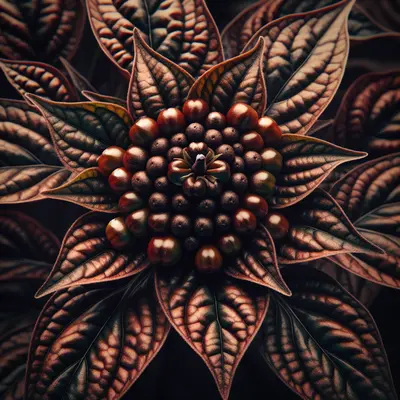
Sweet Pepper 'Chocolate Beauty'
A stunning sweet pepper that ripens to a rich chocolate-brown color, making it a true conversation starter in the garden and kitchen. Despite its dark appearance, the flavor is exceptionally sweet and fruity with thick, crisp walls perfect for fresh eating. This unique variety adds both visual interest and gourmet flavor to any pepper collection.
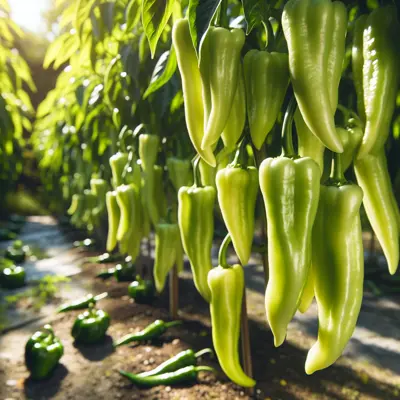
Sweet Pepper 'Cubanelle'
Often called the 'Italian Frying Pepper,' this sweet, thin-walled variety is prized for its exceptional flavor and tender texture that makes it perfect for quick cooking. Popular in Caribbean and Italian cuisine, Cubanelle peppers offer a mild, sweet taste with just a hint of heat that appeals to all palates. Their elongated shape and vibrant color make them as beautiful in the garden as they are delicious on the plate.
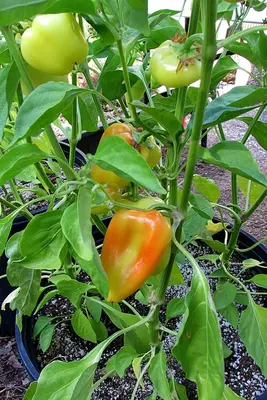
Sweet Pepper 'Gypsy'
An All-America Selections winner beloved for its exceptional productivity and sweet, crisp flavor in a compact plant perfect for small gardens. This hybrid produces an abundance of colorful peppers that transition from pale yellow to orange to bright red, making it as ornamental as it is delicious. The thin-skinned fruits are perfect for fresh eating and cook quickly in stir-fries.
Sweet Pepper 'Jimmy Nardello's'
An extraordinary Italian heirloom sweet pepper brought to America in 1887 and saved from extinction by the Nardello family for over a century. These long, curved peppers are incredibly sweet and develop an almost candy-like flavor when cooked, making them absolutely irresistible in Italian dishes. The thin skin doesn't require peeling, and they're perfect for frying, where they become tender and intensely flavorful.
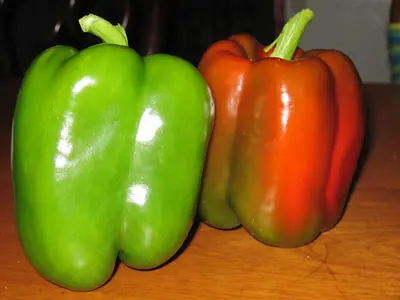
Sweet Pepper 'King Arthur'
A premium hybrid bell pepper that produces enormous, blocky fruits with incredibly thick walls and exceptional sweetness. This variety consistently wins taste tests among gardeners for its crisp texture and superior flavor that develops even more complexity when roasted. 'King Arthur' sets the gold standard for homegrown bell peppers with its reliable production and restaurant-quality results.
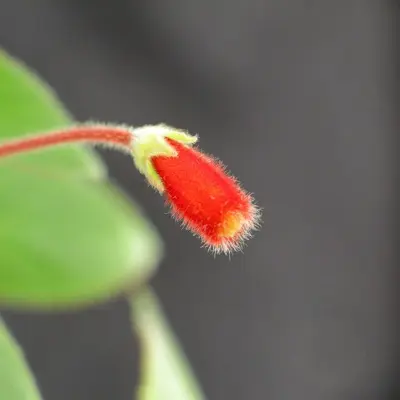
Sweet Pepper 'Lipstick'
A delightful mini sweet pepper that's become a farmer's market favorite for its perfect snack size and exceptional sweetness. These glossy, bright red peppers are shaped like small lipstick tubes and offer incredible flavor in a compact package. Extremely productive plants make this variety perfect for container growing and continuous harvesting throughout the season.
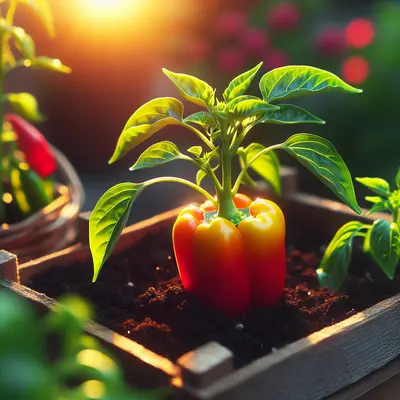
Sweet Pepper 'Mini Bell Mix'
Adorable bite-sized bell peppers in a rainbow of colors including red, yellow, orange, and purple, perfect for snacking and lunch boxes. These compact plants are incredibly productive, churning out dozens of crisp, sweet mini peppers throughout the season. Ideal for container gardening and small spaces, they bring both beauty and functionality to any garden.
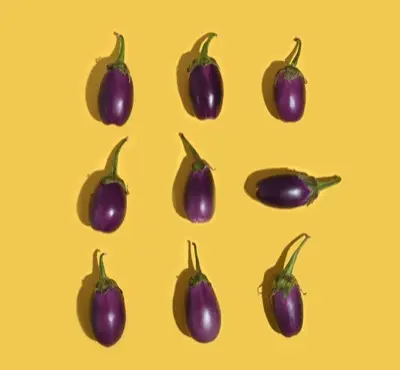
Sweet Pepper 'Purple Flash'
An ornamental pepper that's as beautiful as it is delicious, featuring stunning purple and cream variegated foliage topped with small, colorful peppers that ripen from purple to orange to red. This compact variety works perfectly as an edible landscape plant or container specimen, offering sweet, mild peppers alongside incredible visual appeal. Purple Flash proves that peppers can be both functional and gorgeous in the garden.

Thai Hot 'Thai Dragon'
This compact powerhouse delivers authentic Thai cuisine heat in an ornamental package that's as beautiful as it is blazing hot. The small, upward-pointing peppers start green and ripen through yellow, orange, and finally bright red, creating a stunning multicolored display while packing intense heat that's essential for pad thai, curries, and Asian stir-fries. Perfect for containers and small spaces, one plant produces hundreds of fiery little peppers.
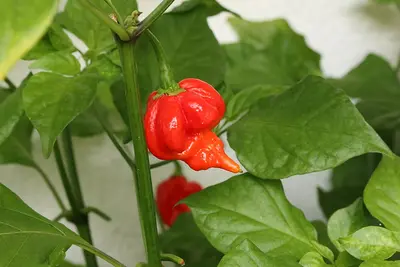
Trinidad Scorpion 'Butch T'
One of the world's hottest peppers, this Trinidad native delivers scorching heat that builds intensity like a venomous sting. The wrinkled, tail-like pods ripen to a brilliant red and pack serious firepower for hot sauce makers and extreme heat enthusiasts. Despite the intimidating heat, these peppers offer a fruity, almost floral flavor underneath the burn.
Zone 9 Growing Tips
Start pepper seeds indoors 8-10 weeks before your last frost date, which means getting seeds in the ground by mid-December for Zone 9. This early start gives transplants time to develop strong root systems before the growing season kicks into high gear. Plan to transplant outdoors in late February or early March, but keep row cover handy for unexpected cold snaps that can still occur through early March.
Your biggest challenge will be managing summer heat stress from June through August. Install shade cloth (30-40%) during peak summer to prevent flower drop and sunscald on developing fruits. Mulch heavily to keep soil temperatures stable and maintain consistent moisture—peppers hate wet-dry cycles, especially during fruit development. Consider succession planting heat-sensitive varieties like bells in both early spring and late summer for fall harvests when they'll perform better.
Take advantage of your extended season by planting superhot varieties like Carolina Reaper and Ghost Pepper in early March. These need every bit of your 290-day growing season to reach full heat potential. For continuous harvests, plant fast-maturing varieties like 'Sweet Banana' and 'Early Jalapeño' every 3-4 weeks through August for fresh peppers well into December.
Season Overview
With your last frost around February 15th and first frost holding off until December 1st, you're working with roughly 290 days of growing season—enough time for even the most demanding superhot varieties to fully mature. This timing means you can start harvesting early varieties by May and continue picking fresh peppers through Thanksgiving weekend. Your long, warm fall is particularly valuable for peppers, as many varieties actually improve in flavor and heat as temperatures moderate in October and November, giving you premium harvests when most gardeners have already finished their pepper season.