Poblano 'Ancho Poblano'
Capsicum annuum 'Ancho Poblano'
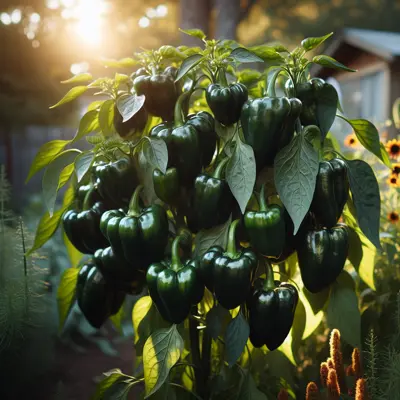
The backbone of Mexican cuisine, this mild to medium-heat pepper is perfect for stuffing, roasting, and making authentic chiles rellenos. When fresh, they're called poblanos; when dried, they become the coveted ancho chile that adds deep, smoky flavor to sauces and moles. Their large size and thick walls make them incredibly versatile for both fresh cooking and preservation.
Harvest
65-75d
Days to harvest
Sun
Full sun
Zones
4–11
USDA hardiness
Height
1-3 feet
Planting Timeline
Showing dates for Poblano 'Ancho Poblano' in USDA Zone 7
All Zone 7 pepper →Zone Map
Click a state to update dates
Poblano 'Ancho Poblano' · Zones 4–11
Growing Details
Succession Planting
Poblanos are a one-time-transplant crop that keeps producing from first set to frost — you don't succession-plant them the way you would lettuce or radishes. Start seeds indoors 8–10 weeks before your last frost date (early February to early March in zone 7), transplant out in late April to May once nights are reliably above 55°F, and that single planting carries you through a July–September harvest window. Put your succession energy into something else.
Complete Growing Guide
This cultivar's 65-75 day maturity makes it ideal for starting seeds indoors 8-10 weeks before your last frost, as poblanos need warm soil (75-80°F) to germinate reliably and benefit from extended growing seasons to produce their characteristically large, thick-walled fruits. Unlike smaller pepper varieties, Ancho Poblanos require sturdy support structures since their heavy yields can snap branches; space plants 18-24 inches apart in full sun with well-draining, fertile soil amended with compost. While generally pest-resistant, this variety shows moderate susceptibility to spider mites during hot, dry conditions, so consistent watering and occasional misting help prevent infestations. A practical advantage of this cultivar is its dual-stage harvest potential—pick peppers green for fresh use or allow them to fully mature to deep red for superior drying and deeper flavor development in traditional mole preparations. Avoid excessive nitrogen fertilizer, which encourages vegetative growth at the expense of fruit production.
Light: Full sun (6 or more hours of direct sunlight a day). Soil: Clay, High Organic Matter, Loam (Silt), Sand. Soil pH: Acid (<6.0), Alkaline (>8.0), Neutral (6.0-8.0). Drainage: Good Drainage. Height: 1 ft. 0 in. - 3 ft. 8 in.. Spread: 0 ft. 6 in. - 1 ft. 0 in.. Spacing: 12 inches-3 feet. Growth rate: Medium. Maintenance: Low. Propagation: Seed. Regions: Coastal, Mountains, Piedmont.
Harvesting
Harvest poblanos when they reach full size (4-6 inches long) and display a deep, glossy dark green color with thick, firm walls that feel substantial in your hand. For fresh use in chiles rellenos or roasting, pick at this mature green stage. If you prefer the dried ancho form, allow peppers to remain on the plant until they shift to a deep burgundy-red color, which concentrates sugars and develops the characteristic smoky complexity. Practice continuous harvesting of mature green fruits to encourage ongoing production throughout the season, removing peppers regularly to redirect plant energy toward new flower development. A key timing tip: harvest in early morning when peppers are crisp and fully hydrated, making them less prone to splitting during the stuffing or drying process.
Fruits are a non-pulpy berry and vary considerably across cultivars. Some are long, thin, bright red, and spicy; others are thick, large, and sweet-tasting; others still are small and in ornamental shapes and colors, grown as decoration.
Color: Black, Gold/Yellow, Green, Orange, Red/Burgundy. Type: Berry. Length: 1-3 inches. Width: < 1 inch.
Garden value: Edible, Good Dried, Showy
Harvest time: Summer
Edibility: Fruits edible, but spiciness is unpredictable in intensity.
Storage & Preservation
Fresh poblano peppers store best at 45–50°F with 85–95% humidity, ideally in perforated plastic bags within a refrigerator crisper drawer, where they'll keep for two to three weeks. For longer preservation, freezing works well: char and peel the peppers, then freeze whole or sliced in airtight containers for up to eight months. Roasting and freezing in their charred skins maintains the best flavor for later use in chiles rellenos. Drying is particularly suited to this variety—hang whole peppers in a warm, well-ventilated space until completely brittle (two to three weeks), then store in airtight containers away from light. Dried poblanos become the prized ancho chile, developing deeper, more complex flavor notes. Canning as rajas (roasted strips in vinegar) is also popular for shelf-stable storage. Because this variety excels at drying, dedicating a portion of your harvest to the dehydration process will give you the most authentic ancho product for moles and long-term pantry use.
History & Origin
The Poblano pepper originates from Puebla, Mexico, where it has been cultivated for centuries as part of indigenous and colonial-era agricultural traditions. While specific breeder documentation and introduction dates are not well-documented in modern seed cataloging systems, the variety emerged from Capsicum annuum populations native to Mesoamerica. The pepper's dual identity—fresh poblanos and their dried form, ancho chiles—reflects centuries of Mexican culinary tradition rather than formal breeding. The distinctive large size, thick walls, and mild heat profile represent natural selection within regional farming communities who preserved seeds from plants best suited to stuffing and sauce-making. Modern seed companies now offer standardized cultivars, but the variety remains rooted in traditional Mexican agriculture.
Origin: Tropical North and South America
Advantages
- +Dual-purpose pepper transforms from fresh poblano to dried ancho with deep flavor
- +Thick-walled fruits perfect for stuffing and roasting with excellent structural integrity
- +Mild heat level (1,000-2,000 Scoville) accessible to heat-sensitive gardeners and families
- +Early maturity in 65-75 days ensures harvest before first frost in most zones
- +Versatile for fresh cooking, preservation, drying, and traditional Mexican cuisine applications
Considerations
- -Susceptible to bacterial spot and pepper mottle virus requiring careful disease management
- -Vulnerable to multiple pests including pepper weevil and spider mites simultaneously
- -Large plant size demands substantial garden space and consistent watering throughout season
Companion Plants
Marigolds — specifically French marigolds (Tagetes patula) — are worth the bed space. They exude alpha-terthienyl from their roots, which suppresses soil nematodes, and their scent appears to disrupt aphid and spider mite orientation at close range. Basil fills a different niche without crowding: its roots sit shallower than a poblano's and it doesn't compete for the same water column. Onions are a solid third option — they deter some aphid pressure and take up almost no lateral space alongside an 18-inch-spaced pepper row. One thing to keep in mind: don't plant hot peppers within pollinator range of sweet peppers. NC State Extension flags this directly — capsaicin is genetically dominant, and insect cross-pollination can make your sweet pepper fruits taste hot within the same season.
Fennel releases allelopathic root compounds that stunt most vegetables, and poblanos are no exception — give it its own container or a bed far from the nightshades. Black walnut (Juglans nigra) produces juglone throughout its root zone and in its leaf litter, and peppers are sensitive enough that planting under or near a walnut canopy will cost you yield. Brassicas aren't chemically aggressive, but they share aphid pressure and pull heavily on soil nitrogen, so placing them adjacent to peppers just stacks the odds against you.
Plant Together
Basil
Repels aphids, spider mites, and thrips while potentially enhancing pepper flavor
Marigold
Deters nematodes, aphids, and whiteflies with natural compounds
Carrot
Loosens soil for pepper roots and doesn't compete for nutrients
Nasturtium
Acts as trap crop for aphids and cucumber beetles
Parsley
Attracts beneficial insects like hoverflies and parasitic wasps
Tomato
Similar growing requirements and can share space efficiently
Oregano
Repels cucumber beetles and provides ground cover to retain moisture
Onion
Repels aphids, thrips, and other pests while improving soil health
Keep Apart
Fennel
Produces allelopathic compounds that inhibit pepper growth and development
Walnut
Releases juglone toxin that stunts pepper growth and causes wilting
Brassicas
Compete heavily for nutrients and may stunt pepper growth through root competition
Nutrition Facts
Per 100g serving. % Daily Value based on 2,000 calorie diet. Source: USDA FoodData Central (FDC #2747662)
Pests & Disease Resistance
Resistance
Good resistance to tobacco mosaic virus, moderate bacterial spot resistance
Common Pests
Aphids, pepper weevil, cutworms, spider mites
Diseases
Bacterial spot, phytophthora blight, pepper mottle virus
Troubleshooting Poblano 'Ancho Poblano'
What you'll see, why it happens, and what to do about it.
Sunken, papery brown or black patch on the bottom or side of the fruit, usually visible around 65 days after transplant
Likely Causes
- Blossom end rot — localized calcium deficiency in the developing fruit, often triggered by inconsistent watering
- High ammonium nitrogen fertilizer levels interfering with calcium uptake
- Low soil calcium
What to Do
- 1.Water deeply and consistently — 1 inch per week, don't let the soil dry out between waterings
- 2.Mulch around the base of the plants to hold soil moisture steady
- 3.Get a soil test before adding calcium amendments; if pH is already below 6.0, lime will address both pH and calcium at once
Small, water-soaked spots on leaves and fruit that turn brown and scabby, sometimes with a yellow halo; spreads fast in wet weather
Likely Causes
- Bacterial spot (Xanthomonas campestris pv. vesicatoria) — spreads by rain splash and overhead irrigation
- Working in the garden when foliage is wet
What to Do
- 1.Switch to drip irrigation or soaker hoses to keep foliage dry
- 2.Remove and bag heavily infected leaves — don't compost them
- 3.Rotate peppers and all other nightshades (tomatoes, eggplant, potatoes) out of that bed for at least 2 seasons to break the disease cycle
Leaves curl, pucker, and mottle yellow-green; plant looks stunted and may stop setting fruit
Likely Causes
- Pepper mottle virus (PepMoV) — transmitted by aphid feeding
- Aphid colonies on new growth, often hidden under leaves
What to Do
- 1.Inspect the undersides of leaves weekly; knock aphids off with a firm spray of water or apply insecticidal soap
- 2.Remove and bag any plant showing confirmed mosaic mottling — there's no cure once a plant is infected
- 3.Plant nasturtiums nearby as a trap crop to draw aphids away from your peppers
Frequently Asked Questions
How long does poblano 'ancho poblano' take to grow from seed?▼
Can you grow poblano peppers in containers?▼
What's the difference between poblano and ancho peppers?▼
Are poblano peppers good for beginner gardeners?▼
When should I plant poblano pepper seeds?▼
How hot are poblano 'ancho poblano' peppers?▼
Zone-by-Zone Planting Calendar
| Zone | Indoor Start | Transplant | Direct Sow | Harvest |
|---|---|---|---|---|
| Zone 1 | May – May | July – August | — | September – August |
| Zone 2 | April – May | June – July | — | September – September |
| Zone 11 | January – January | January – February | — | April – June |
| Zone 12 | January – January | January – February | — | April – June |
| Zone 13 | January – January | January – February | — | April – June |
| Zone 3 | April – April | June – July | — | August – October |
| Zone 4 | March – April | June – June | — | August – October |
| Zone 5 | March – March | May – June | — | August – October |
| Zone 6 | March – March | May – June | — | July – September |
| Zone 7 | February – March | April – May | — | July – September |
| Zone 8 | February – February | April – May | — | June – August |
| Zone 9 | January – January | March – April | — | May – July |
| Zone 10 | January – January | February – March | — | May – July |
Growing Guides from Wind River Greens
Sources & References
External authority sources used in compiling this guide.
See the Methodology page for how this data is sourced, what's AI-assisted, and known limitations.
More Peppers
Carolina Reaper
Sweet Pepper 'Carmen'
Ghost Pepper 'Bhut Jolokia'
Scotch Bonnet 'Scotch Bonnet Orange'
Chocolate Habanero
Sweet Italian Pepper 'Marconi Rosso'
Purple Beauty Bell Pepper
Mad Hatter