Jalapeño 'TAM Mild Jalapeño'
Capsicum annuum 'TAM Mild Jalapeño'
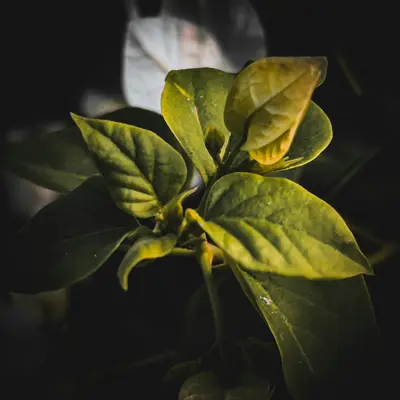
A Texas-developed variety that delivers all the classic jalapeño flavor and appearance with significantly reduced heat levels. Perfect for gardeners who want the authentic taste for salsas and Mexican dishes without the intense burn. These productive plants yield abundant 3-inch peppers that are ideal for pickling, stuffing, or using fresh.
Harvest
70-75d
Days to harvest
Sun
Full sun
Zones
4–11
USDA hardiness
Height
1-3 feet
Planting Timeline
Showing dates for Jalapeño 'TAM Mild Jalapeño' in USDA Zone 7
All Zone 7 pepper →Zone Map
Click a state to update dates
Jalapeño 'TAM Mild Jalapeño' · Zones 4–11
Growing Details
Complete Growing Guide
This Texas cultivar matures rapidly at 70-75 days, so succession plant every two weeks for continuous harvest rather than a single flush. TAM Mild Jalapeños prefer warm soil (at least 70°F) and consistent moisture—inconsistent watering can trigger blossom-end rot, a common issue in this variety. Unlike hotter jalapeños, this mild type shows less vigor in extreme heat and performs better with afternoon shade in zones 9+. While generally pest-resistant, watch for spider mites in hot, dry conditions and ensure good air circulation to prevent powdery mildew. The plants remain relatively compact at 1-3 feet, but don't let them stretch indoors before transplanting—harden them off thoroughly to prevent stunted growth. Pick peppers at their mature dark-green stage or allow them to red ripen for sweeter flavor, which develops faster in this mild variety than in standard jalapeños.
Light: Full sun (6 or more hours of direct sunlight a day). Soil: Clay, High Organic Matter, Loam (Silt), Sand. Soil pH: Acid (<6.0), Alkaline (>8.0), Neutral (6.0-8.0). Drainage: Good Drainage. Height: 1 ft. 0 in. - 3 ft. 8 in.. Spread: 0 ft. 6 in. - 1 ft. 0 in.. Spacing: 12 inches-3 feet. Growth rate: Medium. Maintenance: Low. Propagation: Seed. Regions: Coastal, Mountains, Piedmont.
Harvesting
Harvest TAM Mild Jalapeños when they reach their full 3-inch length and transition from green to a deep red color, though they can be picked at the mature green stage for milder flavor. The peppers should feel firm with a slight give when gently squeezed, indicating peak ripeness. This variety responds exceptionally well to continuous harvesting—removing mature peppers regularly encourages the plant to produce more fruit throughout the season rather than focusing energy on a single flush. For optimal sweetness and heat balance, pick peppers in the early morning after the dew dries, as this timing allows the fruit to have cooled overnight and developed fuller flavor compounds. Regular harvesting from these productive plants can extend your yield well into the fall.
Fruits are a non-pulpy berry and vary considerably across cultivars. Some are long, thin, bright red, and spicy; others are thick, large, and sweet-tasting; others still are small and in ornamental shapes and colors, grown as decoration.
Color: Black, Gold/Yellow, Green, Orange, Red/Burgundy. Type: Berry. Length: 1-3 inches. Width: < 1 inch.
Garden value: Edible, Good Dried, Showy
Harvest time: Summer
Edibility: Fruits edible, but spiciness is unpredictable in intensity.
Storage & Preservation
Fresh TAM Mild Jalapeños keep best in the refrigerator's crisper drawer at 45–50°F with 85–90% humidity, ideally in a breathable plastic bag or paper towel-lined container. Under these conditions, they'll maintain quality for 2–3 weeks, though they're most flavorful when used within the first week of harvest.
For longer storage, freezing works exceptionally well—simply slice, dice, or leave whole on a baking sheet before transferring to freezer bags. Frozen peppers retain heat and flavor for up to eight months, making them reliable for winter salsa and cooking. Canning is popular for pickling; use a tested recipe with vinegar and salt to ensure safe preservation. Drying is also effective; hang whole peppers in a warm, airy space or use a dehydrator set to 130–150°F until brittle, then store in an airtight container.
Because TAM Mild Jalapeños have thinner walls than standard jalapeños, they dry faster and are particularly suited to this method. Fermentation is another excellent option—pack them with salt brine for a probiotic condiment that develops complex flavor over weeks.
History & Origin
Developed by Texas A&M University's pepper breeding program, the TAM Mild Jalapeño represents a deliberate effort to create a more palatable version of the traditional jalapeño for home gardeners and culinary applications. The "TAM" designation reflects Texas A&M's systematic approach to varietal improvement, though specific breeder names and exact development dates remain less prominently documented in public horticultural records. This variety emerged from the university's broader mission to adapt classic Mexican pepper varieties to regional growing conditions while addressing consumer preferences for flavor without excessive heat. The breeding work built upon decades of jalapeño cultivation tradition in Texas, where the pepper had become culturally and economically significant, ultimately producing a plant that maintains the authentic jalapeño profile while reducing Scoville heat levels to approximately 1,000–3,500 units.
Origin: Tropical North and South America
Advantages
- +Classic jalapeño flavor with minimal heat makes it family-friendly
- +Texas-bred variety produces abundant 3-inch peppers reliably
- +Versatile for fresh eating, pickling, stuffing, and salsa
- +Matures quickly in just 70-75 days from transplant
- +Easy to grow makes it perfect for beginner gardeners
Considerations
- -Susceptible to bacterial spot disease in humid conditions
- -Multiple pest pressures including aphids and pepper maggots require management
- -Vulnerable to pepper mild mottle virus limiting yields
Companion Plants
Basil and French marigolds (Tagetes patula) are the two I'd put closest to peppers. Basil's volatile oils disrupt aphid host-finding behavior — aphids (including Myzus persicae, the green peach aphid) are a steady problem on Capsicum, and anything that breaks their search pattern is worth the bed space. French marigolds exude alpha-terthienyl from their roots, which suppresses root-knot nematodes in the soil. In our zone 7 Georgia garden, nematode pressure builds quietly through summer and you won't see the damage until you pull the plants in September — a marigold border planted at the same time as your peppers gives that suppression effect all season. Onions and carrots occupy shallower and narrower root space than peppers and don't compete for the same soil column, so they work fine as row companions without creating a water-competition fight.
Fennel releases allelopathic compounds that stunt a wide range of vegetables, and peppers are not exempt — give it at least 10 feet of separation or just keep it out of the kitchen garden entirely. Brassicas are a different problem: they're heavy nitrogen feeders that will pull from the same fertility you're building for your peppers, and a cabbage or broccoli plant three feet away will also draw aphids and flea beetles that cross over without much hesitation. Keep them out of the same bed.
Plant Together
Basil
Repels aphids, spider mites, and thrips while potentially improving pepper flavor
Tomatoes
Share similar growing conditions and can provide partial shade for peppers in hot climates
Marigolds
Repel nematodes, aphids, and whiteflies while attracting beneficial insects
Oregano
Repels aphids and provides ground cover while enhancing pepper growth
Carrots
Help break up soil and don't compete for nutrients, allowing better root development
Onions
Repel aphids, spider mites, and other pests through their strong sulfur compounds
Nasturtiums
Act as trap crops for aphids and cucumber beetles while attracting beneficial predators
Parsley
Attracts beneficial insects like parasitic wasps that control pepper pests
Keep Apart
Fennel
Produces allelopathic compounds that inhibit growth and development of peppers
Brassicas
Compete heavily for nutrients and may stunt pepper growth through root competition
Walnut Trees
Produce juglone, a toxic compound that causes wilting and death in pepper plants
Nutrition Facts
Per 100g serving. % Daily Value based on 2,000 calorie diet. Source: USDA FoodData Central (FDC #168576)
Pests & Disease Resistance
Resistance
Good tolerance to bacterial spot and virus diseases
Common Pests
Aphids, pepper maggot, cutworms, flea beetles
Diseases
Bacterial spot, pepper mild mottle virus, anthracnose
Troubleshooting Jalapeño 'TAM Mild Jalapeño'
What you'll see, why it happens, and what to do about it.
Sunken, water-soaked dark spots on the side or blossom end of the fruit, sometimes with gray or black mold developing over the lesion
Likely Causes
- Blossom end rot — localized calcium deficiency in the developing fruit
- Inconsistent watering causing water stress that blocks calcium uptake
- High ammonium-nitrogen fertilizer salts interfering with calcium availability
What to Do
- 1.Water consistently — 1 to 1.5 inches per week, never letting the soil dry out completely during fruit set
- 2.Mulch heavily around the base of plants to hold soil moisture even during Georgia's dry July stretches
- 3.Cut back on high-nitrogen synthetic fertilizers once plants start flowering; side-dress with a calcium-containing amendment like gypsum instead
Small, water-soaked spots on leaves and fruit that turn brown with yellow halos; spots may have a raised or scabby texture on the fruit surface
Likely Causes
- Bacterial spot (Xanthomonas campestris pv. vesicatoria) — spreads rapidly in warm, wet conditions
- Overhead irrigation or heavy rain splashing infected soil onto foliage
What to Do
- 1.Switch to drip irrigation if you can; if not, water at the base and early in the morning so foliage dries before afternoon
- 2.Apply copper-based bactericide at first sign of symptoms, repeating every 7–10 days during wet spells
- 3.Pull and bag heavily infected plants — don't compost them — and rotate peppers out of that bed for at least 2 seasons
Light-colored, papery, sunken patches on the sun-facing side of fruit, showing up in midsummer after the canopy thins out
Likely Causes
- Sunscald — direct UV exposure on fruit that lost leaf cover, either from disease defoliation or over-pruning
What to Do
- 1.Don't strip lower foliage; TAM Mild Jalapeño plants top out at 1–3 feet, so every leaf doing shade work matters
- 2.If bacterial spot has already defoliated the lower half of the plant, drape 30% shade cloth during peak afternoon heat above 95°F
- 3.Pick damaged fruit immediately — sunscald lesions turn into secondary fungal rot fast once the skin is compromised
Tiny holes punched through leaves on young transplants in April and May; foliage looks sandblasted, especially on the newest growth
Likely Causes
- Flea beetles (Epitrix spp.) — they overwinter in soil and crop debris and hit newly transplanted seedlings hard
- Plants under transplant stress or drought are more susceptible to heavy feeding damage
What to Do
- 1.Lay floating row cover over transplants the day you put them in the ground; remove it once plants hit 12 inches and are clearly established
- 2.Clear the bed of old pepper and tomato debris before transplanting — that's where flea beetles spend the winter
- 3.Dust diatomaceous earth around the base of plants to reduce feeding pressure, but reapply after every rain
Frequently Asked Questions
How hot is TAM Mild Jalapeño compared to regular jalapeños?▼
Can you grow TAM Mild Jalapeño in containers?▼
When should I plant TAM Mild Jalapeño seeds?▼
Is TAM Mild Jalapeño good for beginners?▼
How long does TAM Mild Jalapeño take to grow from seed to harvest?▼
What's the difference between TAM Mild Jalapeño and regular jalapeño peppers?▼
Zone-by-Zone Planting Calendar
| Zone | Indoor Start | Transplant | Direct Sow | Harvest |
|---|---|---|---|---|
| Zone 1 | May – May | July – August | — | September – August |
| Zone 2 | April – May | June – July | — | September – September |
| Zone 11 | January – January | January – February | — | April – June |
| Zone 12 | January – January | January – February | — | April – June |
| Zone 13 | January – January | January – February | — | April – June |
| Zone 3 | April – April | June – July | — | August – October |
| Zone 4 | March – April | June – June | — | August – October |
| Zone 5 | March – March | May – June | — | August – October |
| Zone 6 | March – March | May – June | — | July – September |
| Zone 7 | February – March | April – May | — | July – September |
| Zone 8 | February – February | April – May | — | June – August |
| Zone 9 | January – January | March – April | — | May – July |
| Zone 10 | January – January | February – March | — | May – July |
Growing Guides from Wind River Greens
Sources & References
External authority sources used in compiling this guide.
See the Methodology page for how this data is sourced, what's AI-assisted, and known limitations.
More Peppers
Carolina Reaper
Sweet Pepper 'Carmen'
Ghost Pepper 'Bhut Jolokia'
Scotch Bonnet 'Scotch Bonnet Orange'
Chocolate Habanero
Sweet Italian Pepper 'Marconi Rosso'
Purple Beauty Bell Pepper
Mad Hatter