Hot Pepper 'Habanero Red'
Capsicum chinense 'Red Habanero'
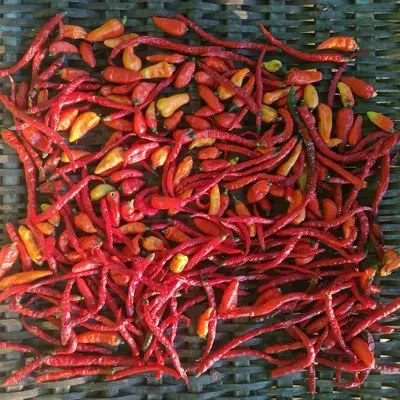
The classic Caribbean fire-breather that delivers serious heat along with distinctive fruity flavor that sets it apart from other hot peppers. These wrinkled, lantern-shaped peppers pack intense heat (100,000-350,000 Scoville units) but also offer complex tropical fruit notes. A must-grow for hot sauce enthusiasts and anyone serious about adding authentic heat to their cooking.
Harvest
90-100d
Days to harvest
Sun
Full sun
Zones
10–11
USDA hardiness
Height
12-30 inches
Planting Timeline
Showing dates for Hot Pepper 'Habanero Red' in USDA Zone 7
All Zone 7 pepper →Zone Map
Click a state to update dates
Hot Pepper 'Habanero Red' · Zones 10–11
Growing Details
Complete Growing Guide
Habanero Red demands warmth and patience more than many pepper varieties—start seeds 8-10 weeks before your last frost since these need consistent temperatures above 70°F to germinate reliably and won't set fruit in cool conditions. Plant in full sun with rich, well-draining soil amended with compost, spacing plants 18-24 inches apart since they grow bushier than bell peppers. This cultivar is particularly susceptible to spider mites in hot, dry conditions and to root rot if overwatered, so water deeply but infrequently and monitor leaf undersides regularly. Habaneros also tend toward excessive vegetative growth rather than flowering in nitrogen-rich soil, so avoid high-nitrogen fertilizers once established and switch to a phosphorus-heavy formula at flowering to maximize fruiting. A practical strategy: prune the top of young plants when they reach 6 inches tall to encourage branching and earlier, more abundant flowering rather than a single tall stem.
Light: Full sun (6 or more hours of direct sunlight a day). Soil: Clay, High Organic Matter, Loam (Silt), Sand. Soil pH: Acid (<6.0), Alkaline (>8.0), Neutral (6.0-8.0). Drainage: Good Drainage, Moist. Height: 1 ft. 0 in. - 2 ft. 6 in.. Spread: 1 ft. 0 in. - 2 ft. 0 in.. Spacing: 12 inches-3 feet. Growth rate: Medium. Maintenance: Medium. Regions: Coastal, Mountains, Piedmont.
Harvesting
Habanero Red peppers reach peak harvest maturity when their wrinkled skin transitions from green to a vibrant red color and the fruit feels slightly soft to the touch, typically around 90-100 days after transplanting. These lantern-shaped peppers should be harvested when fully colored but still firm enough to snap cleanly from the stem. For maximum yield, employ continuous harvesting by picking mature peppers every 7-10 days rather than waiting for all fruits to ripen simultaneously; this encourages the plant to produce additional flowers and extend the fruiting season. A crucial timing tip: harvest in early morning when peppers are fully hydrated and at their firmest, making them less prone to bruising during handling and storage.
Fruits are a non-pulpy berry and vary considerably across cultivars in shape and color. Many tend to have a lumpy, crinkled appearance compared to other species. They contain high capsaicin levels.
Color: Gold/Yellow, Green, Orange, Purple/Lavender, Red/Burgundy, White. Type: Berry. Length: 1-3 inches. Width: 1-3 inches.
Garden value: Edible, Good Dried, Showy
Harvest time: Fall, Summer
Storage & Preservation
Store freshly harvested habaneros in a paper bag or perforated plastic container at 50–60°F with 85–95% humidity. Whole peppers keep for two to three weeks under these conditions, though they'll continue ripening if held at warmer temperatures around 68–70°F. For longer storage, refrigerate at 45–50°F, where they'll last up to three weeks with minimal quality loss.
Freezing works exceptionally well: slice or dice the peppers and freeze on a sheet tray before transferring to freezer bags for up to eight months. Drying intensifies the fruity notes and concentrates heat; hang whole peppers in a warm, ventilated space or use a dehydrator at 130–150°F until brittle. Fermentation is ideal for hot sauce production—pack whole or chopped peppers with salt in jars and let them develop complex flavors over weeks or months before blending. Canning as hot sauce or salsa requires proper acid balance and processing time to ensure safety. The thin-walled fruit dries particularly well, creating superior chili powder compared to thicker-walled varieties.
History & Origin
The Red Habanero represents the classic form of Capsicum chinense, a species domesticated in the Yucatan Peninsula and Caribbean regions centuries ago, though precise breeding documentation for modern commercial cultivars remains limited. This variety emerged from landraces traditionally cultivated throughout the Caribbean, particularly in Mexico and the Yucatan, where habanero peppers have been grown for generations. While specific breeder names and introduction dates for 'Red Habanero' are not well-documented in horticultural records, the variety reflects centuries of farmer selection within Caribbean pepper-growing traditions. Modern seed companies have standardized and distributed this cultivar widely, preserving the distinctive fruity characteristics and intense heat that made wild and landrace habaneros prized among indigenous and colonial populations.
Origin: Bolivia, northern Brazil, and Peru
Advantages
- +Distinctive fruity and citrusy flavor sets habaneros apart from other hot peppers
- +Extremely high heat level (100k-350k Scoville) ideal for serious hot sauce making
- +Classic Caribbean pepper with proven culinary reputation and widespread recipe compatibility
- +Wrinkled lantern shape adds visual appeal and character to gardens and dishes
Considerations
- -Moderate growing difficulty requires attention to temperature, humidity, and care routines
- -Susceptible to multiple pests including aphids, spider mites, and pepper weevil damage
- -Vulnerable to serious diseases like bacterial leaf spot and root rot problems
- -90-100 day growing period demands long warm season unsuitable for short climates
Companion Plants
Marigolds (Tagetes spp.) planted at the row ends bring real utility — their root secretions suppress soil nematodes, which can quietly wreck pepper roots in sandy, well-drained beds. Onions and carrots both stay at shallow-to-mid root depth and don't fight habaneros for space or water. Basil fits well at 12–18 inches away; the insect-confusion claims are modest, but it fills the interrow without competing. Keep fennel out — it's allelopathic to most vegetables through root exudates and will visibly stunt peppers planted within a few feet. Also worth knowing: NC State Extension points out that planting hot and sweet peppers near each other risks cross-pollination, where the dominant capsaicin gene can make sweet pepper seed produce hot fruit the following year.
Plant Together
Carrots
Help break up soil around pepper roots and don't compete for nutrients
Onions
Repel aphids, spider mites, and other soft-bodied insects
Parsley
Attracts beneficial insects like hoverflies that prey on pepper pests
Nasturtiums
Act as trap crop for aphids and cucumber beetles
Basil
Repels aphids, spider mites, and thrips while potentially enhancing pepper flavor
Tomatoes
Share similar growing conditions and can help deter each other's pests
Oregano
Repels aphids and provides ground cover to retain soil moisture
Marigolds
Deter nematodes, aphids, and whiteflies with their strong scent
Keep Apart
Fennel
Releases allelopathic compounds that inhibit pepper growth and development
Brassicas
Compete heavily for nutrients and may stunt pepper growth
Walnut Trees
Produce juglone which is toxic to peppers and causes wilting
Nutrition Facts
Per 100g serving. % Daily Value based on 2,000 calorie diet. Source: USDA FoodData Central (FDC #169394)
Pests & Disease Resistance
Resistance
Good natural resistance to many common pepper diseases
Common Pests
Aphids, spider mites, whiteflies, pepper weevil
Diseases
Bacterial leaf spot, pepper mild mottle virus, root rot
Troubleshooting Hot Pepper 'Habanero Red'
What you'll see, why it happens, and what to do about it.
Sunken, dark, leathery patch on the bottom or side of the fruit — sometimes with secondary gray or black mold growing in it
Likely Causes
- Blossom end rot — a localized calcium deficiency in the developing fruit, triggered by irregular watering or low soil calcium
- High ammonium-nitrogen fertilizer pushing vegetative growth faster than calcium uptake can keep up
What to Do
- 1.Water consistently — 1 inch per week, no big dry spells followed by a heavy soak
- 2.Pull back on high-nitrogen synthetic fertilizers mid-season; side-dress with compost instead
- 3.Get a soil test; if calcium is genuinely low, incorporate gypsum or lime before the next season — it won't move through the soil fast enough to rescue fruit already on the plant
Pale, papery white or tan patches on fruit — no mold, no raised lesions, just bleached-looking skin, usually on the side that faces southwest in the afternoon
Likely Causes
- Sun scald — fruit that was shaded by foliage gets suddenly exposed to direct afternoon sun, typically after aphid defoliation or aggressive pruning
- Myzus persicae (green peach aphid) colonies stripping upper canopy leaves and opening up the fruit to full exposure
What to Do
- 1.Check leaf undersides for aphid clusters; knock them off with a firm stream of water or apply insecticidal soap at the label rate
- 2.Don't strip lower foliage unnecessarily — habaneros need that canopy to shade the fruit through the hottest part of summer
- 3.If defoliation is already bad, a 30% shade cloth over the row buys time while the plant recovers
Stunted plants with mottled, distorted leaves — light and dark green mosaic pattern, sometimes with raised blistering on the leaf surface
Likely Causes
- Pepper mild mottle virus (PMMoV) — mechanically transmitted via contaminated tools or hands, especially after handling tobacco products
- Whitefly or aphid feeding vectoring other mosaic-type viruses between plants in the same bed
What to Do
- 1.There's no cure — pull and bag infected plants immediately to cut off spread to neighboring peppers or tomatoes
- 2.Wash hands and wipe pruning tools with a 10% bleach solution before working with healthy plants
- 3.Manage whitefly pressure with yellow sticky traps and insecticidal soap before populations build enough to move virus across the row
Frequently Asked Questions
How long do Habanero Red peppers take to grow from seed?▼
Can you grow Habanero Red peppers in containers?▼
Are Habanero Red peppers good for beginners?▼
What's the difference between Habanero Red and Orange Habanero peppers?▼
When should I plant Habanero Red pepper seeds?▼
How hot are Habanero Red peppers on the Scoville scale?▼
Zone-by-Zone Planting Calendar
| Zone | Indoor Start | Transplant | Direct Sow | Harvest |
|---|---|---|---|---|
| Zone 3 | April – April | June – July | — | September – October |
| Zone 4 | March – April | June – June | — | September – October |
| Zone 5 | March – March | May – June | — | September – October |
| Zone 6 | March – March | May – June | — | August – October |
| Zone 7 | February – March | April – May | — | August – October |
| Zone 8 | February – February | April – May | — | July – September |
| Zone 9 | January – January | March – April | — | June – August |
| Zone 10 | January – January | February – March | — | June – August |
| Zone 1 | May – May | July – August | — | October – August |
| Zone 2 | April – May | June – July | — | October – September |
| Zone 11 | January – January | January – February | — | May – July |
| Zone 12 | January – January | January – February | — | May – July |
| Zone 13 | January – January | January – February | — | May – July |
Growing Guides from Wind River Greens
Sources & References
External authority sources used in compiling this guide.
See the Methodology page for how this data is sourced, what's AI-assisted, and known limitations.
More Peppers
Carolina Reaper
Sweet Pepper 'Carmen'
Ghost Pepper 'Bhut Jolokia'
Scotch Bonnet 'Scotch Bonnet Orange'
Chocolate Habanero
Sweet Italian Pepper 'Marconi Rosso'
Purple Beauty Bell Pepper
Mad Hatter