Jalapeño 'NuMex Piñata'
Capsicum annuum 'NuMex Piñata'
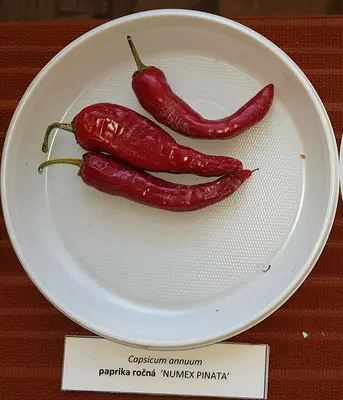
A colorful twist on the classic jalapeño, featuring fruits that ripen through a stunning spectrum of purple, yellow, orange, and finally red. Developed by New Mexico State University, this variety maintains the traditional jalapeño heat and flavor while adding visual excitement to gardens and dishes. The compact plants are exceptionally productive and perfect for containers.
Harvest
70-80d
Days to harvest
Sun
Full sun
Zones
4–11
USDA hardiness
Height
1-3 feet
Planting Timeline
Showing dates for Jalapeño 'NuMex Piñata' in USDA Zone 7
All Zone 7 pepper →Zone Map
Click a state to update dates
Jalapeño 'NuMex Piñata' · Zones 4–11
Growing Details
Succession Planting
NuMex Piñata is a continuously producing pepper — one transplant set out in April or May will keep fruiting through September without any succession planting needed. Start seeds indoors 8–10 weeks before your last frost date (late February to early March in zone 7), and plan on a single planting per season.
If you want a longer fresh window, staggering transplants 3–4 weeks apart is an option, but with 70–80 days to first harvest and a production period that runs several months, most gardeners find one well-timed planting is plenty. The bigger lever is picking regularly — once peppers reach full size, pulling them (green or fully colored) signals the plant to set more fruit faster.
Complete Growing Guide
This compact, ornamental jalapeño cultivar thrives in warm soil (70–80°F) and reaches harvest maturity faster than standard jalapeños at 70–80 days, so time spring transplants accordingly to maximize the color progression display. Unlike taller pepper varieties, NuMex Piñata's 1–3 foot frame makes it exceptionally well-suited to containers, which actually concentrate heat and flavor intensity. Plant in full sun with well-draining soil amended with compost, and provide consistent moisture without waterlogging—inconsistent watering during fruit set causes blossom-end rot more readily in this variety's prolific fruit load. Spider mites and thrips are attracted to stressed plants, so maintain adequate humidity and avoid overhead watering. A practical tip: pinch back the first flower clusters when plants are 6–8 inches tall to encourage bushier, more productive growth and fuller fruit coloration display across all ripening stages.
Light: Full sun (6 or more hours of direct sunlight a day). Soil: Clay, High Organic Matter, Loam (Silt), Sand. Soil pH: Acid (<6.0), Alkaline (>8.0), Neutral (6.0-8.0). Drainage: Good Drainage. Height: 1 ft. 0 in. - 3 ft. 8 in.. Spread: 0 ft. 6 in. - 1 ft. 0 in.. Spacing: 12 inches-3 feet. Growth rate: Medium. Maintenance: Low. Propagation: Seed. Regions: Coastal, Mountains, Piedmont.
Harvesting
Jalapeño 'NuMex Piñata' peppers are ready to harvest when they reach 2-3 inches long and display firm, glossy skin in their mature color stage—whether you prefer them at the purple, yellow, or orange stage for milder heat, or wait until they turn fully red for peak Scoville intensity. Gently squeeze the pepper; it should feel slightly yielding but not soft. This variety produces continuously throughout the season, so harvest regularly by snipping peppers with pruners rather than pulling to avoid damaging branches; this encourages more blooms and fruit development. A key timing tip: pick peppers in the early morning when they're fully hydrated and crispest, which maximizes their shelf life and vibrant color in the kitchen.
Fruits are a non-pulpy berry and vary considerably across cultivars. Some are long, thin, bright red, and spicy; others are thick, large, and sweet-tasting; others still are small and in ornamental shapes and colors, grown as decoration.
Color: Black, Gold/Yellow, Green, Orange, Red/Burgundy. Type: Berry. Length: 1-3 inches. Width: < 1 inch.
Garden value: Edible, Good Dried, Showy
Harvest time: Summer
Edibility: Fruits edible, but spiciness is unpredictable in intensity.
Storage & Preservation
Store fresh NuMex Piñata peppers in a perforated plastic bag in the refrigerator crisper drawer at 45–50°F with 85–95% humidity. They will keep for two to three weeks under these conditions. For longer preservation, freeze whole peppers on a tray before bagging, or roast and freeze in portions for quick use in salsas and grilled dishes. Canning works well for pickled jalapeños—use a tested recipe with vinegar and heat processing. Drying is excellent for this variety; slice peppers lengthwise and dry at 135–145°F until brittle, then grind or store whole for chipotle-style preparation. Fermentation also preserves the bright flavor beautifully—pack sliced peppers with salt (5% by weight) in a jar and let sit at room temperature for one to two weeks. These peppers' relatively thin walls make them particularly suited to quick drying compared to larger pepper types, reducing processing time significantly.
History & Origin
The 'NuMex Piñata' jalapeño emerged from New Mexico State University's pepper breeding program, which has long focused on developing distinctive chile varieties adapted to southwestern growing conditions. Building on decades of jalapeño improvement work, this cultivar was specifically bred to combine the reliable heat and flavor profile of traditional jalapeños with ornamental multicolored fruit that transitions from purple through yellow and orange before ripening red. While specific breeder names and introduction year remain undocumented in widely available sources, the variety reflects NMSU's commitment to creating novel peppers that appeal to both culinary and decorative gardeners. The 'NuMex Piñata' represents a modern evolution of jalapeño breeding, demonstrating how university programs continue refining heirloom pepper genetics for contemporary home gardeners.
Origin: Tropical North and South America
Advantages
- +Striking rainbow fruit colors create exceptional visual appeal in gardens and on plates.
- +Compact plant size makes this variety ideal for container gardening and small spaces.
- +Maintains authentic jalapeño flavor and heat while offering ornamental garden interest.
- +Fast maturation at 70-80 days allows multiple harvests within a single growing season.
- +Exceptional productivity from small plants maximizes yield per square foot of garden space.
Considerations
- -Susceptible to bacterial leaf spot, requiring careful watering and good air circulation practices.
- -Spider mites and chile thrips pose significant pest pressures in warm, dry conditions.
- -Powdery mildew vulnerability demands regular monitoring and potential fungicide applications during humid periods.
Companion Plants
Basil and marigolds are the two companions most worth planting near NuMex Piñata, for different reasons. Basil's volatile oils are thought to confuse aphids, and at minimum it uses the same bed space without competing hard for water or root depth. French marigolds (Tagetes patula) do something more concrete: NC State Extension notes that a solid planting of French marigolds can suppress soil nematode populations, which makes them genuinely useful as a rotational cover crop between pepper seasons — not just a border plant. Onions and carrots fill out the bed without fighting pepper roots, since carrot taproots push well below the 6–10 inch zone where pepper roots are most active.
One pairing worth thinking through carefully: planting NuMex Piñata anywhere near sweet peppers invites cross-pollination trouble. NC State Extension is direct about this — capsaicin expression is dominant, and insect activity can move pollen so that seeds inside your sweet pepper fruit carry heat. The fruit you pull this season will taste fine. Save those seeds and plant them next year, though, and you may get something noticeably hotter than you bargained for. Keep hot and sweet varieties at least 300–400 feet apart if seed-saving matters to you, or use physical row cover during flowering.
Fennel is allelopathic to most vegetables — it releases compounds from its roots that suppress growth in nearby plants, and peppers are not an exception. Black walnut produces juglone, a compound toxic to a wide range of vegetables at the root zone. Both are worth actively keeping out of the planting area, not just moving to the far end of the bed.
Plant Together
Basil
Repels aphids, spider mites, and thrips while potentially improving pepper flavor
Marigold
Deters nematodes, aphids, and whiteflies with natural compounds
Tomato
Similar growing requirements and can share support structures
Oregano
Repels pests and attracts beneficial insects like parasitic wasps
Carrots
Loosen soil around pepper roots and don't compete for nutrients
Onions
Repel aphids, spider mites, and other pests with sulfur compounds
Parsley
Attracts beneficial insects and provides ground cover without competition
Nasturtium
Acts as trap crop for aphids and cucumber beetles
Keep Apart
Black Walnut
Produces juglone toxin that inhibits pepper growth and development
Fennel
Inhibits growth through allelopathic compounds and attracts harmful insects
Brassicas
Heavy feeders that compete for nutrients and may stunt pepper growth
Apricot Tree
Can harbor verticillium wilt which spreads to peppers
Nutrition Facts
Per 100g serving. % Daily Value based on 2,000 calorie diet. Source: USDA FoodData Central (FDC #168576)
Pests & Disease Resistance
Resistance
Good tolerance to chile wilt and root rot
Common Pests
Aphids, chile thrips, spider mites
Diseases
Bacterial leaf spot, chile wilt, powdery mildew
Troubleshooting Jalapeño 'NuMex Piñata'
What you'll see, why it happens, and what to do about it.
Sunken, leathery dark patch on the bottom or side of the fruit — shows up once peppers are sizing up
Likely Causes
- Blossom end rot — a localized calcium deficiency in the developing fruit, as NC State Extension documents
- Inconsistent watering or drought stress preventing calcium uptake even when calcium is present in the soil
- Excess ammonium-nitrogen fertilizer competing with calcium absorption
What to Do
- 1.Water consistently — 1 inch per week, and don't let the soil go bone-dry between cycles
- 2.Get a soil test before adding calcium amendments; if pH is already 6.0–7.0 and calcium is adequate, the fix is irrigation, not lime
- 3.Back off high-nitrogen synthetic fertilizers mid-season; switch to a lower-ammonium source or side-dress with compost instead
Leaves with dark, water-soaked spots that dry to brown with yellow halos, sometimes with cracked or scabby lesions on the fruit
Likely Causes
- Bacterial leaf spot (Xanthomonas campestris pv. vesicatoria) — spreads fast in warm, wet weather and splashes up from soil
- Overhead irrigation wetting foliage repeatedly
What to Do
- 1.Switch to drip irrigation or water at the base; keep leaves dry
- 2.Remove and bag (don't compost) heavily infected leaves and stems
- 3.Rotate out of Capsicum and Solanum crops for at least 2 seasons — NC State Extension's organic disease management notes that nightshade-family rotation breaks soil-borne pathogen cycles
Leaves curling, stippled, or bronzed with tiny moving specks on the undersides — worst in hot, dry stretches
Likely Causes
- Spider mites (Tetranychus urticae) thriving in dry conditions above 85°F
- Chile thrips (Scirtothrips dorsalis) — causes similar bronzing and distortion, especially on new growth
What to Do
- 1.Blast the undersides of leaves with a strong stream of water every 2–3 days to knock mite populations down
- 2.Apply insecticidal soap or neem oil in the early morning — repeat every 5–7 days for at least 3 applications
- 3.Keep plants consistently watered; drought-stressed peppers are significantly more susceptible to both mites and thrips
Frequently Asked Questions
How long does NuMex Piñata jalapeño take to grow from seed?▼
Is NuMex Piñata good for beginner gardeners?▼
Can you grow NuMex Piñata jalapeño in containers?▼
What does NuMex Piñata taste like compared to regular jalapeños?▼
When should I plant NuMex Piñata jalapeño seeds?▼
Do NuMex Piñata peppers get hotter as they change color?▼
Zone-by-Zone Planting Calendar
| Zone | Indoor Start | Transplant | Direct Sow | Harvest |
|---|---|---|---|---|
| Zone 3 | April – April | June – July | — | September – October |
| Zone 4 | March – April | June – June | — | August – October |
| Zone 5 | March – March | May – June | — | August – October |
| Zone 6 | March – March | May – June | — | August – October |
| Zone 7 | February – March | April – May | — | July – September |
| Zone 8 | February – February | April – May | — | July – September |
| Zone 9 | January – January | March – April | — | June – August |
| Zone 10 | January – January | February – March | — | May – July |
| Zone 1 | May – May | July – August | — | October – August |
| Zone 2 | April – May | June – July | — | September – September |
| Zone 11 | January – January | January – February | — | April – June |
| Zone 12 | January – January | January – February | — | April – June |
| Zone 13 | January – January | January – February | — | April – June |
Growing Guides from Wind River Greens
Sources & References
External authority sources used in compiling this guide.
See the Methodology page for how this data is sourced, what's AI-assisted, and known limitations.
More Peppers
Carolina Reaper
Sweet Pepper 'Carmen'
Ghost Pepper 'Bhut Jolokia'
Scotch Bonnet 'Scotch Bonnet Orange'
Chocolate Habanero
Sweet Italian Pepper 'Marconi Rosso'
Purple Beauty Bell Pepper
Mad Hatter