Bell Pepper 'Red Knight'
Capsicum annuum 'Red Knight'
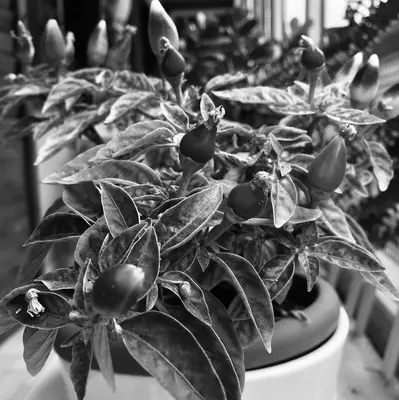
A premium hybrid bell pepper bred for exceptional disease resistance and consistent production of large, blocky fruits. Red Knight delivers the classic sweet bell pepper flavor while being one of the most reliable varieties for home gardeners, especially in areas with challenging growing conditions. Its thick walls and excellent shelf life make it perfect for both fresh eating and cooking.
Harvest
75-80d
Days to harvest
Sun
Full sun
Zones
4–11
USDA hardiness
Height
1-3 feet
Planting Timeline
Showing dates for Bell Pepper 'Red Knight' in USDA Zone 7
All Zone 7 pepper →Zone Map
Click a state to update dates
Bell Pepper 'Red Knight' · Zones 4–11
Growing Details
Succession Planting
Red Knight keeps fruiting on the same plant from July through September in zone 7 — it's not a succession crop the way radishes or salad mix are. Start one tray indoors in February or March (expect germination in 10–14 days at soil temps around 80°F), transplant after last frost in April or May, and that single planting carries you through the season. A second tray started 3–4 weeks after the first can stretch your harvest window, but don't bother with a third — once Georgia daytime highs push past 90°F consistently, fruit set drops off sharply regardless of what's in the ground.
Complete Growing Guide
Red Knight's 75-80 day timeline means you can direct-seed after your last frost or start transplants indoors 6-8 weeks prior for summer harvests, but this hybrid performs best when given consistent warmth and won't tolerate cold soil. Unlike heirloom peppers, Red Knight's disease resistance means it handles humid conditions and minor fungal pressure well, though it still benefits from good air circulation to prevent any issues. This cultivar rarely exhibits the stretching or legginess common in other varieties when started indoors, so avoid excessive fertilizer that encourages vegetative growth over fruiting. Plant in full sun with well-draining soil amended with compost, maintain steady moisture without waterlogging, and pinch the first flowers if transplants are small—this redirects energy into a sturdier plant that produces more fruit. One key advantage: stake or cage Red Knight early since its heavy fruit load can snap weaker stems, and the thick-walled peppers take longer to mature but store exceptionally well once picked.
Light: Full sun (6 or more hours of direct sunlight a day). Soil: Clay, High Organic Matter, Loam (Silt), Sand. Soil pH: Acid (<6.0), Alkaline (>8.0), Neutral (6.0-8.0). Drainage: Good Drainage. Height: 1 ft. 0 in. - 3 ft. 8 in.. Spread: 0 ft. 6 in. - 1 ft. 0 in.. Spacing: 12 inches-3 feet. Growth rate: Medium. Maintenance: Low. Propagation: Seed. Regions: Coastal, Mountains, Piedmont.
Harvesting
Red Knight peppers reach peak harvest when they develop their deep red color and achieve a firm, glossy appearance, typically 75-80 days after transplanting. The thick walls characteristic of this variety feel substantial and slightly waxy to the touch when fully mature. For maximum sweetness and production, harvest peppers when they transition from green to full red rather than waiting for late-season specimens. This variety responds exceptionally well to continuous harvesting—removing mature peppers regularly stimulates the plant to produce additional blooms and fruit throughout the season. A specific timing advantage: pick peppers in early morning when temperatures are cool to preserve their crisp texture and maximize shelf life for both immediate use and storage.
Fruits are a non-pulpy berry and vary considerably across cultivars. Some are long, thin, bright red, and spicy; others are thick, large, and sweet-tasting; others still are small and in ornamental shapes and colors, grown as decoration.
Color: Black, Gold/Yellow, Green, Orange, Red/Burgundy. Type: Berry. Length: 1-3 inches. Width: < 1 inch.
Garden value: Edible, Good Dried, Showy
Harvest time: Summer
Edibility: Fruits edible, but spiciness is unpredictable in intensity.
Storage & Preservation
Store freshly harvested Red Knight peppers in a plastic bag or breathable container in the refrigerator at 45-50°F with 90-95% humidity, where they'll keep for two to three weeks. Avoid storing near ethylene-producing fruits like apples or tomatoes, which can accelerate ripening and decay.
For longer preservation, freezing works exceptionally well given this variety's thick walls—dice or slice them raw, spread on a tray to freeze individually, then transfer to freezer bags for up to eight months. Roasting and freezing concentrates their natural sweetness. Canning is also suitable; use tested pressure-canning recipes for stuffed whole peppers or follow standard hot-pack procedures for strips. Drying produces sweet pepper flakes excellent for seasoning. The thick flesh of Red Knight means pieces dry more evenly than thinner-walled varieties, taking 8-12 hours in a dehydrator at 130°F.
History & Origin
Red Knight is a modern hybrid bell pepper developed within the broader lineage of disease-resistant Capsicum annuum breeding programs that gained momentum in the late 20th century. While specific breeder attribution and introduction year are not well documented in readily available sources, Red Knight emerged from the standard horticultural breeding practices focused on combining productivity, disease resistance, and fruit quality. The variety represents a continuation of work by major seed companies targeting home gardeners seeking reliable peppers in variable climates. Its thick-walled fruit characteristics and hybrid vigor reflect decades of systematic selection within commercial pepper breeding programs, though its precise origin story remains largely undocumented in public records.
Origin: Tropical North and South America
Advantages
- +Exceptional disease resistance makes Red Knight ideal for challenging growing conditions
- +Large, blocky fruits with thick walls store exceptionally well after harvest
- +Reliable hybrid consistently produces abundant peppers with minimal gardening experience required
- +Sweet, crisp flavor and premium quality justify its popularity among home gardeners
- +Matures in just 75-80 days, enabling faster harvests compared to many varieties
Considerations
- -Susceptible to blossom end rot without consistent calcium and moisture management
- -Vulnerable to bacterial spot in wet, humid climates despite hybrid vigor
- -Prone to spider mite and aphid infestations requiring vigilant pest monitoring
- -Hybrid seed cannot be saved for next season, requiring annual seed purchases
Companion Plants
Marigolds (Tagetes spp.) at the bed edges pull double duty: their root secretions suppress nematodes — a real problem in Georgia's sandy soils — and the flowers draw predatory wasps that cut aphid pressure on the peppers. Basil fits neatly at 12-inch gaps between plants and thrives in the same full-sun, consistent-moisture conditions Red Knight needs, which is reason enough to grow it close by. Fennel is the one to keep on the other side of the garden entirely — it releases allelopathic compounds that stunt pepper root development — and black walnut belongs even farther away, since juglone toxicity can kill peppers outright. Brassicas look harmless on paper, but in the southeast they compete hard for calcium and nitrogen at nearly the same root depth, and that shows up fast once July heat lands.
Plant Together
Parsley
Attracts beneficial insects like hoverflies and parasitic wasps that control pepper pests
Nasturtiums
Act as trap crops for aphids and cucumber beetles while repelling whiteflies
Basil
Repels aphids, spider mites, and thrips while potentially improving pepper flavor
Tomatoes
Share similar growing conditions and can help shade pepper roots from intense sun
Marigolds
Repel nematodes, aphids, and whiteflies with their strong scent
Oregano
Deters pests like aphids and spider mites while attracting beneficial insects
Carrots
Help break up soil for pepper root development and don't compete for nutrients
Onions
Repel aphids, thrips, and other pests that commonly attack peppers
Keep Apart
Fennel
Produces allelopathic compounds that inhibit pepper growth and development
Black Walnut
Releases juglone toxin that causes wilting and stunted growth in peppers
Brassicas
Compete heavily for nutrients and may stunt pepper growth due to different soil pH preferences
Nutrition Facts
Per 100g serving. % Daily Value based on 2,000 calorie diet. Source: USDA FoodData Central (FDC #2258588)
Pests & Disease Resistance
Resistance
Excellent resistance to bacterial leaf spot and tobacco mosaic virus
Common Pests
Aphids, spider mites, pepper weevil, hornworms
Diseases
Blossom end rot, bacterial spot, verticillium wilt
Troubleshooting Bell Pepper 'Red Knight'
What you'll see, why it happens, and what to do about it.
Sunken, dark, leathery patch on the bottom (or side) of the fruit — sometimes with gray or black mold growing on it
Likely Causes
- Blossom end rot — a localized calcium deficiency in the developing fruit, not always from low soil calcium
- Inconsistent watering causing water stress that locks out calcium uptake
- High ammonium-nitrogen fertilizer pushing too much vegetative growth and starving the fruit of calcium
What to Do
- 1.Water consistently — 1 to 1.5 inches per week; big wet-dry swings are the main trigger here
- 2.Mulch the bed (straw works fine) before the first dry spell hits, ideally by the time plants start blooming, as UGA Extension recommends for peppers
- 3.Pull back on high-ammonium fertilizers; switch to a lower-nitrogen or calcium-containing side-dress once fruit sets
Small, water-soaked spots on leaves and fruit that turn brown with yellow halos; spots may look greasy in humid weather
Likely Causes
- Bacterial spot (Xanthomonas campestris pv. vesicatoria) — spreads between plants via rain splash or overhead irrigation
- Planting at less than 18-inch spacing that limits airflow and keeps foliage wet longer
What to Do
- 1.Switch to drip or soaker irrigation to keep leaves dry
- 2.Remove and bag — don't compost — heavily spotted leaves; avoid working in the bed when foliage is wet
- 3.Rotate peppers and all other nightshades out of this bed for at least 2 seasons; NC State Extension groups tomatoes, peppers, eggplant, and potatoes together for rotation purposes
Plants wilting during the day despite moist soil; lower leaves yellowing; one or more stems eventually collapsing
Likely Causes
- Verticillium wilt (Verticillium dahliae) — a soil-borne fungus that colonizes the vascular system; no cure once established
- History of planting nightshades or strawberries in the same bed across multiple seasons
What to Do
- 1.Pull and trash affected plants — don't compost them
- 2.Rotate nightshades out of that bed for 3 or more years; a fallow season or a legume cover crop can help break the pathogen cycle while also fixing nitrogen back into the soil
- 3.If Verticillium keeps coming back in a specific bed, solarize in July or August — 4 to 6 weeks under clear plastic while Georgia heat peaks
Frequently Asked Questions
How long does Red Knight pepper take to grow from seed?▼
Can you grow Red Knight peppers in containers?▼
Is Red Knight pepper good for beginners?▼
What does Red Knight pepper taste like compared to other bell peppers?▼
When should I plant Red Knight pepper seeds?▼
Why are my Red Knight pepper leaves turning yellow?▼
Zone-by-Zone Planting Calendar
| Zone | Indoor Start | Transplant | Direct Sow | Harvest |
|---|---|---|---|---|
| Zone 3 | April – April | June – July | — | September – October |
| Zone 4 | March – April | June – June | — | August – October |
| Zone 5 | March – March | May – June | — | August – October |
| Zone 6 | March – March | May – June | — | August – October |
| Zone 7 | February – March | April – May | — | July – September |
| Zone 8 | February – February | April – May | — | July – September |
| Zone 9 | January – January | March – April | — | June – August |
| Zone 10 | January – January | February – March | — | May – July |
| Zone 1 | May – May | July – August | — | October – August |
| Zone 2 | April – May | June – July | — | September – September |
| Zone 11 | January – January | January – February | — | April – June |
| Zone 12 | January – January | January – February | — | April – June |
| Zone 13 | January – January | January – February | — | April – June |
Growing Guides from Wind River Greens
Sources & References
External authority sources used in compiling this guide.
See the Methodology page for how this data is sourced, what's AI-assisted, and known limitations.
More Peppers
Carolina Reaper
Sweet Pepper 'Carmen'
Ghost Pepper 'Bhut Jolokia'
Scotch Bonnet 'Scotch Bonnet Orange'
Chocolate Habanero
Sweet Italian Pepper 'Marconi Rosso'
Purple Beauty Bell Pepper
Mad Hatter