Sweet Pepper 'Carmen'
Capsicum annuum 'Carmen'
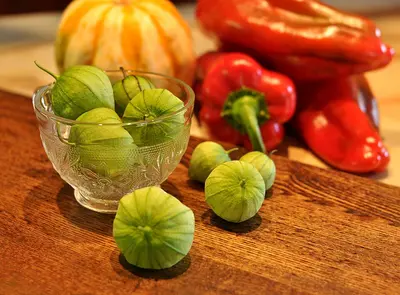
A gorgeous Italian bull's horn pepper that starts green and ripens to a brilliant red with incredibly sweet, crisp flesh. This AAS winner produces abundant 4-6 inch tapered fruits that are perfect for fresh eating, roasting, or stuffing. Carmen consistently outperforms other sweet peppers in both flavor and productivity, making it a must-grow for pepper lovers.
Harvest
75-80d
Days to harvest
Sun
Full sun
Zones
4–11
USDA hardiness
Height
1-3 feet
Planting Timeline
Showing dates for Sweet Pepper 'Carmen' in USDA Zone 7
All Zone 7 pepper →Zone Map
Click a state to update dates
Sweet Pepper 'Carmen' · Zones 4–11
Growing Details
Succession Planting
Carmen is an indeterminate-style sweet pepper that keeps setting fruit from July through first frost, so there's no need to succession-sow it the way you would lettuce or radishes. One round of transplants per season — started indoors in February or March and set out in April or May — is all it takes.
If you want to protect future yields, the more useful planning tool is crop rotation. NC State Extension and UGA both emphasize rotating nightshades — peppers, tomatoes, eggplant, potatoes — out of a bed for at least 2 years. Running legumes through that plot in the off-seasons naturally replenishes nitrogen and helps break soilborne disease cycles like bacterial spot and anthracnose.
Complete Growing Guide
Carmen peppers thrive when given consistent warmth and full sun exposure, needing soil temperatures of at least 70°F before transplanting to avoid stunted growth. Unlike some pepper varieties that tolerate partial shade, Carmen demands 6-8 hours of direct sunlight daily to achieve its signature sweetness and rapid ripening to red. These plants mature relatively quickly at 75-80 days, making them ideal for shorter growing seasons, though they still benefit from starting seeds indoors 8-10 weeks before your last frost. Carmen shows excellent vigor and disease resistance but can stretch leggy in low-light conditions, so provide sturdy support cages early. Watch for spider mites in hot, dry conditions—maintaining consistent soil moisture and occasional misting helps prevent infestations. One crucial tip: pinch off the first flowers when plants are young to encourage stronger branching and higher overall yields, rewarding you with the abundant harvests Carmen is known for.
Light: Full sun (6 or more hours of direct sunlight a day). Soil: Clay, High Organic Matter, Loam (Silt), Sand. Soil pH: Acid (<6.0), Alkaline (>8.0), Neutral (6.0-8.0). Drainage: Good Drainage. Height: 1 ft. 0 in. - 3 ft. 8 in.. Spread: 0 ft. 6 in. - 1 ft. 0 in.. Spacing: 12 inches-3 feet. Growth rate: Medium. Maintenance: Low. Propagation: Seed. Regions: Coastal, Mountains, Piedmont.
Harvesting
Harvest Carmen peppers when they reach their full 4–6 inch length and develop a glossy, firm skin that yields slightly to gentle pressure. While you can pick them at the mature green stage, waiting for the brilliant red color develops their signature sweetness and crispness. Harvest consistently throughout the season by removing fruits with a clean cut rather than twisting, which encourages the plant to continue flowering and producing new peppers. For maximum productivity, pick peppers every 2–3 days once fruiting begins, as leaving mature fruits on the plant signals completion and slows new growth. Timing your first harvest around 75–80 days after transplanting ensures peak flavor and encourages an abundant second and third flush of blooms.
Fruits are a non-pulpy berry and vary considerably across cultivars. Some are long, thin, bright red, and spicy; others are thick, large, and sweet-tasting; others still are small and in ornamental shapes and colors, grown as decoration.
Color: Black, Gold/Yellow, Green, Orange, Red/Burgundy. Type: Berry. Length: 1-3 inches. Width: < 1 inch.
Garden value: Edible, Good Dried, Showy
Harvest time: Summer
Edibility: Fruits edible, but spiciness is unpredictable in intensity.
Storage & Preservation
Store freshly harvested Carmen peppers in the refrigerator at 45–50°F with 90–95% humidity, ideally in a perforated plastic bag in the crisper drawer. They'll keep for two to three weeks under these conditions. For longer preservation, freezing works exceptionally well: dice or slice the peppers raw, spread them on a tray to freeze individually, then transfer to freezer bags for up to eight months. Roasting and freezing concentrates their natural sweetness and works particularly well for this variety given its excellent flavor profile. You can also blanch and freeze whole peppers for stuffing later, or dry them slowly in a dehydrator at 135°F until completely brittle for ground pepper seasoning. Canning is possible using tested acidified recipes, though it may soften the characteristic crisp texture. Carmen's thin walls make them ideal candidates for quick-freezing methods rather than long-term canning if you want to preserve that signature juiciness.
History & Origin
Carmen is an Italian heirloom-type sweet pepper belonging to the bull's horn or long tapered fruit class, a traditional morphology prized in Mediterranean cuisine for centuries. While specific breeder attribution and introduction date remain unclear in readily available documentation, Carmen emerged as a modern cultivar within the broader tradition of Italian sweet pepper breeding, likely developed through open-pollination or selective breeding from established European pepper lines. The variety gained prominence following its All-America Selections award, which recognized its exceptional productivity and flavor characteristics. Its development reflects the ongoing refinement of classic Italian pepper types by contemporary seed companies and breeders seeking to improve upon traditional varieties while maintaining their distinctive sweet taste and crisp texture.
Origin: Tropical North and South America
Advantages
- +AAS award winner with proven excellent flavor and consistent high productivity
- +Bull's horn shape perfect for roasting, stuffing, and fresh eating applications
- +Ripens from green to brilliant red with crisp, juicy, incredibly sweet flesh
- +Produces abundant 4-6 inch tapered fruits in just 75-80 days
- +Early maturity and ease of growth make it ideal for beginner gardeners
Considerations
- -Susceptible to bacterial spot and anthracnose in humid or wet conditions
- -Vulnerable to blossom end rot without consistent calcium and water management
- -Attractive to spider mites and aphids requiring regular pest monitoring
- -Pepper weevil and cutworm damage can significantly reduce fruit quality
Companion Plants
Basil is the first thing I'd tuck in alongside Carmen. In our zone 7 Georgia garden, basil wants the same full sun and steady moisture that peppers do, so they share a bed without fighting over resources. The aphid-repellent folklore is real enough, but honestly the bigger reason to plant them together is that you'll be out there picking both at the same time anyway — might as well make one trip.
French marigolds (Tagetes patula) are worth planting at the bed edges, about 12 inches from your pepper transplants. They produce root exudates that suppress soil nematodes, which stress pepper roots and make plants more vulnerable to secondary problems like blossom end rot. Keep them out of the interior of the bed so they don't shade low-hanging fruit as Carmen sets up. Onions pull a different kind of duty — their sulfur compounds confuse aphids and other soft-bodied insects that hunt by scent. Carrots are a reasonable gap-filler too; their feeding roots stay in the 6- to 12-inch range, which doesn't put them in direct competition with pepper roots.
Fennel is the plant to physically relocate before you put peppers in the ground. It produces allelopathic compounds that stunt most vegetables, and it reseeds itself into beds you'd rather keep clean. Brassicas are a different kind of problem: they're heavy nitrogen feeders that will pull from the same soil reserves your peppers need, and their dense canopy cuts airflow enough to invite fungal issues like anthracnose. Keep them in a separate bed entirely.
Plant Together
Basil
Repels aphids, spider mites, and thrips while potentially improving pepper flavor
Marigolds
Repel nematodes, aphids, and whiteflies with their strong scent
Tomatoes
Share similar growing conditions and pest management strategies
Oregano
Attracts beneficial insects and repels cucumber beetles and aphids
Carrots
Help break up soil and don't compete for space or nutrients
Onions
Repel aphids, spider mites, and other pests with sulfur compounds
Parsley
Attracts beneficial insects like hoverflies and parasitic wasps
Nasturtiums
Act as trap crops for aphids and cucumber beetles
Keep Apart
Fennel
Produces allelopathic compounds that inhibit pepper growth and development
Brassicas
Compete for nutrients and may stunt pepper growth through root competition
Black Walnut
Produces juglone toxin that is highly toxic to peppers and causes wilting
Nutrition Facts
Per 100g serving. % Daily Value based on 2,000 calorie diet. Source: USDA FoodData Central (FDC #169394)
Pests & Disease Resistance
Resistance
Good resistance to tobacco mosaic virus
Common Pests
Aphids, spider mites, pepper weevil, cutworms
Diseases
Bacterial spot, anthracnose, blossom end rot
Troubleshooting Sweet Pepper 'Carmen'
What you'll see, why it happens, and what to do about it.
Sunken, leathery brown or black patch on the bottom (or side) of the fruit, usually showing up as peppers size up in July
Likely Causes
- Blossom end rot — localized calcium deficiency in the developing fruit, as NC State Extension describes
- Inconsistent watering causing water stress that blocks calcium uptake
- High ammonium nitrogen fertilizer pushing vegetative growth at the expense of calcium translocation
What to Do
- 1.Mulch heavily — 3 to 4 inches of straw — to even out soil moisture swings between rain events
- 2.Water to 1 inch per week on a consistent schedule; don't let the bed go bone dry then flood it
- 3.Back off high-nitrogen synthetic fertilizers mid-season; side-dress with compost instead if plants need a boost
- 4.Get a soil test — if calcium is genuinely low, work in gypsum or agricultural lime before next season (not as a spray fix this year)
Sticky, distorted new growth or tiny pale insects clustered on stem tips and undersides of leaves, sometimes with ants running up and down the plant
Likely Causes
- Aphid infestation (most likely green peach aphid, Myzus persicae, or pepper aphid) — both common on Capsicum annuum in the Southeast
- Spider mites (Tetranychus urticae) — more likely if you also see fine webbing and stippled, dusty-looking foliage during a hot, dry stretch
What to Do
- 1.Knock aphids off with a hard stream of water from the hose; repeat every 2 to 3 days until populations drop
- 2.Avoid broad-spectrum sprays that kill parasitic wasps and other beneficials along with the pest
- 3.For spider mites specifically, increase irrigation frequency — mites thrive when plants are water-stressed — and apply insecticidal soap to the undersides of leaves if populations are heavy
Frequently Asked Questions
How long does Sweet Pepper Carmen take to grow from seed?▼
Can you grow Carmen peppers in containers?▼
What does Carmen pepper taste like compared to regular bell peppers?▼
Is Carmen pepper good for beginning gardeners?▼
When should I plant Carmen pepper seeds?▼
Do Carmen peppers need full sun or can they take partial shade?▼
Zone-by-Zone Planting Calendar
| Zone | Indoor Start | Transplant | Direct Sow | Harvest |
|---|---|---|---|---|
| Zone 1 | May – May | July – August | — | October – August |
| Zone 2 | April – May | June – July | — | September – September |
| Zone 11 | January – January | January – February | — | April – June |
| Zone 12 | January – January | January – February | — | April – June |
| Zone 13 | January – January | January – February | — | April – June |
| Zone 3 | April – April | June – July | — | September – October |
| Zone 4 | March – April | June – June | — | August – October |
| Zone 5 | March – March | May – June | — | August – October |
| Zone 6 | March – March | May – June | — | August – October |
| Zone 7 | February – March | April – May | — | July – September |
| Zone 8 | February – February | April – May | — | July – September |
| Zone 9 | January – January | March – April | — | June – August |
| Zone 10 | January – January | February – March | — | May – July |
Growing Guides from Wind River Greens
Sources & References
External authority sources used in compiling this guide.
See the Methodology page for how this data is sourced, what's AI-assisted, and known limitations.
More Peppers
Carolina Reaper
Ghost Pepper 'Bhut Jolokia'
Scotch Bonnet 'Scotch Bonnet Orange'
Chocolate Habanero
Sweet Italian Pepper 'Marconi Rosso'
Purple Beauty Bell Pepper
Mad Hatter
Chipotle 'Morita'