Peter Pepper
Capsicum annuum 'Peter Pepper'
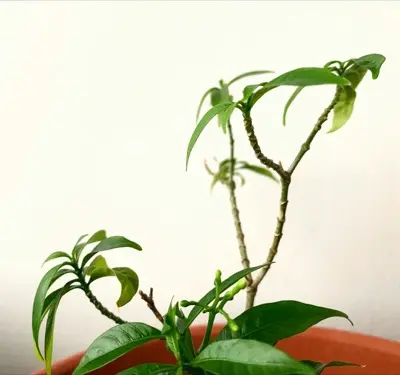
Peter Pepper is a distinctive hybrid chili pepper known for its phallic shape, ripening from green to red in approximately 112 days. This moderately hot pepper (5,000-30,000 Scoville units) offers an earthy, slightly smoky flavor profile that appeals to heat enthusiasts seeking more than just spice. Its unique appearance makes it a conversation starter in gardens and kitchens. Best grown in full sun with well-draining sandy loam soil, Peter Pepper thrives even in less-than-ideal soil conditions, making it relatively accessible for home gardeners at moderate skill levels.
Harvest
112d
Days to harvest
Sun
Full sun
Zones
2–11
USDA hardiness
Height
5-8 feet
Planting Timeline
Showing dates for Peter Pepper in USDA Zone 7
All Zone 7 pepper →Zone Map
Click a state to update dates
Peter Pepper · Zones 2–11
Growing Details
Succession Planting
Peter Pepper is an indeterminate producer — one transplant will keep fruiting until frost kills it, so succession planting doesn't apply here. Start seeds indoors 8–10 weeks before your last frost date (late February to early March for most of zone 7), transplant once nights are reliably above 55°F, and let that one plant run the whole season.
Complete Growing Guide
This popcorn variety requires 112 days to maturity, making it essential to plant after the last frost in zones with shorter growing seasons, as late sowings risk frost before kernels fully dry. Peter Pepper demands full sun and well-draining soil rich in organic matter to support its tall 8-9 foot stalks, which benefit from staking in windy areas. Unlike sweet corn, this cultivar tolerates slightly drier conditions once established, though consistent moisture during kernel fill improves pop rates. Watch for corn earworm and fall armyworm, which readily infest popcorn varieties; row covers at emergence provide early protection. The tall plants may stretch if crowded, so space seeds 8-10 inches apart. Harvest ears when husks turn brown and papery, then cure them in a warm, dry location for 2-4 weeks before shelling to maximize popping ability.
Light: Full sun (6 or more hours of direct sunlight a day). Soil: Clay, High Organic Matter, Loam (Silt). Soil pH: Acid (<6.0), Neutral (6.0-8.0). Drainage: Good Drainage. Height: 5 ft. 0 in. - 8 ft. 0 in.. Spread: 1 ft. 0 in. - 2 ft. 0 in.. Spacing: 12 inches-3 feet. Growth rate: Rapid. Maintenance: Medium. Propagation: Seed. Regions: Coastal, Mountains, Piedmont.
Harvesting
Peter Pepper ears reach peak harvest readiness when kernels display a deep golden-yellow color and feel firm yet slightly yielding when pressed between your fingers. The husks should be bright green and tightly wrapped, with silk beginning to brown at the tip. Harvest when ears are 7-8 inches long by snapping them downward at a slight angle from the stalk. This variety produces multiple ears per plant, allowing for a staggered continuous harvest over 2-3 weeks rather than a single picking. For optimal popping quality and tenderness, harvest in early morning when kernels contain maximum moisture, and use ears within a few days of picking or dry them properly for long-term storage.
Color: Gold/Yellow. Type: Caryopsis. Length: > 3 inches. Width: 1-3 inches.
Garden value: Edible, Showy
Harvest time: Fall
Edibility: Edibile
Storage & Preservation
Fresh Peter Pepper fruits keep longest in a cool, humid environment between 50–60°F with 85–95% relative humidity, ideally in perforated plastic bags within the refrigerator's crisper drawer. Under these conditions, expect a shelf life of two to three weeks before the skin begins to wrinkle and potency diminishes. For longer preservation, freezing works reliably—whole or sliced peppers freeze well for up to six months and retain heat and flavor for hot sauces and salsas. Drying is particularly suited to this variety given its thin walls and earthy profile; air-dry whole fruits in a warm, well-ventilated space for three to four weeks, then grind into powder for extended storage in airtight containers. Canning as hot sauce or pickling brine also works effectively. These peppers' distinctive curved shape can occasionally trap moisture during drying, so rotating them every few days prevents mold spots on the inner curve.
History & Origin
Documentation on the specific origins of Peter Pepper popcorn is limited in readily available historical records. The variety appears to be a modern introduction within the popcorn breeding line, likely developed by a commercial seed company rather than through a documented university program or heritage tradition. The variety name and its characteristics—particularly the medium heat level and deep yellow kernels optimized for popping—suggest breeding work focused on flavor-enhanced popcorn cultivars, though the exact breeder, year of introduction, and geographic origin remain unclear. Further archival research into seed company catalogs and breeding records would be needed to establish definitive provenance.
Origin: Mexico
Advantages
- +Produces abundant popcorn with excellent popping percentage and tender texture
- +Deep yellow kernels offer attractive appearance and appealing visual harvest
- +Medium heat level provides flavor complexity without overwhelming spice intensity
- +Tall 8-9' plants maximize garden space utilization efficiently
- +112-day maturity allows reasonable season length for most climates
Considerations
- -Moderate difficulty rating requires experience with pest and disease management
- -Vulnerable to multiple serious diseases including bacterial leaf spot and viruses
- -Susceptible to several destructive pests like pepper weevils and hornworms
Companion Plants
Basil and marigolds do real work here. Basil's volatile oils may interfere with aphid host-finding, and French marigolds (Tagetes patula) have solid evidence behind them for suppressing root-knot nematodes — a legitimate concern for peppers planted in the same ground repeatedly. Carrots and onions sit at different root depths and don't compete for the same water column, so they're low-friction neighbors. Nasturtiums are worth tucking in nearby as an aphid trap crop: the insects cluster there instead of on your peppers, and you can pull the whole nasturtium plant if the infestation gets out of hand rather than spraying the peppers directly.
Fennel is genuinely incompatible — its root exudates are allelopathic and will stunt most vegetables in range, peppers included. Brassicas aren't allelopathic, but they're heavy nitrogen consumers with similar water demands, and they draw the same aphid pressure, so planting them adjacent just doubles the pest load in one spot. Black walnut produces juglone through its roots and decomposing leaf litter; that compound is toxic to nightshades, and peppers are nightshades. Give any established walnut at least 50 feet of clearance.
Plant Together
Basil
Repels aphids, spider mites, and thrips while potentially improving pepper flavor
Marigolds
Deters nematodes, aphids, and whiteflies with natural compounds
Tomatoes
Share similar growing conditions and pest management strategies
Oregano
Repels cucumber beetles and provides ground cover to retain soil moisture
Carrots
Loosens soil around pepper roots and doesn't compete for nutrients
Onions
Repels aphids, spider mites, and cabbage worms with sulfur compounds
Nasturtiums
Acts as trap crop for aphids and cucumber beetles
Parsley
Attracts beneficial insects like hoverflies and parasitic wasps
Keep Apart
Fennel
Releases allelopathic chemicals that inhibit pepper growth and development
Black Walnut
Produces juglone toxin that causes wilting and stunted growth in peppers
Brassicas
Compete heavily for nutrients and may attract pests that also damage peppers
Nutrition Facts
Per 100g serving. % Daily Value based on 2,000 calorie diet. Source: USDA FoodData Central (FDC #169394)
Pests & Disease Resistance
Resistance
Good heat tolerance, moderate disease resistance
Common Pests
Aphids, spider mites, pepper weevil, hornworms
Diseases
Bacterial leaf spot, pepper mottle virus, anthracnose
Troubleshooting Peter Pepper
What you'll see, why it happens, and what to do about it.
Sunken, leathery dark patch on the bottom or side of the fruit — sometimes with secondary gray or black mold growing in the dead tissue
Likely Causes
- Blossom end rot — localized calcium deficiency in the developing fruit
- Inconsistent watering causing calcium uptake failure even when soil calcium is adequate
- High ammonium nitrogen fertilizer salts blocking calcium uptake
What to Do
- 1.Water consistently — Peter Pepper needs high, even moisture; let the soil dry out and you're asking for this
- 2.Mulch around the base to buffer soil moisture swings before a dry spell hits, ideally by bloom time per UGA Extension guidance
- 3.Ease off high-nitrogen synthetic fertilizers mid-season; switch to a balanced or calcium-supplemented feed if a soil test shows low Ca
Leaves develop small, water-soaked spots that turn brown with yellow halos — spots may merge on badly infected plants
Likely Causes
- Bacterial leaf spot (Xanthomonas campestris pv. vesicatoria) — spreads fast in warm, wet conditions
- Overhead watering or rain splash moving bacteria from soil or infected debris onto foliage
What to Do
- 1.Switch to drip irrigation or water at the base — stop wetting the foliage
- 2.Remove and bag (don't compost) heavily infected leaves
- 3.Rotate peppers out of this bed for at least 2 seasons; NC State Extension points out that peppers share disease cycles with tomatoes, eggplant, and potatoes, so rotating within that nightshade family doesn't break the cycle
Fruit develops sunken, dark, water-soaked lesions near harvest — often with salmon-colored spore masses in the center of the lesion
Likely Causes
- Anthracnose (Colletotrichum spp.) — fungal disease that targets ripening fruit, gets worse in wet weather
- Leaving mature fruit on the plant too long during a rainy stretch
What to Do
- 1.Pick promptly once fruit reaches maturity — ripe peppers sitting on the plant through a rainy week are an open invitation
- 2.Space plants at least 18 inches apart and pull any crowding interior foliage to move air through the canopy
- 3.If anthracnose showed up last season, start preventive copper-based fungicide applications once fruit begins sizing up
Frequently Asked Questions
How long does Peter Pepper take to grow from seed to harvest?▼
Can you grow Peter Pepper in containers?▼
What does Peter Pepper taste like compared to other peppers?▼
Is Peter Pepper appropriate for family gardens with children?▼
Why are my Peter Pepper seeds taking so long to germinate?▼
Do Peter Peppers get hotter as they ripen?▼
Zone-by-Zone Planting Calendar
| Zone | Indoor Start | Transplant | Direct Sow | Harvest |
|---|---|---|---|---|
| Zone 3 | April – April | June – July | — | September – October |
| Zone 4 | March – April | June – June | — | September – October |
| Zone 5 | March – March | May – June | — | August – October |
| Zone 6 | March – March | May – June | — | August – October |
| Zone 7 | February – March | April – May | — | August – October |
| Zone 8 | February – February | April – May | — | July – September |
| Zone 9 | January – January | March – April | — | June – August |
| Zone 10 | January – January | February – March | — | June – August |
| Zone 1 | May – May | July – August | — | November – August |
| Zone 2 | April – May | June – July | — | October – September |
| Zone 11 | January – January | January – February | — | May – July |
| Zone 12 | January – January | January – February | — | May – July |
| Zone 13 | January – January | January – February | — | May – July |
Growing Guides from Wind River Greens
Sources & References
External authority sources used in compiling this guide.
- ExtensionNC State Extension
- USDAUSDA FoodData Central
See the Methodology page for how this data is sourced, what's AI-assisted, and known limitations.
More Peppers
Carolina Reaper
Sweet Pepper 'Carmen'
Ghost Pepper 'Bhut Jolokia'
Scotch Bonnet 'Scotch Bonnet Orange'
Chocolate Habanero
Sweet Italian Pepper 'Marconi Rosso'
Purple Beauty Bell Pepper
Mad Hatter