Pepperoncini 'Golden Greek'
Capsicum annuum 'Golden Greek'
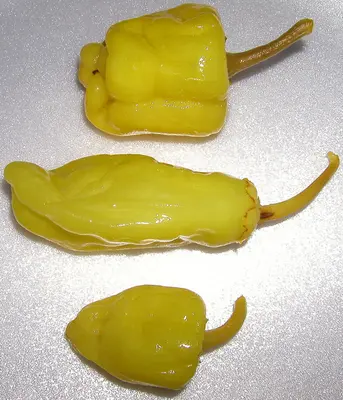
The classic mild pepper that's essential for Greek salads, antipasto platters, and Mediterranean cuisine. These golden-yellow peppers offer a tangy, slightly sweet flavor with just a hint of heat, making them perfect for pickling or eating fresh. Incredibly productive plants will keep you supplied with these versatile peppers all season long.
Harvest
65-75d
Days to harvest
Sun
Full sun
Zones
4–11
USDA hardiness
Height
1-3 feet
Planting Timeline
Showing dates for Pepperoncini 'Golden Greek' in USDA Zone 7
All Zone 7 pepper →Zone Map
Click a state to update dates
Pepperoncini 'Golden Greek' · Zones 4–11
Growing Details
Succession Planting
Pepperoncini 'Golden Greek' keeps producing over a long window — 65 to 75 days to first harvest, then fruiting continuously until frost — so succession planting isn't necessary the way it is with lettuce or radishes. Start one round indoors in February or March, transplant in April or May after last frost, and that single planting will carry you through July to September. Direct your succession energy into cool-season crops planted around it instead.
Complete Growing Guide
This cultivar's 65-75 day maturity makes it one of the faster peppers to produce, so start seeds indoors 6-8 weeks before your last frost for early summer harvesting. Golden Greek peppers thrive in full sun with consistently warm soil and benefit from afternoon shade in regions exceeding 90°F, as excessive heat can cause blossom drop and reduce fruit quality. These plants are notably productive but prone to legginess when seedlings lack sufficient light indoors, so provide strong supplemental lighting to prevent stretched transplants. While generally disease-resistant, the variety's dense foliage can trap moisture and encourage fungal issues, particularly in humid climates—space plants 18-24 inches apart and prune lower leaves for air circulation. To maximize the tangy flavor these peppers are prized for, harvest at the golden-yellow stage rather than waiting for red maturity, which alters the taste profile significantly.
Light: Full sun (6 or more hours of direct sunlight a day). Soil: Clay, High Organic Matter, Loam (Silt), Sand. Soil pH: Acid (<6.0), Alkaline (>8.0), Neutral (6.0-8.0). Drainage: Good Drainage. Height: 1 ft. 0 in. - 3 ft. 8 in.. Spread: 0 ft. 6 in. - 1 ft. 0 in.. Spacing: 12 inches-3 feet. Growth rate: Medium. Maintenance: Low. Propagation: Seed. Regions: Coastal, Mountains, Piedmont.
Harvesting
Harvest Pepperoncini 'Golden Greek' peppers when they reach their distinctive golden-yellow color and measure approximately 2-3 inches long, which signals peak flavor development and optimal tanginess for pickling. The skin should feel firm yet slightly yielding when gently squeezed. These peppers are prolific producers that respond exceptionally well to continuous harvesting—regularly picking mature fruits encourages the plant to produce even more peppers throughout the season rather than focusing energy on fewer, larger specimens. For best results, harvest in the early morning when peppers are fully hydrated and crisp, as this timing ensures superior texture whether you're using them fresh in salads or preparing them for pickling. Avoid allowing peppers to become overly soft or deeply colored, as this indicates declining quality and flavor intensity.
Fruits are a non-pulpy berry and vary considerably across cultivars. Some are long, thin, bright red, and spicy; others are thick, large, and sweet-tasting; others still are small and in ornamental shapes and colors, grown as decoration.
Color: Black, Gold/Yellow, Green, Orange, Red/Burgundy. Type: Berry. Length: 1-3 inches. Width: < 1 inch.
Garden value: Edible, Good Dried, Showy
Harvest time: Summer
Edibility: Fruits edible, but spiciness is unpredictable in intensity.
Storage & Preservation
Freshly harvested Golden Greek peppers store best in a refrigerator crisper drawer at 45-50°F with 85-95% humidity, where they'll keep for two to three weeks. They're more delicate than larger bell peppers, so handle them gently and avoid stacking them heavily. For longer storage, pickling is the ideal method—their mild heat and slight sweetness make them natural candidates for vinegar-based brines. Pack them whole or halved into sterilized jars with garlic, dill, and your choice of spices, then process in a boiling water bath for shelf-stable results. Freezing works reasonably well for cooking applications; blanch for two minutes, cool in ice water, then pack in freezer bags for up to eight months. Drying concentrates their flavor nicely if you have a dehydrator set to 135°F for 12-24 hours. Because these peppers are relatively thin-walled, they dry faster than thicker varieties, so monitor them closely to avoid over-drying. Fermentation is another excellent option that preserves their tangy character while adding probiotic benefits.
History & Origin
The pepperoncini pepper has roots in Mediterranean culinary traditions, particularly in Greece and Southern Italy, where small, mild peppers have been cultivated for centuries as staple ingredients in regional cuisine. The 'Golden Greek' cultivar represents a modern selection within the Capsicum annuum species, likely developed through commercial seed breeding programs to emphasize consistent golden-yellow coloration, mild heat levels, and productive plant habit suitable for both fresh market and pickling applications. While specific breeder attribution and introduction date remain undocumented in widely available sources, this variety exemplifies how traditional Mediterranean pepper types have been refined by contemporary horticulture to meet commercial and culinary standards.
Origin: Tropical North and South America
Advantages
- +Classic mild heat perfect for Greek salads and Mediterranean antipasto platters
- +Incredibly productive plants supply abundant golden peppers throughout the entire growing season
- +Quick 65-75 day maturity gets you harvesting fresh peppers relatively early
- +Tangy, slightly sweet flavor ideal for both fresh eating and pickling
- +Easy growing difficulty makes 'Golden Greek' suitable for beginner gardeners
Considerations
- -Susceptible to bacterial leaf spot and anthracnose disease in humid conditions
- -Multiple pest pressures including aphids, flea beetles, and pepper maggots require monitoring
- -Mosaic virus vulnerability can devastate plants if not properly managed early
Companion Plants
Basil and oregano are the most practical companions here. Both are shallow-rooted herbs that won't crowd peppers at 15–18 inch spacing, and they're reported to confuse or deter aphids — one of the four pests NC State Extension flags specifically for peppers. French marigolds (Tagetes patula) are worth planting at the bed edges; they draw in predatory insects and are well-documented as a deterrent for thrips. Nasturtiums pull double duty as a trap crop — aphids will pile onto them preferentially, which keeps the pressure off your pepperoncini.
Fennel is the clear problem. Its roots release allelopathic compounds that stunt a wide range of vegetable crops, and it has no business being anywhere near your pepper bed. Brassicas are a poor neighbor for a different reason: flea beetles — a pest that damages peppers directly — are just as attracted to brassicas, so planting them together concentrates that pressure in one spot. Black walnut produces juglone, a root toxin that will kill or severely set back most fruiting vegetables planted within its drip line.
Plant Together
Basil
Repels aphids, spider mites, and thrips while potentially improving pepper flavor
Oregano
Deters pests like aphids and spider mites, attracts beneficial insects
Marigolds
Repel nematodes, aphids, and whiteflies with their strong scent
Tomatoes
Share similar growing conditions and pest management strategies
Parsley
Attracts beneficial insects like hoverflies and parasitic wasps
Carrots
Help break up soil and don't compete for nutrients, grow at different levels
Onions
Repel aphids, thrips, and other pests with their sulfur compounds
Nasturtiums
Act as trap crops for aphids and cucumber beetles
Keep Apart
Fennel
Produces allelopathic compounds that inhibit growth of peppers and most vegetables
Brassicas
Compete heavily for nutrients and may stunt pepper growth
Black Walnut
Produces juglone which is toxic to peppers and causes wilting
Nutrition Facts
Per 100g serving. % Daily Value based on 2,000 calorie diet. Source: USDA FoodData Central (FDC #169394)
Pests & Disease Resistance
Resistance
Good general disease resistance, heat tolerant
Common Pests
Aphids, flea beetles, pepper maggot, thrips
Diseases
Bacterial leaf spot, anthracnose, mosaic virus
Troubleshooting Pepperoncini 'Golden Greek'
What you'll see, why it happens, and what to do about it.
Sunken, dark, leathery patch on the bottom or side of the fruit — shows up once fruits are sizing up
Likely Causes
- Blossom end rot — localized calcium deficiency in the developing fruit
- Inconsistent watering or drought stress preventing calcium uptake
- High ammonium nitrogen fertilizer interfering with calcium movement
What to Do
- 1.Water consistently — 1 to 1.5 inches per week; let the soil cycle between wet and dry and you'll see more of this
- 2.Pull back on high-nitrogen synthetic fertilizers, especially ammonium-based ones, and get a soil test to check actual calcium levels
- 3.Mulch the bed to hold soil moisture steady between rains; NC State Extension recommends getting mulch down around peppers before dry spells hit, ideally by blooming time
Small, water-soaked spots on leaves that turn brown with yellow halos, sometimes spreading to fruit
Likely Causes
- Bacterial leaf spot (Xanthomonas campestris pv. vesicatoria) — spreads fast in warm, wet weather
- Overhead irrigation splashing infected soil onto foliage
What to Do
- 1.Switch to drip irrigation or water at the base; overhead watering in humid weather accelerates this disease
- 2.Remove and trash — don't compost — heavily infected leaves as soon as you spot them
- 3.Rotate peppers and other nightshades out of that bed for at least 2 seasons; NC State Extension notes the entire nightshade family shares this pathogen pool
Leaves puckered and mottled with a yellow-green mosaic pattern, new growth stunted or twisted
Likely Causes
- Mosaic virus (Pepper mosaic virus or Cucumber mosaic virus) — transmitted by aphids feeding on infected plants nearby
- Thrips can also vector certain mosaic strains
What to Do
- 1.Pull and bag infected plants immediately — there's no cure once a plant is infected
- 2.Knock back aphid populations with a strong water spray or insecticidal soap; check leaf undersides where they cluster
- 3.Don't save seed from symptomatic plants — mosaic virus can be seed-transmitted
Frequently Asked Questions
How long does pepperoncini Golden Greek take to grow from seed?▼
Can you grow Golden Greek pepperoncini in containers?▼
What does Golden Greek pepperoncini taste like?▼
Is Golden Greek pepperoncini good for beginners?▼
When should I plant Golden Greek pepperoncini seeds?▼
Golden Greek vs banana peppers — what's the difference?▼
Zone-by-Zone Planting Calendar
| Zone | Indoor Start | Transplant | Direct Sow | Harvest |
|---|---|---|---|---|
| Zone 1 | May – May | July – August | — | September – August |
| Zone 2 | April – May | June – July | — | September – September |
| Zone 11 | January – January | January – February | — | April – June |
| Zone 12 | January – January | January – February | — | April – June |
| Zone 13 | January – January | January – February | — | April – June |
| Zone 3 | April – April | June – July | — | August – October |
| Zone 4 | March – April | June – June | — | August – October |
| Zone 5 | March – March | May – June | — | August – October |
| Zone 6 | March – March | May – June | — | July – September |
| Zone 7 | February – March | April – May | — | July – September |
| Zone 8 | February – February | April – May | — | June – August |
| Zone 9 | January – January | March – April | — | May – July |
| Zone 10 | January – January | February – March | — | May – July |
Growing Guides from Wind River Greens
Sources & References
External authority sources used in compiling this guide.
See the Methodology page for how this data is sourced, what's AI-assisted, and known limitations.
More Peppers
Carolina Reaper
Sweet Pepper 'Carmen'
Ghost Pepper 'Bhut Jolokia'
Scotch Bonnet 'Scotch Bonnet Orange'
Chocolate Habanero
Sweet Italian Pepper 'Marconi Rosso'
Purple Beauty Bell Pepper
Mad Hatter