Hot Pepper 'Fresno'
Capsicum annuum 'Fresno'
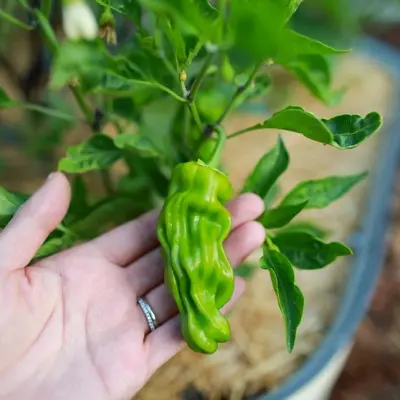
Often called the 'red jalapeño,' this versatile California-bred pepper offers the perfect medium heat level with a bright, fresh flavor that works in countless dishes. Fresno peppers ripen from green to brilliant red, developing more sweetness and complexity as they mature, making them ideal for both fresh and cooked applications. Their approachable heat level and exceptional flavor make them a favorite among both novice and experienced gardeners.
Harvest
75-85d
Days to harvest
Sun
Full sun
Zones
4–11
USDA hardiness
Height
1-3 feet
Planting Timeline
Showing dates for Hot Pepper 'Fresno' in USDA Zone 7
All Zone 7 pepper →Zone Map
Click a state to update dates
Hot Pepper 'Fresno' · Zones 4–11
Growing Details
Succession Planting
Fresnos keep setting fruit from a single transplant across the whole harvest window, so staggered sowings aren't necessary the way they are with arugula or radishes. Get transplants in the ground in April or early May once nighttime lows are holding above 55°F, and the plants will carry you from July through September without a second round. If you lose a plant to phytophthora root rot mid-season and need to fill the gap, a container-grown backup dropped in by mid-June in zone 7 will still produce a decent harvest before first frost — usually late October here.
Complete Growing Guide
Fresno peppers thrive in warm soil and consistently warm air temperatures, ideally between 70-85°F, so delay transplanting until all frost danger passes and soil reaches at least 60°F. Unlike slower pepper varieties, Fresnos mature relatively quickly at 75-85 days, rewarding patient gardeners with fruit by mid-to-late summer even in shorter growing seasons. This cultivar produces compact plants (1-3 feet) that rarely exhibit the leggy stretching common in other peppers, though they benefit from afternoon shade in extremely hot climates to prevent fruit scald. Fresno peppers show moderate susceptibility to spider mites and thrips in dry conditions, so consistent watering and occasional misting strengthen plant resilience. For superior flavor development, resist harvesting until peppers fully mature from green to red, even though they're edible at earlier stages—this 2-3 week patience window dramatically increases their characteristic fruity sweetness and heat complexity.
Light: Full sun (6 or more hours of direct sunlight a day). Soil: Clay, High Organic Matter, Loam (Silt), Sand. Soil pH: Acid (<6.0), Alkaline (>8.0), Neutral (6.0-8.0). Drainage: Good Drainage. Height: 1 ft. 0 in. - 3 ft. 8 in.. Spread: 0 ft. 6 in. - 1 ft. 0 in.. Spacing: 12 inches-3 feet. Growth rate: Medium. Maintenance: Low. Propagation: Seed. Regions: Coastal, Mountains, Piedmont.
Harvesting
Fresno peppers reach peak harvest readiness when they transition from green to a deep, glossy red, signaling maximum sweetness and flavor development. At this stage, the peppers should feel firm yet slightly yielding to gentle pressure, typically measuring 2–3 inches long. For continuous harvests throughout the season, pick peppers regularly while still green or at the first blush of red color, which encourages the plant to produce more flowers and fruit. However, if you prefer the fuller, more complex flavor these peppers develop, allow some to fully mature to brilliant red before harvesting. A key timing tip: pick peppers in the early morning when they're crisp and hydrated, which maximizes their shelf life and ensures the best texture for fresh applications.
Fruits are a non-pulpy berry and vary considerably across cultivars. Some are long, thin, bright red, and spicy; others are thick, large, and sweet-tasting; others still are small and in ornamental shapes and colors, grown as decoration.
Color: Black, Gold/Yellow, Green, Orange, Red/Burgundy. Type: Berry. Length: 1-3 inches. Width: < 1 inch.
Garden value: Edible, Good Dried, Showy
Harvest time: Summer
Edibility: Fruits edible, but spiciness is unpredictable in intensity.
Storage & Preservation
Fresh Fresno peppers keep best in the refrigerator at 45-50°F with moderate humidity, stored in a perforated plastic bag or breathable container to allow air circulation while preventing moisture loss. Under these conditions, expect a shelf life of two to three weeks before the peppers begin to soften and wrinkle. For longer preservation, freezing works well—slice or dice the peppers, spread them on a tray to freeze individually, then transfer to freezer bags for up to eight months. Canning as hot sauce or salsa is popular given their bright, fruity character, which complements vinegar-based recipes. Drying is equally rewarding; hang whole peppers or slice them lengthwise and air-dry in a warm location until papery, then grind for flakes or powder. Fermentation brings out complex flavors—pack sliced peppers with salt in a jar and let them sit for several weeks to develop a tangy bite ideal for salsas. Fresno peppers are thinner-walled than jalapeños, so they dry faster and freeze more successfully without becoming mushy, making them particularly suited to quick-preservation methods.
History & Origin
The Fresno pepper emerged from California's agricultural breeding programs in the 1950s, developed to meet commercial and home gardening demand for a milder alternative to jalapeños. While specific breeder attribution remains unclear in readily available documentation, the variety represents deliberate selection work within California's pepper breeding heritage, where the state's ideal growing conditions fostered development of distinctive cultivars. The Fresno was introduced and popularized through commercial seed catalogs as American gardeners sought approachable hot peppers with complex flavor profiles. Its lineage traces to Capsicum annuum germplasm, the same species as jalapeños, but with selection favoring reduced heat levels and enhanced sweetness, making it a deliberately bred departure from its spicier relatives rather than a chance mutation or traditional heirloom.
Origin: Tropical North and South America
Advantages
- +Medium heat level makes Fresno peppers approachable for most palates.
- +Ripens from green to red, offering harvest flexibility and color options.
- +California-bred variety combines excellent flavor with reliable 75-85 day maturity.
- +Versatile in both fresh and cooked applications for diverse culinary uses.
- +Bright, fruity flavor profile develops sweetness and complexity when fully mature.
Considerations
- -Susceptible to bacterial spot and phytophthora root rot in humid conditions.
- -Vulnerable to multiple pests including aphids, spider mites, thrips, and weevils.
- -Virus diseases can significantly reduce plant vigor and pepper production yields.
- -Requires consistent moisture and well-draining soil to prevent root rot issues.
Companion Plants
Basil is the most practical neighbor for Fresnos — both crops want full sun and 1–1.5 inches of water a week, so they don't compete for resources, and basil's volatile oils (linalool, estragole) may reduce aphid and thrips pressure, though the evidence for that is thinner than gardening lore suggests. French marigolds (Tagetes patula) planted at row ends are worth the space for their documented suppression of root-knot nematodes in the soil. Fennel is the one to cut entirely — it releases allelopathic compounds from its roots that stunt most vegetables within a few feet, and Capsicum annuum is not an exception. Keep Fresnos at least 25–30 feet from sweet peppers too: NC State Extension notes that insect cross-pollination in peppers can push the dominant capsaicin gene into sweet pepper fruit in the very same season — a rude surprise in a Georgia summer salad.
Plant Together
Basil
Repels aphids, spider mites, and thrips while potentially enhancing pepper flavor
Marigold
Deters nematodes, aphids, and whiteflies with strong scent compounds
Tomato
Similar growing requirements and shared beneficial insects for pest control
Oregano
Repels cucumber beetles and provides ground cover to retain soil moisture
Parsley
Attracts beneficial insects like hoverflies and parasitic wasps
Carrots
Utilize different soil layers and carrots help break up soil for pepper roots
Spinach
Provides living mulch and cool-season harvest before peppers need full space
Nasturtium
Acts as trap crop for aphids and cucumber beetles while attracting pollinators
Keep Apart
Black Walnut
Produces juglone toxin that inhibits pepper growth and development
Fennel
Releases allelopathic compounds that stunt growth of peppers and most vegetables
Brassicas
Compete for similar nutrients and may inhibit pepper growth through root competition
Nutrition Facts
Per 100g serving. % Daily Value based on 2,000 calorie diet. Source: USDA FoodData Central (FDC #169394)
Pests & Disease Resistance
Resistance
Good general disease tolerance
Common Pests
Aphids, spider mites, thrips, pepper weevils
Diseases
Bacterial spot, phytophthora root rot, virus diseases
Troubleshooting Hot Pepper 'Fresno'
What you'll see, why it happens, and what to do about it.
Sunken, dark, leathery spot on the bottom or side of the fruit — shows up once peppers are sizing up
Likely Causes
- Blossom-end rot — localized calcium deficiency in the developing fruit
- Uneven soil moisture (dry spells followed by heavy rain or irrigation)
- Overfertilization with high-nitrogen fertilizers, especially ammonium nitrogen, which locks out calcium uptake
What to Do
- 1.Mulch with 2–3 inches of straw to even out soil moisture swings
- 2.Water consistently to 1–1.5 inches per week — drought stress is usually the trigger, not a calcium-deficient soil
- 3.Back off high-nitrogen fertilizers mid-season; NC State Extension recommends keeping soil pH at 6.5–6.8 so calcium stays available
Small, water-soaked spots on leaves and fruit that turn brown with yellow halos, appearing in midsummer
Likely Causes
- Bacterial spot (Xanthomonas campestris pv. vesicatoria) — spreads fast in warm, wet conditions
- Overhead irrigation or rain splashing infected soil onto foliage
What to Do
- 1.Switch to drip irrigation if you're overhead watering — keeping leaves dry cuts transmission significantly
- 2.Apply copper-based bactericide at first sign of lesions; it won't cure infected tissue but slows spread
- 3.Pull and trash heavily infected plants at season's end; don't compost them
Leaves stippled or bronzed, with fine webbing on undersides — gets worse through a dry August stretch
Likely Causes
- Two-spotted spider mites (Tetranychus urticae) — populations spike in hot, dry weather above 85°F
- Thrips feeding — causes similar silvery streaking and distorted new growth at the shoot tips
What to Do
- 1.Blast the undersides of leaves with a strong stream of water to knock mite populations down — do this 3 days in a row
- 2.Apply insecticidal soap or neem oil in the early morning; repeat every 5–7 days for 3 applications
- 3.Avoid broad-spectrum insecticides that kill predatory mites (Phytoseiidae), which would otherwise keep two-spotted mite numbers in check naturally
Frequently Asked Questions
How long does Fresno pepper take to grow from seed?▼
Can you grow Fresno peppers in containers?▼
What does a Fresno pepper taste like compared to jalapeño?▼
Are Fresno peppers good for beginners?▼
When should I plant Fresno pepper seeds?▼
How hot are Fresno peppers compared to other peppers?▼
Zone-by-Zone Planting Calendar
| Zone | Indoor Start | Transplant | Direct Sow | Harvest |
|---|---|---|---|---|
| Zone 1 | May – May | July – August | — | October – August |
| Zone 2 | April – May | June – July | — | September – September |
| Zone 11 | January – January | January – February | — | April – June |
| Zone 12 | January – January | January – February | — | April – June |
| Zone 13 | January – January | January – February | — | April – June |
| Zone 3 | April – April | June – July | — | September – October |
| Zone 4 | March – April | June – June | — | August – October |
| Zone 5 | March – March | May – June | — | August – October |
| Zone 6 | March – March | May – June | — | August – October |
| Zone 7 | February – March | April – May | — | July – September |
| Zone 8 | February – February | April – May | — | July – September |
| Zone 9 | January – January | March – April | — | June – August |
| Zone 10 | January – January | February – March | — | May – July |
Growing Guides from Wind River Greens
Sources & References
External authority sources used in compiling this guide.
See the Methodology page for how this data is sourced, what's AI-assisted, and known limitations.
More Peppers
Carolina Reaper
Sweet Pepper 'Carmen'
Ghost Pepper 'Bhut Jolokia'
Scotch Bonnet 'Scotch Bonnet Orange'
Chocolate Habanero
Sweet Italian Pepper 'Marconi Rosso'
Purple Beauty Bell Pepper
Mad Hatter