Sweet Pepper 'Lipstick'
Capsicum annuum 'Lipstick'
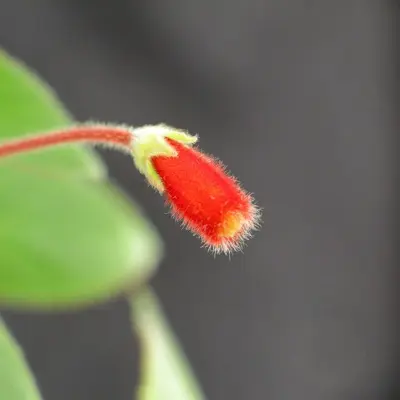
A delightful mini sweet pepper that's become a farmer's market favorite for its perfect snack size and exceptional sweetness. These glossy, bright red peppers are shaped like small lipstick tubes and offer incredible flavor in a compact package. Extremely productive plants make this variety perfect for container growing and continuous harvesting throughout the season.
Harvest
55-65d
Days to harvest
Sun
Full sun
Zones
4–11
USDA hardiness
Height
1-3 feet
Planting Timeline
Showing dates for Sweet Pepper 'Lipstick' in USDA Zone 7
All Zone 7 pepper →Zone Map
Click a state to update dates
Sweet Pepper 'Lipstick' · Zones 4–11
Growing Details
Succession Planting
Lipstick is a hybrid sweet pepper — it keeps producing all season once it gets going, so succession planting doesn't apply here. Start one round indoors in February or March, transplant after last frost in April or May, and harvest from July through September. You're managing one long production window, not staggering multiple sowings.
Complete Growing Guide
This cultivar reaches maturity remarkably fast at 55-65 days, allowing multiple successions in a single season—start seeds every three weeks for continuous harvests rather than planting once. The compact 1-3 foot height and naturally high productivity mean 'Lipstick' thrives in containers where space constraints would limit standard pepper varieties, though its prolific fruiting demands consistent feeding with balanced fertilizer every 2-3 weeks. These plants are prone to legginess if started indoors without adequate light, so provide 14-16 hours of bright, direct illumination to prevent stretching before transplanting. Unlike heat-loving full-size peppers, 'Lipstick' tolerates slightly cooler conditions, making it suitable for shorter growing seasons, though it still needs warm soil (70°F+) to germinate. Watch for spider mites, which favor the dense foliage of heavily producing plants—regular misting and good air circulation prevent infestations. One essential tip: pinch the first flowers to encourage bushier growth and more total fruit production rather than early ripening.
Light: Full sun (6 or more hours of direct sunlight a day). Soil: Clay, High Organic Matter, Loam (Silt), Sand. Soil pH: Acid (<6.0), Alkaline (>8.0), Neutral (6.0-8.0). Drainage: Good Drainage. Height: 1 ft. 0 in. - 3 ft. 8 in.. Spread: 0 ft. 6 in. - 1 ft. 0 in.. Spacing: 12 inches-3 feet. Growth rate: Medium. Maintenance: Low. Propagation: Seed. Regions: Coastal, Mountains, Piedmont.
Harvesting
Sweet Pepper 'Lipstick' reaches peak harvest when the glossy peppers transform from green to their characteristic bright red color and measure approximately 3-4 inches long, resembling their namesake tubes. The peppers should feel firm yet slightly yielding to gentle pressure, indicating mature sugar development without mushiness. This variety responds exceptionally well to continuous harvesting—removing ripe peppers every 2-3 days encourages sustained flowering and extended production throughout the season rather than a single flush. For optimal sweetness, wait until peppers are fully red before picking, as incomplete color development results in less sugary flavor. Use sharp pruning shears to harvest, cutting the stem cleanly rather than twisting, which prevents damage to the productive plant.
Fruits are a non-pulpy berry and vary considerably across cultivars. Some are long, thin, bright red, and spicy; others are thick, large, and sweet-tasting; others still are small and in ornamental shapes and colors, grown as decoration.
Color: Black, Gold/Yellow, Green, Orange, Red/Burgundy. Type: Berry. Length: 1-3 inches. Width: < 1 inch.
Garden value: Edible, Good Dried, Showy
Harvest time: Summer
Edibility: Fruits edible, but spiciness is unpredictable in intensity.
Storage & Preservation
Store freshly harvested Lipstick peppers in the refrigerator at 45–50°F with 90–95% humidity, ideally in a perforated plastic bag or vegetable drawer. They'll keep for two to three weeks under these conditions. For longer preservation, freezing works well: dice or slice them raw, spread on a tray to freeze solid, then transfer to freezer bags for up to eight months. Roasting before freezing concentrates their natural sweetness. Canning is viable using a tested hot-pack method with vinegar-based brine, yielding shelf-stable jars for a year. Drying is less common but possible—slice thin, dry at 135–145°F until brittle, then store in airtight containers. Because these peppers are prized for their crisp texture and fresh flavor, avoid canning or cooking methods that soften them if you want to preserve that signature snap. Raw freezing retains the best texture for future salads and snacking.
History & Origin
While specific breeder attribution and introduction date for 'Lipstick' remain unclear in readily available documentation, this variety belongs to the lineage of ornamental-edible mini pepper breeding that gained prominence in late twentieth-century seed catalogs. It likely descends from the broader group of compact Capsicum annuum cultivars developed for container production and visual appeal. The variety's characteristics—diminutive size, prolific production, and intense sweetness—reflect deliberate selection traits prioritized by commercial seed companies catering to home gardeners and farmers markets. Though definitive records of its origin are limited, 'Lipstick' represents the culmination of decades of pepper breeding focused on user-friendly, visually distinctive cultivars suited to modern gardening practices.
Origin: Tropical North and South America
Advantages
- +Perfect snack size makes 'Lipstick' ideal for fresh eating and farmer's markets.
- +Exceptionally sweet flavor with no heat appeals to a broad audience.
- +Extremely productive plants ensure continuous harvesting throughout the growing season.
- +Glossy red appearance and unique lipstick shape create excellent visual appeal.
- +Easy to grow making 'Lipstick' suitable for beginner gardeners and containers.
Considerations
- -Susceptible to bacterial spot disease requiring careful sanitation and preventative measures.
- -Prone to blossom end rot when calcium uptake or watering is inconsistent.
- -Small fruit size means lower total yield per plant compared to standard peppers.
Companion Plants
Basil and French marigolds (Tagetes patula) are the two worth actually planting near Lipstick. Marigolds deter aphids and confuse thrips through scent; basil may do something similar at smaller scale. Carrots and onions sit fine at 12 to 18 inches out — shallow roots, no moisture competition to speak of. Fennel is allelopathic and stunts most vegetables planted within a couple feet, so keep it out of the bed entirely. Brassicas share enough overlapping pest pressure and prefer a cooler, lower-pH environment that pairing them with peppers just creates problems for both. NC State Extension also flags that hot peppers planted near sweet types risk insect cross-pollination — the gene for capsaicin is dominant, and you may end up with hot 'Lipstick' fruit mid-season. Keep them at least 50 feet apart if seed saving matters to you.
Plant Together
Basil
Repels aphids, spider mites, and thrips while potentially improving pepper flavor
Marigold
Deters nematodes, aphids, and whiteflies with natural compounds
Tomato
Similar growing requirements and can share support structures
Oregano
Repels pests like cucumber beetles and provides ground cover
Carrots
Loosens soil around pepper roots and doesn't compete for nutrients
Onions
Repels aphids, thrips, and other soft-bodied insects
Nasturtiums
Acts as trap crop for aphids and cucumber beetles
Parsley
Attracts beneficial insects like hoverflies and parasitic wasps
Keep Apart
Fennel
Releases allelopathic compounds that inhibit pepper growth
Black Walnut
Produces juglone toxin that stunts or kills pepper plants
Brassicas
Compete for similar nutrients and may stunt pepper growth
Nutrition Facts
Per 100g serving. % Daily Value based on 2,000 calorie diet. Source: USDA FoodData Central (FDC #169394)
Pests & Disease Resistance
Resistance
Good disease resistance, vigorous growth
Common Pests
Aphids, spider mites, thrips
Diseases
Bacterial spot, blossom end rot
Troubleshooting Sweet Pepper 'Lipstick'
What you'll see, why it happens, and what to do about it.
Sunken, leathery black or brown patch on the bottom (or side) of the fruit, usually showing up as fruit is sizing up
Likely Causes
- Blossom end rot — localized calcium deficiency in the developing fruit, as NC State Extension notes
- Inconsistent watering causing calcium uptake to stall
- High ammonium nitrogen fertilizer pushing other nutrients out
What to Do
- 1.Water consistently — 1 to 1.5 inches per week; let the soil dry out and you'll trigger the next round of BER
- 2.Mulch heavily once plants are blooming to buffer soil moisture swings
- 3.Pull back on high-nitrogen synthetic fertilizers mid-season; switch to a balanced or low-N formula once fruit sets
Pale, papery white or tan patches on the fruit side facing the sun, fruit otherwise looks healthy
Likely Causes
- Sun scald — exposed fruit tissue gets cooked when foliage thins out or plants are pruned too aggressively
- Bacterial spot (Xanthomonas euvesicatoria) can move into sun scald damage, using the injured tissue as an entry point
What to Do
- 1.Don't strip the canopy — Lipstick's compact 1-to-3-foot frame doesn't need heavy leaf removal, and that foliage is doing real shading work
- 2.If bacterial spot has moved in (water-soaked lesions with yellow halos), pull affected fruit and switch to drip or soaker irrigation
- 3.Rotate the bed out of nightshades for at least 2 seasons; Xanthomonas overwinters in soil and plant debris
Leaves stippled silver or bronze, tiny webbing on undersides, plants look dull and stressed in hot dry stretches
Likely Causes
- Two-spotted spider mites (Tetranychus urticae) — populations explode when temperatures stay above 85°F and humidity drops
- Thrips feeding can produce similar silvery leaf discoloration and may also scar and streak developing fruit
What to Do
- 1.Hit the undersides of leaves with a hard spray of water three mornings in a row — that's where mites and thrips actually live
- 2.Follow up with insecticidal soap or neem oil applied to leaf undersides if pressure continues after 4 or 5 days
- 3.Keep plants at 1 to 1.5 inches of water per week; drought-stressed peppers draw mite pressure faster than almost any other cultural mistake
Frequently Asked Questions
How long does Lipstick pepper take to grow from seed?▼
Can you grow Lipstick peppers in containers?▼
Are Lipstick peppers good for beginners?▼
What do Lipstick peppers taste like?▼
When should I plant Lipstick pepper seeds?▼
How many Lipstick peppers does one plant produce?▼
Zone-by-Zone Planting Calendar
| Zone | Indoor Start | Transplant | Direct Sow | Harvest |
|---|---|---|---|---|
| Zone 1 | May – May | July – August | — | September – August |
| Zone 2 | April – May | June – July | — | September – September |
| Zone 11 | January – January | January – February | — | April – June |
| Zone 12 | January – January | January – February | — | April – June |
| Zone 13 | January – January | January – February | — | April – June |
| Zone 3 | April – April | June – July | — | August – October |
| Zone 4 | March – April | June – June | — | August – October |
| Zone 5 | March – March | May – June | — | July – September |
| Zone 6 | March – March | May – June | — | July – September |
| Zone 7 | February – March | April – May | — | July – September |
| Zone 8 | February – February | April – May | — | June – August |
| Zone 9 | January – January | March – April | — | May – July |
| Zone 10 | January – January | February – March | — | May – July |
Growing Guides from Wind River Greens
Sources & References
External authority sources used in compiling this guide.
See the Methodology page for how this data is sourced, what's AI-assisted, and known limitations.
More Peppers
Carolina Reaper
Sweet Pepper 'Carmen'
Ghost Pepper 'Bhut Jolokia'
Scotch Bonnet 'Scotch Bonnet Orange'
Chocolate Habanero
Sweet Italian Pepper 'Marconi Rosso'
Purple Beauty Bell Pepper
Mad Hatter