Sweet Pepper 'Purple Flash'
Capsicum annuum 'Purple Flash'
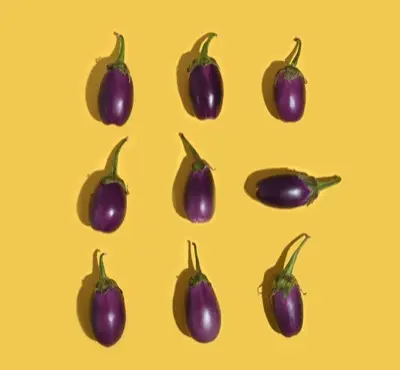
An ornamental pepper that's as beautiful as it is delicious, featuring stunning purple and cream variegated foliage topped with small, colorful peppers that ripen from purple to orange to red. This compact variety works perfectly as an edible landscape plant or container specimen, offering sweet, mild peppers alongside incredible visual appeal. Purple Flash proves that peppers can be both functional and gorgeous in the garden.
Harvest
60-70d
Days to harvest
Sun
Full sun
Zones
4–11
USDA hardiness
Height
1-3 feet
Planting Timeline
Showing dates for Sweet Pepper 'Purple Flash' in USDA Zone 7
All Zone 7 pepper →Zone Map
Click a state to update dates
Sweet Pepper 'Purple Flash' · Zones 4–11
Growing Details
Complete Growing Guide
Purple Flash matures quickly in 60-70 days, making it ideal for succession planting in shorter growing seasons, but start seeds 8-10 weeks before your last frost since transplants establish faster than direct seeding. This cultivar thrives in full sun with consistent warmth—it's more cold-sensitive than standard peppers, so delay transplanting until soil reaches 60°F. The variegated foliage, while ornamental, can mask early stress; monitor closely for spider mites and whiteflies, which exploit the plant's compact growth habit. Purple Flash tends toward legginess in inadequate light, so provide at least 14-16 hours daily if growing indoors, or pinch stem tips once before transplanting to encourage bushier architecture. A practical tip: this variety's small fruit size means it dries quickly—harvest peppers at any color stage for continuous productivity and to prevent the plant from redirecting energy into seed maturation, extending your harvest window considerably.
Light: Full sun (6 or more hours of direct sunlight a day). Soil: Clay, High Organic Matter, Loam (Silt), Sand. Soil pH: Acid (<6.0), Alkaline (>8.0), Neutral (6.0-8.0). Drainage: Good Drainage. Height: 1 ft. 0 in. - 3 ft. 8 in.. Spread: 0 ft. 6 in. - 1 ft. 0 in.. Spacing: 12 inches-3 feet. Growth rate: Medium. Maintenance: Low. Propagation: Seed. Regions: Coastal, Mountains, Piedmont.
Harvesting
Harvest Purple Flash peppers once they've transitioned through their striking color progression from purple to orange, reaching full red for maximum sweetness and mild flavor development. Peppers feel firm to the touch and snap cleanly from the stem when ready, typically reaching 2-3 inches in length. This variety rewards continuous harvesting—picking peppers at any stage encourages prolific production throughout the season, though waiting for the final red color delivers peak sweetness. For best results, harvest in early morning when peppers are crisp and fully hydrated, using pruning shears to avoid damaging the compact plant's ornamental foliage. Regular picking extends productivity well into fall, making Purple Flash an exceptional choice for season-long harvests.
Fruits are a non-pulpy berry and vary considerably across cultivars. Some are long, thin, bright red, and spicy; others are thick, large, and sweet-tasting; others still are small and in ornamental shapes and colors, grown as decoration.
Color: Black, Gold/Yellow, Green, Orange, Red/Burgundy. Type: Berry. Length: 1-3 inches. Width: < 1 inch.
Garden value: Edible, Good Dried, Showy
Harvest time: Summer
Edibility: Fruits edible, but spiciness is unpredictable in intensity.
Storage & Preservation
# Storage and Preservation
Store freshly harvested Purple Flash peppers in the refrigerator at 45–50°F with 90–95% humidity, ideally in a breathable container or perforated plastic bag. They'll keep for 2–3 weeks under these conditions. For longer-term preservation, freeze whole or chopped peppers on a tray before transferring to freezer bags—they work well in cooked dishes despite losing crispness. Drying is excellent for this variety; slice thinly and dry in a dehydrator at 135°F until brittle for ornamental and culinary use. You can also pickle them whole or in strips using a standard vinegar brine, which preserves their vibrant purple color beautifully. Because this variety maintains its striking appearance even after processing, dried or pickled Purple Flash peppers make particularly attractive additions to arrangements or gift jars.
History & Origin
The origins of Purple Flash remain largely undocumented in publicly available horticultural records, though its development likely traces to ornamental pepper breeding programs that gained momentum in the late twentieth century. As a variegated Capsicum annuum cultivar, it belongs to a lineage of decorative peppers selected for dual-purpose appeal—combining ornamental foliage and edible fruit production. The variety's purple and cream variegation suggests deliberate selection within ornamental breeding lines, possibly from Japanese or European seed companies known for developing compact, visually striking pepper cultivars. While the specific breeder and introduction date remain unclear, Purple Flash exemplifies the modern trend toward multifunctional garden plants that blur the distinction between landscape ornamentals and productive food crops.
Origin: Tropical North and South America
Advantages
- +Stunning purple and cream variegated foliage provides year-round ornamental garden interest
- +Compact growth habit makes it ideal for container gardens and small spaces
- +Peppers ripen through purple, orange, and red stages for extended visual appeal
- +Mild, sweet flavor is appealing to most gardeners and families
- +Fast maturity at 60-70 days allows quicker harvest and succession planting
Considerations
- -Susceptible to aphids, spider mites, and whiteflies requiring regular pest monitoring
- -Small pepper size and ornamental focus may limit overall fruit yield
- -Variegated foliage can reduce photosynthesis compared to solid-leaf varieties
Companion Plants
Basil and marigolds do the most work here — basil's volatile oils appear to confuse aphids and whiteflies through scent, and French marigolds (Tagetes patula) produce root exudates that suppress soil nematodes over a full season. Nasturtiums are worth tucking in at the bed edge: they draw aphids away from the peppers and act as an early-warning system — if you see a nasturtium covered in colonies, treat the whole bed before the infestation spreads. Fennel is the one to skip entirely; it releases allelopathic compounds that stunt most vegetables nearby, and 'Purple Flash' doesn't need that competition. Brassicas can host shared whitefly populations, so give them a separate bed at least 10 feet away.
Plant Together
Basil
Repels aphids, spider mites, and thrips while potentially improving pepper flavor
Marigold
Deters nematodes, aphids, and whiteflies with natural compounds
Tomato
Similar growing requirements and can share trellising systems effectively
Oregano
Repels pests like aphids and provides ground cover to retain soil moisture
Carrots
Utilize different soil depths and carrots help break up compacted soil
Onions
Strong scent deters aphids, spider mites, and other common pepper pests
Nasturtiums
Act as trap crops for aphids and cucumber beetles while attracting beneficial insects
Parsley
Attracts beneficial insects like hoverflies and parasitic wasps that control pests
Keep Apart
Black Walnut
Produces juglone toxin that stunts growth and can kill pepper plants
Fennel
Releases allelopathic compounds that inhibit growth of peppers and most vegetables
Brassicas
Compete for similar nutrients and may stunt pepper growth through root competition
Nutrition Facts
Per 100g serving. % Daily Value based on 2,000 calorie diet. Source: USDA FoodData Central (FDC #169394)
Pests & Disease Resistance
Resistance
Generally disease resistant due to compact growth habit
Common Pests
Aphids, spider mites, whiteflies
Diseases
Rarely affected by diseases in container culture
Troubleshooting Sweet Pepper 'Purple Flash'
What you'll see, why it happens, and what to do about it.
Flat, sunken, dark or leathery spot on the side or bottom of the fruit — not at a wound or insect bite
Likely Causes
- Blossom end rot — a localized calcium deficiency in the developing fruit
- Inconsistent watering or drought stress preventing calcium uptake
- High ammonium-nitrogen fertilizer blocking calcium movement in the plant
What to Do
- 1.Water consistently — 1 inch per week, don't let the soil dry out between waterings
- 2.Pull back on high-nitrogen synthetic fertilizers, especially ammonium-based ones
- 3.If soil calcium tests low, work in lime before the next season; a foliar calcium spray mid-season can help but won't fix a systemic deficit
Clusters of tiny soft-bodied insects on new growth and undersides of leaves; leaves curling or sticky to the touch
Likely Causes
- Aphids (various Capsicum-colonizing species) — worst in warm weather with poor airflow
- Ant activity nearby, which farms aphid colonies and shields them from predatory insects
What to Do
- 1.Blast them off with a firm stream of water — do this in the morning so foliage dries before nightfall
- 2.If the population rebounds within 3–4 days, apply insecticidal soap directly to the colonies
- 3.Check for ant trails; a sticky barrier on container legs lets natural predators like parasitic wasps reach the aphids
Fine webbing on leaf undersides, foliage looking stippled or bronze, worst during hot dry spells
Likely Causes
- Two-spotted spider mite (Tetranychus urticae) — populations explode in temperatures above 85°F combined with low humidity
- Water stress that weakens the plant and makes it easier for mites to establish
What to Do
- 1.Keep soil consistently moist and mist foliage in the evening — Tetranychus urticae struggles when humidity climbs
- 2.Spray neem oil or insecticidal soap to leaf undersides where mites concentrate; repeat every 5–7 days for at least two rounds
- 3.Pinch off and bag heavily infested leaves before treating to cut the mite population down fast
Your labeled sweet 'Purple Flash' pepper tastes noticeably hot, especially near the seeds
Likely Causes
- In-season cross-pollination from a nearby hot pepper variety — the capsaicin gene is dominant in Capsicum annuum, and bees move pollen freely between plants
- Seed saved from a previous cross planted this year — NC State Extension specifically flags sweet-and-hot pepper proximity as a cross-pollination risk
What to Do
- 1.For seed saving, separate sweet and hot Capsicum annuum varieties by at least 300–400 feet, or bag blossoms before they open
- 2.Don't save seed from any sweet pepper that grew within 50 feet of a hot variety — the heat can already be encoded in that seed even if the current fruit's flesh tastes fine
- 3.If you're just eating them fresh and not saving seed, the risk is low but not zero; plant hot types on the far end of the garden as a simple habit
Frequently Asked Questions
How long does Purple Flash pepper take to grow from seed?▼
Can you grow Purple Flash peppers in containers?▼
What do Purple Flash peppers taste like?▼
Is Purple Flash pepper good for beginners?▼
When should I plant Purple Flash pepper seeds?▼
Do Purple Flash peppers need full sun?▼
Zone-by-Zone Planting Calendar
| Zone | Indoor Start | Transplant | Direct Sow | Harvest |
|---|---|---|---|---|
| Zone 1 | May – May | July – August | — | September – August |
| Zone 2 | April – May | June – July | — | September – September |
| Zone 11 | January – January | January – February | — | April – June |
| Zone 12 | January – January | January – February | — | April – June |
| Zone 13 | January – January | January – February | — | April – June |
| Zone 3 | April – April | June – July | — | August – October |
| Zone 4 | March – April | June – June | — | August – October |
| Zone 5 | March – March | May – June | — | August – October |
| Zone 6 | March – March | May – June | — | July – September |
| Zone 7 | February – March | April – May | — | July – September |
| Zone 8 | February – February | April – May | — | June – August |
| Zone 9 | January – January | March – April | — | May – July |
| Zone 10 | January – January | February – March | — | May – July |
Growing Guides from Wind River Greens
Sources & References
External authority sources used in compiling this guide.
See the Methodology page for how this data is sourced, what's AI-assisted, and known limitations.
More Peppers
Carolina Reaper
Sweet Pepper 'Carmen'
Ghost Pepper 'Bhut Jolokia'
Scotch Bonnet 'Scotch Bonnet Orange'
Chocolate Habanero
Sweet Italian Pepper 'Marconi Rosso'
Purple Beauty Bell Pepper
Mad Hatter