Bell Pepper 'California Wonder'
Capsicum annuum 'California Wonder'
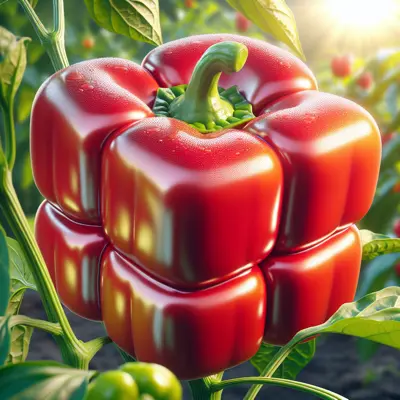
The gold standard for sweet bell peppers, California Wonder has been America's favorite home garden variety since the 1920s. These thick-walled, blocky peppers start green and can ripen to brilliant red, offering exceptional sweetness and crunch. Reliable, productive, and perfect for beginners, it's the pepper that built America's love affair with home-grown sweet peppers.
Harvest
75-85d
Days to harvest
Sun
Full sun
Zones
4–11
USDA hardiness
Height
1-3 feet
Planting Timeline
Showing dates for Bell Pepper 'California Wonder' in USDA Zone 7
All Zone 7 pepper →Zone Map
Click a state to update dates
Bell Pepper 'California Wonder' · Zones 4–11
Growing Details
Complete Growing Guide
Light: Full sun (6 or more hours of direct sunlight a day). Soil: Clay, High Organic Matter, Loam (Silt), Sand. Soil pH: Acid (<6.0), Alkaline (>8.0), Neutral (6.0-8.0). Drainage: Good Drainage. Height: 1 ft. 0 in. - 3 ft. 8 in.. Spread: 0 ft. 6 in. - 1 ft. 0 in.. Spacing: 12 inches-3 feet. Growth rate: Medium. Maintenance: Low. Propagation: Seed. Regions: Coastal, Mountains, Piedmont.
Harvesting
Fruits are a non-pulpy berry and vary considerably across cultivars. Some are long, thin, bright red, and spicy; others are thick, large, and sweet-tasting; others still are small and in ornamental shapes and colors, grown as decoration.
Color: Black, Gold/Yellow, Green, Orange, Red/Burgundy. Type: Berry. Length: 1-3 inches. Width: < 1 inch.
Garden value: Edible, Good Dried, Showy
Harvest time: Summer
Edibility: Fruits edible, but spiciness is unpredictable in intensity.
Storage & Preservation
Store freshly harvested California Wonder peppers in the refrigerator at 45–50°F with 90–95% humidity, ideally in perforated plastic bags or the crisper drawer. They'll keep for two to three weeks under these conditions. For longer preservation, freezing works excellently—simply dice or slice the peppers raw and freeze on a sheet tray before bagging, or roast them whole first for better texture in cooked dishes. Canning is reliable for stuffed peppers or pickled preparations, following tested USDA guidelines. Drying strips in a dehydrator or low oven concentrates their natural sweetness and works well for rehydrating in soups and stews. These peppers' thick walls make them particularly suited to roasting and freezing whole—char them directly over flame, cool slightly, then peel away the skin before freezing for restaurant-quality results year-round.
History & Origin
Origin: Tropical North and South America
Advantages
- +Attracts: Songbirds
- +Edible: Fruits edible, but spiciness is unpredictable in intensity.
- +Low maintenance
Companion Plants
Basil pulls real weight here beyond any folklore — its volatile oils are thought to confuse aphids, which will find California Wonder on their own given half a chance. Marigolds, specifically French marigolds (Tagetes patula), deter aphids above ground and their roots suppress certain soil nematodes. Onions and carrots work as border plants because their root zones don't overlap much with pepper roots: onions sit shallow at 6–12 inches, carrots go deeper and to the side, so neither is fighting the peppers for the same water and calcium at 18–24 inches down.
Fennel produces allelopathic compounds that stunt most vegetables around it — keep it out of the pepper bed entirely, not just nearby. Brassicas are a worse neighbor than people expect: they're heavy calcium feeders, and a calcium-depleted soil is exactly the condition that triggers blossom end rot in peppers. One more thing worth keeping in mind: NC State Extension notes that hot and sweet peppers cross-pollinate readily via insects, so if you're saving seed from California Wonder, don't grow it within a few hundred feet of a hot variety.
Plant Together
Basil
Repels aphids, spider mites, and thrips while potentially improving pepper flavor
Tomatoes
Share similar growing conditions and can help confuse pests through companion diversity
Marigolds
Repel nematodes, aphids, and whiteflies with their strong scent
Oregano
Deters cucumber beetles and aphids while attracting beneficial insects
Carrots
Help break up soil around pepper roots and don't compete for nutrients
Onions
Repel aphids, thrips, and other pests with their sulfur compounds
Nasturtiums
Act as trap crops for aphids and cucumber beetles, drawing them away from peppers
Parsley
Attracts beneficial insects like hoverflies and parasitic wasps that control pepper pests
Keep Apart
Black Walnut Trees
Produce juglone toxin that inhibits pepper growth and can cause wilting
Fennel
Releases allelopathic compounds that stunt growth of peppers and most vegetables
Brassicas
Compete heavily for nutrients and can inhibit pepper growth through root competition
Nutrition Facts
Per 100g serving. % Daily Value based on 2,000 calorie diet. Source: USDA FoodData Central (FDC #2258588)
Pests & Disease Resistance
Resistance
Moderate resistance to tobacco mosaic virus
Common Pests
Aphids, pepper weevil, flea beetles, hornworms
Diseases
Bacterial spot, anthracnose, blossom end rot, pepper mosaic virus
Troubleshooting Bell Pepper 'California Wonder'
What you'll see, why it happens, and what to do about it.
Sunken, leathery dark patches on the bottom or sides of the fruit, sometimes with secondary black mold
Likely Causes
- Blossom end rot — localized calcium deficiency in the developing fruit
- Inconsistent watering or drought stress preventing calcium uptake
- High ammonium nitrogen fertilizer blocking calcium movement
What to Do
- 1.Water consistently at 1–1.5 inches per week; those affected fruits won't recover, but steady moisture protects what's still developing
- 2.Mulch heavily around the base of plants before dry spells hit — UGA Extension specifically flags mulching peppers before dry periods as a preventive step, not a reactive one
- 3.Pull back on high-nitrogen fertilizers, especially ammonium-based ones; get a soil test and amend with calcium if levels are genuinely low
Leaves with small, water-soaked spots that turn brown with yellow halos, sometimes spreading to fruit as raised or sunken lesions
Likely Causes
- Bacterial spot (Xanthomonas campestris pv. vesicatoria) — spreads fast in wet, warm conditions
- Overhead irrigation or rain splashing infected soil onto foliage
What to Do
- 1.Switch to drip irrigation or water at the base to keep foliage dry
- 2.Remove and bag heavily infected leaves; don't compost them
- 3.Rotate this bed out of peppers and tomatoes for at least 2 seasons — bacterial spot overwinters in plant debris and shares hosts across the nightshade family
Frequently Asked Questions
How long does California Wonder pepper take to grow from seed?▼
Can you grow California Wonder peppers in containers?▼
Is California Wonder good for beginner gardeners?▼
What does California Wonder pepper taste like?▼
California Wonder vs Bell Boy pepper – what's the difference?▼
When should I plant California Wonder pepper seeds?▼
Zone-by-Zone Planting Calendar
| Zone | Indoor Start | Transplant | Direct Sow | Harvest |
|---|---|---|---|---|
| Zone 3 | April – April | June – July | — | September – October |
| Zone 4 | March – April | June – June | — | August – October |
| Zone 5 | March – March | May – June | — | August – October |
| Zone 6 | March – March | May – June | — | August – October |
| Zone 7 | February – March | April – May | — | July – September |
| Zone 8 | February – February | April – May | — | July – September |
| Zone 9 | January – January | March – April | — | June – August |
| Zone 10 | January – January | February – March | — | May – July |
| Zone 1 | May – May | July – August | — | October – August |
| Zone 2 | April – May | June – July | — | September – September |
| Zone 11 | January – January | January – February | — | April – June |
| Zone 12 | January – January | January – February | — | April – June |
| Zone 13 | January – January | January – February | — | April – June |
Growing Guides from Wind River Greens
Sources & References
External authority sources used in compiling this guide.
See the Methodology page for how this data is sourced, what's AI-assisted, and known limitations.
More Peppers
Carolina Reaper
Sweet Pepper 'Carmen'
Ghost Pepper 'Bhut Jolokia'
Scotch Bonnet 'Scotch Bonnet Orange'
Chocolate Habanero
Sweet Italian Pepper 'Marconi Rosso'
Purple Beauty Bell Pepper
Mad Hatter