Hot Pepper 'Joe's Long Cayenne'
Capsicum annuum 'Joe's Long Cayenne'
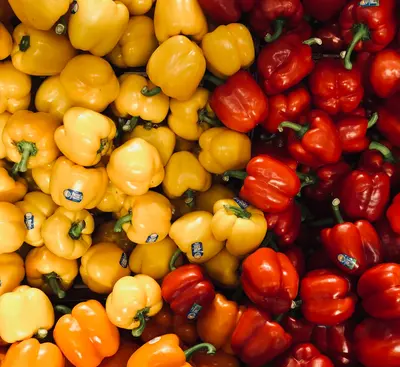
An exceptional heirloom cayenne variety that produces remarkably long, slender peppers up to 10 inches in length with intense heat and outstanding flavor. This Italian heirloom is incredibly productive and the peppers dry beautifully, making it perfect for creating homemade hot pepper flakes and powder. A favorite among serious hot pepper growers for its reliability and impressive yields.
Harvest
70-80d
Days to harvest
Sun
Full sun
Zones
4–11
USDA hardiness
Height
1-3 feet
Planting Timeline
Showing dates for Hot Pepper 'Joe's Long Cayenne' in USDA Zone 7
All Zone 7 pepper →Zone Map
Click a state to update dates
Hot Pepper 'Joe's Long Cayenne' · Zones 4–11
Growing Details
Succession Planting
Joe's Long Cayenne is a single-season fruiting pepper that keeps producing once it gets going — you don't succession-sow it the way you would lettuce or radishes. Start seeds indoors in February or March (soil temps of 75–85°F get you germination in 10–14 days), transplant out in April or May after last frost, and harvest continuously from July through September. One planting per season is the right move.
If you want staggered harvests across multiple beds — say, for a big hot sauce batch — a second tray started 3 weeks after the first is reasonable. Just know that in Georgia, plants started late in March won't gain much ground on plants started in early February by the time August heat peaks, so the window for meaningful staggering is narrow.
Complete Growing Guide
Joe's Long Cayenne thrives in warm conditions and benefits from consistent heat throughout its 70-80 day maturation period—delay transplanting until soil reaches 70°F to prevent stunting. This cultivar's exceptional productivity demands rich, well-draining soil amended with compost and regular feeding every 3-4 weeks once flowering begins. Unlike shorter cayenne types, the long fruit development requires adequate spacing (18-24 inches) to ensure air circulation and prevent fungal issues like powdery mildew, which can reduce yields significantly. Watch for spider mites during hot, dry spells, as this variety's dense foliage creates ideal conditions for infestations. The plants rarely bolt prematurely if kept consistently watered, though allow soil to dry slightly between waterings to concentrate flavor. For maximum drying quality and homemade spice production, harvest peppers when fully red rather than at immature stages, and pinch off early flowers for the first 2-3 weeks to redirect energy into robust plant architecture.
Light: Full sun (6 or more hours of direct sunlight a day). Soil: Clay, High Organic Matter, Loam (Silt), Sand. Soil pH: Acid (<6.0), Alkaline (>8.0), Neutral (6.0-8.0). Drainage: Good Drainage. Height: 1 ft. 0 in. - 3 ft. 8 in.. Spread: 0 ft. 6 in. - 1 ft. 0 in.. Spacing: 12 inches-3 feet. Growth rate: Medium. Maintenance: Low. Propagation: Seed. Regions: Coastal, Mountains, Piedmont.
Harvesting
Joe's Long Cayenne peppers reach peak harvest maturity when they transition from green to a deep red color and achieve their full 8-10 inch length, at which point they feel firm yet slightly yielding to gentle pressure. For maximum heat and flavor complexity, allow peppers to fully ripen on the plant rather than harvesting at the green stage. This variety responds exceptionally well to continuous harvesting—regularly picking mature peppers encourages the plant to produce additional flowers and extend the productive season well into fall. Begin harvesting in late summer once the first peppers reach full red color, and the plant will reward you with successive flushes throughout the season. For drying purposes, harvest peppers when they're fully mature and slightly wrinkled at the shoulders, a sign that sugars have concentrated and drying time will be minimized.
Fruits are a non-pulpy berry and vary considerably across cultivars. Some are long, thin, bright red, and spicy; others are thick, large, and sweet-tasting; others still are small and in ornamental shapes and colors, grown as decoration.
Color: Black, Gold/Yellow, Green, Orange, Red/Burgundy. Type: Berry. Length: 1-3 inches. Width: < 1 inch.
Garden value: Edible, Good Dried, Showy
Harvest time: Summer
Edibility: Fruits edible, but spiciness is unpredictable in intensity.
Storage & Preservation
Fresh Joe's Long Cayennes keep best at 50–60°F with 85–90% humidity in a breathable container or paper bag; whole peppers will hold for 2–3 weeks under these conditions. For longer storage, freezing works well—slice or chop them raw and freeze on a tray before bagging, or freeze whole for later processing into sauces. Drying is ideal for this variety and yields superior pepper flakes; hang-dry whole peppers in a warm, airy space until brittle, then grind or crush. Canning as hot sauce or pickled peppers preserves them for months; fermentation brings out deeper, funky undertones that complement their fruity heat. These peppers' long, thin shape makes them particularly suited to creating decorative dried strings—bundle fresh peppers with twine and hang in a warm room for three to four weeks until completely dry and glossy.
History & Origin
Joe's Long Cayenne represents a modern selection within the broader cayenne pepper heritage tradition, though its specific origin story and breeder remain largely undocumented in horticultural records. Like many heirloom vegetable varieties circulating among passionate gardeners, this pepper likely emerged through intentional selection by a grower named Joe who favored the longest, most productive plants from standard cayenne lines. Its Italian heritage suggests connections to Mediterranean cayenne cultivation practices, where such peppers have been grown and dried for centuries. The variety gained recognition primarily through seed-saving networks and specialty seed companies rather than formal institutional breeding programs, exemplifying how valuable heirloom varieties often persist through community cultivation and exchange rather than published documentation.
Origin: Tropical North and South America
Advantages
- +Exceptionally long slender peppers up to 10 inches create visually striking plants
- +Remarkable productivity makes this heirloom ideal for serious pepper growers seeking high yields
- +Peppers dry beautifully, perfect for homemade hot pepper flakes and powder production
- +Intense heat with fruity undertones offers complex flavor beyond typical cayenne varieties
- +Quick maturation in 70-80 days allows reliable harvests in shorter growing seasons
Considerations
- -Susceptible to bacterial spot and anthracnose diseases requiring careful disease management practices
- -Multiple pest vulnerabilities including aphids, spider mites, and pepper weevils demand vigilant monitoring
- -Tobacco mosaic virus susceptibility poses contamination risk if proper sanitation not maintained
Companion Plants
Basil and French marigolds are the most useful companions here — marigold roots produce thiophenes that suppress soil nematodes, and basil's volatile oils are widely reported to disrupt aphids and thrips, both of which NC State Extension flags as real problems on peppers. Onions and carrots fit well in the gaps: their root depths don't compete directly with pepper roots, and alliums add some pest confusion at ground level. Keep fennel at least 10 feet away — it's allelopathic to most vegetables and will stunt nearby peppers. Brassicas aren't worth the risk either, since they draw the same thrips and aphid pressure you're already managing. One practical note for our zone 7 Georgia garden: don't plant sweet peppers within 50 feet of Joe's Long Cayenne if you're saving seed — NC State Extension points out that the capsaicin gene is dominant and cross-pollination can make your sweet pepper fruit come out hot.
Plant Together
Basil
Repels aphids, spider mites, and thrips while potentially enhancing pepper flavor
Marigold
Deters nematodes, aphids, and whiteflies with natural compounds
Oregano
Repels aphids and provides ground cover to retain soil moisture
Tomato
Similar growing requirements and can share space efficiently
Onion
Repels aphids, thrips, and other pests with sulfur compounds
Parsley
Attracts beneficial insects like hoverflies and parasitic wasps
Nasturtium
Acts as trap crop for aphids and cucumber beetles
Carrots
Different root depths allow efficient use of soil nutrients
Keep Apart
Black Walnut
Releases juglone toxin that stunts pepper growth and development
Fennel
Inhibits growth of most garden plants through allelopathic compounds
Brassicas
Compete for similar nutrients and may stunt pepper growth
Nutrition Facts
Per 100g serving. % Daily Value based on 2,000 calorie diet. Source: USDA FoodData Central (FDC #170932)
Pests & Disease Resistance
Resistance
Good disease resistance, excellent heat tolerance
Common Pests
Aphids, spider mites, pepper weevil, thrips
Diseases
Bacterial spot, anthracnose, tobacco mosaic virus
Troubleshooting Hot Pepper 'Joe's Long Cayenne'
What you'll see, why it happens, and what to do about it.
Sunken, dark, leathery patch on the side or tip of the fruit — not rot from a wound, just dead tissue
Likely Causes
- Blossom end rot — localized calcium deficiency in the developing fruit, as NC State Extension describes
- Inconsistent watering causing water stress that blocks calcium uptake
- High ammonium-nitrogen fertilizer salts competing with calcium absorption
What to Do
- 1.Water consistently — 1 inch per week, no boom-and-bust cycles; mulch heavily around plants once they're blooming to hold soil moisture steady
- 2.Pull back on high-nitrogen synthetic fertilizers mid-season; switch to a balanced or low-N formula after plants set fruit
- 3.Get a soil test — if calcium is genuinely low, work in gypsum or lime before next season (foliar calcium sprays are a short-term band-aid at best)
Small, water-soaked spots on leaves and fruit that turn brown and scabby, sometimes with a yellow halo; spots may crack or fall out
Likely Causes
- Bacterial spot (Xanthomonas campestris pv. vesicatoria) — spreads fast in warm, wet weather via splashing rain or overhead irrigation
- Working in the garden while plants are wet, moving the pathogen from plant to plant
What to Do
- 1.Stop overhead watering; switch to drip or soaker hose at the base of the plant
- 2.Remove and bag (don't compost) heavily affected leaves and fruit
- 3.Rotate this bed out of peppers, tomatoes, and eggplant for at least 2 seasons — the bacterium overwinters in crop debris and NC State Extension flags all nightshades as hosts
Distorted, mottled, or mosaic-patterned leaves — yellowing between veins, stunted new growth, fruit small and misshapen
Likely Causes
- Tobacco mosaic virus (TMV) — mechanically transmitted via hands, tools, or clothing that have touched tobacco products or infected plants
- Aphid feeding, which can carry pepper mosaic viruses as secondary vectors
What to Do
- 1.Pull and bag infected plants immediately — there is no cure, and TMV spreads fast through contact
- 2.Wash hands and dip tools in a 10% bleach solution before moving between plants, especially if you smoke or handle tobacco
- 3.Knock back aphid populations with a strong water spray or insecticidal soap to reduce secondary transmission
Frequently Asked Questions
How long does Joe's Long Cayenne take to grow from seed?▼
Can you grow Joe's Long Cayenne in containers?▼
Is Joe's Long Cayenne good for beginners?▼
What does Joe's Long Cayenne taste like compared to regular cayenne?▼
When should I plant Joe's Long Cayenne seeds?▼
How do you dry Joe's Long Cayenne peppers?▼
Zone-by-Zone Planting Calendar
| Zone | Indoor Start | Transplant | Direct Sow | Harvest |
|---|---|---|---|---|
| Zone 1 | May – May | July – August | — | October – August |
| Zone 2 | April – May | June – July | — | September – September |
| Zone 11 | January – January | January – February | — | April – June |
| Zone 12 | January – January | January – February | — | April – June |
| Zone 13 | January – January | January – February | — | April – June |
| Zone 3 | April – April | June – July | — | September – October |
| Zone 4 | March – April | June – June | — | August – October |
| Zone 5 | March – March | May – June | — | August – October |
| Zone 6 | March – March | May – June | — | August – October |
| Zone 7 | February – March | April – May | — | July – September |
| Zone 8 | February – February | April – May | — | July – September |
| Zone 9 | January – January | March – April | — | June – August |
| Zone 10 | January – January | February – March | — | May – July |
Growing Guides from Wind River Greens
Sources & References
External authority sources used in compiling this guide.
See the Methodology page for how this data is sourced, what's AI-assisted, and known limitations.
More Peppers
Carolina Reaper
Sweet Pepper 'Carmen'
Ghost Pepper 'Bhut Jolokia'
Scotch Bonnet 'Scotch Bonnet Orange'
Chocolate Habanero
Sweet Italian Pepper 'Marconi Rosso'
Purple Beauty Bell Pepper
Mad Hatter