Habanero 'Zavory'
Capsicum chinense 'Zavory'
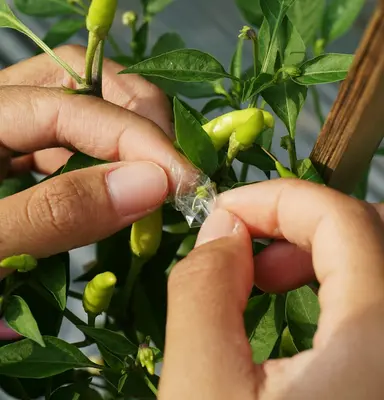
A breakthrough habanero variety that delivers all the fruity, citrusy flavor of traditional habaneros but with significantly reduced heat, making it accessible to more gardeners and cooks. Zavory produces abundant, lantern-shaped orange fruits on compact plants that thrive in containers. This variety opens up habanero cuisine to those who love the flavor but can't handle the intense heat of standard varieties.
Harvest
85-95d
Days to harvest
Sun
Full sun
Zones
10–11
USDA hardiness
Height
12-30 inches
Planting Timeline
Showing dates for Habanero 'Zavory' in USDA Zone 7
All Zone 7 pepper →Zone Map
Click a state to update dates
Habanero 'Zavory' · Zones 10–11
Growing Details
Complete Growing Guide
This mild habanero requires consistent warmth to reach maturity in 85-95 days, so start seeds indoors 8-10 weeks before your last frost and maintain soil temperatures above 75°F for reliable germination. Unlike standard habaneros, Zavory's compact 12-30 inch frame makes it exceptional for containers, but this tendency toward bushiness means pinching early growth encourages better branching and fruit set. The reduced heat level (500-1,000 Scoville units) correlates with thinner pod walls that dry out quickly, so maintain even soil moisture without waterlogging to prevent fruit cracking and blossom-end rot. While generally hardy, monitor closely for spider mites in hot, dry conditions—the compact foliage can create microclimates where mites thrive. A practical strategy: grow Zavory in 5-gallon containers on wheeled bases so you can move plants between full sun and afternoon shade during extreme heat waves, optimizing fruit production without sacrificing the mild flavor profile.
Light: Full sun (6 or more hours of direct sunlight a day). Soil: Clay, High Organic Matter, Loam (Silt), Sand. Soil pH: Acid (<6.0), Alkaline (>8.0), Neutral (6.0-8.0). Drainage: Good Drainage, Moist. Height: 1 ft. 0 in. - 2 ft. 6 in.. Spread: 1 ft. 0 in. - 2 ft. 0 in.. Spacing: 12 inches-3 feet. Growth rate: Medium. Maintenance: Medium. Regions: Coastal, Mountains, Piedmont.
Harvesting
Harvest Habanero 'Zavory' peppers when they reach their full lantern shape and transition to a deep orange color, which signals peak flavor development and optimal Scoville maturity for this mild variety. The fruits should feel firm yet slightly yielding to gentle pressure, indicating they've developed their characteristic citrusy sweetness. Practice continuous harvesting by removing ripe peppers regularly throughout the season, which encourages the compact plants to produce more blooms and extend your yield. For best results, pick peppers in the early morning when temperatures are cooler, as this preserves their delicate fruity notes and reduces plant stress during harvest.
Fruits are a non-pulpy berry and vary considerably across cultivars in shape and color. Many tend to have a lumpy, crinkled appearance compared to other species. They contain high capsaicin levels.
Color: Gold/Yellow, Green, Orange, Purple/Lavender, Red/Burgundy, White. Type: Berry. Length: 1-3 inches. Width: 1-3 inches.
Garden value: Edible, Good Dried, Showy
Harvest time: Fall, Summer
Storage & Preservation
Store freshly harvested Zavory peppers in a perforated plastic bag in the refrigerator at 45–50°F with 85–95% humidity for optimal preservation. They'll keep for up to three weeks under these conditions. For longer storage, freezing works exceptionally well—simply wash, slice, and freeze on a baking sheet before transferring to freezer bags for up to eight months. Drying is ideal given the thin walls; hang whole peppers or slice and dry in a dehydrator at 135°F until completely brittle. Canning in vinegar-based hot sauce leverages their natural fruity-citrus character beautifully. Fermentation is another excellent option: pack sliced peppers with salt in a jar and let them ferment for two to four weeks, which deepens complexity while preserving the mild heat. Because Zavory peppers are relatively thin-walled, they dry faster than larger habanero types, making dehydration your most time-efficient preservation method if you're processing a large harvest.
History & Origin
While specific breeder documentation for Habanero 'Zavory' remains limited in published horticultural records, this variety belongs to the broader lineage of Capsicum chinense breeding efforts focused on reducing heat while preserving the distinctive fruity, citrusy character that defines habanero cultivars. The development of low-heat habanero variants represents a modern trend among seed companies and breeding programs seeking to expand the appeal of traditionally fiery peppers. 'Zavory' likely emerged from selective breeding within commercial seed company programs, though the precise origin details—including the specific breeder, introduction year, and geographic location—have not been widely documented in accessible horticultural literature, suggesting it may be a relatively recent introduction or a proprietary cultivar.
Origin: Bolivia, northern Brazil, and Peru
Advantages
- +Zavory retains authentic habanero flavor while reducing heat significantly for wider appeal
- +Compact plant size makes Zavory ideal for container gardening and small spaces
- +Abundant orange lantern-shaped fruit production provides generous harvests from modest plants
- +Moderate growing difficulty means Zavory suits intermediate gardeners without extreme expertise required
- +85-95 day maturity allows Zavory to produce in shorter growing seasons
Considerations
- -Zavory is vulnerable to bacterial leaf spot and powdery mildew without preventive care
- -Multiple pest pressures including aphids, whiteflies, and spider mites require active monitoring
- -Reduced heat level means Zavory lacks intensity that traditional habanero enthusiasts demand
Companion Plants
Marigolds — French marigolds (Tagetes patula) specifically — produce root exudates that suppress soil nematode populations, and their scent disrupts aphids and whiteflies searching for host plants. Basil pulls double duty as a mild pest deterrent, though if you're honest about it, the main reason to plant it 18 inches from your Zavory is convenience at harvest time. Onions and carrots are low-drama neighbors because they occupy different root depths: onions stay shallow while carrots work down past 12 inches, so neither is fighting Zavory for the same soil resources.
Fennel is the one to keep at a real distance — its roots release allelopathic compounds that stunt most vegetables, and peppers are no exception. Skip brassicas too; they're nitrogen-hungry and share aphid pressure with peppers, so you're doubling your pest load for no gain. One Zavory-specific note: NC State Extension points out that since the capsaicin gene is dominant in Capsicum chinense, cross-pollination from a hotter variety nearby can make your low-heat Zavory fruit come in hot. Keep it away from standard habaneros or other chinense types if you're growing them in the same garden.
Plant Together
Basil
Repels aphids, spider mites, and thrips while potentially enhancing pepper flavor
Marigold
Deters nematodes, aphids, and whiteflies with natural pest-repelling compounds
Oregano
Repels cucumber beetles and provides ground cover to retain soil moisture
Parsley
Attracts beneficial insects like hoverflies and parasitic wasps that control pests
Carrots
Loose soil around carrot roots improves drainage and aeration for pepper roots
Onions
Natural fungicide properties help prevent soil-borne diseases and repel aphids
Nasturtium
Acts as trap crop for aphids and cucumber beetles, drawing pests away from peppers
Cilantro
Attracts beneficial predatory insects and can provide shade for pepper roots
Keep Apart
Black Walnut
Releases juglone toxin that inhibits pepper growth and can cause wilting
Fennel
Produces allelopathic compounds that stunt pepper growth and development
Brassicas
Compete heavily for nutrients and may inhibit pepper growth through root competition
Nutrition Facts
Per 100g serving. % Daily Value based on 2,000 calorie diet. Source: USDA FoodData Central (FDC #169394)
Pests & Disease Resistance
Resistance
Good tolerance to bacterial leaf spot and root rot
Common Pests
Aphids, whiteflies, spider mites, pepper weevil
Diseases
Bacterial leaf spot, powdery mildew, root rot
Troubleshooting Habanero 'Zavory'
What you'll see, why it happens, and what to do about it.
Sunken, dark, leathery patch on the bottom or side of the fruit — usually showing up around day 70-80
Likely Causes
- Blossom end rot — a localized calcium deficiency in the developing fruit
- Inconsistent watering causing water stress that blocks calcium uptake
- Excess ammonium-nitrogen fertilizer competing with calcium at the roots
What to Do
- 1.Water consistently — Zavory wants about 1 inch per week; big swings between wet and dry are what triggers this
- 2.Lay 2-3 inches of straw mulch around plants before dry spells hit to hold soil moisture even; UGA Extension recommends doing this by blooming time
- 3.Back off high-ammonium fertilizers; if your soil test shows low calcium, side-dress with gypsum (if pH is already in range) or lime (if pH is below 6.0)
White, bleached, or papery patches on the side of fruit that faced the afternoon sun
Likely Causes
- Sun scald — direct UV exposure on fruit that lost its leaf canopy cover
- Defoliation from bacterial leaf spot (Xanthomonas campestris pv. vesicatoria) stripping protective foliage
What to Do
- 1.Don't over-prune foliage — those leaves are shade for the fruit
- 2.If bacterial leaf spot has stripped the canopy, apply a copper-based bactericide at the first sign of water-soaked leaf lesions to slow further defoliation
- 3.Scalded fruit is still edible; cut the affected area off and use the rest
Sticky residue on leaves, yellowing, and tiny white insects flying up when you brush the plant
Likely Causes
- Whiteflies (Bemisia tabaci or Trialeurodes vaporariorum) — common on peppers in warm weather
- Aphid colonies feeding on new growth, often accompanied by ants farming them
What to Do
- 1.Spray the undersides of leaves with insecticidal soap — that's where both pests feed and lay eggs; repeat every 5-7 days
- 2.Set out yellow sticky traps to monitor whitefly pressure before populations spike
- 3.Nasturtiums planted nearby act as a trap crop, pulling aphids off the peppers — cut and bin infested nasturtium stems rather than composting them
White powdery coating on upper leaf surfaces, usually in late summer when nights cool down
Likely Causes
- Powdery mildew (Leveillula taurica on peppers specifically) — favored by warm days, cool nights, and poor airflow
- Crowded planting at less than 18-inch spacing blocking air circulation
What to Do
- 1.Remove and trash heavily coated leaves — don't compost them
- 2.Apply potassium bicarbonate or a neem oil spray at first sign; once it covers 30-40% of the canopy it's very hard to roll back
- 3.Next season, hold to 18-24 inch spacing and rotate out of this bed — NC State Extension's guidance on nightshade rotation recommends keeping peppers, tomatoes, eggplant, and potatoes on a separate plot cycle
Frequently Asked Questions
How hot is Habanero Zavory compared to regular habaneros?▼
Can you grow Habanero Zavory in containers?▼
How long does Habanero Zavory take to grow from seed?▼
Is Habanero Zavory good for beginners?▼
When should I plant Habanero Zavory seeds?▼
What does Habanero Zavory taste like?▼
Zone-by-Zone Planting Calendar
| Zone | Indoor Start | Transplant | Direct Sow | Harvest |
|---|---|---|---|---|
| Zone 3 | April – April | June – July | — | September – October |
| Zone 4 | March – April | June – June | — | September – October |
| Zone 5 | March – March | May – June | — | August – October |
| Zone 6 | March – March | May – June | — | August – October |
| Zone 7 | February – March | April – May | — | August – October |
| Zone 8 | February – February | April – May | — | July – September |
| Zone 9 | January – January | March – April | — | June – August |
| Zone 10 | January – January | February – March | — | June – August |
| Zone 1 | May – May | July – August | — | October – August |
| Zone 2 | April – May | June – July | — | October – September |
| Zone 11 | January – January | January – February | — | May – July |
| Zone 12 | January – January | January – February | — | May – July |
| Zone 13 | January – January | January – February | — | May – July |
Growing Guides from Wind River Greens
Sources & References
External authority sources used in compiling this guide.
See the Methodology page for how this data is sourced, what's AI-assisted, and known limitations.
More Peppers
Carolina Reaper
Sweet Pepper 'Carmen'
Ghost Pepper 'Bhut Jolokia'
Scotch Bonnet 'Scotch Bonnet Orange'
Chocolate Habanero
Sweet Italian Pepper 'Marconi Rosso'
Purple Beauty Bell Pepper
Mad Hatter