Jalapeño 'Mucho Nacho'
Capsicum annuum 'Mucho Nacho'
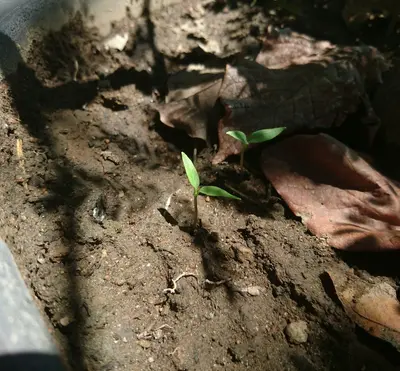
An AAS-winning jalapeño that produces extra-large 4-inch peppers perfect for stuffing and making poppers. This variety delivers classic jalapeño heat and flavor while offering significantly larger fruits than standard varieties. The vigorous plants are incredibly productive and provide a steady harvest throughout the growing season.
Harvest
70-80d
Days to harvest
Sun
Full sun
Zones
4–11
USDA hardiness
Height
1-3 feet
Planting Timeline
Showing dates for Jalapeño 'Mucho Nacho' in USDA Zone 7
All Zone 7 pepper →Zone Map
Click a state to update dates
Jalapeño 'Mucho Nacho' · Zones 4–11
Growing Details
Complete Growing Guide
This AAS-winning cultivar thrives in warm soil (70–80°F) and benefits from consistent warmth throughout its 70–80 day maturation window; plant after all frost danger passes and avoid transplanting into cold soil, which stunts growth. The vigorous growth habit means 'Mucho Nacho' appreciates slightly more nitrogen than standard jalapeños to fuel its productive branching, though excessive feeding promotes foliage at the expense of those prized 4-inch fruits. This variety's larger peppers demand adequate spacing (18–24 inches apart) to ensure air circulation, which reduces fungal disease pressure—a particular concern given the dense canopy these plants develop. While generally disease-resistant, watch for spider mites during hot, dry spells, as the heavy leaf coverage can mask infestations. A practical tip: stake or cage plants early, as the weight of multiple oversized peppers can bend or break branches mid-season, compromising your harvest of poppers-ready fruits.
Light: Full sun (6 or more hours of direct sunlight a day). Soil: Clay, High Organic Matter, Loam (Silt), Sand. Soil pH: Acid (<6.0), Alkaline (>8.0), Neutral (6.0-8.0). Drainage: Good Drainage. Height: 1 ft. 0 in. - 3 ft. 8 in.. Spread: 0 ft. 6 in. - 1 ft. 0 in.. Spacing: 12 inches-3 feet. Growth rate: Medium. Maintenance: Low. Propagation: Seed. Regions: Coastal, Mountains, Piedmont.
Harvesting
Jalapeño 'Mucho Nacho' peppers reach peak harvest maturity when they achieve their full 4-inch length and develop a deep green color with a glossy, firm skin that yields slightly to gentle pressure. Unlike single-harvest peppers, this variety supports continuous picking throughout the season, encouraging more prolific flowering and fruit set when you remove mature peppers regularly rather than waiting for the entire plant to ripen simultaneously. For optimal flavor and heat development, harvest peppers when they transition from bright to dark green, as this stage delivers the classic jalapeño taste while the larger fruit size makes them ideal for stuffing and poppers. The vigorous plants typically begin producing harvestable peppers around 70-80 days from transplant, and consistent removal of ripe peppers every few days maximizes your total yield.
Fruits are a non-pulpy berry and vary considerably across cultivars. Some are long, thin, bright red, and spicy; others are thick, large, and sweet-tasting; others still are small and in ornamental shapes and colors, grown as decoration.
Color: Black, Gold/Yellow, Green, Orange, Red/Burgundy. Type: Berry. Length: 1-3 inches. Width: < 1 inch.
Garden value: Edible, Good Dried, Showy
Harvest time: Summer
Edibility: Fruits edible, but spiciness is unpredictable in intensity.
Storage & Preservation
Fresh jalapeños from 'Mucho Nacho' store best at 45–50°F in a plastic bag or container with moderate humidity, ideally in your refrigerator's crisper drawer where they'll keep for two to three weeks. At room temperature, expect them to soften noticeably within five to seven days. For longer storage, freezing works well—slice and freeze on a baking sheet before transferring to freezer bags, retaining heat and flavor for up to eight months. Roasting and freezing is particularly effective for this variety's thicker walls. Pickling and canning suit 'Mucho Nacho' peppers beautifully given their use in nachos; whole or halved peppers preserve their crisp texture in vinegar brine. Drying concentrates the medium heat nicely; string them whole or slice lengthwise for faster dehydration. Fermentation is another excellent route—slice them into jars with salt brine and let sit for several weeks to develop complex, tangy flavor perfect for salsas. These peppers' substantial flesh means they take slightly longer to dry or ferment than thinner-walled varieties, so plan accordingly.
History & Origin
The 'Mucho Nacho' jalapeño represents a modern cultivar developed through contemporary pepper breeding programs, though specific breeder attribution and introduction date remain undocumented in widely available horticultural records. As an All-America Selections award winner, it was developed within the established jalapeño breeding lineage of Capsicum annuum, building upon decades of jalapeño cultivation that originated in Mexico's Xalapa region. The variety reflects current breeding objectives toward larger fruit size and increased productivity while maintaining traditional jalapeño heat levels and flavor characteristics. Its development likely occurred within a major seed company's breeding program during the early 2000s, though definitive historical documentation of its origins remains limited in academic and commercial seed literature.
Origin: Tropical North and South America
Advantages
- +AAS award-winning variety with proven superior performance and recognition
- +Extra-large 4-inch fruits ideal for stuffing and making poppers
- +Vigorous plants deliver steady, abundant harvests throughout the growing season
- +Classic jalapeño heat and flavor with significantly larger yields than standard varieties
- +Easy to grow, making it perfect for beginner and experienced gardeners
Considerations
- -Susceptible to bacterial leaf spot and pepper mottle virus infections
- -Requires vigilant pest management for aphids, thrips, and hornworms
- -Vulnerable to phytophthora blight in wet or poorly draining soil conditions
Companion Plants
Basil and marigolds are worth planting close. French marigolds (Tagetes patula) produce root exudates that suppress certain soil nematodes, and their scent disrupts the host-finding behavior of aphids and thrips scouts before they land. Basil stays shallow-rooted and short enough to tuck between rows without pulling water from the same depth as your pepper roots — and having both plants within arm's reach at harvest is a practical argument that outlasts any pest-control claim.
Tomatoes are reasonable neighbors since they want the same fertility and roughly 1 inch of water per week, but don't crowd them into the same bed if you've had bacterial leaf spot (Xanthomonas campestris pv. vesicatoria) before — it hits both crops and concentrating susceptible plants accelerates spread. Fennel is the one to cut from the list entirely; it produces allelopathic compounds that stunt most vegetables within a couple feet. And per NC State Extension, nightshades like peppers shouldn't be rotated through the same plot as other nightshades — brassicas don't help that rotation, and they're heavy enough feeders to compete for the calcium your peppers need to avoid blossom end rot.
Plant Together
Basil
Repels aphids, spider mites, and thrips while potentially enhancing pepper flavor
Tomatoes
Share similar growing conditions and can help deter pests when planted together
Marigolds
Repel nematodes, aphids, and whiteflies with their strong scent
Oregano
Deters pests like aphids and spider mites while attracting beneficial insects
Carrots
Help break up soil and don't compete for space or nutrients with peppers
Onions
Repel aphids, spider mites, and other pests with their sulfur compounds
Parsley
Attracts beneficial insects like parasitic wasps that control pepper pests
Nasturtiums
Act as trap crop for aphids and cucumber beetles, protecting peppers
Keep Apart
Black Walnut Trees
Produce juglone, a chemical toxic to peppers and other nightshade plants
Fennel
Inhibits growth of peppers and most vegetables through allelopathic compounds
Brassicas
Cabbage, broccoli, and related plants can stunt pepper growth and compete for nutrients
Nutrition Facts
Per 100g serving. % Daily Value based on 2,000 calorie diet. Source: USDA FoodData Central (FDC #168576)
Pests & Disease Resistance
Resistance
Good disease tolerance
Common Pests
Aphids, thrips, pepper maggot, hornworms
Diseases
Bacterial leaf spot, pepper mottle virus, phytophthora blight
Troubleshooting Jalapeño 'Mucho Nacho'
What you'll see, why it happens, and what to do about it.
Sunken, dark, leathery spot on the bottom or side of the fruit — shows up as peppers are sizing up
Likely Causes
- Blossom end rot — localized calcium deficiency in the developing fruit
- Inconsistent watering or drought stress preventing calcium uptake
- High ammonium-nitrogen fertilizer salts blocking calcium availability
What to Do
- 1.Water consistently at 1 inch per week — calcium moves into fruit through water, so dry spells starve the tissue even if soil calcium is adequate
- 2.Lay 2–3 inches of straw mulch before dry spells hit, ideally by the time plants are blooming
- 3.Back off high-nitrogen synthetic fertilizers; switch to a balanced formula with calcium, or work lime into the bed next season if your pH is below 6.0
Leaves puckered, stippled, or streaked with yellow-bronze; tiny insects visible on the undersides or inside flower buds
Likely Causes
- Thrips (Frankliniella occidentalis or F. fusca) — rasping the leaf surface and transmitting pepper mottle virus
- Aphid colonies on new growth, curling leaf tips and leaving sticky honeydew residue
What to Do
- 1.Knock aphids off with a firm spray of water early in the morning; repeat every 2–3 days until the population collapses
- 2.For thrips, remove and trash heavily infested buds and flowers — they shelter deep inside where sprays can't reach
- 3.Check plants weekly from transplant onward; both pests build fast once daytime temps stay above 80°F, and a small colony caught at week one is a lot easier to deal with than a large one at week three
Frequently Asked Questions
How big do Jalapeño 'Mucho Nacho' peppers actually get?▼
Is Jalapeño 'Mucho Nacho' good for beginners?▼
Can you grow Jalapeño 'Mucho Nacho' in containers?▼
What does Jalapeño 'Mucho Nacho' taste like compared to regular jalapeños?▼
When should I plant Jalapeño 'Mucho Nacho' seeds?▼
How long does Jalapeño 'Mucho Nacho' take to grow from seed?▼
Zone-by-Zone Planting Calendar
| Zone | Indoor Start | Transplant | Direct Sow | Harvest |
|---|---|---|---|---|
| Zone 1 | May – May | July – August | — | October – August |
| Zone 2 | April – May | June – July | — | September – September |
| Zone 11 | January – January | January – February | — | April – June |
| Zone 12 | January – January | January – February | — | April – June |
| Zone 13 | January – January | January – February | — | April – June |
| Zone 3 | April – April | June – July | — | September – October |
| Zone 4 | March – April | June – June | — | August – October |
| Zone 5 | March – March | May – June | — | August – October |
| Zone 6 | March – March | May – June | — | August – October |
| Zone 7 | February – March | April – May | — | July – September |
| Zone 8 | February – February | April – May | — | July – September |
| Zone 9 | January – January | March – April | — | June – August |
| Zone 10 | January – January | February – March | — | May – July |
Growing Guides from Wind River Greens
Sources & References
External authority sources used in compiling this guide.
See the Methodology page for how this data is sourced, what's AI-assisted, and known limitations.
More Peppers
Carolina Reaper
Sweet Pepper 'Carmen'
Ghost Pepper 'Bhut Jolokia'
Scotch Bonnet 'Scotch Bonnet Orange'
Chocolate Habanero
Sweet Italian Pepper 'Marconi Rosso'
Purple Beauty Bell Pepper
Mad Hatter