New Mexico Hatch Chile 'Sandia'
Capsicum annuum 'Sandia'
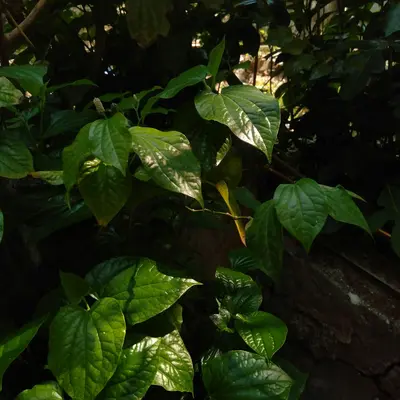
The authentic New Mexican chile that defines the cuisine of the Southwest, offering medium heat with incredible flavor depth perfect for roasting. Developed at New Mexico State University, Sandia produces large, thick-walled pods that blister beautifully and develop complex smoky-sweet flavors when roasted. This is the real deal for making traditional green chile dishes and ristras.
Harvest
80-85d
Days to harvest
Sun
Full sun
Zones
4–11
USDA hardiness
Height
1-3 feet
Planting Timeline
Showing dates for New Mexico Hatch Chile 'Sandia' in USDA Zone 7
All Zone 7 pepper →Zone Map
Click a state to update dates
New Mexico Hatch Chile 'Sandia' · Zones 4–11
Growing Details
Complete Growing Guide
To succeed with Sandia, start seeds 8-10 weeks before your last frost—this cultivar needs warmth to thrive and appreciates the longer season compared to faster-maturing peppers. Plant in full sun with consistently warm soil (70-85°F) and ensure excellent drainage, as these thick-walled chile peppers resent waterlogged roots more than typical pepper varieties. Sandia shows strong vigor and rarely stretches indoors, but watch for spider mites in dry conditions, particularly during indoor hardening-off. The plants handle New Mexico's intense heat and low humidity better than most peppers, though supplemental watering during pod-set prevents fruit splitting. One essential practice: pinch off the first flowers when transplants reach 6 inches tall to encourage bushier growth and larger fruit production, since Sandia's potential pod size rewards this early investment in plant structure.
Light: Full sun (6 or more hours of direct sunlight a day). Soil: Clay, High Organic Matter, Loam (Silt), Sand. Soil pH: Acid (<6.0), Alkaline (>8.0), Neutral (6.0-8.0). Drainage: Good Drainage. Height: 1 ft. 0 in. - 3 ft. 8 in.. Spread: 0 ft. 6 in. - 1 ft. 0 in.. Spacing: 12 inches-3 feet. Growth rate: Medium. Maintenance: Low. Propagation: Seed. Regions: Coastal, Mountains, Piedmont.
Harvesting
Sandia chiles reach peak harvest readiness when pods transition from green to a deep forest green with a slight waxy sheen, measuring 6-8 inches long with thick, firm walls that feel substantial and slightly flexible when gently squeezed. For traditional roasting, harvest when fully mature green before any red coloration appears, as this stage offers the optimal balance of flavor and texture for blistering. Sandia plants produce continuously throughout the season, allowing for staggered harvesting every few days rather than a single-harvest approach, which encourages prolonged productivity. Timing your main harvest in late afternoon, after the day's heat has peaked, yields pods with maximum moisture content, ensuring superior roasting results and more pronounced smoky-sweet flavor development.
Fruits are a non-pulpy berry and vary considerably across cultivars. Some are long, thin, bright red, and spicy; others are thick, large, and sweet-tasting; others still are small and in ornamental shapes and colors, grown as decoration.
Color: Black, Gold/Yellow, Green, Orange, Red/Burgundy. Type: Berry. Length: 1-3 inches. Width: < 1 inch.
Garden value: Edible, Good Dried, Showy
Harvest time: Summer
Edibility: Fruits edible, but spiciness is unpredictable in intensity.
Storage & Preservation
Store freshly harvested Sandia chiles in a perforated plastic bag in the refrigerator at 45–50°F with 85–95% humidity; they'll keep for two to three weeks. For longer storage, freeze whole chiles on a sheet tray, then transfer to freezer bags for up to eight months. Roasting and freezing is ideal for this variety—char them over an open flame or under a broiler, sweat them in a plastic bag to loosen skins, peel, and freeze in portions for convenient use in stews and salsas throughout winter.
Drying is equally rewarding: string whole peppers into traditional ristras and hang in a warm, dry location with good air circulation until brittle (four to six weeks), or slice and dry in a dehydrator at 135°F. Dried Sandias reconstitute beautifully in soups and chile sauces. The earthy, fruity complexity intensifies with drying, making them worth the effort for authentic New Mexican cooking.
History & Origin
Developed by New Mexico State University's chile breeding program, the Sandia variety represents the modern refinement of traditional New Mexican Hatch chiles, though specific breeder attribution and exact development year remain underdocumented in readily available sources. The Sandia emerged from decades of selective breeding work focused on improving the thick-walled pod characteristics and roasting qualities that define authentic New Mexican cuisine. As part of New Mexico State University's broader effort to develop chile varieties suited to regional growing conditions and culinary traditions, Sandia carries forward the heritage of Hatch Valley chile cultivation while offering the enhanced commercial and home-gardening traits that distinguish university-bred cultivars from their landrace ancestors.
Origin: Tropical North and South America
Advantages
- +Authentic New Mexican variety with complex smoky-sweet flavor profile when roasted
- +Large thick-walled pods blister beautifully and are ideal for traditional green chile
- +Medium heat level (1,000-8,000 SHU) accessible to most palates and cuisines
- +University-developed cultivar proven for Southwest cuisine and reliable 80-85 day maturity
- +Easy to grow making it perfect for both beginner and experienced gardeners
Considerations
- -Susceptible to chile wilt and bacterial leaf spot diseases in humid climates
- -Multiple pest vulnerabilities including thrips, weevils, and spider mites requiring monitoring
- -Requires proper roasting technique to achieve its full complex flavor potential
Companion Plants
Basil and oregano are the most practical companions here — both are shallow-rooted and won't compete with Sandia's 18–24 inch spread, and their aromatic oils are thought to confuse aphids and thrips. Marigolds (Tagetes spp.) pull real weight beyond aesthetics: NC State Extension notes that a solid planting of French marigolds can suppress soil nematode populations over time, which matters if you're putting peppers in the same ground year after year. Onions and carrots fit neatly into the gaps — different root depths mean you're not all drawing from the same moisture layer at once.
Fennel produces allelopathic compounds that suppress growth in most vegetable crops, peppers included — give it its own corner of the garden, far from this bed. Brassicas are a problem for a different reason: they're heavy feeders that concentrate aphid pressure, so planting them adjacent just doubles your pest scouting load. Black walnut (Juglans nigra) releases juglone through its roots and decomposing leaf litter, and that compound is directly toxic to Capsicum annuum — wilt and stunted growth can show up even in soil where walnut roots ran years ago.
Plant Together
Basil
Repels aphids, spider mites, and thrips while potentially enhancing pepper flavor
Tomatoes
Share similar growing conditions and nutrient needs, mutual pest deterrence
Oregano
Repels aphids and provides ground cover to retain soil moisture
Marigolds
Deter nematodes, aphids, and whiteflies with natural compounds
Carrots
Loose soil from carrot growth improves drainage for pepper roots
Onions
Repel aphids, spider mites, and other pests with sulfur compounds
Parsley
Attracts beneficial insects like hoverflies that prey on pepper pests
Nasturtiums
Act as trap crop for aphids and cucumber beetles
Keep Apart
Black Walnut
Produces juglone toxin that stunts pepper growth and causes wilting
Fennel
Releases allelopathic compounds that inhibit pepper germination and growth
Brassicas
Compete heavily for nutrients and may stunt pepper development
Apricot Trees
Can harbor verticillium wilt which spreads to peppers through soil
Nutrition Facts
Per 100g serving. % Daily Value based on 2,000 calorie diet. Source: USDA FoodData Central (FDC #169394)
Pests & Disease Resistance
Resistance
Good tolerance to chile wilt and root rot
Common Pests
Chile thrips, aphids, spider mites, pepper weevil
Diseases
Chile wilt, bacterial leaf spot, powdery mildew
Troubleshooting New Mexico Hatch Chile 'Sandia'
What you'll see, why it happens, and what to do about it.
Sunken, leathery black or brown patch on the bottom (or side) of ripening fruit
Likely Causes
- Blossom end rot — localized calcium deficiency in the developing fruit
- Inconsistent watering or drought stress preventing calcium uptake
- High ammonium nitrogen fertilizer salts blocking calcium availability
What to Do
- 1.Water deeply and consistently — 1 to 2 times per week — so the plant never swings between wet and bone dry
- 2.Get a soil test before adding calcium amendments; if levels are low, work in gypsum at the rate on the bag
- 3.Back off high-nitrogen synthetic fertilizers mid-season, especially ammonium-based ones; switch to a lower-N formula once plants are flowering
Leaves with small, water-soaked spots that turn brown and papery, sometimes with yellow halos, starting mid-season
Likely Causes
- Bacterial leaf spot (Xanthomonas campestris pv. vesicatoria) — spreads fast in warm, wet weather
- Overhead irrigation splashing bacteria from soil or infected debris onto foliage
What to Do
- 1.Switch to drip irrigation or water at the base; keep foliage dry
- 2.Remove and bag (don't compost) heavily infected leaves as soon as you see them
- 3.Rotate Capsicum annuum out of that bed for at least 2 seasons — NC State Extension notes that nightshades share several soil-borne pathogens, so follow with beans or a cover crop instead
Tiny, pale or silver-streaked leaves; distorted new growth; sticky residue on stems around day 30–60
Likely Causes
- Chile thrips (Scirtothrips dorsalis) — rasping feeding causes the silvering and distortion
- Aphid colonies (often green peach aphid, Myzus persicae) — the sticky residue is honeydew
What to Do
- 1.Inspect the undersides of leaves and growing tips weekly; knock aphids off with a firm spray of water
- 2.For thrips, introduce or protect predatory insects like Orius (minute pirate bug); avoid broad-spectrum sprays that kill beneficials
- 3.Plant marigolds (Tagetes spp.) in the surrounding bed — NC State Extension IPM guidance points to their role in disrupting pest pressure around peppers
Frequently Asked Questions
How long does New Mexico Hatch chile Sandia take to grow?▼
Can you grow Sandia chiles in containers?▼
What does Sandia chile taste like compared to other Hatch chiles?▼
When should I plant Sandia chile seeds?▼
Is Sandia chile good for beginners?▼
How do you know when Sandia chiles are ready to pick?▼
Zone-by-Zone Planting Calendar
| Zone | Indoor Start | Transplant | Direct Sow | Harvest |
|---|---|---|---|---|
| Zone 1 | May – May | July – August | — | October – August |
| Zone 2 | April – May | June – July | — | September – September |
| Zone 11 | January – January | January – February | — | April – June |
| Zone 12 | January – January | January – February | — | April – June |
| Zone 13 | January – January | January – February | — | April – June |
| Zone 3 | April – April | June – July | — | September – October |
| Zone 4 | March – April | June – June | — | September – October |
| Zone 5 | March – March | May – June | — | August – October |
| Zone 6 | March – March | May – June | — | August – October |
| Zone 7 | February – March | April – May | — | July – September |
| Zone 8 | February – February | April – May | — | July – September |
| Zone 9 | January – January | March – April | — | June – August |
| Zone 10 | January – January | February – March | — | May – July |
Growing Guides from Wind River Greens
Sources & References
External authority sources used in compiling this guide.
See the Methodology page for how this data is sourced, what's AI-assisted, and known limitations.
More Peppers
Carolina Reaper
Sweet Pepper 'Carmen'
Ghost Pepper 'Bhut Jolokia'
Scotch Bonnet 'Scotch Bonnet Orange'
Chocolate Habanero
Sweet Italian Pepper 'Marconi Rosso'
Purple Beauty Bell Pepper
Mad Hatter