Anaheim 'Hatch Big Jim'
Capsicum annuum 'Hatch Big Jim'
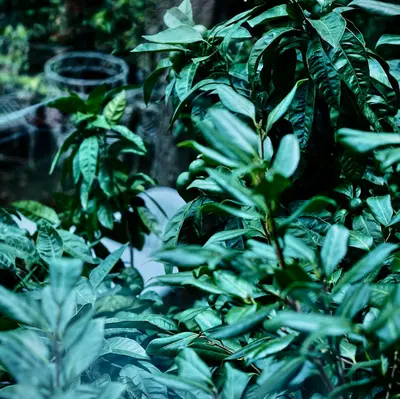
The king of New Mexico chile peppers, this legendary heirloom produces enormous 8-12 inch peppers with the authentic Hatch flavor that's essential for true southwestern cuisine. Developed at New Mexico State University, Big Jim holds the Guinness World Record for largest chile pepper and delivers mild to moderate heat with complex, earthy flavors that become sweet and smoky when roasted. This is the pepper that puts Hatch, New Mexico on the culinary map every harvest season.
Harvest
80-90d
Days to harvest
Sun
Full sun
Zones
4–11
USDA hardiness
Height
1-3 feet
Planting Timeline
Showing dates for Anaheim 'Hatch Big Jim' in USDA Zone 7
All Zone 7 pepper →Zone Map
Click a state to update dates
Anaheim 'Hatch Big Jim' · Zones 4–11
Growing Details
Succession Planting
Big Jim is a long-season pepper — 80 to 90 days to harvest — and one planting keeps producing until frost. Start seeds indoors in February or March (germination takes 10 to 21 days at a soil temperature of 75–85°F), transplant once nights are reliably above 55°F, and those same plants will carry you from July through September without any staggered planting schedule.
One thing worth planning for: if you want fully red-ripe fruit rather than green, add 2 to 3 weeks past the stated harvest window. Starting a second round of transplants chasing a late-fall crop isn't worth the effort — Big Jim needs too many warm days to finish before nighttime temps drop below 50°F.
Complete Growing Guide
This record-holding cultivar requires 80-90 frost-free days and benefits from a long growing season started 6-8 weeks before your last spring frost, as Big Jim needs extended warmth to reach its massive 8-12 inch size. Plant in full sun with well-draining soil amended with compost, spacing plants 18-24 inches apart since their vigorous growth demands room. Big Jim's large fruit load can stress plants, so consistent deep watering and balanced fertilization every three weeks prevent blossom-end rot and premature fruit drop—more critical for this heavy-yielding variety than standard peppers. Watch for spider mites in hot, dry conditions and ensure good air circulation to prevent fungal issues. A practical strategy: install sturdy stakes or cages early since the substantial fruit weight will bend or break unsupported branches, particularly important given this cultivar's tendency toward heavy bearing rather than the moderate production of typical Anaheims.
Light: Full sun (6 or more hours of direct sunlight a day). Soil: Clay, High Organic Matter, Loam (Silt), Sand. Soil pH: Acid (<6.0), Alkaline (>8.0), Neutral (6.0-8.0). Drainage: Good Drainage. Height: 1 ft. 0 in. - 3 ft. 8 in.. Spread: 0 ft. 6 in. - 1 ft. 0 in.. Spacing: 12 inches-3 feet. Growth rate: Medium. Maintenance: Low. Propagation: Seed. Regions: Coastal, Mountains, Piedmont.
Harvesting
Hatch Big Jim peppers reach peak harvest when they achieve their full 8-12 inch length and transition from green to deep red, a color shift that signals maximum sweetness and smokiness for roasting applications. The skin should feel firm yet slightly yielding to gentle pressure, indicating mature flesh development. Begin harvesting when peppers reach full size in their mature green stage if you prefer milder heat, or wait for the red color development to intensify flavor complexity. This cultivar supports continuous harvesting throughout the season by producing successive flushes, allowing you to pick mature peppers while encouraging new fruit development. For optimal yield, harvest in the early morning when peppers are fully hydrated, making them crisp and less prone to damage during handling.
Fruits are a non-pulpy berry and vary considerably across cultivars. Some are long, thin, bright red, and spicy; others are thick, large, and sweet-tasting; others still are small and in ornamental shapes and colors, grown as decoration.
Color: Black, Gold/Yellow, Green, Orange, Red/Burgundy. Type: Berry. Length: 1-3 inches. Width: < 1 inch.
Garden value: Edible, Good Dried, Showy
Harvest time: Summer
Edibility: Fruits edible, but spiciness is unpredictable in intensity.
Storage & Preservation
Store fresh Hatch Big Jims at 45–50°F with 85–90% humidity in a perforated plastic bag in your refrigerator's crisper drawer; they'll keep for two to three weeks. For longer preservation, freezing is ideal for this variety since roasting is already part of your preparation. Char the peppers over a flame or under the broiler until blackened, steam them in a covered bowl for five minutes, then peel away the skin and remove seeds. Freeze the roasted flesh in airtight containers or vacuum-sealed bags for up to eight months. Alternatively, you can freeze raw peppers whole or chopped, though texture softens upon thawing—acceptable for sauces and cooked dishes. Drying works well for mature red peppers; string them whole or cut them in half and air-dry in a warm, well-ventilated space for two to three weeks. These large-format peppers are particularly suited to freezing whole before roasting, a trick that makes the charred skin slip off more easily than with fresh fruit.
History & Origin
Developed at New Mexico State University's agricultural breeding program, the Big Jim chile pepper represents a significant achievement in Hatch Valley pepper cultivation. While specific breeder names and exact development dates are not well-documented in readily available sources, Big Jim emerged from decades of selective breeding within New Mexico's chile pepper heritage tradition. The variety became commercially prominent during the 1970s-1980s, capitalizing on the region's established reputation for superior chile peppers. Its Guinness World Record designation for largest chile pepper reflects deliberate breeding for increased fruit size while maintaining the authentic Hatch flavor profile that characterizes the region's traditional cultivars.
Origin: Tropical North and South America
Advantages
- +Produces massive 8-12 inch peppers ideal for stuffing and roasting
- +Authentic Hatch flavor essential for traditional southwestern cuisine and recipes
- +Mild to moderate heat makes it accessible to heat-sensitive gardeners
- +Complex earthy flavors develop into sweet, smoky notes when roasted
- +Legendary heirloom with Guinness World Record and proven growing track record
Considerations
- -Vulnerable to multiple serious diseases including wilt and bacterial leaf spot
- -Requires 80-90 days to maturity, demanding long warm growing seasons
- -Susceptible to numerous pests including pepper weevil and corn borers
- -Large fruit size demands sturdy support structures and careful plant management
Companion Plants
Marigolds and onions pull their weight next to Big Jim peppers for different reasons. French marigolds (Tagetes patula) emit thiophenes from their roots that suppress root-knot nematodes — plant them at the bed edges 2 to 3 weeks before you transplant peppers so the root chemistry is already working. Alliums like onions and garlic produce volatile sulfur compounds that interfere with aphids and pepper weevils trying to locate a host. Basil fits in fine as a bed-mate; it doesn't compete at the same root depth and it won't shade out a 1-to-3-foot pepper plant.
Fennel is the problem plant — it releases allelopathic compounds that stunt most vegetables, and peppers are not an exception. Keep it at least 10 feet away. Brassicas (cabbage, broccoli, kale) cause a different kind of trouble: they're heavy nitrogen feeders at the same soil depth, so planted alongside Big Jim they'll quietly drain the bed before your peppers hit their August production peak. Black walnut releases juglone, a compound that's genuinely toxic to nightshade-family plants — don't site your pepper bed anywhere near one.
Plant Together
Basil
Repels aphids, spider mites, and thrips while potentially enhancing pepper flavor
Tomatoes
Share similar growing requirements and can help deter pests through companion effect
Oregano
Repels aphids, spider mites, and cabbage moths while attracting beneficial insects
Marigolds
Deter nematodes, aphids, and whiteflies with their strong scent
Carrots
Help break up soil and don't compete for nutrients, good use of space
Onions
Repel aphids, spider mites, and other pests with sulfur compounds
Parsley
Attracts beneficial insects like hoverflies and parasitic wasps that control pests
Nasturtiums
Act as trap crop for aphids and cucumber beetles, protecting peppers
Keep Apart
Black Walnut
Releases juglone toxin that inhibits pepper growth and can cause wilting
Fennel
Inhibits growth of peppers and most vegetables through allelopathic compounds
Brassicas
Compete heavily for nutrients and can stunt pepper growth and fruit production
Nutrition Facts
Per 100g serving. % Daily Value based on 2,000 calorie diet. Source: USDA FoodData Central (FDC #169394)
Pests & Disease Resistance
Resistance
Good heat tolerance, moderate disease resistance
Common Pests
Pepper weevil, aphids, spider mites, corn borers
Diseases
Bacterial leaf spot, chile wilt, powdery mildew, verticillium wilt
Troubleshooting Anaheim 'Hatch Big Jim'
What you'll see, why it happens, and what to do about it.
Sunken, dark, leathery patch on the bottom or side of the fruit — sometimes with secondary gray or black mold on top
Likely Causes
- Blossom end rot — a localized calcium deficiency in the developing fruit
- Inconsistent watering or drought stress preventing calcium uptake
- High ammonium-nitrogen fertilizer load competing with calcium absorption
What to Do
- 1.Water deeply and consistently — 1 to 2 inches per week — and mulch around plants before dry spells hit, not after they've started
- 2.Get a soil test; if calcium is genuinely low, work in gypsum or lime at the rate the test recommends
- 3.Switch away from high-ammonium fertilizers; use a balanced vegetable formula with a lower ammonium-N fraction
Small, water-soaked spots on leaves that turn brown with yellow halos, or raised scabby lesions on the fruit surface
Likely Causes
- Bacterial leaf spot (Xanthomonas campestris pv. vesicatoria) — spreads fast in warm, wet weather via splashing water
- Overhead irrigation keeping foliage wet for extended periods
What to Do
- 1.Switch to drip irrigation or water at the base; keeping leaves dry slows the spread considerably
- 2.Strip and trash — don't compost — badly affected leaves
- 3.Rotate out of peppers and all other nightshades (tomatoes, eggplant, potatoes) for at least 2 seasons in that bed; NC State Extension's organic disease management guidance specifically flags nightshade-family rotation as a key control step
Tiny slow-moving clusters on new growth; leaves curl and develop sticky residue or a sooty black coating
Likely Causes
- Aphid infestation — green peach aphids (Myzus persicae) are the most common species on peppers
- Ants farming the aphids and driving off beneficial insects
What to Do
- 1.Knock aphids off with a firm spray of water; do this 3 days in a row and it breaks the colony's foothold
- 2.Apply insecticidal soap directly to the colonies — coat the undersides of leaves where they congregate
- 3.Check for ant trails leading up the stem; if you find them, use a sticky barrier around the base of the plant
Frequently Asked Questions
How long does Hatch Big Jim take to grow from seed?▼
Can you grow Hatch Big Jim peppers in containers?▼
What does Hatch Big Jim taste like compared to other peppers?▼
When should I plant Hatch Big Jim pepper seeds?▼
Is Hatch Big Jim good for beginners?▼
How big do Hatch Big Jim peppers actually get?▼
Zone-by-Zone Planting Calendar
| Zone | Indoor Start | Transplant | Direct Sow | Harvest |
|---|---|---|---|---|
| Zone 1 | May – May | July – August | — | October – August |
| Zone 2 | April – May | June – July | — | September – September |
| Zone 11 | January – January | January – February | — | April – June |
| Zone 12 | January – January | January – February | — | April – June |
| Zone 13 | January – January | January – February | — | April – June |
| Zone 3 | April – April | June – July | — | September – October |
| Zone 4 | March – April | June – June | — | September – October |
| Zone 5 | March – March | May – June | — | August – October |
| Zone 6 | March – March | May – June | — | August – October |
| Zone 7 | February – March | April – May | — | July – September |
| Zone 8 | February – February | April – May | — | July – September |
| Zone 9 | January – January | March – April | — | June – August |
| Zone 10 | January – January | February – March | — | May – July |
Growing Guides from Wind River Greens
Sources & References
External authority sources used in compiling this guide.
See the Methodology page for how this data is sourced, what's AI-assisted, and known limitations.
More Peppers
Carolina Reaper
Sweet Pepper 'Carmen'
Ghost Pepper 'Bhut Jolokia'
Scotch Bonnet 'Scotch Bonnet Orange'
Chocolate Habanero
Sweet Italian Pepper 'Marconi Rosso'
Purple Beauty Bell Pepper
Mad Hatter